General General 3 min read

Movie anthems

These movie songs became more famous than the films themselves

Image: defotoberg

Some songs and their movies get so tangled up together that you can't hear one without picturing the other . Play "I Will Always Love You," and Whitney Houston's voice instantly brings up scenes from The Bodyguard. Same with "My Heart Will Go On" : that flute intro alone puts you right back on the deck of the Titanic. Here are ten more pairings that never let each other go.

1
"I Will Always Love You" – The Bodyguard (1992)
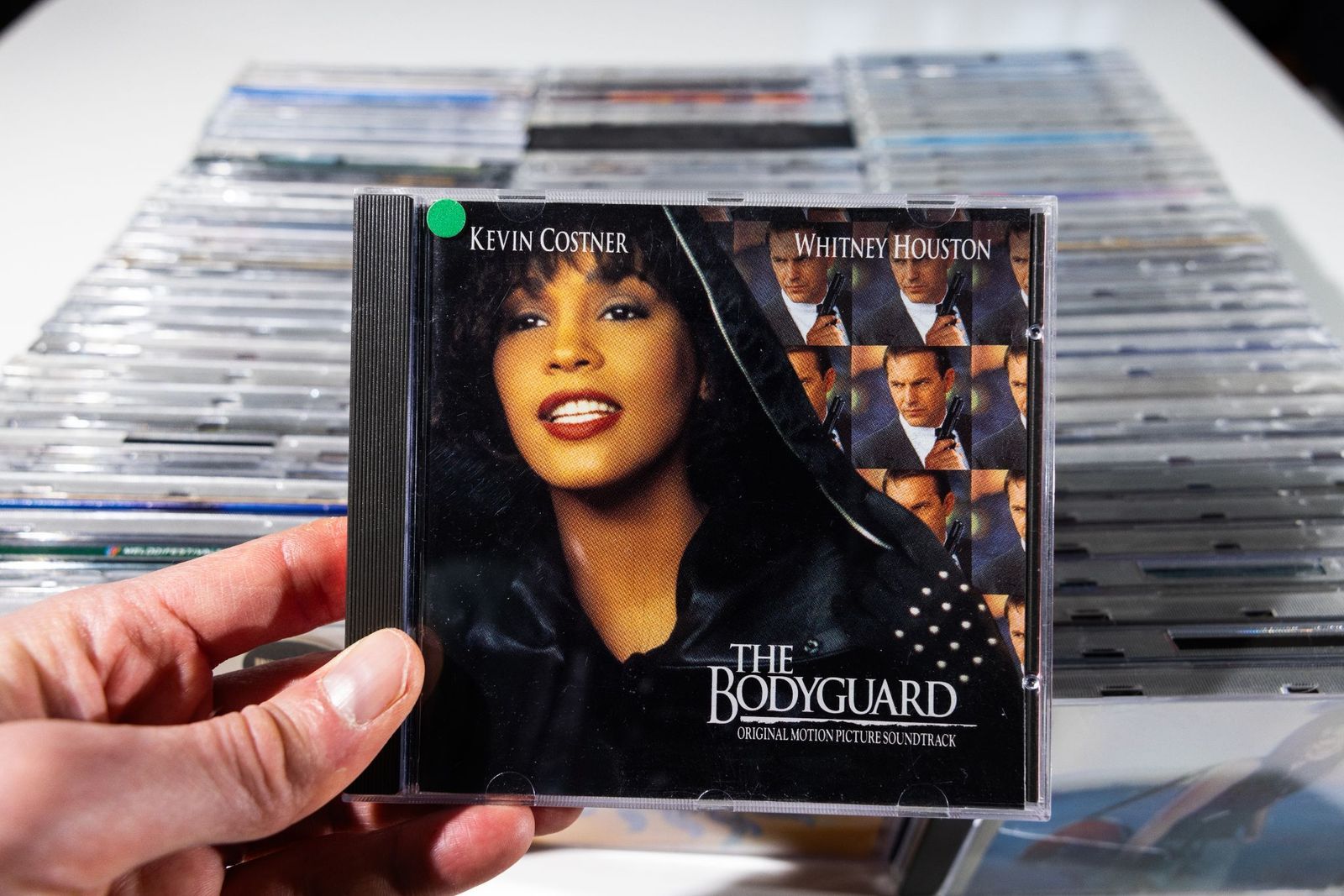
Image: Jeppe Gustafsson

Dolly Parton wrote this one back in 1973, but Whitney Houston's version, recorded for the film, became something else entirely. That a cappella opening gives people chills to this day.

Audiences in 1992 were floored: it topped charts for 14 weeks straight . It's become the go-to karaoke showstopper, and many wedding singers still attempt (and usually fail) that final high note.

2
"My Heart Will Go On" – Titanic (1997)
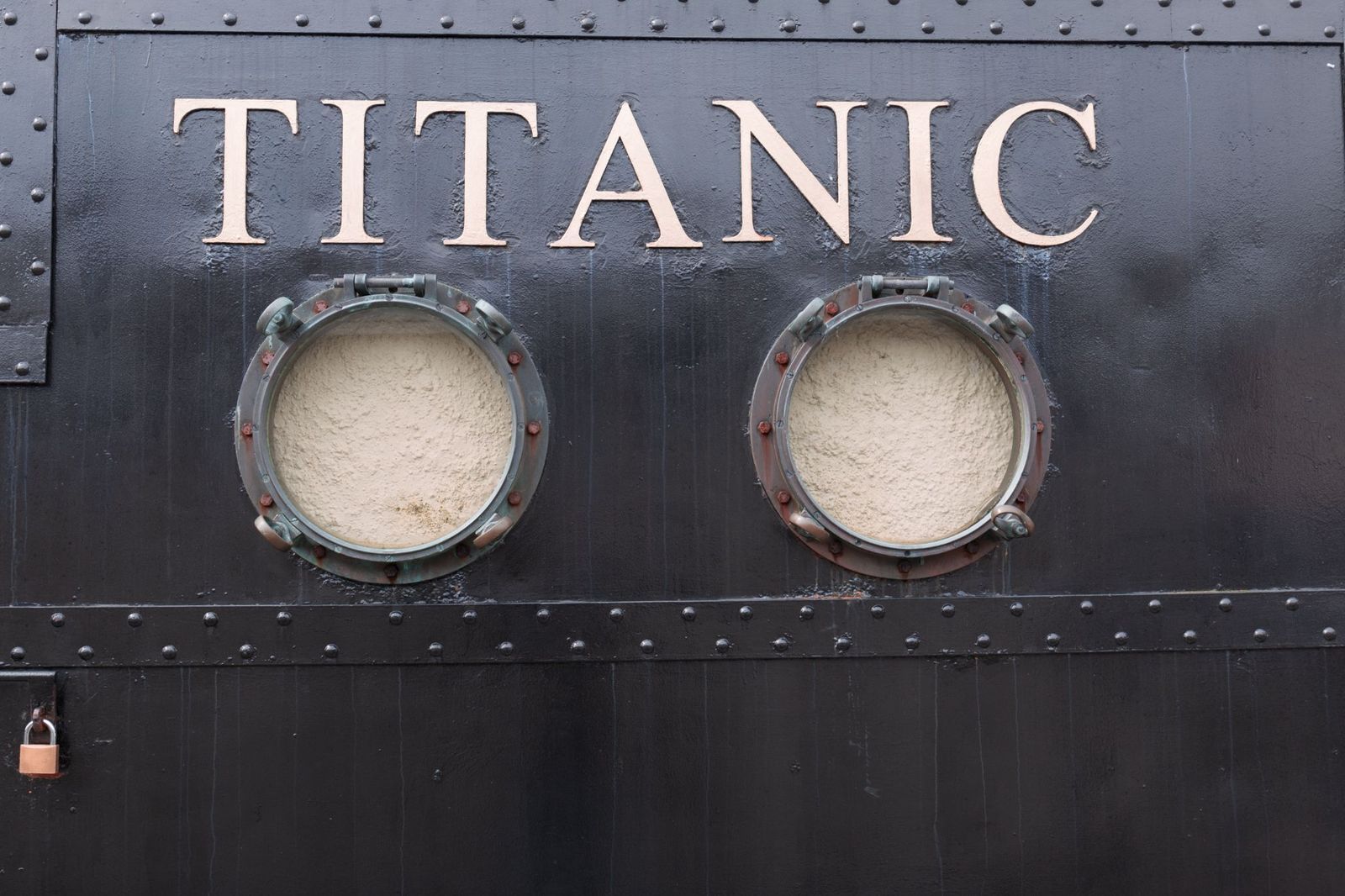
Image: D. Ribeiro

James Horner and Will Jennings wrote this for Celine Dion, and it perfectly captured the film's heartbreak and grandeur. That soaring melody still gives people goosebumps.

It won the Oscar and became inescapable on the radio throughout 1998 . It's been parodied endlessly, including on "Family Guy," proof that some songs become cultural shorthand for pure sentimentality.

3
"Eye of the Tiger" – Rocky III (1982)
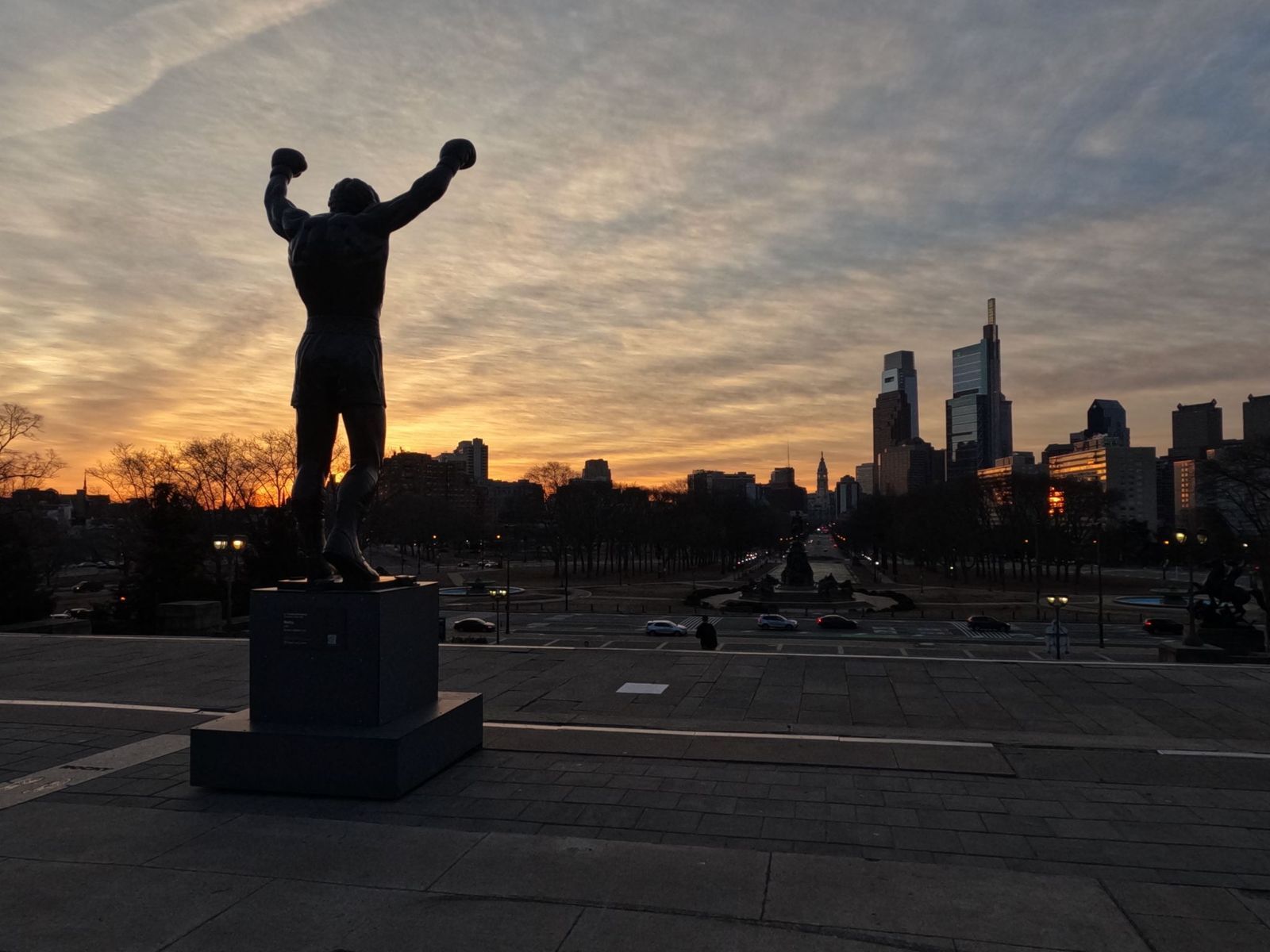
Image: Bryan Littel

Believe it or not, Stallone originally wanted Queen's "Another One Bites the Dust" for the training montage, but he couldn't secure the rights. So Survivor stepped in, writing this pounding anthem specifically for the film instead . That driving guitar riff instantly pumps you up, like you're ready to run stairs yourself.

It's become the ultimate gym anthem and sports-hype song decades later, still blasting at boxing matches and wrestling events.

4
"Unchained Melody" – Ghost (1990)

Image: Oleggg

Alex North and Hy Zaret wrote this back in 1954, but The Righteous Brothers' version of 1965 found new life in that pottery wheel scene. It stirs up longing and tenderness instantly.

With the release of Ghost , the song shot back up the charts in 1990, decades after its release. That scene remains one of the most parodied romantic moments in film history, referenced constantly in sitcoms .

5
"Stayin' Alive" – Saturday Night Fever (1977)
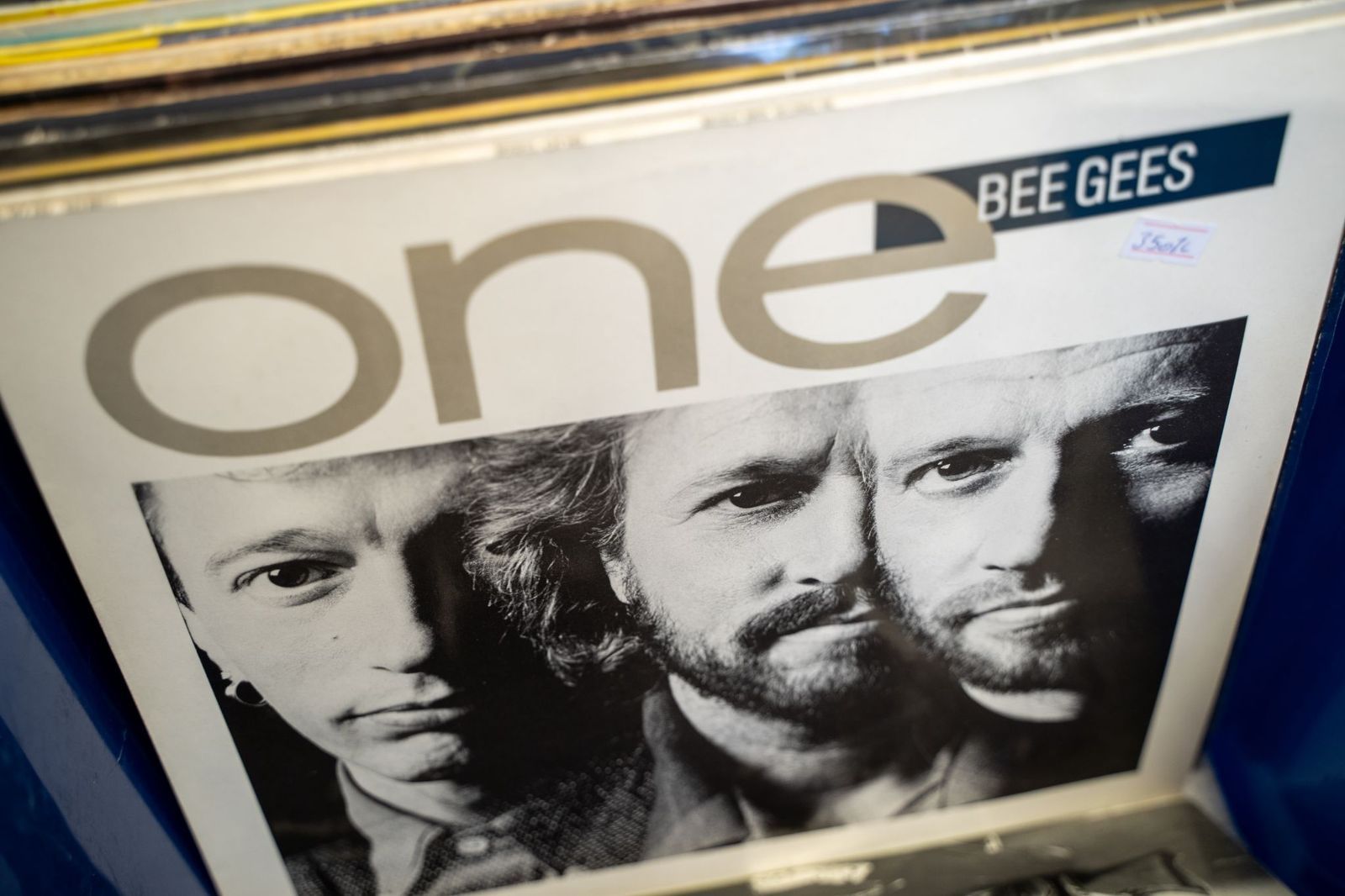
Image: Erman Gunes

The Bee Gees wrote this disco anthem, and John Travolta's strut set to it became iconic. It radiates confidence and swagger like nothing else from that era.

It defined the disco movement and continues to fill dance floors today . Oddly enough, its steady beat is now used to teach CPR timing, proof that this song truly refuses to die.

6
"Somewhere Over the Rainbow" – The Wizard of Oz (1939)

Image: Snap Spot

Harold Arlen and Yip Harburg wrote this for Judy Garland, and it became a symbol of hope and childhood wonder. That yearning melody still brings tears decades later.

It won the Oscar in 1940 and has been covered countless times since , notably by Israel Kamakawiwo'ole. It remains a staple at funerals and graduations alike, capturing bittersweet optimism.

7
"Flashdance... What a Feeling" – Flashdance (1983)
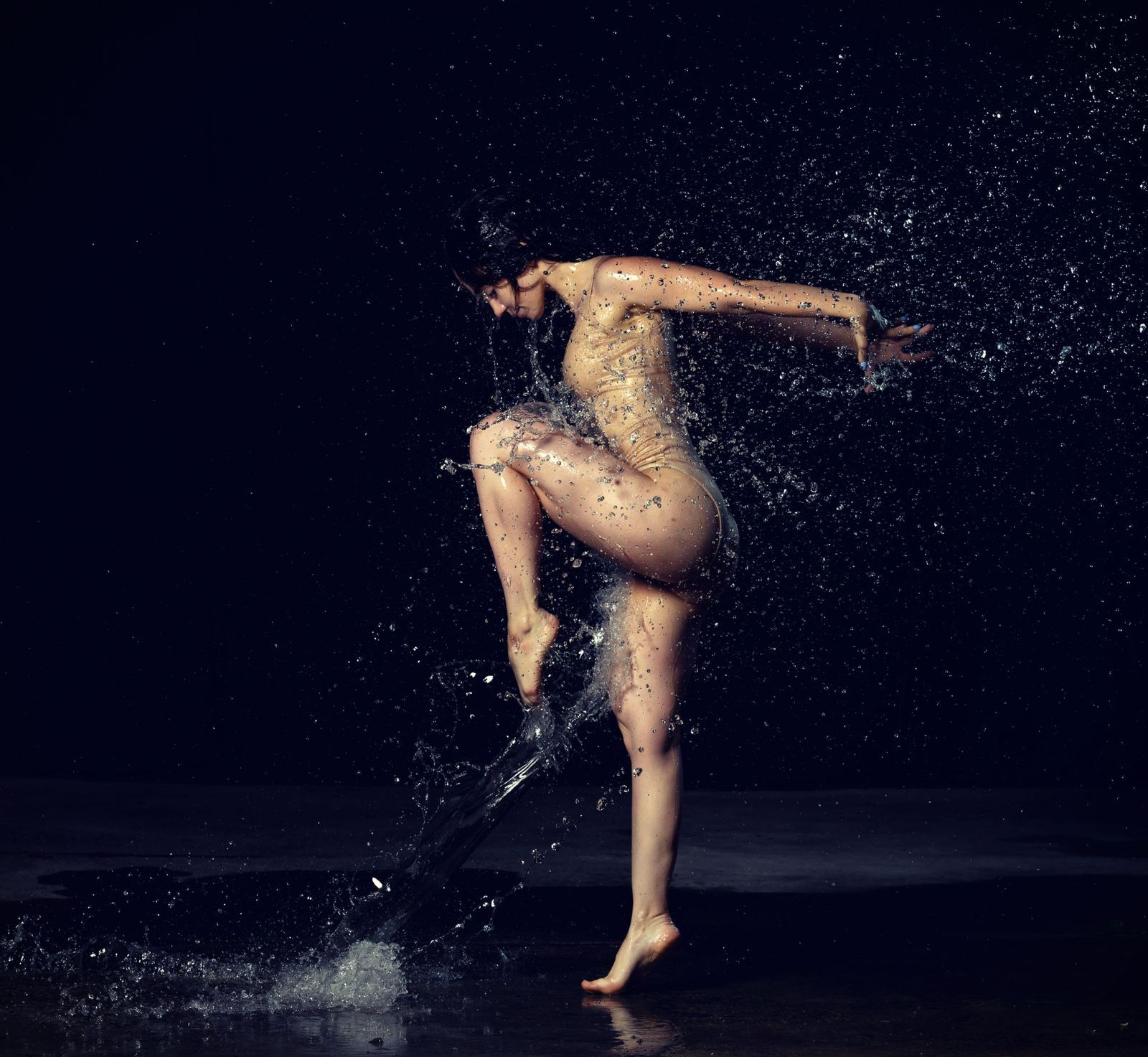
Image: NDanko

Giorgio Moroder, Keith Forsey, and Irene Cara wrote this, with Cara herself performing it. It bursts with ambition and defiant energy, matching that famous water-chair dance scene.

It hit number one and won the Oscar in 1984. That dance sequence remains endlessly referenced and parodied , from award shows to commercials, whenever someone wants to evoke pure 80s determination.

8
"The Time of My Life" – Dirty Dancing (1987)
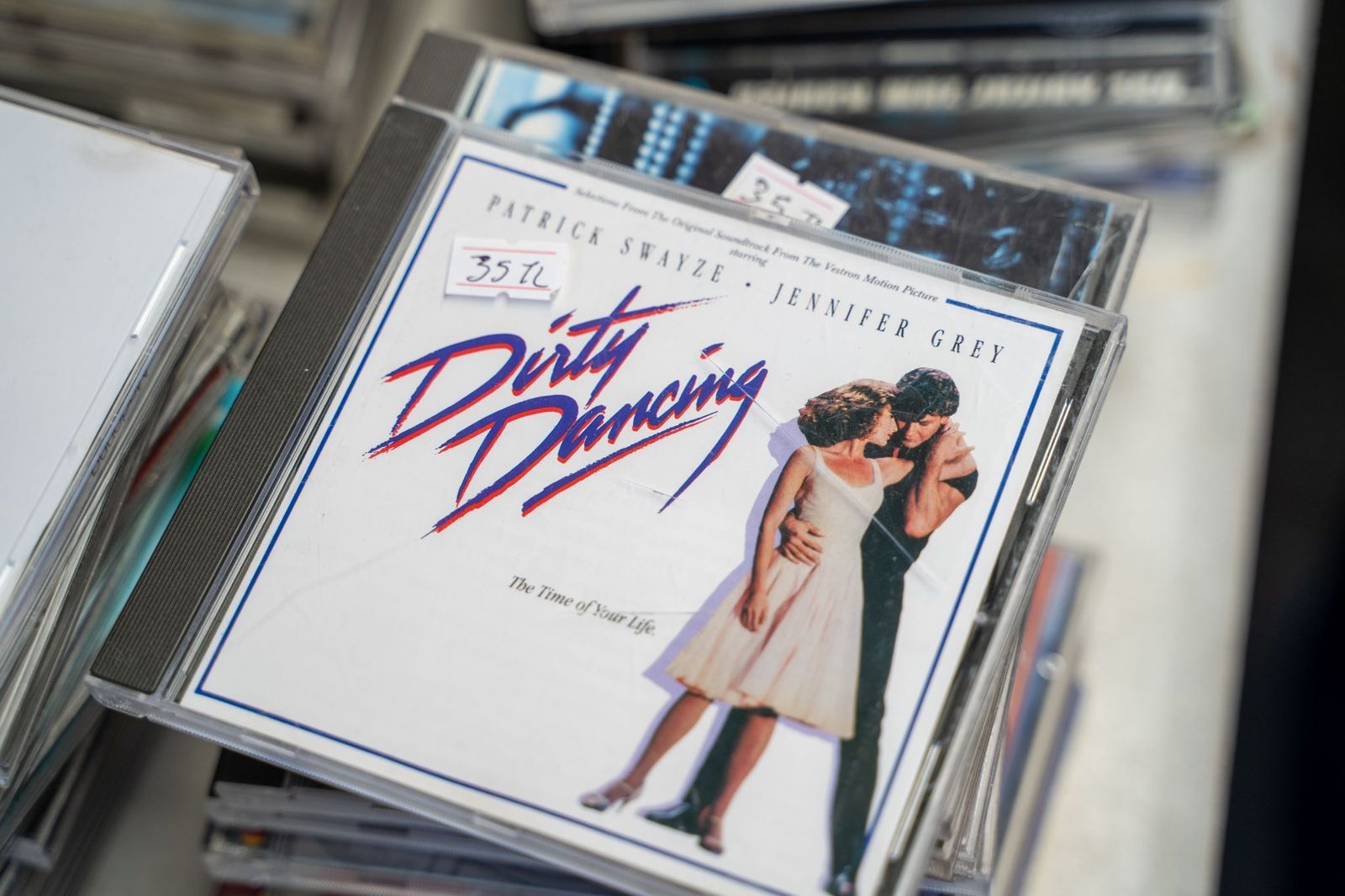
Image: Erman Gunes

Franke Previte, John DeNicola, and Donald Markowitz wrote this for Bill Medley and Jennifer Warnes. It captures pure joy and liberation, especially during that legendary final lift.

It won the Oscar for Best Original Song in 1988. That lift scene is now shorthand for triumphant romance everywhere , endlessly recreated at weddings, in commercials, and on dance competition shows.

9
"Up Where We Belong" – An Officer and a Gentleman (1982)

Image: a katz

Buffy Sainte-Marie, Jack Nitzsche, and Will Jennings wrote this soaring duet for Joe Cocker and Jennifer Warnes. It radiates triumphant, hard-earned romance, matching that carried-out-of-the-factory ending perfectly.

It won the Oscar in 1983 and topped charts nationwide. That final embrace remains one of cinema's most imitated romantic endings , still referenced whenever a scene needs pure swoon-worthy payoff.

10
"Take My Breath Away" – Top Gun (1986)
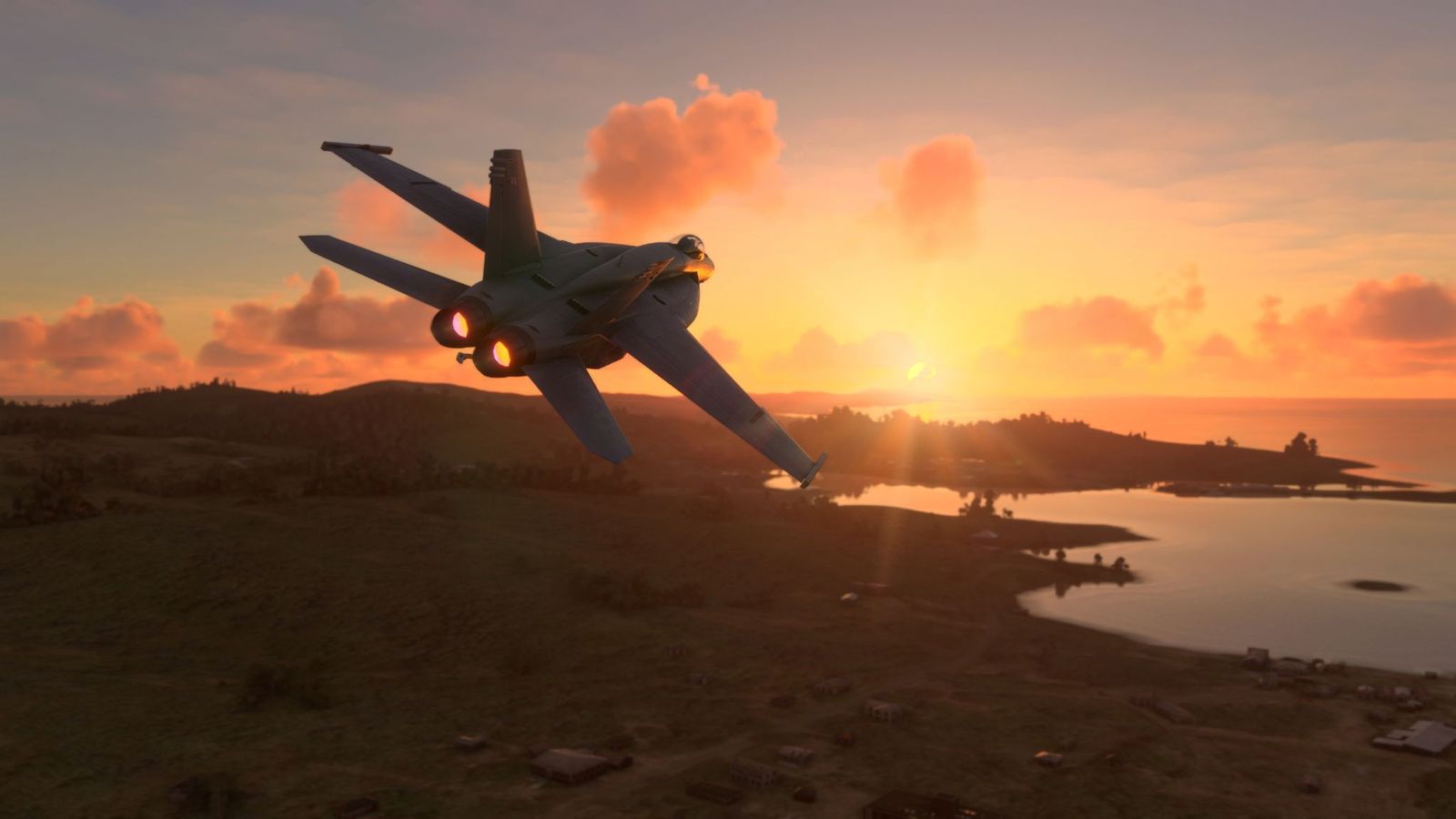
Image: Miguel Lagoa

Giorgio Moroder and Tom Whitlock wrote this dreamy ballad, performed by Berlin, for that famous slow-motion romantic scene. It evokes yearning, tension, and 80s glamour all at once.

It won the Oscar and became an instant radio staple . Decades later, it remains synonymous with sultry romantic tension, still used in commercials whenever advertisers want an instant nostalgic mood.
General General 3 min read

Say cheese!

Did you know your phone's camera can do this?

Image: César Guadarrama Cantú

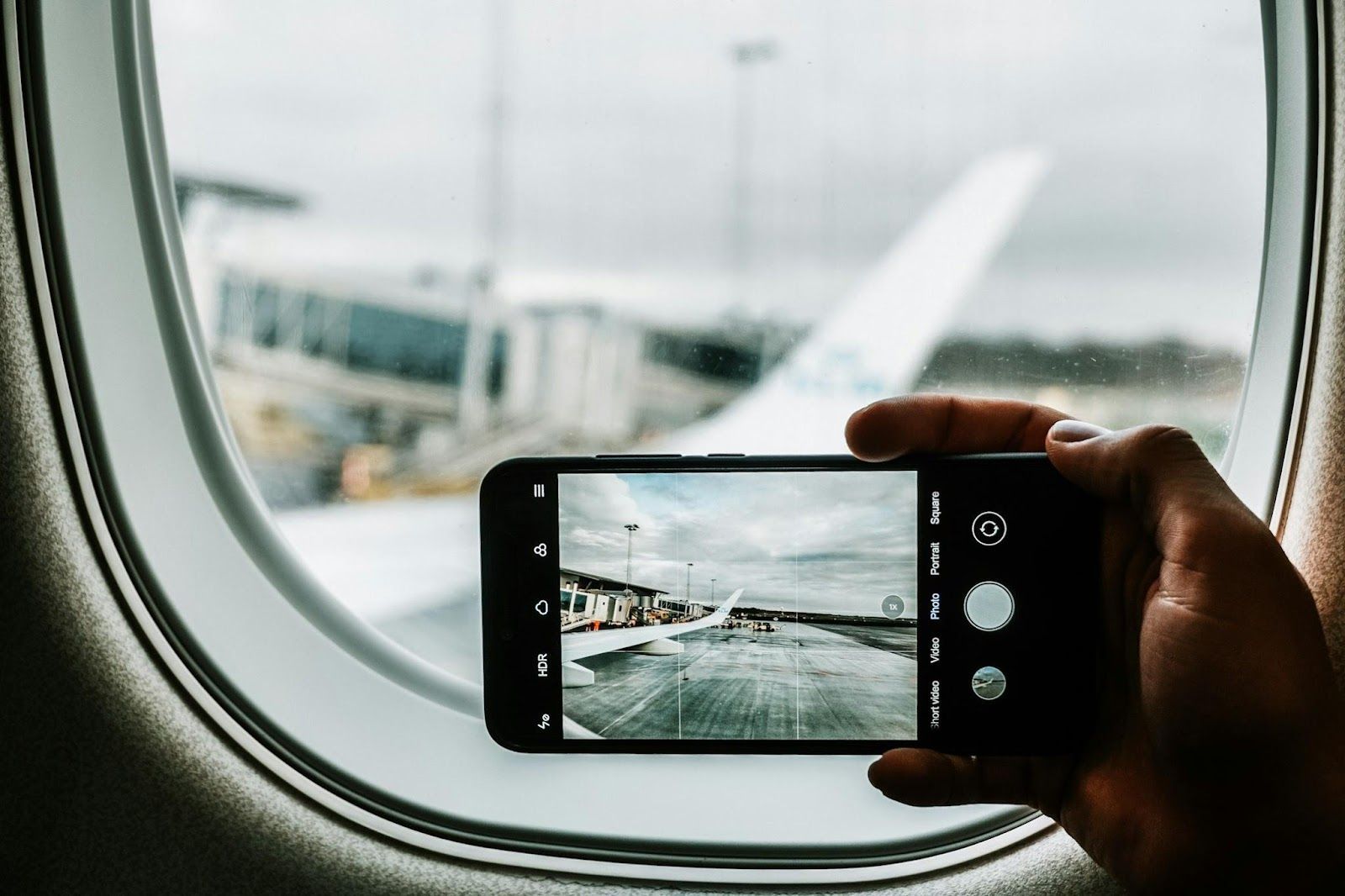
Each year, our smartphones’ cameras improve, with superior lenses and new features that allow savvy users to take incredible photos. Many of those same capabilities are already available on your device. How many of these tricks do you know?

1
Clean your lens

Image: Mika Baumeister

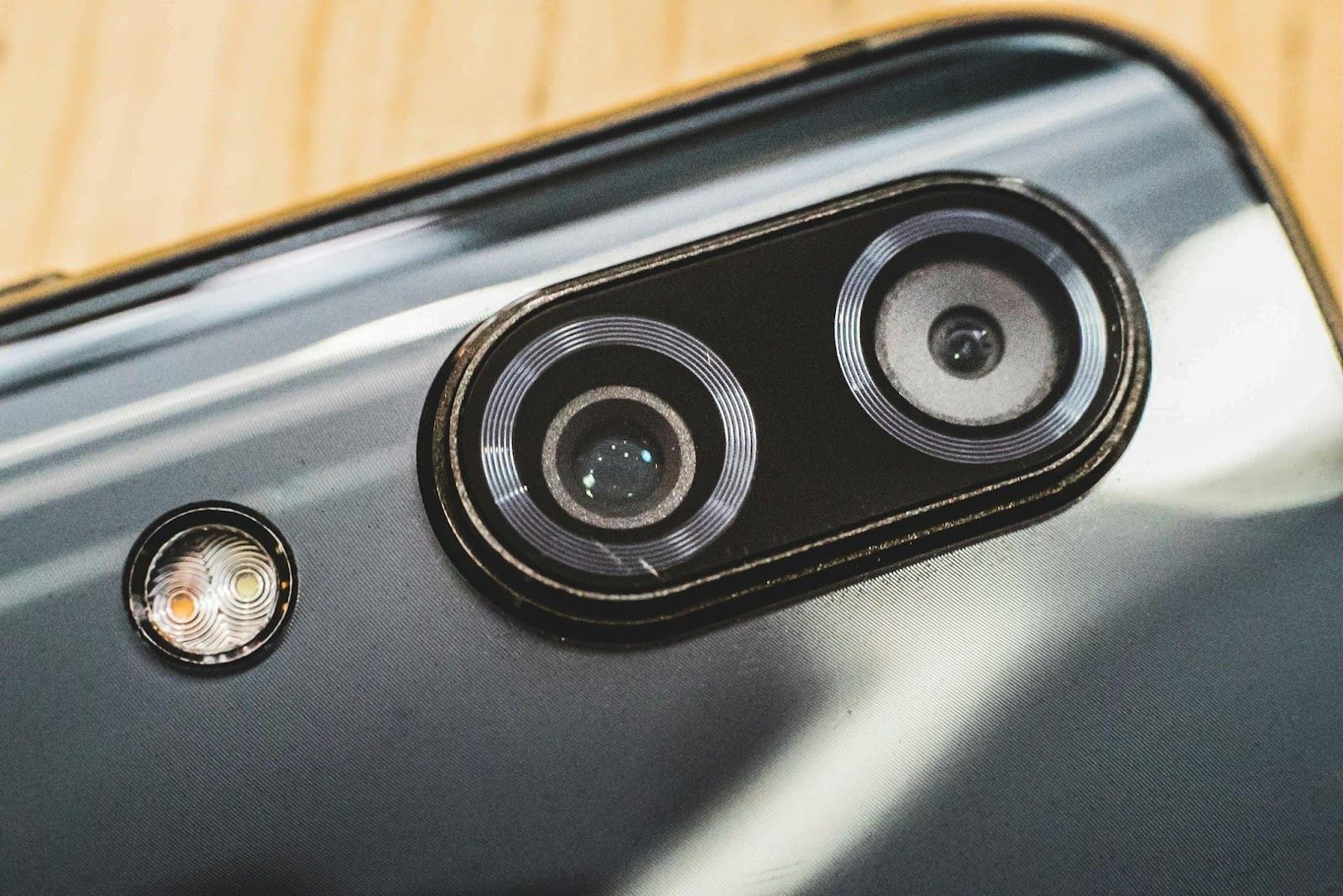
We’ll start with probably the most essential—and somehow most overlooked—tip: take a moment to clean your smartphone’s camera lens. Over time, it can accumulate dust and smudges, which can result in hazy or blurry photos.

Give it a quick wipe with a soft, lint-free cloth . It can make a significant difference in the clarity of your shots.

2
Investigate your camera app

Image: Brett Jordan

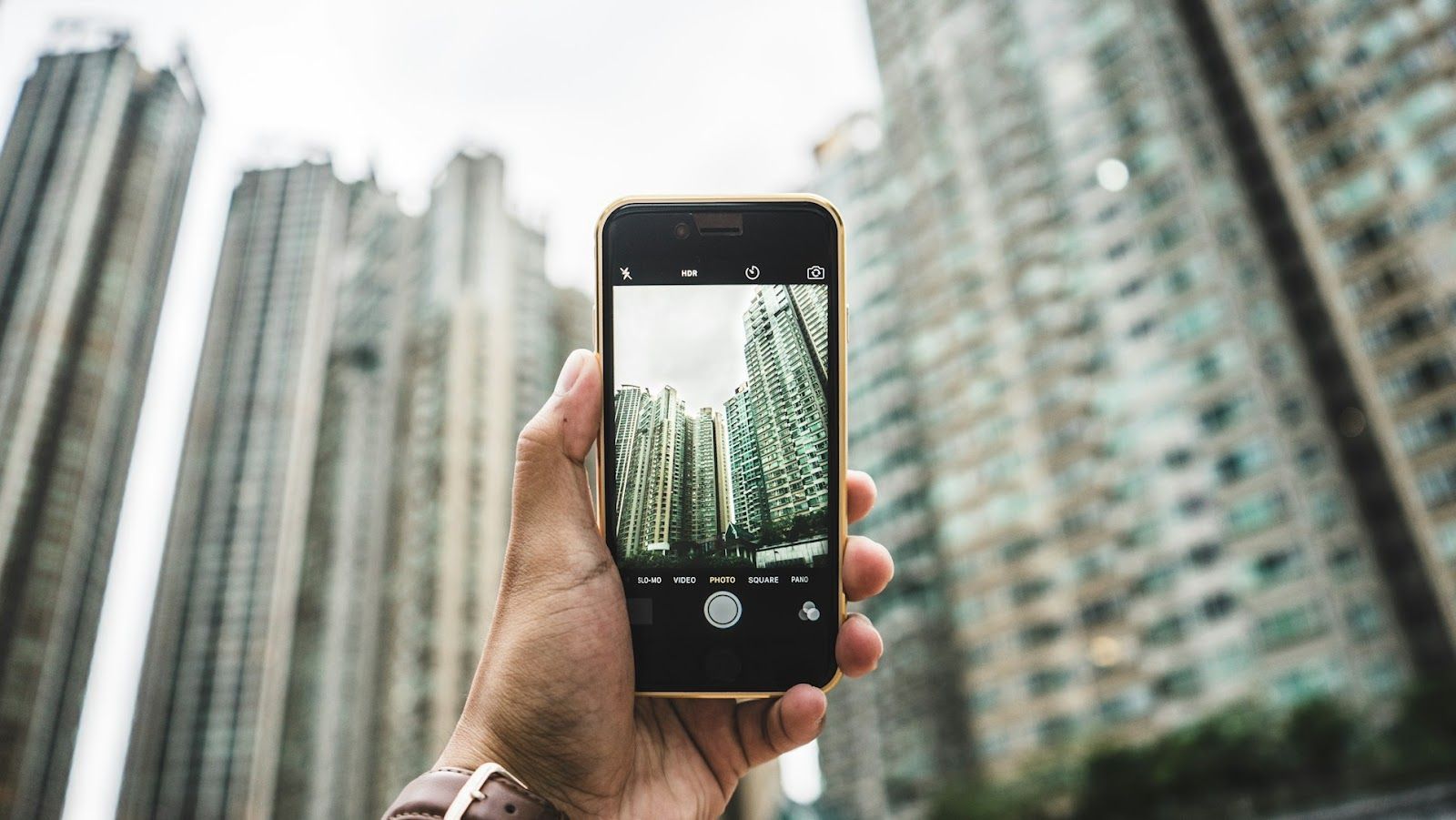
Almost every single smartphone comes with a default camera app that’s user-friendly and packed with features. Take some time to explore it , learn how to switch between photo and video modes, and familiarize yourself with settings like Portrait Mode, Night Mode for low-light shots, and Panorama Mode for landscapes.

3
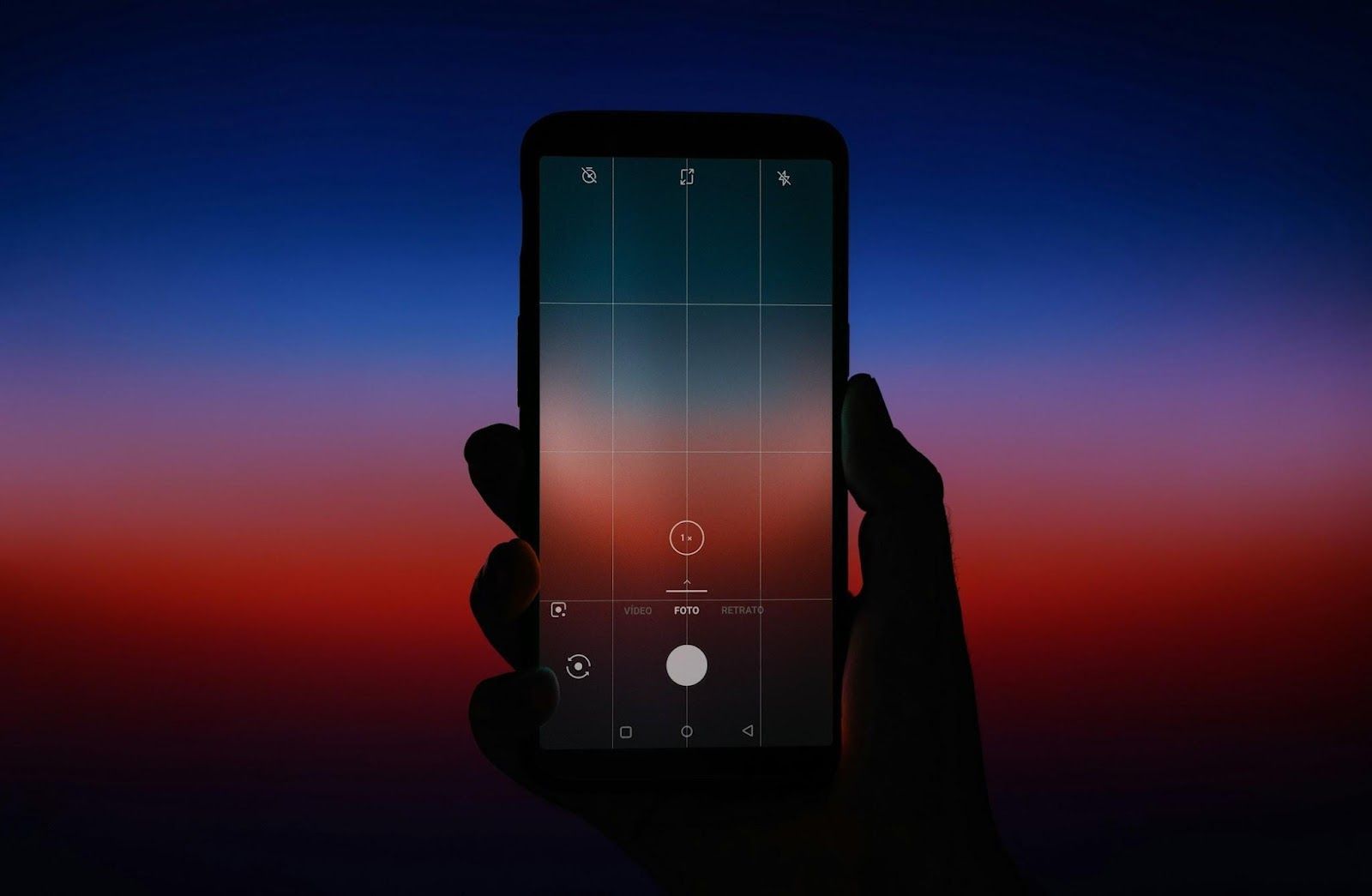
Use gridlines

Image: Jonathan Kemper

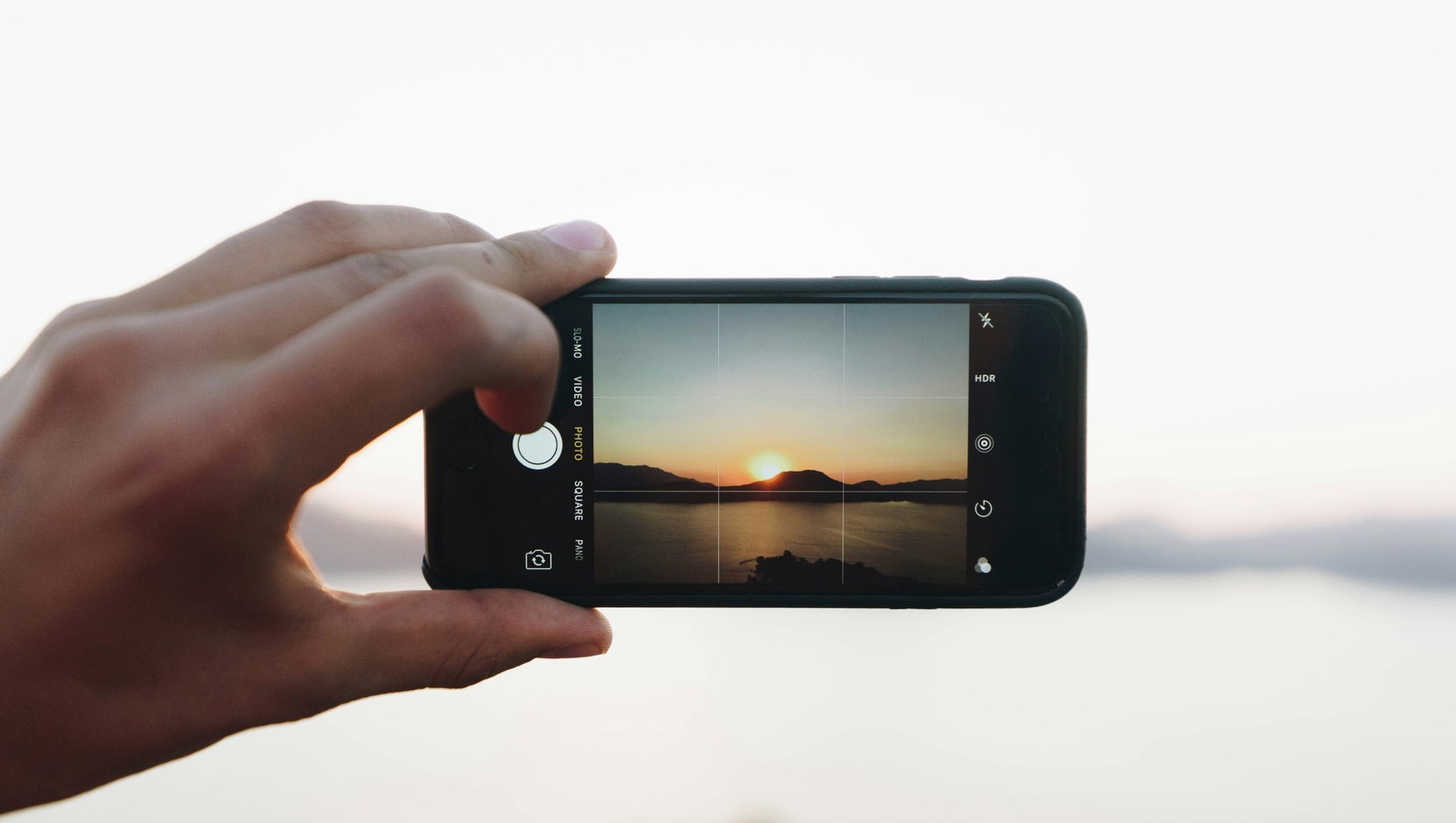
Gridlines allow you to center your focal points and enhance the visual appeal of your photos. Most mobile camera apps let you turn them on easily. These gridlines strategically divide your screen into thirds , both horizontally and vertically, adding balance and symmetry to your shot .

4
Focus and exposure control

Image: François Genon

Focus and exposure are two of the most important settings you can adjust in a manual camera to achieve different effects in photography. Fortunately, both functions are available on most modern smartphones.

By playing with different focus and exposure points, you can highlight a specific subject against a blurred background or ensure a well-balanced shot in difficult lighting conditions.

5
Lighting

Image: Ben White

Always try shooting in natural light, often referred to as available light, whenever the opportunity arises. Natural light gives a gentle, even illumination that can significantly enhance the quality of your photos.

Avoid harsh, direct sunlight, which can create intense and unflattering shadows, potentially leading to overexposed or underexposed areas. If you're shooting in low light, rest your phone on a flat surface to stabilize it for long exposures.

6
Play with composition

Image: Eaters Collective

Experiment with different angles and perspectives to enhance your subject. Don't be afraid to get low or high for a unique viewpoint. Also, pay attention to what’s in the background and eliminate any distractions that might detract from your subject.

7
Take pictures often

Image: Ferdinand Stöhr

Practice makes perfect. Since your phone is always with you, it’s easy to integrate photography into your daily routine. Whether you snap a selfie or take a few shots on your way to work, there’s no wrong way to be a smartphone photographer. Great photos often come from everyday life.

8
Take many shots

Image: The Free Birds

Long gone are the days when you had only 36 exposures in your camera and had to choose each shot carefully. One of the best things about smartphones is that you can take as many photos as you want, and there is no need to print them to see the results . This makes it much easier to learn and improve as you go.

9
Avoid digital zoom

Image: Redd Francisco

Digital zoom generally produces poor-quality images, even on the best smartphones. Avoiding it is one of the basic photography tips for taking better photos. Instead of using a digital zoom, simply move closer to your subject to maintain image quality.

10
Use HDR

Image: Kote Puerto

HDR stands for High Dynamic Range, and it’s a common feature on many smartphones. It enhances detail in both dark and light areas to provide a more balanced exposure . HDR prevents the sky from becoming too bright or the ground from appearing too dark, making it especially useful for landscape photography.

11
Set a high resolution

Image: TheRegisti

Simply put, the higher the resolution of your photo, the better quality it is . When taking pictures, try to get as close to the subject as possible, rather than zooming in. Take advantage of the higher pixel count.

12
Aspect ratio

Image: Alice Donovan Rouse

The aspect ratio determines the width and height of your photograph . The standard 4:3 ratio is versatile, but you can also choose widescreen 16:9 for a cinematic look or square 1:1 for Instagram-ready shots.

Geography Geography 3 min read

American wonders

The Grand Canyon is older than dinosaurs—10 facts you never knew

Image: Drif Riadh

The Grand Canyon is one of America’s greatest natural wonders, but its history holds more surprises than you might think. From its ancient formation to modern discoveries, this canyon’s story is filled with adventure, mystery, and national pride. Here are 10 astonishing facts that reveal its amazing journey through time.

1
Ancient origins

Image: Ameer Basheer

The Grand Canyon isn’t just old—it’s millions of years older than previously thought. Some rock layers at the bottom date back 1.8 billion years, nearly half the age of Earth itself. While the canyon itself is around 5 to 6 million years old, recent studies suggest parts of it began forming 70 million years ago—during the dinosaur era.

2
Once an ocean floor

Image: Yannis Papanastasopoulos

Long before it was a canyon, this region sat beneath an ancient sea. The Kaibab Limestone, the canyon’s top layer, formed from marine fossils left behind as the waters receded 270 million years ago. The presence of coral, shellfish, and even shark fossils proves the area was once home to a thriving ocean ecosystem.

3
Carved by more than water

Image: Wolfgang Hasselmann

While the Colorado River played a huge role in shaping the canyon, other forces were at work. Volcanic activity, tectonic uplift, and even landslides helped carve out its immense depths. Lava flows from nearby volcanoes poured into the canyon, creating layers of rock that tell the story of violent geological change.

4
The earliest human inhabitants

Image: Russ McCabe

Humans have lived near the Grand Canyon for at least 12,000 years. The earliest known inhabitants were Paleo-Indians, who left behind stone tools and spear points. Later, the Ancestral Puebloans built cliff dwellings and left behind intricate pottery, proving that this seemingly inhospitable land was once home to thriving communities.

5
First European encounter

Image: Antoine Vidal de La Blache

Spanish explorer García López de Cárdenas was the first European to lay eyes on the canyon in 1540. Sent by Francisco Vázquez de Coronado in search of legendary cities of gold, he and his men were shocked by its vastness. They tried to climb down for water but failed, unable to comprehend its sheer scale.

6
Named a national monument

Image: Benjamin Cutting

President Theodore Roosevelt designated the Grand Canyon a national monument in 1908, calling it a place "every American should see." He was instrumental in protecting it from commercial exploitation, setting the stage for its eventual National Park status in 1919.

7
Hidden caves

Image: Russ McCabe

The Grand Canyon contains over 1,000 caves, but fewer than 400 have been explored. Some remain completely untouched, preserving prehistoric fossils and evidence of ancient human life. Today, only one cave is open to the public—Grand Canyon Caverns, located nearby in Arizona.

8
Phantom ranch

Image: Annie Spratt

Built in the 1920s, Phantom Ranch remains one of the most isolated lodges in America. Located at the bottom of the canyon, it’s only accessible by hiking, mule ride, or rafting. Due to high demand, reservations are awarded through a lottery system.

9
America’s first canyon explorer

Image: Alex Moliski

John Wesley Powell led the first recorded expedition through the Grand Canyon in 1869. With one arm lost in the Civil War, he braved the Colorado River’s treacherous rapids in wooden boats. His journey mapped the canyon’s uncharted territory, proving it wasn’t an impassable wasteland but a geological treasure trove.

10
Forgotten civilizations?

Image: Otacilio Maia

In the 1930s, explorer Emery Kolb uncovered a sealed cave in the canyon containing ancient artifacts and human remains. Some speculated it belonged to a lost civilization, but archaeologists determined it was a prehistoric Native American site. The canyon still holds thousands of undiscovered archaeological sites, adding to its mystery and historical significance.

Explore more American facts

Choose your favorite category!

General
General

As American as apple pie—the very best America has to offer!

Culture
Culture

Delve into the astounding richness of American lore.

Geography
Geography

Hop in and explore vast and diverse American landscapes.

History
History

Discover the key moments that shaped the United States.