History History 9 min read

American landmark cases

These Supreme Court rulings changed American lives forever
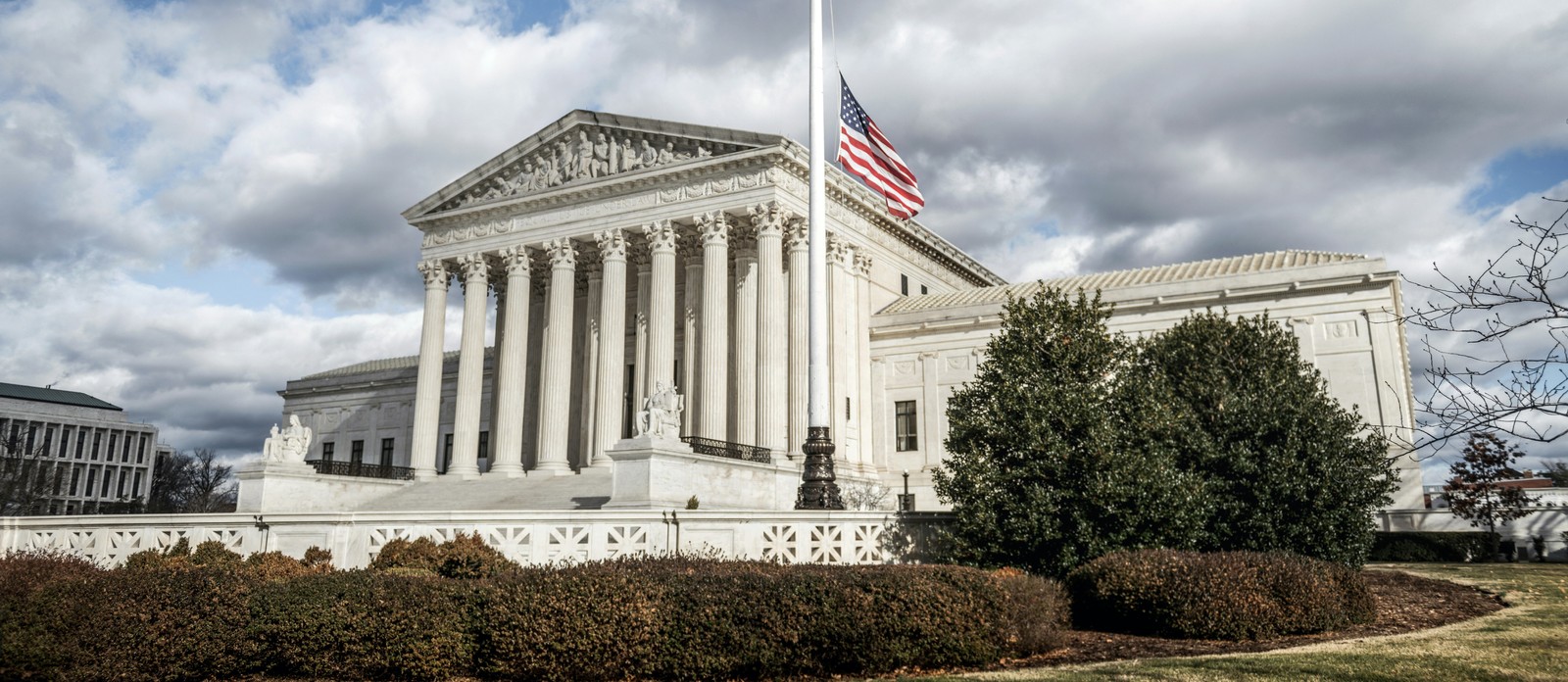
Image: Tim Mossholder

Many of the rights and freedoms Americans enjoy today were shaped by landmark Supreme Court decisions. Desegregated schools are common sense now, but that wasn’t the case until 1954, and free legal counsel wasn’t a reality until 1963. From the creation of judicial review in the early 1880s to historic rulings on education, free speech, criminal justice, and privacy, these cases influenced how the Constitution is interpreted and applied. Behind each decision was a real conflict that reflected the challenges, debates, and social changes of its time.

1
​Miranda v. Arizona (1966)

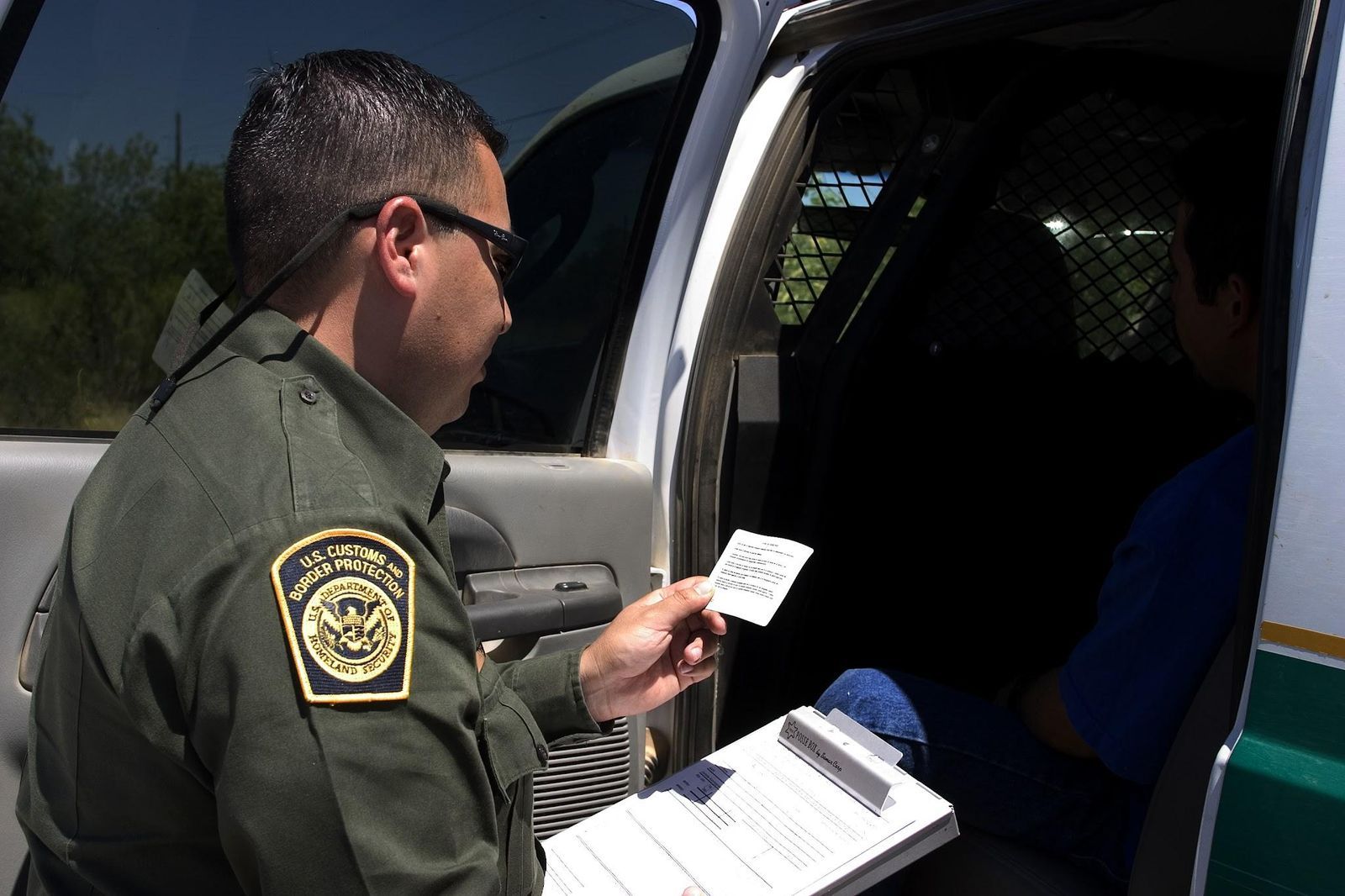
Image: Gerald L. Nino, CBP, U.S. Dept. of Homeland Security, Public domain, via Wikimedia Commons

Every legal TV drama has a "You have the right to remain silent" moment. But that phrase actually became part of American culture thanks to a Supreme Court ruling. In 1963, American laborer Ernesto Miranda was arrested in Phoenix, Arizona, and questioned by police for several hours about a kidnapping and assault case. During the interrogation, officers did not tell him he had the right to remain silent or the right to speak with a lawyer. Miranda eventually signed a confession that was later used to convict him at trial.

His lawyers appealed, arguing that he had not been properly informed of his constitutional rights. In a narrow five-to-four ruling, the Supreme Court agreed. Chief Justice Earl Warren explained that police interrogations place heavy pressure on suspects, making safeguards necessary. The Court ruled that suspects must be informed of their rights before questioning begins. Today, the Mirada Rights warning is one of the best-known legal protections in the U.S.

2
​Brown v. Board of Education (1954)

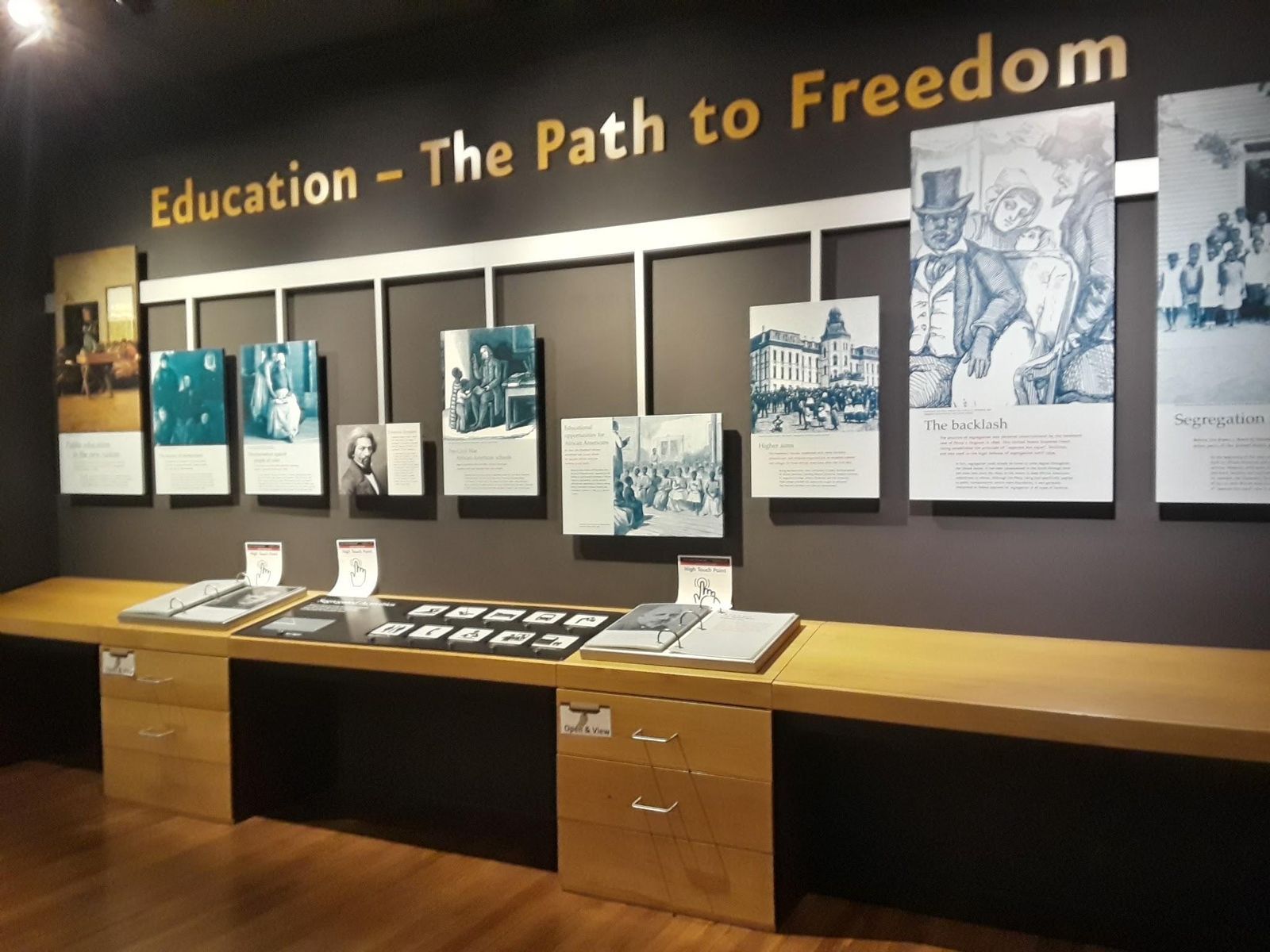
Image: Ser Amantio di Nicolao, CC BY-SA 4.0, via Wikimedia Commons

For many decades, racial segregation in public schools was considered legal under the doctrine "separate but equal." In reality, schools for Black children were often underfunded and unequal in nearly every other way. The issue came to a head in Topeka, Kansas, when Oliver Brown tried to enroll his Black daughter Linda in a nearby white elementary school. She was denied admission because of segregation laws.

Brown joined other families in challenging school segregation with support from the National Association for the Advancement of Colored People, NAACP, whose legal team was led by Thurgood Marshall. The Supreme Court heard arguments from several related cases and faced enormous pressure because of the issue’s national importance. In 1954, Chief Justice Earl Warren delivered a unanimous decision declaring that separate educational facilities are inherently unequal. The ruling overturned earlier legal precedent and became one of the most important decisions in American history, helping launch the modern Civil Rights Movement.

3
​Tinker v. Des Moines (1969)

Image: Eli Hiller, CC BY-SA 2.0, via Wikimedia Commons

During the Vietnam War, protests and political debates spread across the country, including in public schools. In 1965, a group of students in Des Moines, Iowa, decided to wear black armbands to school to protest the war and support a Christmas truce. School officials quickly announced that students wearing the armbands would be suspended. Mary Beth Tinker and her brother John wore the armbands anyway and were suspended from school. Their family challenged the decision, arguing that the students’ First Amendment rights had been violated.

The case eventually reached the Supreme Court, which ruled seven to two in favor of the students. In 1969, Justice Abe Fortas wrote that students do not lose their constitutional rights when they enter a school building. The Court concluded that schools may only limit student expression if it seriously disrupts learning. The ruling became a major precedent protecting peaceful expression in public schools.

4
​Roe v. Wade (1973)

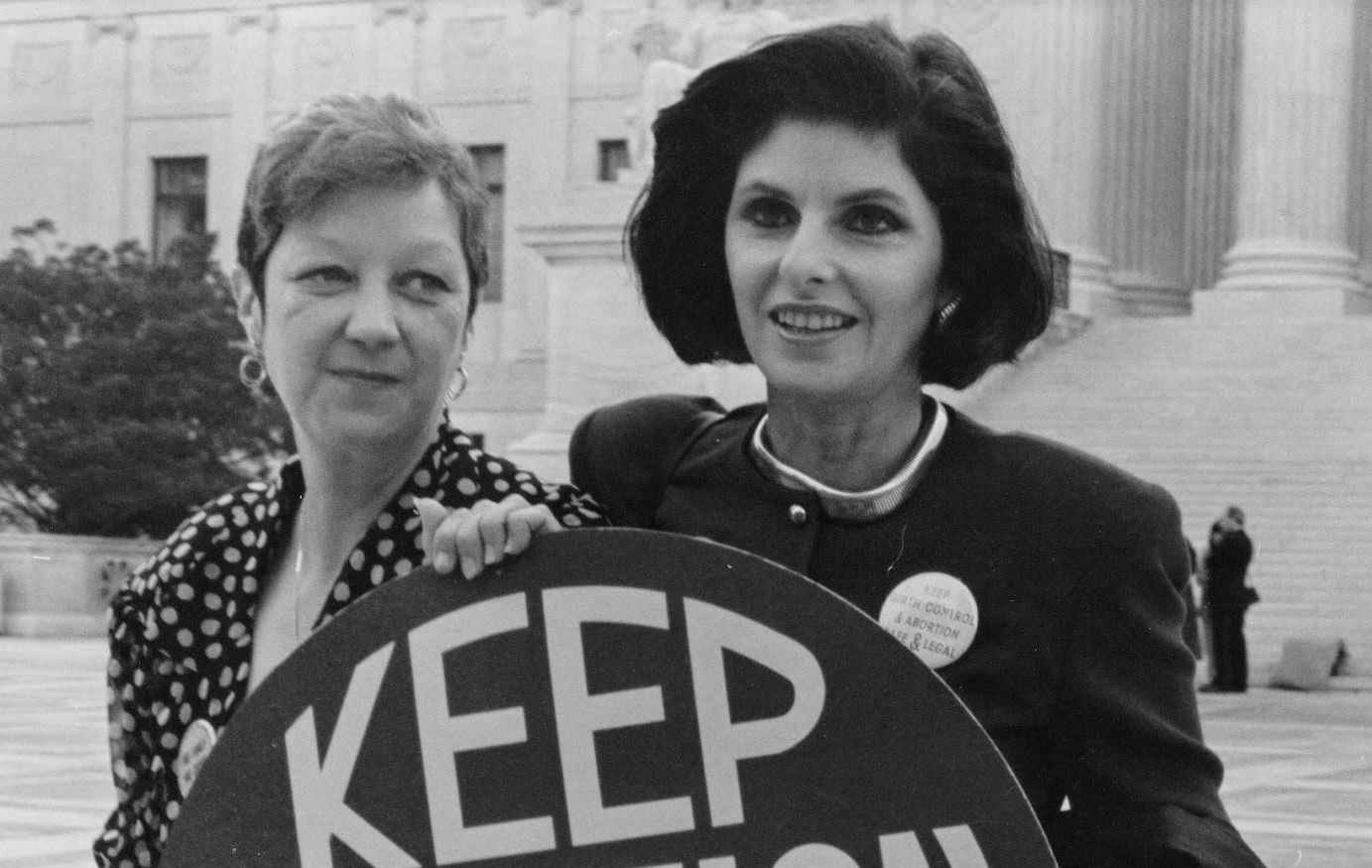
Before Roe v. Wade, abortion laws differed greatly from state to state, and many states severely restricted access to the procedures. The case began when, in 1969, a Texas woman, Norma McCorvey, challenged state laws under the pseudonym "Jane Roe." Texas only allowed abortions in cases where the mother’s life was in danger. Roe argued that the law violated constitutional protections for personal privacy.

The Supreme Court heard the case during a period of growing national debate over reproductive rights and government authority. In 1973, the Court ruled seven to two that the Constitution protects a woman’s right to privacy under the Fourteenth Amendment, including certain decisions about abortion. The justices created a legal framework balancing individual rights with state interests. Roe v Wade continued to be one of the most debated decisions in history. It was overturned by the Supreme Court in 2022 via the Dobbs v. Jackson Women's Health Organization case, which eliminated the federal constitutional right to an abortion and allowed individual states to set their own abortion laws.

5
​Regents of the University of California v. Bakke (1978)
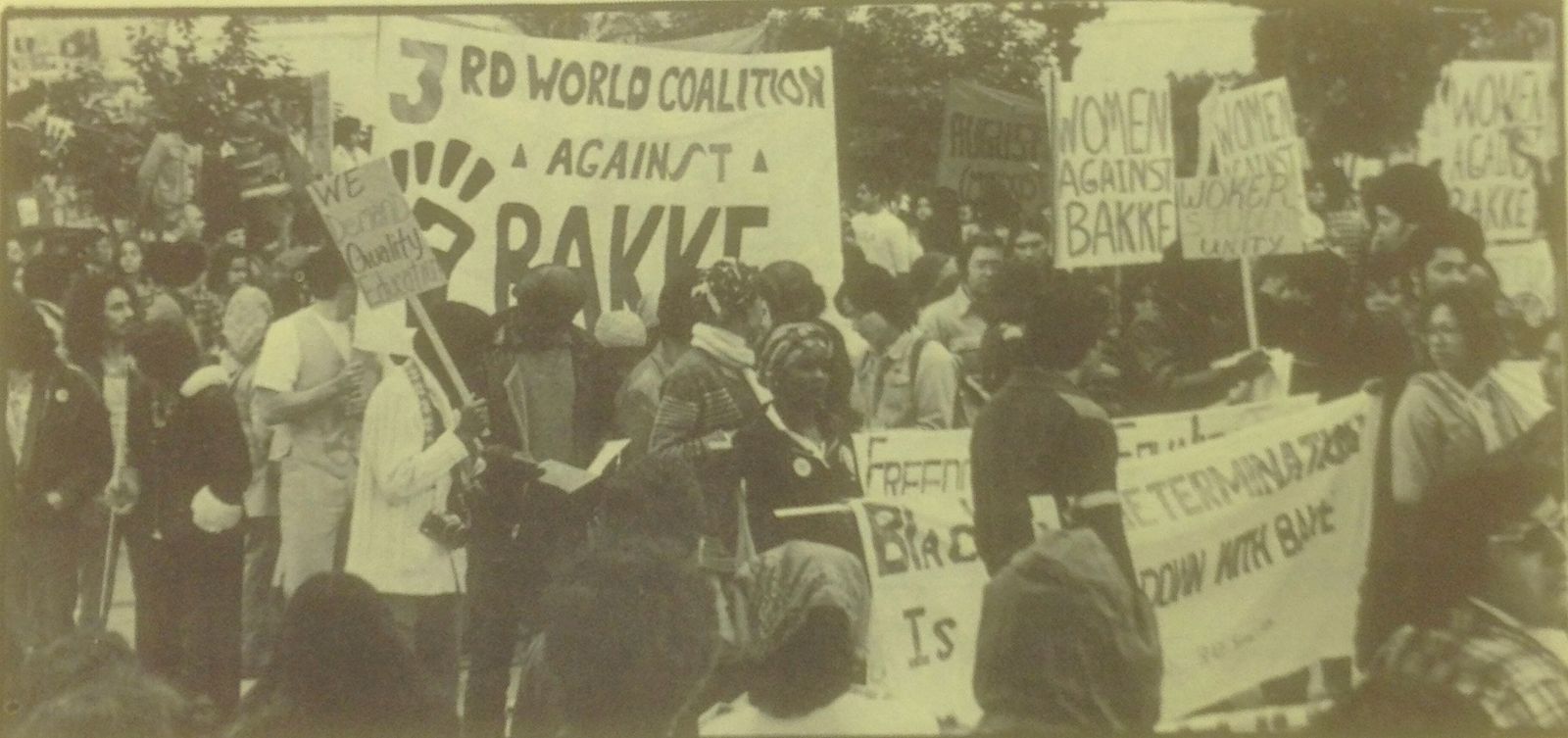
Image: See page for author, Public domain, via Wikimedia Commons

Inequality based on race took all kinds of forms, and school desegregation was just the beginning of a long pursuit of justice and equality. As universities sought to address racial inequality in higher education during the 1970s, affirmative action policies became the subject of national debate. Alla Bakke, a white 30-year-old engineer from California, applied to the medical school at the University of California, Davis, and challenged its admissions program after being denied entry.

Bakke argued that the school’s racial quota system violated the Equal Protection Clause. In 1978, the Supreme Court ruled that strict racial quotas were unconstitutional, but also said race could still be considered as one factor among many in admissions decisions. The ruling shaped college admissions policies for decades. In 2023, however, the Court overturned much of that framework, via Students for Fair Admissions, Inc. v. Harvard College, ruling that race-conscious admissions programs at Harvard and the University of North Carolina violated the Constitution, bringing a major chapter of the affirmative action debate to a turning point.

6
​Gideon v. Wainwright (1963)

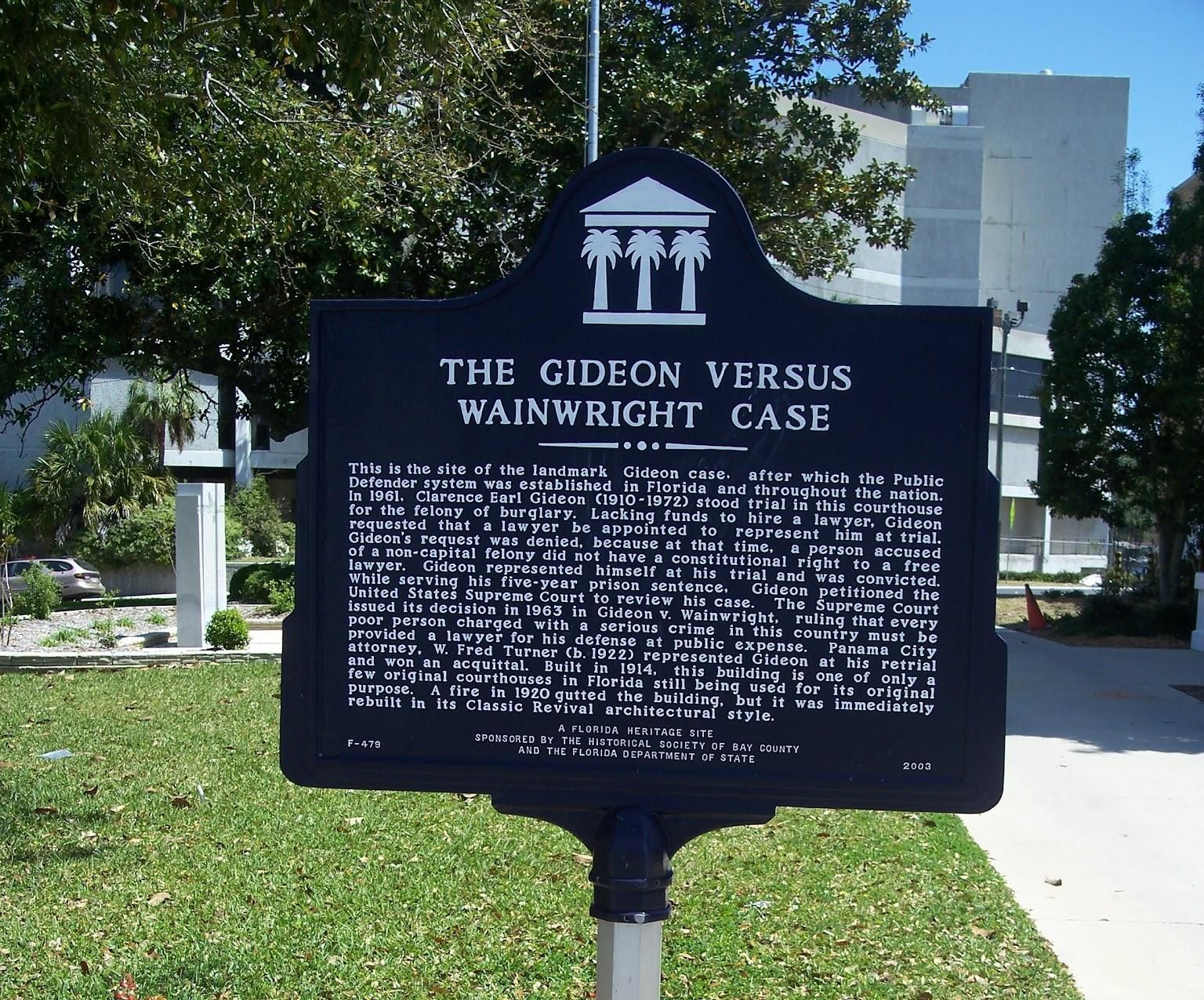
Image: Ebyabe, CC BY-SA 3.0, via Wikimedia Commons

Before 1963, many Americans accused of serious crimes had no guaranteed right to a lawyer if they couldn’t afford one. Clarence Earl Gideon, an impoverished Missourian drifter, learned this firsthand after being charged with burglary in Florida. Too poor to hire an attorney, Gideon asked the court to appoint one for him, but the request was denied because state law only required lawyers in death penalty cases.

While incarcerated, he sent a handwritten petition to the Supreme Court arguing that his constitutional rights had been violated. The Court agreed to hear the case and ruled unanimously in his favor. The Justices declared that the Sixth Amendment guaranteed the right to legal counsel in serious criminal cases and that states must provide attorneys for defendants who cannot afford them. The ruling greatly expanded protections for ordinary citizens in the criminal justice system.

7
​Schenck v. United States (1919)

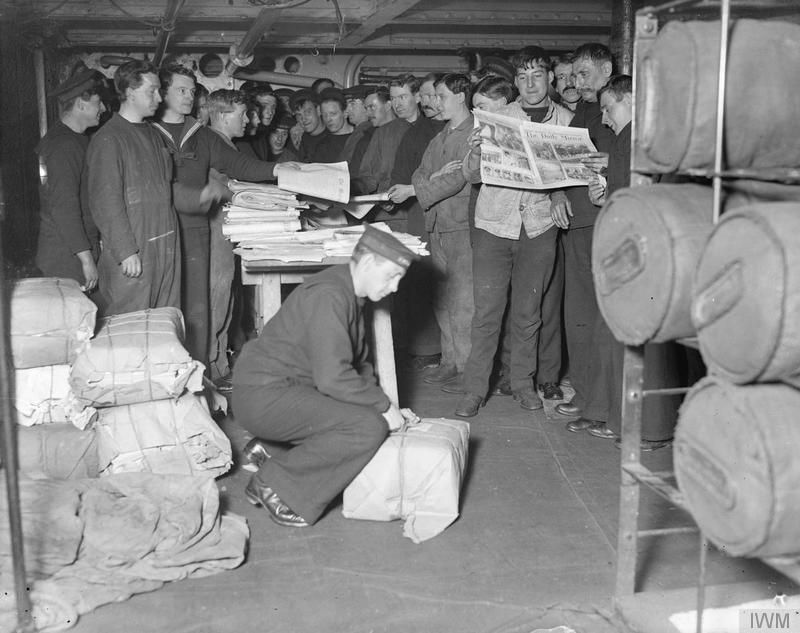
Image: Royal Navy official photographer, Public domain, via Wikimedia Commons

During WWI, the U.S. government became increasingly concerned about opposition to the military draft. Charles Schenck, a leader in the Socialist Party, distributed pamphlets encouraging drafted men to resist military service peacefully. He was arrested under the Espionage Act of 1917 and argued that his actions were protected by the First Amendment. But the Supreme Court didn’t see it that way.

Justice Oliver Wendell Holmes Jr. explained that free speech rights are not unlimited, especially during wartime. In one of the most famous lines in Supreme Court history, Holmes stated that the law would not protect someone falsely shouting "fire" in a crowded theater and causing panic. The Court created the "clear and present danger" test, allowing the government to limit speech that creates an immediate threat to public safety or national security. The ruling became an important balance between civil liberties and public protection.

8
​McCulloch v. Maryland (1819)

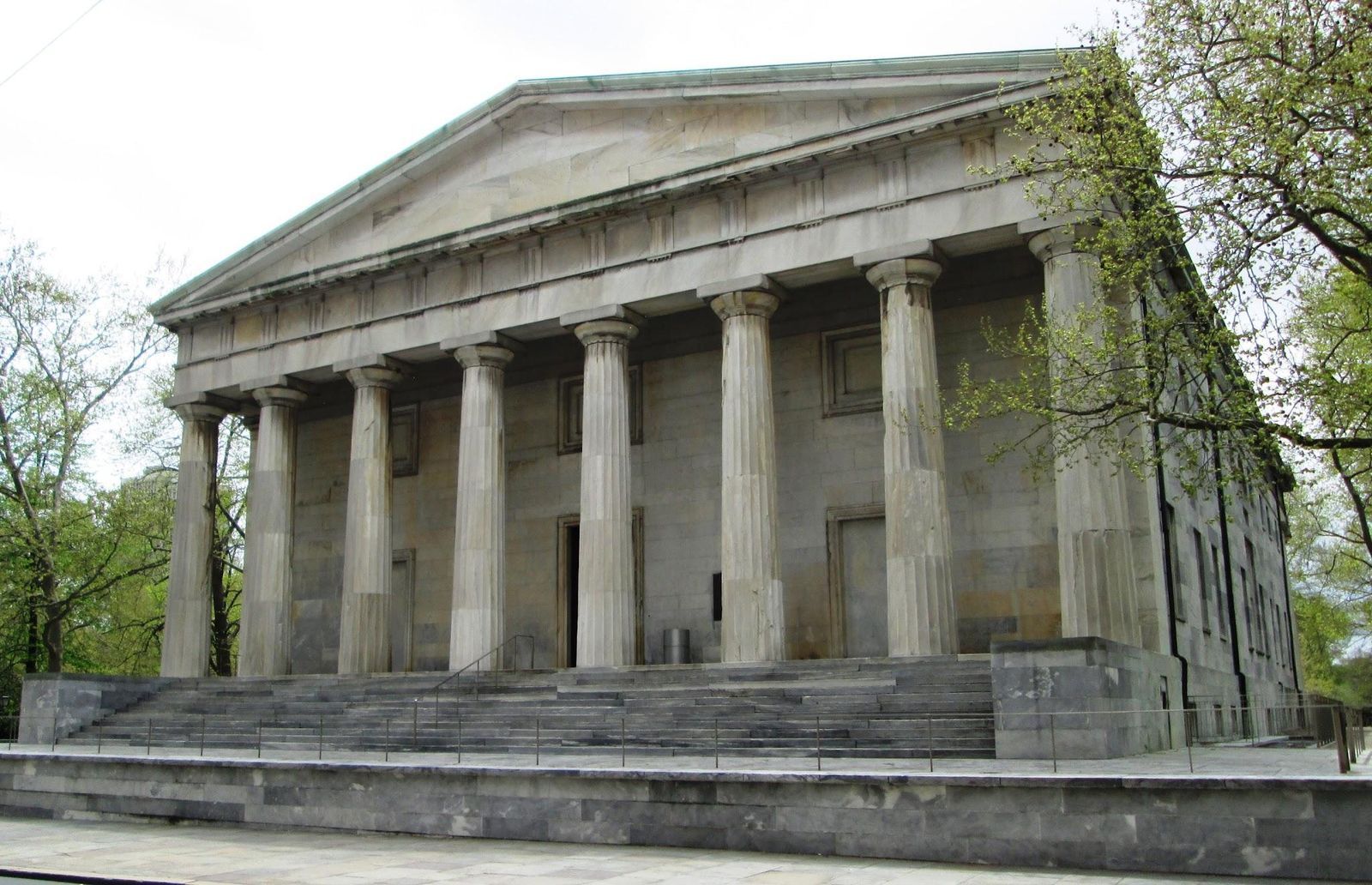
Image: Beyond My Ken, CC BY-SA 4.0, via Wikimedia Commons

In the early years of the U.S., many Americans still viewed their states almost like separate countries. After the War of 1812, in 1816, the federal government created the Second Bank of the United States to help stabilize the economy. Several states opposed the national bank, including Maryland, which placed a heavy tax on it. James McCulloch, who worked at the Baltimore branch of the federal bank, refused to pay the tax , and the dispute reached the Supreme Court.

In 1819, Chief Justice John Marshall ruled that Congress had the authority to create the bank, even though the Constitution did not specifically mention national banks. He explained that the Constitution gives the federal government certain implied powers needed to carry out its duties. The Court also ruled that states could not tax federal institutions. The decision strengthened federal authority and helped create a more stable national economy at a time when the young country was still finding its footing.

9
​Gibbons v. Ogden (1824)

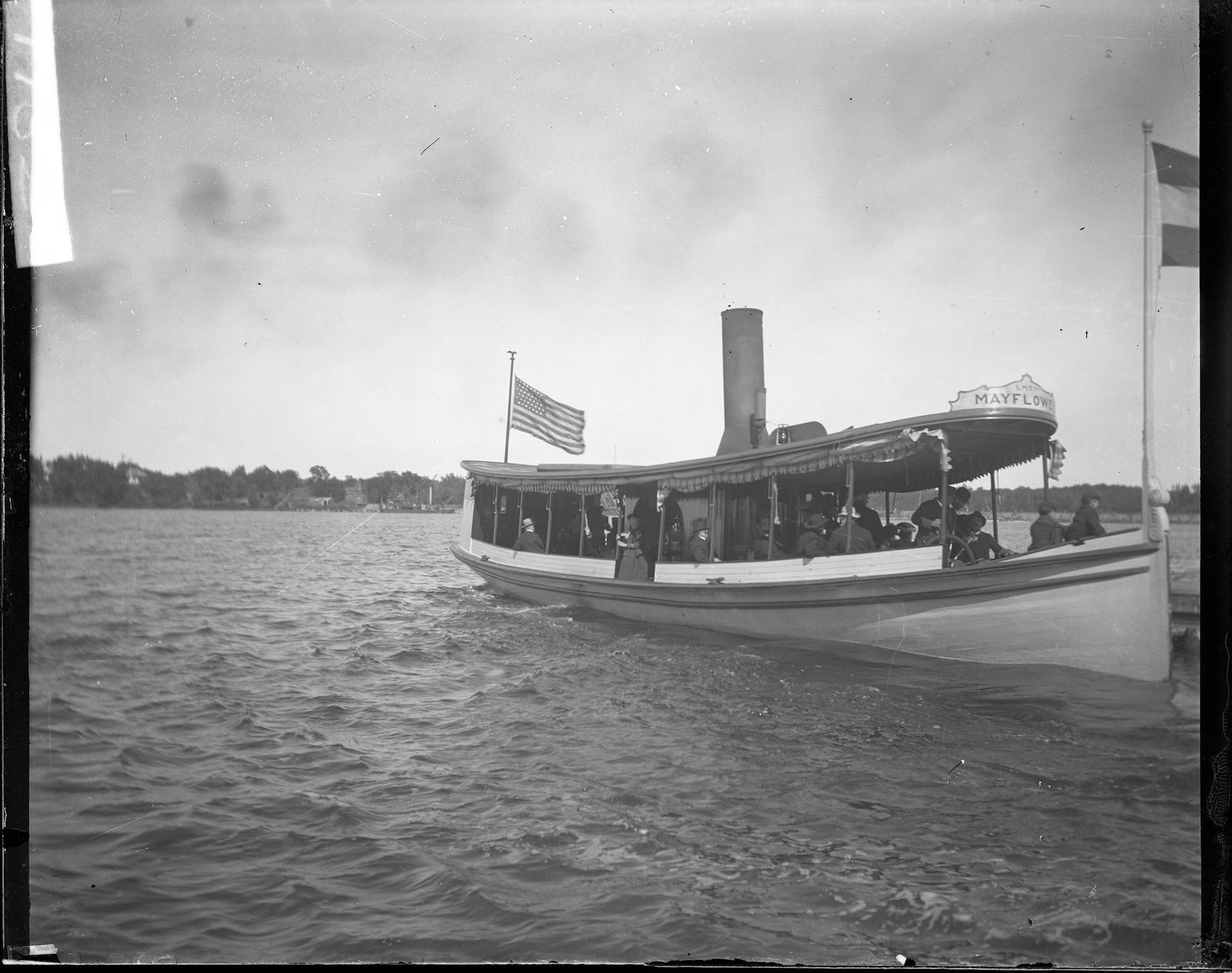
Image: Hennepin County Library, Public domain, via Wikimedia Commons

In the 1820s, steamboats were transforming transportation and trade across the U.S. New York granted a monopoly, giving certain operators exclusive rights to run steamboats on its waters. Aaron Ogden operated a ferry service between New York and New Jersey under that monopoly. Thomas Gibbons began running a competing ferry service using a federal license, leading to a major legal battle. The case raised an important question: Could individual states control interstate trade, or did that authority belong to the federal government?

In 1824, the Supreme Court ruled in favor of Gibbons. Chief Justice John Marshall declared that Congress alone has the power to regulate interstate commerce. The Court also defined commerce broadly to include navigation and transportation. The ruling prevented states from blocking trade across borders and helped create the open national economy Americans know today, making travel and business between states far easier and more consistent.

10
​Marbury v. Madison (1803)

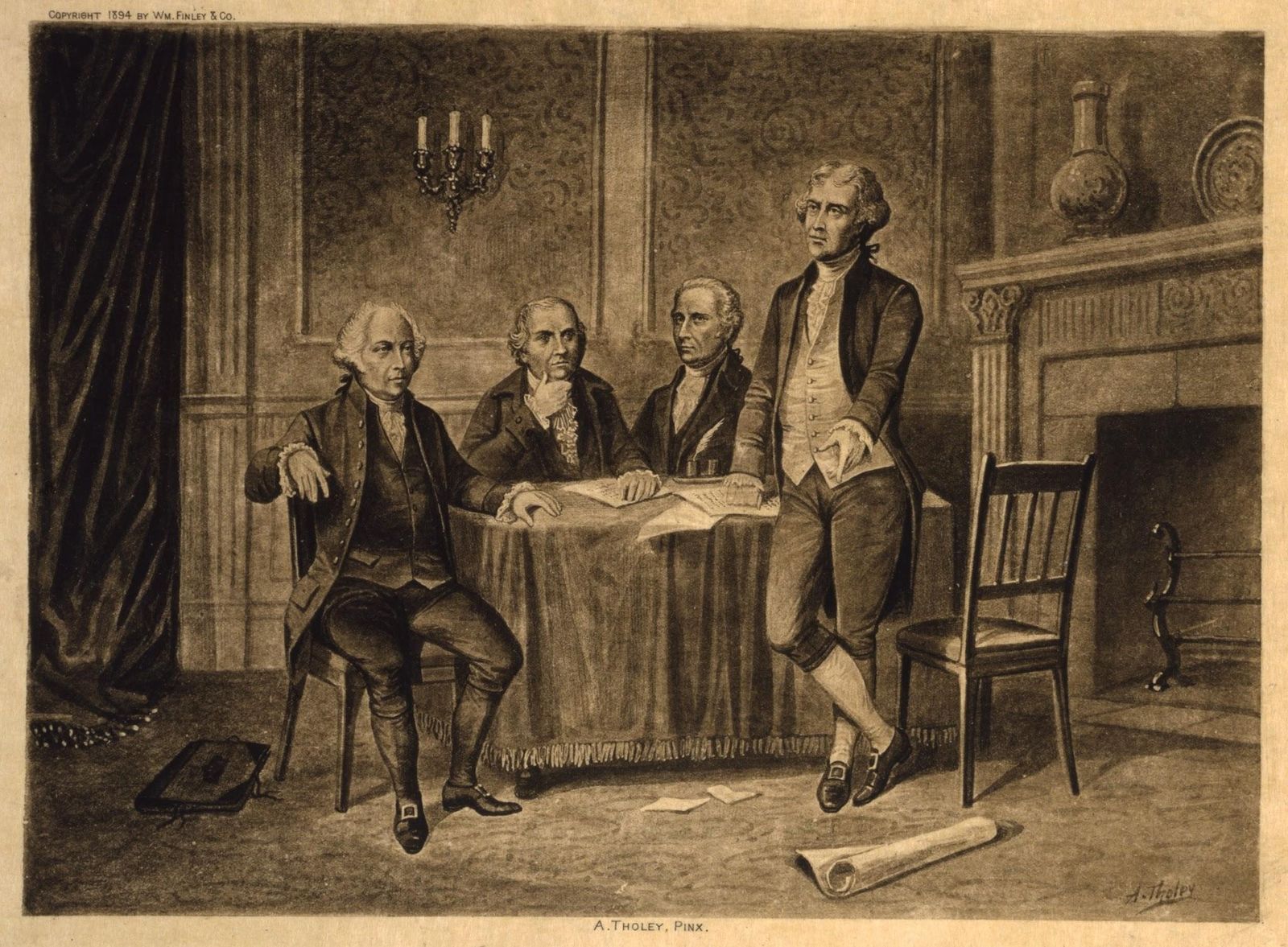
Image: Tholey, A. (Augustus), artist, Public domain, via Wikimedia Commons

Every time Americans expect the Constitution to protect their rights, they are relying on a principle established in Marbury v. Madison. Before 1803, nobody was entirely sure who had the final authority to decide whether a law violated the Constitution. That question arose during a tense transfer of power between Presidents John Adams and Thomas Jefferson. In his final hours in office, Adams appointed several judges, including Maryland businessman William Marbury. Some appointment papers were never delivered before Jefferson took office, and he ordered his brand-new Secretary of State, James Madison, not to hand them over to the appointees.

Marbury sued, asking the Supreme Court to force Madison to deliver the documents. Chief Justice John Marshall ruled that Marbury deserved the position, but the law allowing the Court to hear the case directly was unconstitutional. In doing so, Marshall established judicial review, giving the Supreme Court the power to strike down laws that conflict with the Constitution.

Geography Geography 7 min read

DOMESTIC TRAVEL

Which Of These Local Hotspots Are You Visiting Next?

Image: Nik Shuliahin 💛💙

The reasons why people visit America are one too many to describe in just one article. Even domestic tourism moves millions of people (and dollars) around every single day in the country, and for good reason.

From East to West, North to South, you’ll find every landscape you can think of. But among those thousand landscapes ten cities stand out over the rest and, in this article, we’ll go over each one of them to see what makes them so great and why they are the ten most visited cities in America.

1
Honolulu, Hawaii

Image: Angela Bailey

Entering the heart of the Pacific can transport you to a world unlike any other, and Honolulu certainly lives up to its reputation as a destination for 2.7 million international travelers . With its backdrop of crystal-clear waters and the imposing presence of Diamond Head, nature's wonder is on full display. But Honolulu offers more than just beach vibes ; it's a journey through the rich history of the island chain.

Waikiki Beach draws crowds in droves, its allure immortalized in countless social media posts. And for those seeking a deeper dive into Hawaiian culture, the Bishop Museum stands as a treasure trove of artifacts and stories. Yet, to truly grasp the essence of Hawaii, one must experience the Merrie Monarch Hula Festival.

This place is in eternal improvement, always striving for better experiences for both locals and visitors.

2
Boston, Massachusetts

Image: Kareya Saleh

Boston is one of the most visited cities in the country because it combines the best in history, culture, and innovation. It has a rich past and a bustling present and even if there’s another city that never sleeps, Boston doesn’t stay quiet either.

On the one hand, there are several trails that invite visitors to learn not only about America’s history but also about the diverse communities living within the city and the innovations that society experienced over 400 years. These trails are the Freedom Trail, the Innovation Trail, and the Walking City Trail .

But that is not all, Boston also bustles with sport and athleticism and no visit to Boston is complete until tourists have experienced the Boston Marathon , one of the six Abbott World Marathon Majors.

3
Chicago, Illinois

Image: Sawyer Bengtson

Every year, over a million travelers from overseas flock to Chicago and it’s no surprise why since Chicago has it all.

First let’s talk architecture, just a river cruise tour is enough to drop any visitor’s jaw with the stunning skyline that blends history with modernity in the most picturesque way.

Then there are also museums. The Field Museum, for example, houses a mind-boggling collection of over 40 million artifacts and specimens. Visitors could spend days there and still not see it all! And of course, Millennium Park is a must-visit to look at its iconic Cloud Gate structure, better known as The Bean.

However, no visit to Chicago is complete until one has a slice of pizza or a Chicago-style hot dog! Who doesn’t need one of those to charge up and continue their visit?

4
Washington, D.C.

Image: Maria Oswalt

When travelers decide to include Washington D.C. in their itineraries, there’s not much planning to do, the city itself takes them along the most important spots around.

One can start at the iconic Washington Monument, smack dab in the heart of The Mall. From there, visitors find themselves surrounded by history and landmarks galore. The Lincoln Memorial, the White House, the Jefferson Memorial, and Tidal Basin. If that’s not enough, the Capitol is also there for tourists to see, and of course, the Martin Luther King, Jr. Memorial is a must.

Now, beyond the classics, there are also hidden gems to discover. For example, Planet Word, a funky museum that delves into the origins of language, has been housed in a historic schoolhouse since 2020. And for art lovers, the renovated National Museum of Women in the Arts is back in action.

5
Las Vegas, Nevada

Image: Grant Cai

Las Vegas is a top contender in this ranking because of the different events you can witness there.

For example, the music scene is flourishing with epic concerts that take the stage of The Sphere. But beyond this, Vegas recently made waves with its inaugural Formula 1 Las Vegas Grand Prix and hosting the Super Bowl LVII.

For an unforgettable experience, no visitor can miss the Bellagio Fountains, depicted in many movies and TV shows throughout the years. These stunning water displays, set to music and lights, create a wonderful show right in the heart of Las Vegas.

Another must-see hotspot is the Fremont Street Experience. This vibrant, pedestrian-only street features a massive LED canopy that displays dazzling light shows, live music, and street performers!

6
San Francisco, California

Image: Braden Collum

One visit to San Francisco is not enough, no matter how tight your itinerary is. Considering this, it’s no surprise it made it to the list of most visited cities in the U.S., it is jam-packed with iconic sights and experiences.

Travelers’ must-do list includes a ride on a cable car, a stroll down the famous Lombard Street, and a good view from the top of Coit Tower. Moreover, the Presidio Tunnel Tops has quickly become a favorite hangout spot, while the Landing at Leidesdorff offers cool pop-up cultural events.

If one is after views and sightseeing, crossing the Golden Gate is a plan you just cannot miss out on, its towering red spires against the backdrop of the bay are simply breathtaking. The Golden Gate Park also offers endless beauty to explore since it represents a sprawling oasis in the heart of the city.

7
Los Angeles, California

Image: Venti Views

Los Angeles is the ultimate star-studded destination, drawing in millions of visitors each year. One of the city’s biggest draws is the Hollywood Walk of Fame, where you can stroll along the sidewalk and spot the stars of your favorite celebrities. Nearby, the legendary TCL Chinese Theater stands as a symbol of Hollywood’s golden era.

For thrill-seekers, L.A. houses Universal Studios Hollywood in which you can explore the Wizarding World of Harry Potter and get an inside look at how movies are made on the studio tour.

Of course, no trip to L.A. would be complete without a visit to its iconic beaches . From the bustling boardwalk of Venice Beach to the scenic shores of Malibu, there’s sun, sand, and surf to enjoy aplenty.

8
Orlando, Florida

Image: Aditya Vyas

Orlando is a magnet for families seeking endless fun, drawing millions of visitors worldwide every year. The city's iconic attractions like Walt Disney World, Universal Orlando Resort, SeaWorld Orlando, and Legoland Florida Resort keep the excitement going year-round.

Beyond the theme park thrills, Orlando offers a taste of nature too. Whether it's birding at Gatorland Bird Rookery, kayaking with Epic Paddle Adventures, or zip-lining at Central Florida Zoo & Botanical Garden , there's something for every nature enthusiast.

Plus, for those looking to explore beyond Orlando, the eco-friendly Brightline rail service connects Miami, Boca Raton, and West Palm Beach.

At first sight, Orlando might seem like the perfect place to visit with kids, but it’s actually the perfect scenario for adults and couples on a romantic getaway!

9
Miami, Florida

Image: aurora.kreativ

Miami is more than just beaches and parties, it is a cultural hotspot with endless things to see and do. Sure, South Beach and Ocean Drive are iconic, but Miami offers much more today.

Wynwood, once a neglected area, has blossomed into an art lover’s paradise. The Wynwood Walls boast 35,000 square feet of vibrant murals, making it the trendiest district in town. Don’t miss the Museum of Graffiti or the Nader Art Museum of Latin America.

Miami’s Magic City nickname is well-deserved with attractions like The Underline, a 10-mile-long urban park , opening in phases.

For a unique experience, check out Circ X, an avant-garde performance troupe that pushes the boundaries of traditional entertainment. Their shows are electrifying and unforgettable! Whether you are into art, nature, or luxury living, Miami is ready to receive every kind of visitor!

10
New York City, New York

Image: Thomas Habr

New York City, the Big Apple, or the city that never sleeps, whatever you call it, there’s no denying its status as a global icon. From towering skyscrapers to world-famous landmarks, New York offers a dizzying array of attractions that captivate millions of visitors each year.

Times Square is a classic with its dazzling lights and bustling energy, it is definitely a must for first-time visitors. Take a Broadway show, snap a selfie with the iconic billboards, and soak up the electrifying atmosphere.

For a bird's-eye view of the city, head to the top of the Empire State Building or One World Observatory, the panoramic views are simply breathtaking. And if the views are what you are after, you cannot miss the chance to take a ferry to the Statue of Liberty and Ellis Island. The Fifth Avenue, the Metropolitan Museum of Art, the Guggenheim Museum, and so much more to see!

New York is representative of the rest of the country, it is a melting pot of culture, cuisine, creativity, and more. The Big Apple never fails to leave a lasting impression!

General General 4 min read

American hidden food treasures

10 regional American dishes you've probably never heard of

Image: Petter Boccia

America's culinary landscape stretches far beyond burgers and apple pie. Tucked away in small towns and regional pockets across the country are dishes so obscure that even Food Network hasn't discovered them yet. Let's take a delicious road trip through America's most wonderfully weird regional specialties .

1
1. Goetta (Cincinnati, Ohio)

Image: Austin Ban

Goetta is a mixture of ground meat, steel-cut oats, and spices that Cincinnati has been frying up since German immigrants brought the recipe over in the 19th century. It's pronounced "get-uh," and locals are passionate enough about it to hold an annual Goettafest.

The oats give it a texture that's simultaneously crispy and tender when pan-fried, creating something that's part sausage patty, part savory oatcake. Cincinnatians slice it thick and serve it alongside eggs, or get creative with goetta burgers and sandwiches.

2
2. Pasties (Michigan's Upper Peninsula)

Image: Annie Spratt

The Upper Peninsula of Michigan is practically its own country, and its national dish is the pasty— a handheld meat pie that Cornish miners brought to the copper mines in the 1800s . These aren't dainty; they're hefty D-shaped pockets of pastry stuffed with beef, potatoes, rutabaga, and onions that could double as hand warmers in a blizzard.

The genius of the pasty was its portability and built-in plate. Today, you'll find pasty shops scattered across the U.P., each claiming the most authentic recipe.

3
3. Frito Pie (New Mexico)

Image: Dollar Gill

This isn't plated food— it's literally served in a torn-open bag of Fritos corn chips, topped with red or green chile, cheese, and onions . You eat it with a plastic fork while standing at a high school football game or state fair.

The dish embodies New Mexico's chile-obsessed culture, where "red or green?" is practically the state motto. The Fritos get soggy in all the right ways, absorbing the spicy chile while maintaining just enough crunch to remind you they're there.

4
4. Scrapple (Mid-Atlantic, especially Pennsylvania)

Image: Theme Photos

Scrapple is what happens when Pennsylvania Dutch settlers decided that absolutely nothing from a pig should go to waste. It's a loaf made from pork scraps, cornmeal, and spices, then sliced and fried until crispy .

The texture is distinctive—crispy on the outside, soft and almost pâté-like inside. Philadelphians and Delawareans grow up eating it alongside eggs, though the rest of the country largely treats it with deep suspicion.

5
5. Burgoo (Kentucky)

Image: Artur Kornakov

Kentucky's contribution to the stew hall of fame is burgoo, a thick, slow-cooked concoction that traditionally contained whatever meat was available—sometimes mutton, sometimes squirrel. Today's versions stick to more conventional proteins like chicken, pork, and beef, mixed with every vegetable imaginable in a tomato-based broth.

Burgoo is serious social food, cooked in enormous quantities for church gatherings, Derby parties, and political rallies. The cooking process takes hours, sometimes overnight, until everything breaks down into a thick, hearty mixture that's more texture than individual ingredients.

6
6. Chicken Bog (South Carolina)

Image: Douglas Fehr

It's a one-pot dish of chicken, rice, sausage, and spices cooked together until the rice absorbs all the flavorful liquid . The "bog" refers to the thick, creamy consistency, though no actual wetlands are harmed in the making.

This dish turns up at family reunions, church suppers, and fundraisers throughout the Pee Dee region of South Carolina. It's essentially a drier, heartier cousin of chicken and rice, with smoked sausage adding a smoky punch.

7
7. Tavern Sandwich (Iowa)

Image: Jessica Tan

Iowa's tavern sandwich is what happens when a sloppy joe goes to finishing school. It's seasoned ground beef served on a bun, but unlike a sloppy joe, there's no tomato-based sauce . Just perfectly spiced, slightly steamed ground beef piled high and falling apart in the most dignified way possible.

The sandwich gained fame through the Maid-Rite restaurant chain, founded in Iowa in 1926. The meat is cooked with a secret blend of seasonings and stays loose rather than being formed into a patty.

8
8. Boiled Peanuts (The Deep South)

Image: Tom Herman

These soggy legumes are sold from roadside stands in the Carolinas, Georgia, Alabama, and beyond, often out of slow cookers perched on card tables. They're warm, salty, and utterly unlike any peanut you've eaten at a ballgame .

The texture shocks first-timers—soft and almost bean-like rather than crunchy. You pop open the shell, squeeze the peanuts into your mouth, and toss the hull. Cajun-spiced versions add heat to the mix.

9
9. Runza (Nebraska)

Image: ClickerHappy

Nebraska's state snack is the runza, a rectangular pocket of yeast dough stuffed with seasoned ground beef, cabbage, and onions . German-Russian immigrants brought this handheld meal to the Great Plains, where it became so beloved that an entire fast-food chain bears its name.

The beauty of the runza is its portability and balanced flavors. The sweet, slightly tangy cabbage cuts through the savory beef, all wrapped in soft, golden bread. Nebraskans eat them at football games, after school, and whenever they need portable comfort.

10
10. Slug Burger (Mississippi)

Image: Mike

Mississippi's slug burger has nothing to do with garden pests and everything to do with Depression-era ingenuity. When meat was expensive, cooks in Corinth stretched ground beef by mixing it with flour, potato flakes, or even cornmeal before forming patties and deep-frying them .

Today, this crispy, slightly bready burger remains a regional treasure, especially during the annual Slugburger Festival. The extenders give it a unique texture—crunchier outside, denser inside than a regular burger. It's served on white bread or a bun with mustard, pickles, and onions.

Explore more American facts

Choose your favorite category!

General
General

As American as apple pie—the very best America has to offer!

Culture
Culture

Delve into the astounding richness of American lore.

Geography
Geography

Hop in and explore vast and diverse American landscapes.

History
History

Discover the key moments that shaped the United States.