Culture Culture 4 min read

They said, "No Thanks."

These 10 stars did not accept their awards. And they had their reasons!
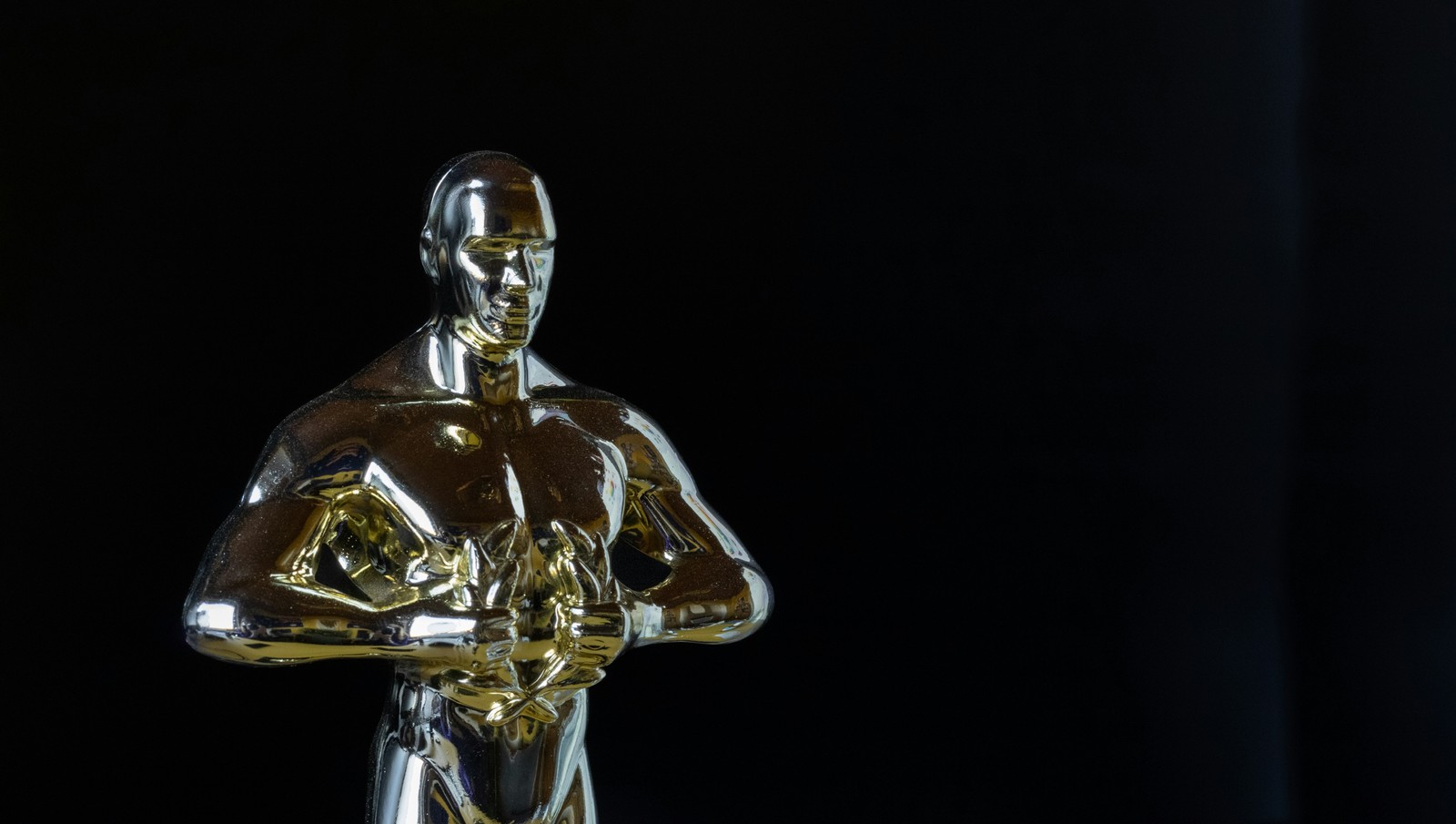
Image: Mirko Fabian

Have you ever imagined yourself winning an Oscar or an Emmy? While that might sound like a dream come true for many people, some stars have actually turned down major awards. From clashes with fellow nominees to political statements, each had their own reasons. Keep reading to discover why these 10 famous stars said "no thanks" to these recognitions.

1
Marlon Brando
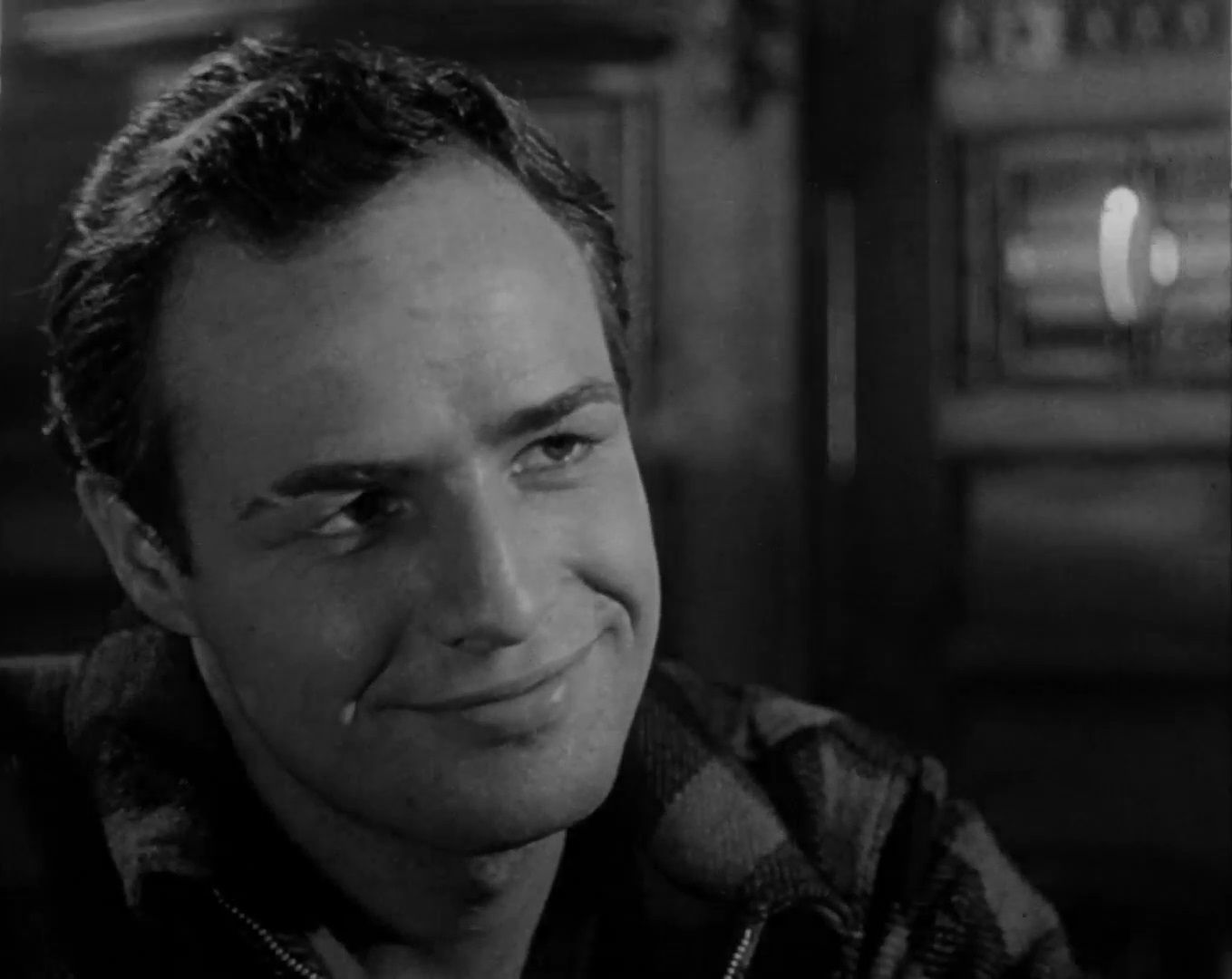
Image: Trailer screenshottrailer at IMDB, Public domain, via Wikimedia Commons

Marlon Brando was one of Hollywood’s most iconic stars, admired for his talent, charisma, and unforgettable roles. He won his first Oscar for On the Waterfront (1954), but things took a very different turn with his second win. When The Godfather earned him another Academy Award in 1972, Brando refused to attend and sent a Native American representative in his place, using the moment to protest Hollywood’s mistreatment and misrepresentation of Indigenous peoples.

2
Tom Cruise
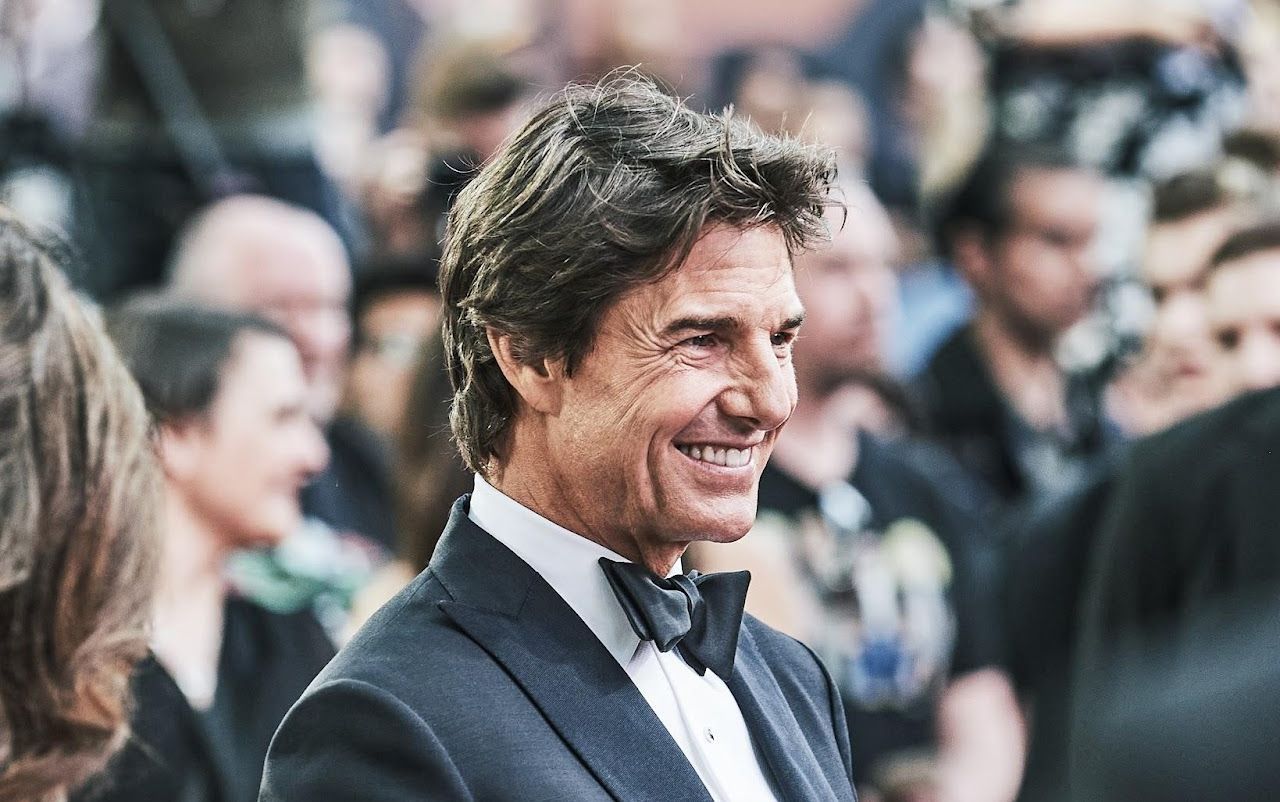
Image: Gabriel Hutchinson Photography, CC BY-SA 4.0 <https://creativecommons.org/licenses/by-sa/4.0>, via Wikimedia Commons

Like many of the actors on this list, Tom Cruise is a global icon whose career has earned him three Golden Globes: Best Actor for Jerry Maguire (1996), Best Actor for Born on the Fourth of July (1989), and Best Supporting Actor for Magnolia (1999). But in 2021, he made headlines for a very different reason: he returned all three awards. According to reports, Cruise did so as a protest against the ethics and lack of diversity within the organization behind the Globes.

3
Woody Allen

Image: Andreas Tai, CC BY-SA 3.0 <https://creativecommons.org/licenses/by-sa/3.0>, via Wikimedia Commons

Woody Allen is known for refusing to participate in awards season, despite earning many nominations throughout his career. With around 24 Academy Award nominations, he has attended virtually none of the ceremonies. He has won four Oscars, but he never went to pick them up, though he did not decline or return them. And it’s not just the Oscars: Allen rarely attends any award ceremonies, including the Golden Globes.

4
George C. Scott
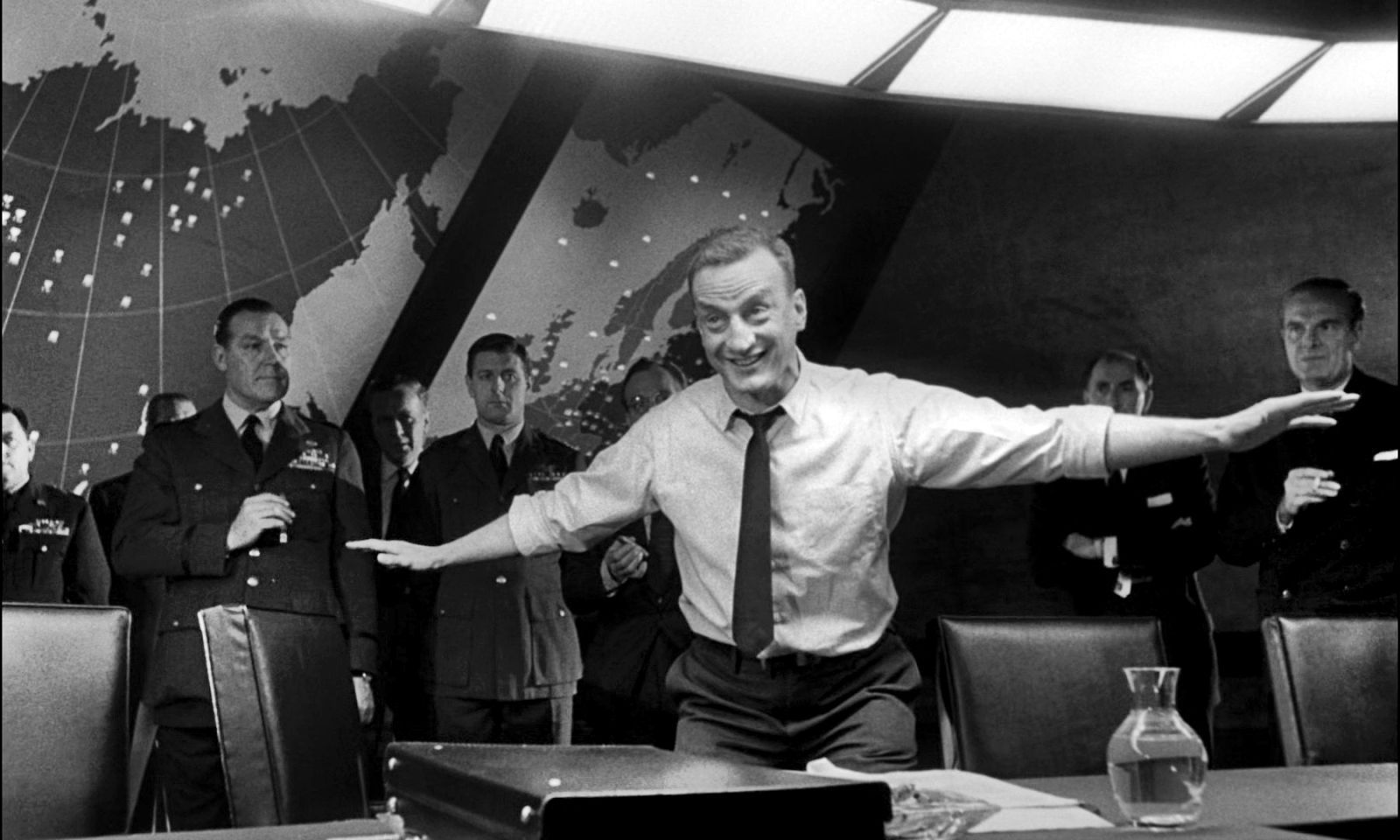
Image: Directed by Stanley Kubrick, distributed by Columbia Pictures, Public domain, via Wikimedia Commons

George C. Scott was one of Hollywood’s great classic stars, celebrated for his powerful work on both stage and screen. And he was also the first actor in history to refuse an Oscar. Not only did he decline nominations for The Hustler (1961) and The List of Adrian Messenger (1963), but he also rejected the Best Actor award he won for Patton (1970). Scott believed that each performance is too unique to be ranked against another, and that art should never be treated like a competition. What do you think?

5
Dolly Parton

Image: https://upload.wikimedia.org/wikipedia/commons/0/08/Dolly_Parton_with_guitar.jpg

Actors aren’t the only ones who turn down awards; musicians do it too. One of them is Dolly Parton, who has declined more than just music honors. She was selected three times for the Presidential Medal of Freedom and turned it down each time. The first two refusals were during the pandemic, and the third came from her concern that accepting might seem politically partisan. In addition, in 2022, she also declined a nomination to the Rock & Roll Hall of Fame, saying she hadn’t yet "earned that right."

6
Katharine Hepburn
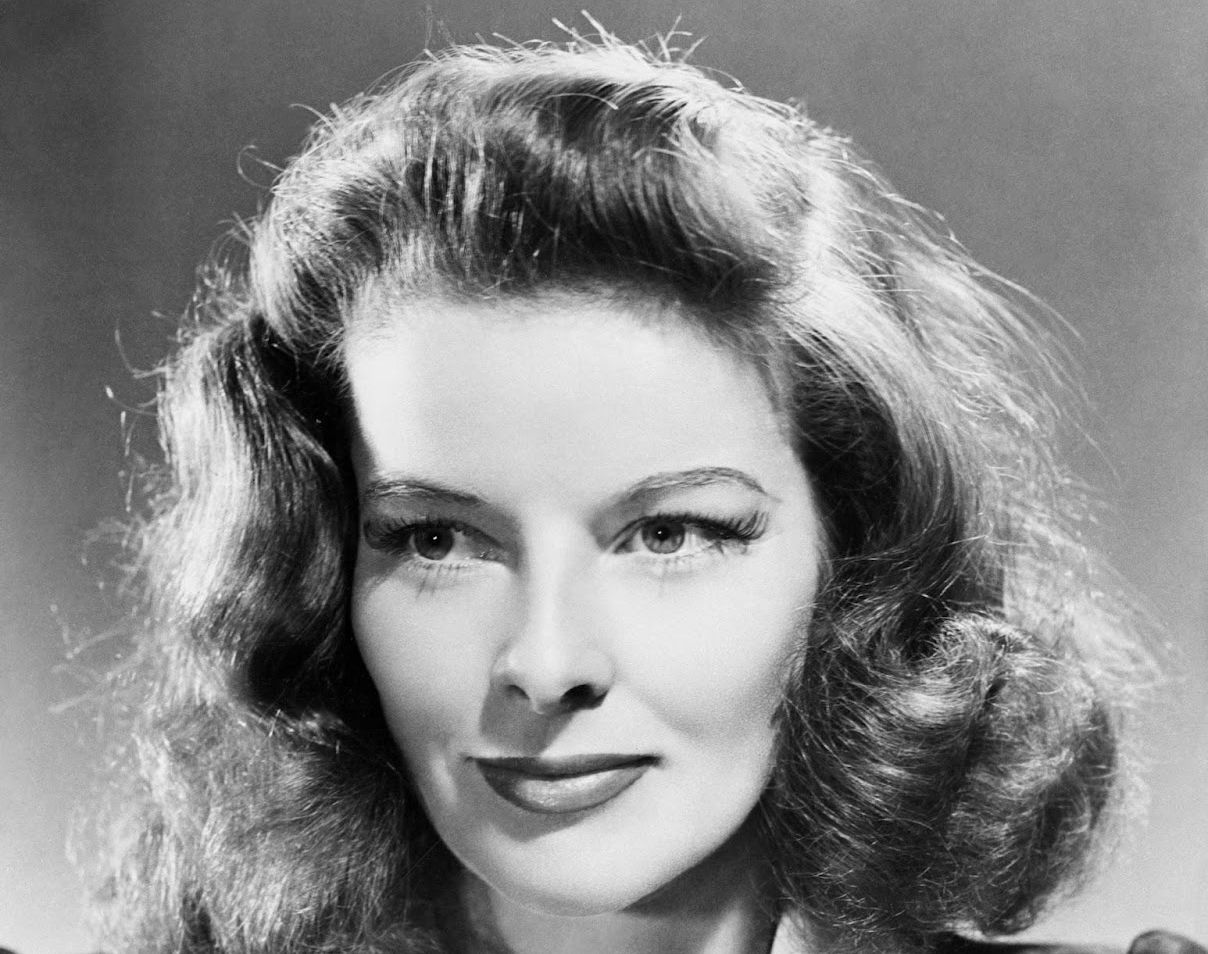
Image: Metro-Goldwyn-Mayer Studios; Restored by Adam Cuerden, Public domain, via Wikimedia Commons

The incredible Katharine Hepburn won four Oscars! But she never showed up to collect a single one. She always sent someone else to accept them on her behalf. In fact, she only attended the Oscars once, and it wasn’t to receive an award but to present one. When asked why she stayed away, she summed it up perfectly: "Awards are nothing; my reward is my work."

7
Julie Andrews
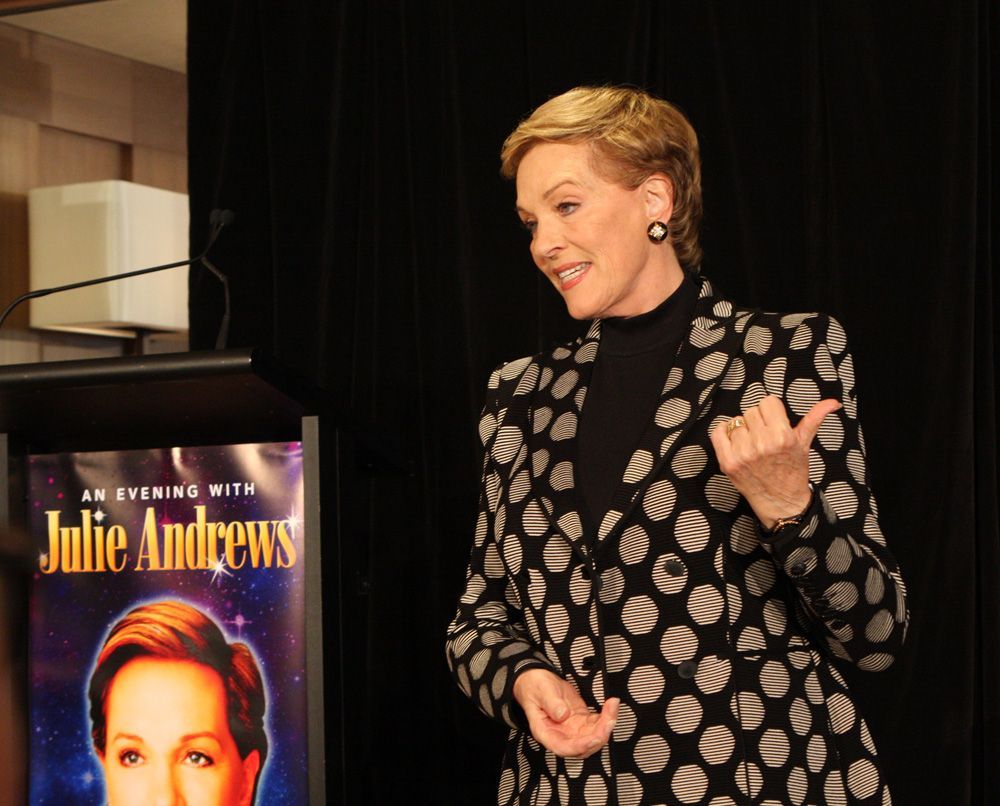
Image: Eva Rinaldi, CC BY-SA 2.0 <https://creativecommons.org/licenses/by-sa/2.0>, via Wikimedia Commons

Born in the United Kingdom, Julie Andrews is adored by Americans for many reasons, including the unforgettable films, such as Mary Poppins (1964) and The Sound of Music (1965). But beyond her cinematic gems, she also built a remarkable career in theater. In 1996, she received a Tony nomination for her role in Victor/Victoria , and chose to decline it. Why? Because she was the only member of the entire cast and production recognized, and she simply didn’t think that was fair.

8
Will Smith
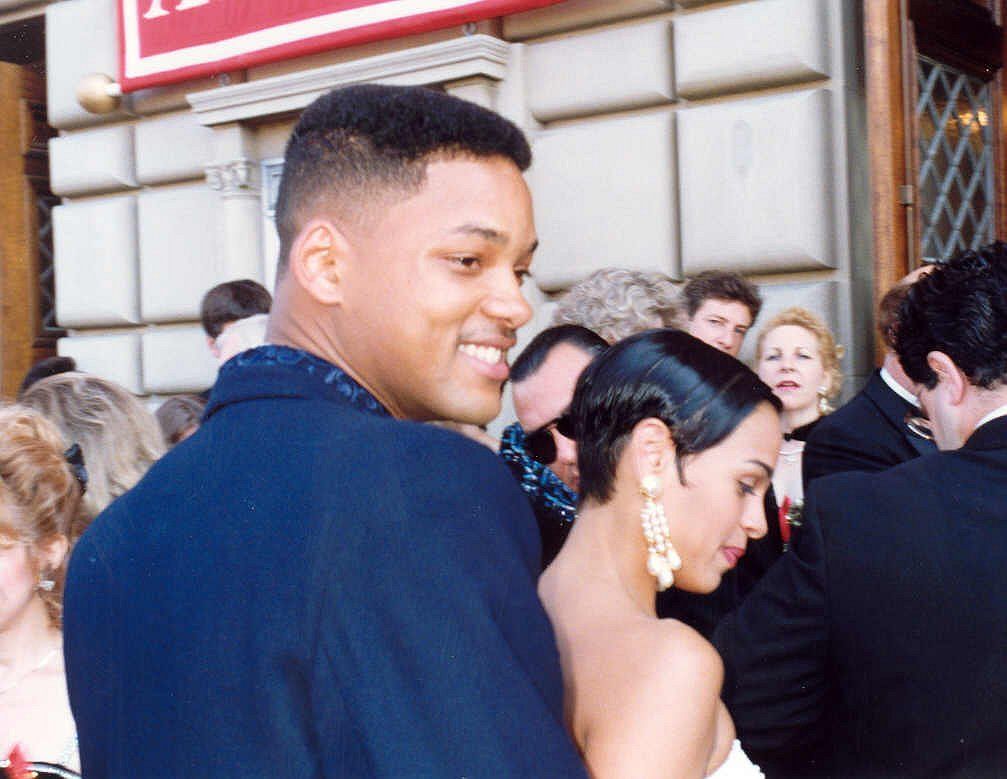
Image: photo by Alan Light, CC BY 2.0 <https://creativecommons.org/licenses/by/2.0>, via Wikimedia Commons

In the late 80s, Will Smith and DJ Jazzy Jeff won the first-ever Grammy for Best Rap Performance. But when they learned that their category wouldn’t be televised, they chose to boycott the 1989 Grammy Awards in protest. They didn’t turn down the award itself, but their stand made an impact: the following year, the rap category was broadcast on air, finally receiving the same visibility as the others.

9
Sinéad O'Connor

Image: Globe photo/Dave Shea, Public domain, via Wikimedia Commons

Sinéad O'Connor was world-famous, and in America, we remember her mainly for the unforgettable hit "Nothing Compares 2 U." As a passionate activist, she carried her convictions into her career choices, which led her to turn down her Grammy nomination. She specifically asked that her name be withdrawn, arguing that the Grammys were too commercial and rewarded popularity over ethics, artistry, and musical integrity.

10
Nick Cave
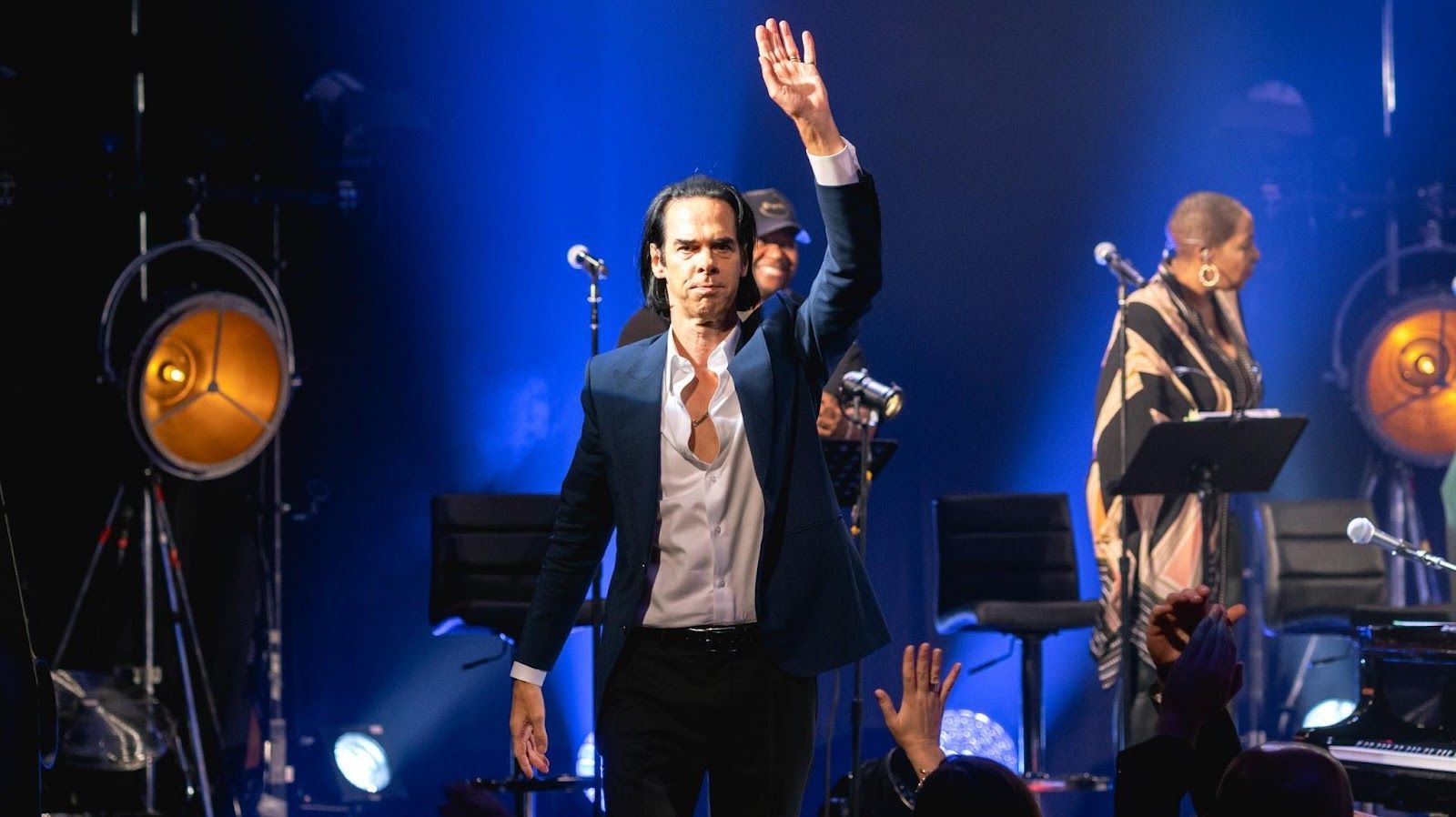
Image: Raph_PH, CC BY 2.0 <https://creativecommons.org/licenses/by/2.0>, via Wikimedia Commons

Australian artist Nick Cave declined his nomination for Best Male Artist at the 1996 MTV Video Music Awards. He even sent a formal letter asking that his name be withdrawn, famously saying: "My muse is not a horse, and I am not in any horse race."


Geography Geography 4 min read

Famous mottos

What does "Dum Spiro Spero" truly mean? The story behind iconic mottos!

Image: Roszred

State mottos reflect the identity and values of each US state, often appearing on flags, monuments, and even license plates. But with 50 states, remembering all of them can be a challenge! Think you can do it? Put your patriotism to the test and see if you can match these 6 mottos to their respective states . Let’s play!

1
"Sic Semper Tyrannis"

Image: Scott Pruett

You’ve probably come across this motto many times—it belongs to one of the most historically significant states in our country. In fact, this state is sometimes called the "Mother of States"!

Eight U.S. presidents were born here, including none other than George Washington himself. Can you guess which state we’re talking about?

2
"Excelsior"

Image: Matheus Cenali

Many iconic landmarks make this state one of the most famous—Times Square, Broadway, and Wall Street, to name a few. It’s also known for its apple and maple syrup production.

When it comes to history, this state played a fundamental role. The Federalist Papers , which helped shape the Constitution, were written here! We bet you know which state we’re talking about—don’t you?

3
"Live Free or Die"

Image: Brian Wangenheim

Home to Mount Washington, this state is renowned for its stunning landscapes. Its impressive quarries and granite formations earned it the nickname "The Granite State."

This state played a key role in the American Revolution , serving as an early center of resistance against British rule. It later became the ninth state to ratify the US Constitution. So, what's your guess?

4
"Dum Spiro Spero"

Image: Dylan Mullins

This state is home to historic Fort Sumter, where the American Civil War officially began . It’s also the birthplace of Andrew Jackson, the seventh US president—though some historical debate remains.

On the other hand, this US state is known as "The Palmetto State" for its beautiful palmetto trees, which are also featured on its flag. Think you've got it?

5
"Friendship"

Image: Lori Stevens

Known as "The Lone Star State," this state was once an independent republic before joining the US. It’s home to the Alamo , the historic site of a pivotal battle in its revolution.

In addition to Presidents Dwight D. Eisenhower and Lyndon B. Johnson, famous figures like Beyoncé and Farrah Fawcett were also born here!

6
"Eureka"

Image: Jake Blucker

This is the splendid motto of a state famous for its wine and citrus fruit production. It's also considered a tech hub for being home to the iconic Silicon Valley, a global center for tech innovation.

Known as "The Golden State," it boasts famous landmarks like the Hollywood Walk of Fame and the Hollywood Sign. Got the answer?

7
"Sic Semper Tyrannis": Virginia

Image: Richard Hedrick

You got it right! Sic Semper Tyrannis is Virginia’s state motto, meaning "Thus always to tyrants" in Latin. Chosen in 1776, this phrase symbolizes Virginia’s historic stand against tyranny, reflecting its key role in the Revolutionary War.

8
"Excelsior": New York

Image: Luke Stackpoole

If you guessed New York, congratulations! Excelsior , meaning "Ever Upward" or "Higher," has been the state’s motto since 1778 . True to its meaning, New York chose this motto to symbolize its relentless ambition and drive for progress. Did you know that?

9
"Live Free or Die": New Hampshire

Image: The New York Public Library

New Hampshire adopted "Live Free or Die" as its official state motto in 1945. The phrase was coined by General John Stark , a hero of the American Revolutionary War . In 1809, Stark was invited to an anniversary reunion of the Battle of Bennington, where he had fought and led New Hampshire militiamen. Unable to attend due to poor health, he sent a letter with his toast: "Live free or die: Death is not the worst of evils."

10
"Dum Spiro Spero": South Carolina

Image: Leo Heisenberg

Dum Spiro Spero is South Carolina’s official state motto! Officially adopted in 1776, this Latin phrase means "While I Breathe, I Hope." Pretty inspiring, isn’t it? But that’s not all—South Carolina actually has 2 mottos ! The other, also adopted in 1776 and engraved on the original Great Seal, is Animis Opibusque Parati ("Prepared in Mind and Resources").

11
"Friendship": Texas

Image: Avi Werde

Texas chose a powerful word as its state motto! "Friendship" has symbolized Texas since 1836, when it declared independence from Mexico and became a republic. The motto remained even after Texas joined the US in 1845 .

Representing the state’s unity and diplomatic intentions, the word was officially adopted as the state motto in 1930 .

12
"Eureka": California

Image: Maarten van den Heuvel

You were right! Eureka is California’s state motto, meaning "I have found it" in Greek. But why this phrase? Well, California's state motto takes inspiration from the Gold Rush that kicked off in 1848, after the precious metal was discovered in the state's lands.

History History 4 min read

Sip back in time

Ombibulous times: Talking the talk of prohibition

Image: Moussa Idrissi

Back in the 1920s, when alcohol was outlawed but far from out of reach, people got creative—not just with cocktails, but with their lingo, too. From secret bars to shady drinks and sly lawmen, the Prohibition era brewed up a whole dictionary of clever slang. Some of these phrases are still with us today, while others sound like something out of an old gangster flick. Let’s raise a (legal) glass and dive into the wild vocabulary of the dry years!

1
Giggle water

Image: Tristan Gassert

Sounds fun, doesn’t it? "Giggle water" was slang for champagne, but later came to mean any kind of alcoholic drink that made you feel good.

The term popped up around 1910 and hung around well into the ’20s. Lighthearted and cheeky, it captured the mood of a tipsy good time. It was all laughs—until the next morning.

2
Blind pig

Image: Annie Spratt

A "blind pig" was code for an underground bar, or speakeasy, where patrons paid to see an "exotic animal" and conveniently received a cocktail with the show. This ruse was an early attempt to skirt the law. The term dates back to the 1800s and had a cousin in crime: the "blind tiger." No matter the name, nobody was there to admire animals—they came for the booze.

3
Juice joint

Image: John Hernandez

At first glance, this might sound like a fruit stand. But during the 1920s, a "juice joint" was slang for a speakeasy—especially the more modest ones. However humble, they had it all: music, dancing, and definitely drinks, legal or not.

The name originally referred to soda stands, but it didn’t take long before it meant something much stronger. If you were thirsty during the dry years, this was a must-stop.

4
Jake walk

Image: Ve al perfil de Andreas M Andreas M

Here’s a sobering one. "Jake" was shorthand for Jamaican ginger extract, a legal tonic with high alcohol content. But manufacturers altered it to skirt regulations—and the results were tragic. Drinkers developed a distinct limp from nerve damage, called the "Jake walk" or "Jake leg." Thousands were affected, especially in the South. It became both a medical crisis and a dark symbol of the risks people took to sneak a drink.

5
Ombibulous

Image: Kelsey Chance

Writer H.L. Mencken had a way with words—and a taste for booze. In 1920, he dubbed himself "ombibulous," meaning he happily drank anything alcoholic, no matter what. He was also known for calling bootleggers "booticians," always with a wink. A strong critic of Prohibition, Mencken turned his drinking habits into witty declarations.

6
Needle beer

Image: Wil Stewart

You know the drill: desperate times, desperate measures. Some barkeeps took regular beer, injected it with alcohol via a syringe through the cork, and served it up as the real deal. This DIY hack became known as "needle beer." It was risky and often poorly mixed, but in an era when options were slim, creativity was all people had. Probably not the safest pint you ever drank, though.

7
Brick of wine

Image: Kym Ellis

Yes, really! You could buy a block of grape concentrate, add water, and wait—voilà, wine! These "bricks" came with an ironic warning not to store them in a cool, dark place (wink, wink), or they might "accidentally" ferment. For wine lovers who craved a glass during the dry years, this was a sly workaround. Just add water, patience, and a sense of humor, of course!

8
Bathtub gin

Image: Bjarne Vijfvinkel

Not a flavor—a method. "Bathtub gin" referred to homemade hooch often mixed in, you guessed it, a bathtub. Tall bottles didn’t fit under sink taps, so a larger space was needed. We’ve said it before, and we’ll say it again: how creative could they get?

The quality varied wildly, and safety wasn’t exactly guaranteed. However, it became the generic term for all sorts of homebrewed booze.

9
Teetotaler

Image: Jessica Smith

This word originated before Prohibition but got plenty of use during it. A "teetotaler" is someone who avoids alcohol entirely. The term comes from the emphatic "T" in "total abstinence." It gained popularity thanks to temperance movements in the 1800s, long before the ban was official. While others were sneaking into blind pigs, teetotalers were proudly saying, "Thanks, but no thanks."

10
Dry

Image: engin akyurt

If you were "dry," you were all in on Prohibition. Drys supported the ban, and dry counties banned alcohol completely. Agents who enforced the law were often called "dry agents." The term became both a political and cultural identifier. You were either dry or...

11
Wet

Image: CHUTTERSNAP

...you were wet. A "wet" person supported legal alcohol sales, plain and simple. Wet cities and counties allowed booze to flow, and many Americans never bought into the dry movement. The wet/dry divide wasn’t just about drinks—it represented a much larger cultural clash. And as we know now, the wets eventually won.

12
Whale

Image: Todd Cravens

Not a sea creature, but someone who could drink like a fish. A "whale" was a heavy drinker, often the life of the party and the last one standing. Whether at a juice joint or speakeasy, whales had reputations to uphold. The term lives on today in gambling circles, too—but back then, it was all about your booze tolerance.

Explore more American facts

Choose your favorite category!

General
General

As American as apple pie—the very best America has to offer!

Culture
Culture

Delve into the astounding richness of American lore.

Geography
Geography

Hop in and explore vast and diverse American landscapes.

History
History

Discover the key moments that shaped the United States.