Culture Culture 4 min read

Words of wisdom

The words of these 10 Americans will forever live in history!

Image: Emmanuel Ikwuegbu

Quotes have the magical property of allowing us to learn, enjoy, and marvel at the minds of some of the greatest thinkers in our history. It doesn’t matter when or where, we can all learn a thing or two from these wonderfully crafted words. With that in mind, we have decided to celebrate the ingenuity and intelligence of some of the most prominent Americans in history by highlighting some of their best quotes. So, without further ado, enjoy the wisdom that these 10 Americans have to offer!

1
"Float like a butterfly, sting like a bee" - Muhammad Ali

Image: Johann Walter Bantz

Much like his innate and groundbreaking boxing technique, legendary boxer Muhammad Ali had a way with words: He was able to craft sharp and insightful commentary in interviews and press conferences. In that sense, Ali was able to perfectly summarize his incredible fighting style with a short and simple phrase, in what’s probably his most famous quote: In 1964, before his iconic fight with Sonny Liston, a 22-year-old Ali stated that he would "float like a butterfly, sting like a bee".

2
"America is another name for opportunity" - Ralph Waldo Emerson
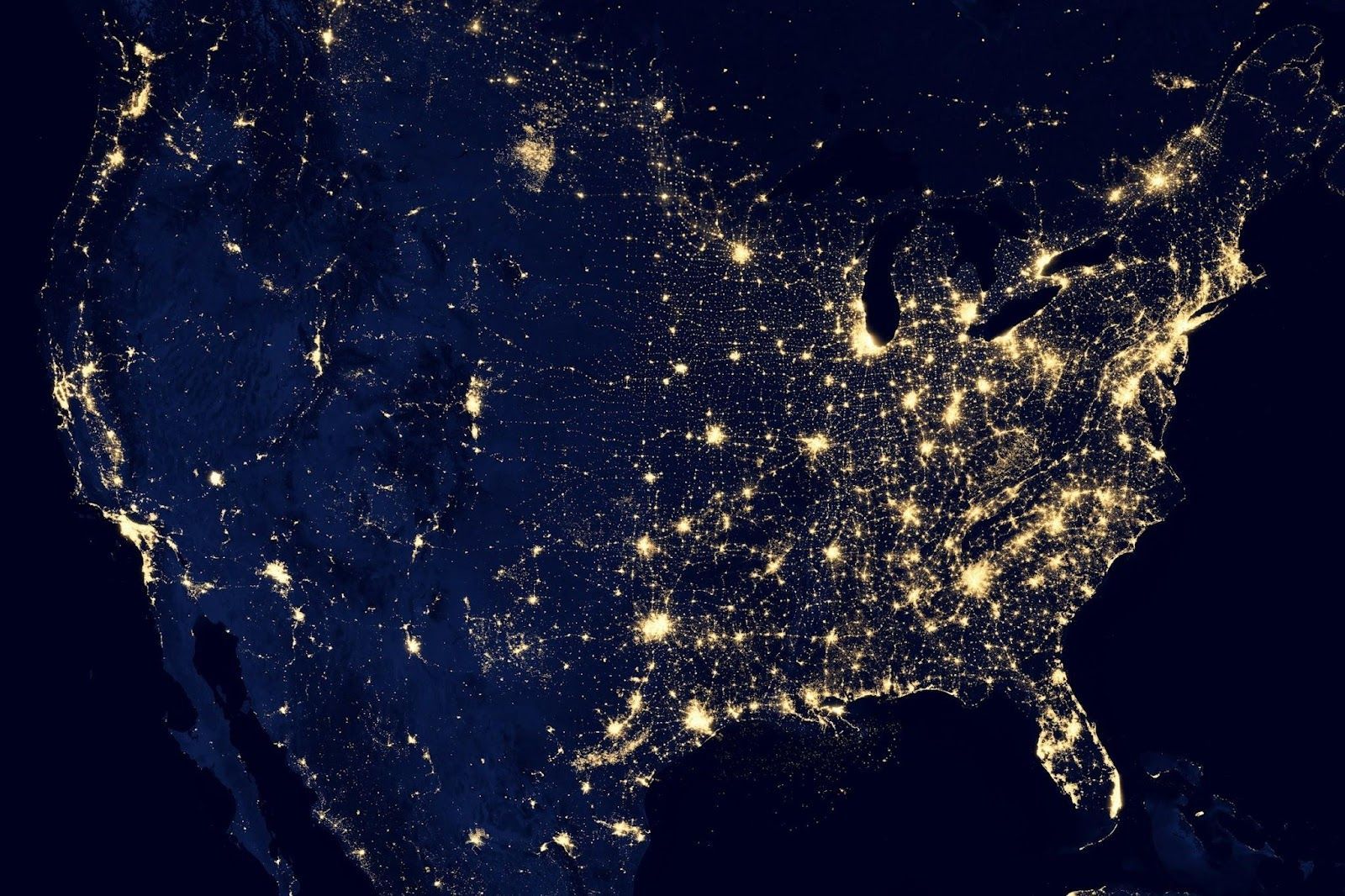
Image: NASA

Ralph Waldo Emerson was one of the most influential and groundbreaking American poets in history. It is no small praise for Walt Whitman to refer to Emerson as "his master", nor for Friedrich Nietzsche to call him "the most gifted of the Americans". Emerson’s collection of essays and writings gives us a glimpse into the quick wit and way of words this American had, so it stands to reason that the Emerson quote we chose for this article showcases his brevity and resourcefulness: "America is another name for opportunity".

3
"I have a dream" - Martin Luther King, Jr.
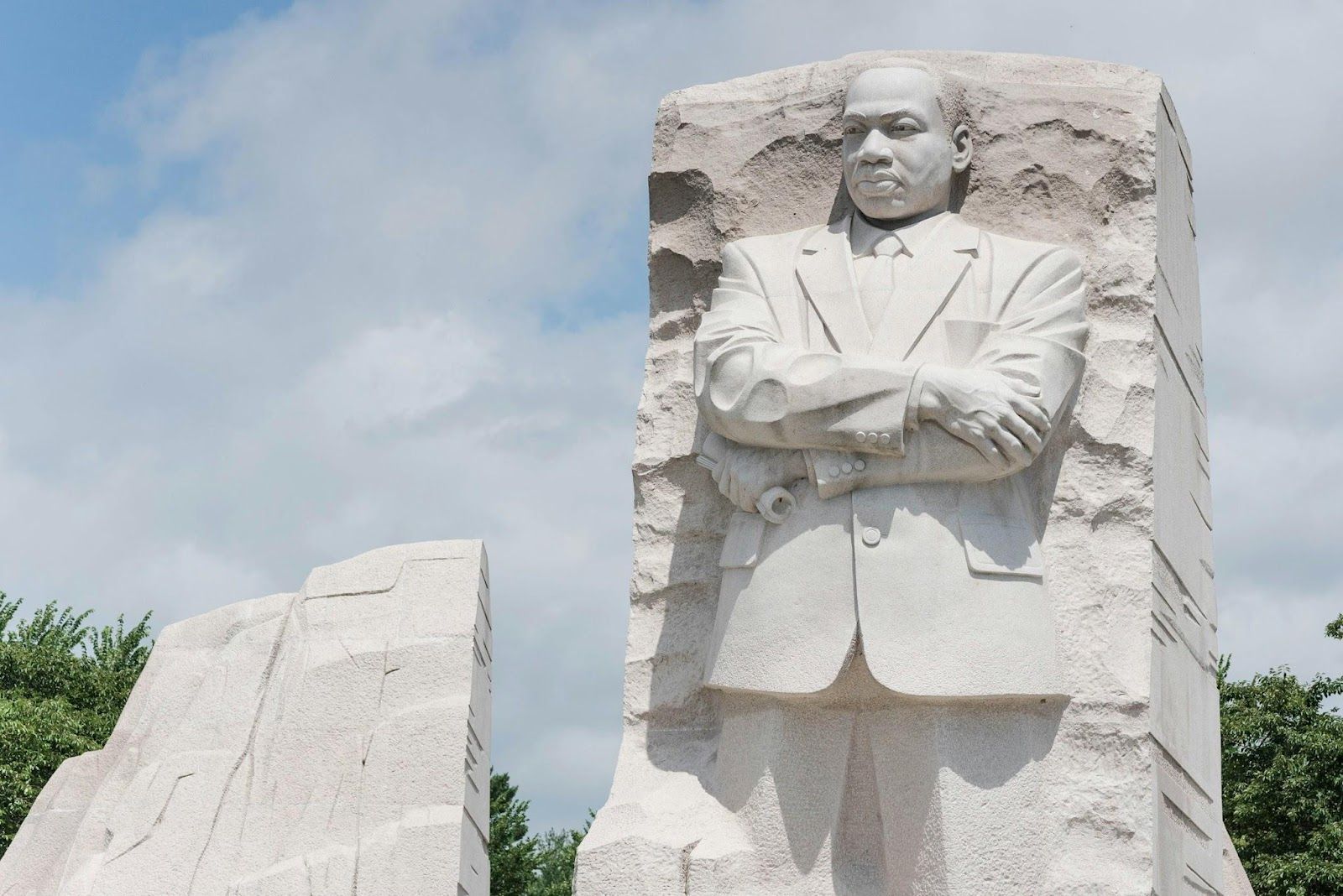
Image: Elizabeth Villalta

Not many know this, but Martin Luther King’s most famous quote came from a sudden moment of inspiration: Standing in front of over 250,000 supporters from the steps of the Lincoln Memorial, Dr. King departed from his prepared text and spoke from the heart, delivering a speech that had his now-iconic "I have a dream" phrase as its main theme. Most historians consider this speech to be a turning point in the history of the civil rights movement and a proud testament to Dr. King’s resolve and determination.

4
"Ask not what your country…" - John F. Kennedy
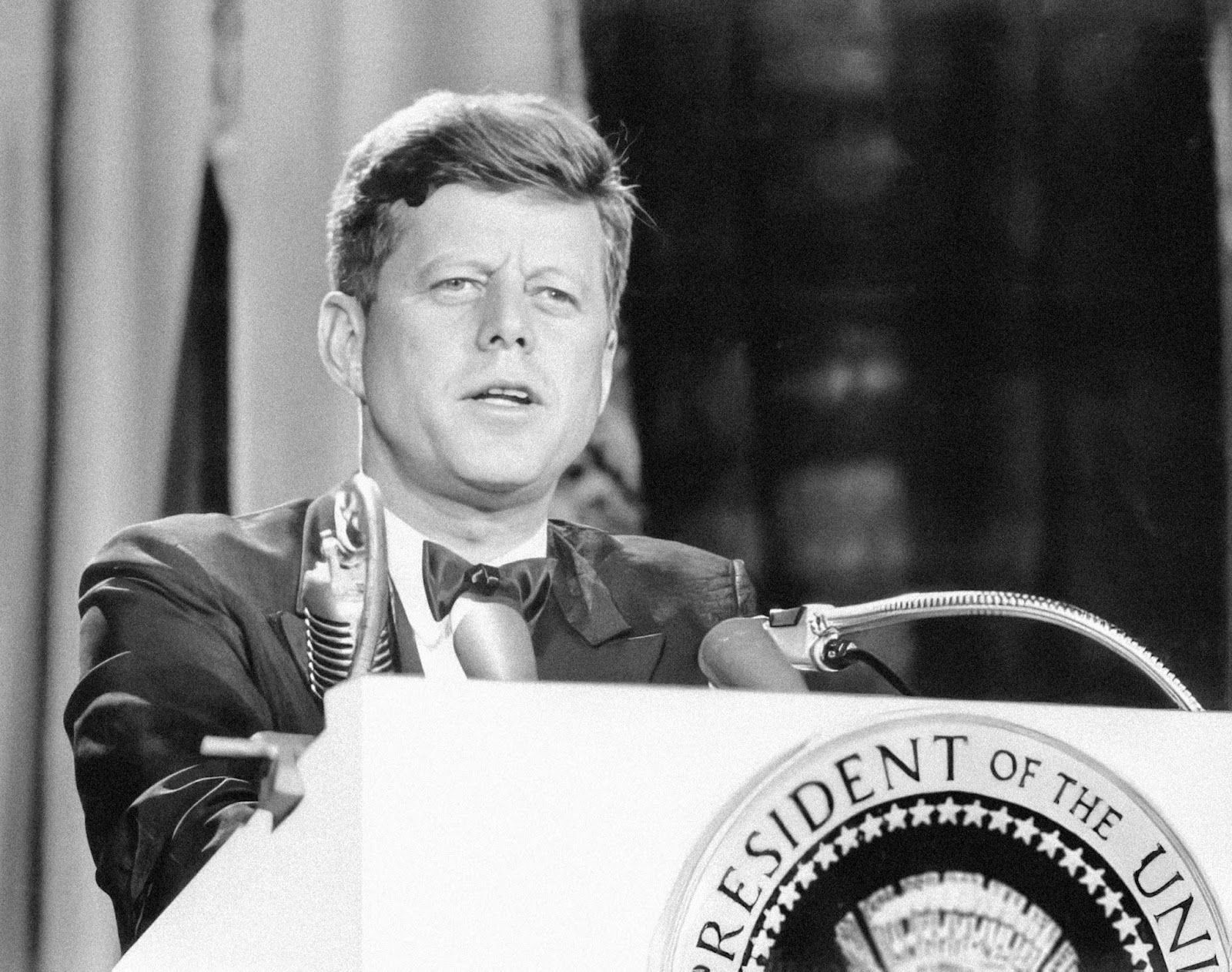
Image: Florida Memory

Civil service is definitely a big responsibility: The men and women in the government are naturally held to a high standard of scrutiny. In that sense, President Kennedy’s words during his inauguration speech truly cemented something that citizens often overlook: When our 35th President said "Ask not what your country can do for you – ask what you can do for your country" , he asked the American public to always keep the welfare of their country and fellow Americans in mind.

5
"Four score and seven years ago" - Abraham Lincoln
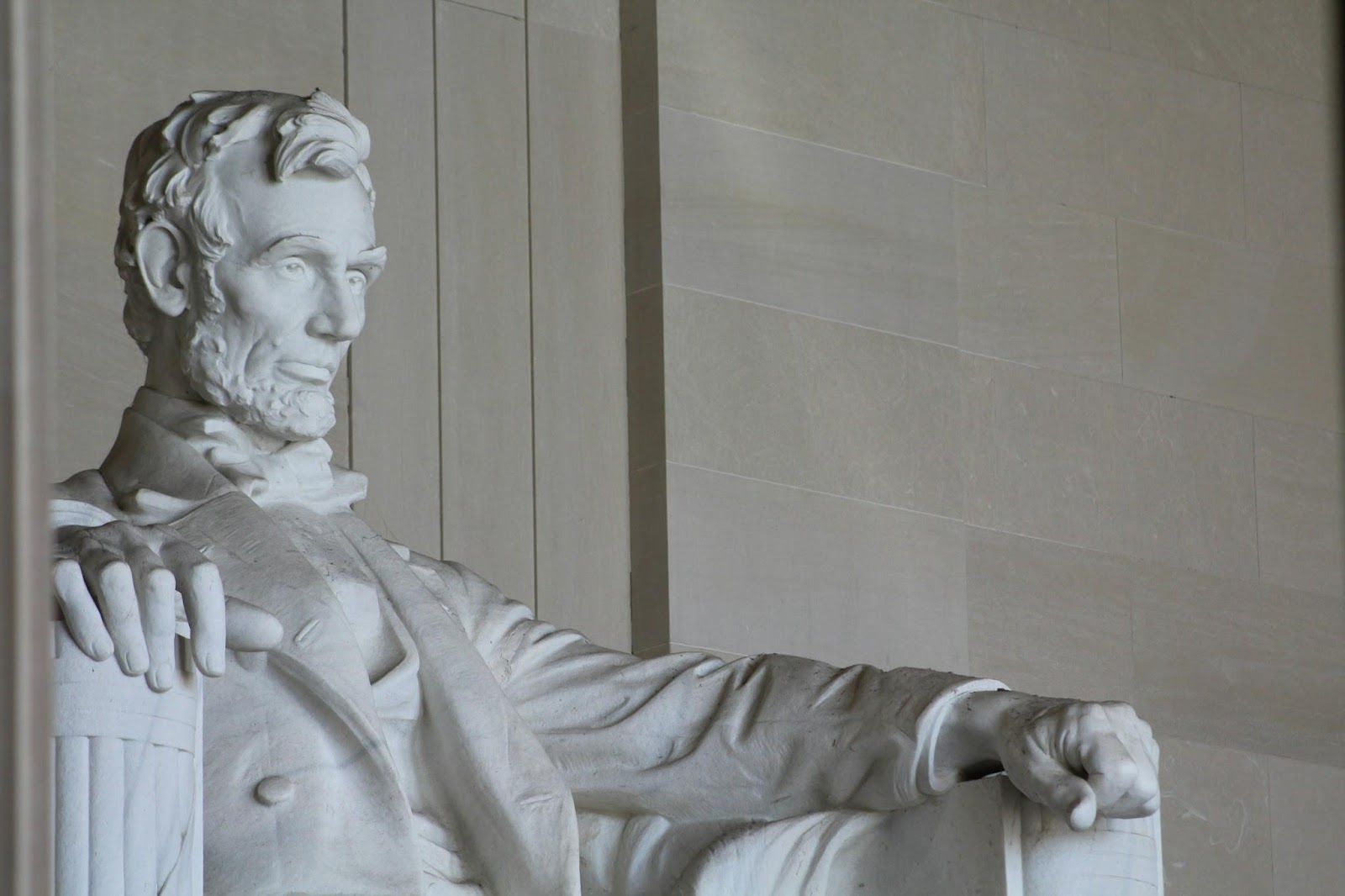
Image: Ed Fr

Granted, we couldn’t include the entire Gettysburg Address in this article, but we have instead decided to choose a phrase that’s as famous as this iconic speech. While we can’t be sure that President Lincoln knew the effect these words would have on American history, we do know that he was an exceptional writer, so it is no wonder that we still remember the opening lines of this famous speech: "Four score and seven years ago".

6
America, to me, is freedom - Willie Nelson

Image: Priscilla Du Preez 🇨🇦

Country music is synonymous with American culture, so it shouldn’t come as a surprise to learn that one of the most patriotic quotes in this article comes from country music legend Willie Nelson. This beloved musician once stated, "America, to me, is freedom". What’s perhaps most moving about this simple yet powerful phrase is that it effortlessly describes what many of us feel whenever we think about America.

7
"To be good, and to do good, is all we have to do" - John Adams
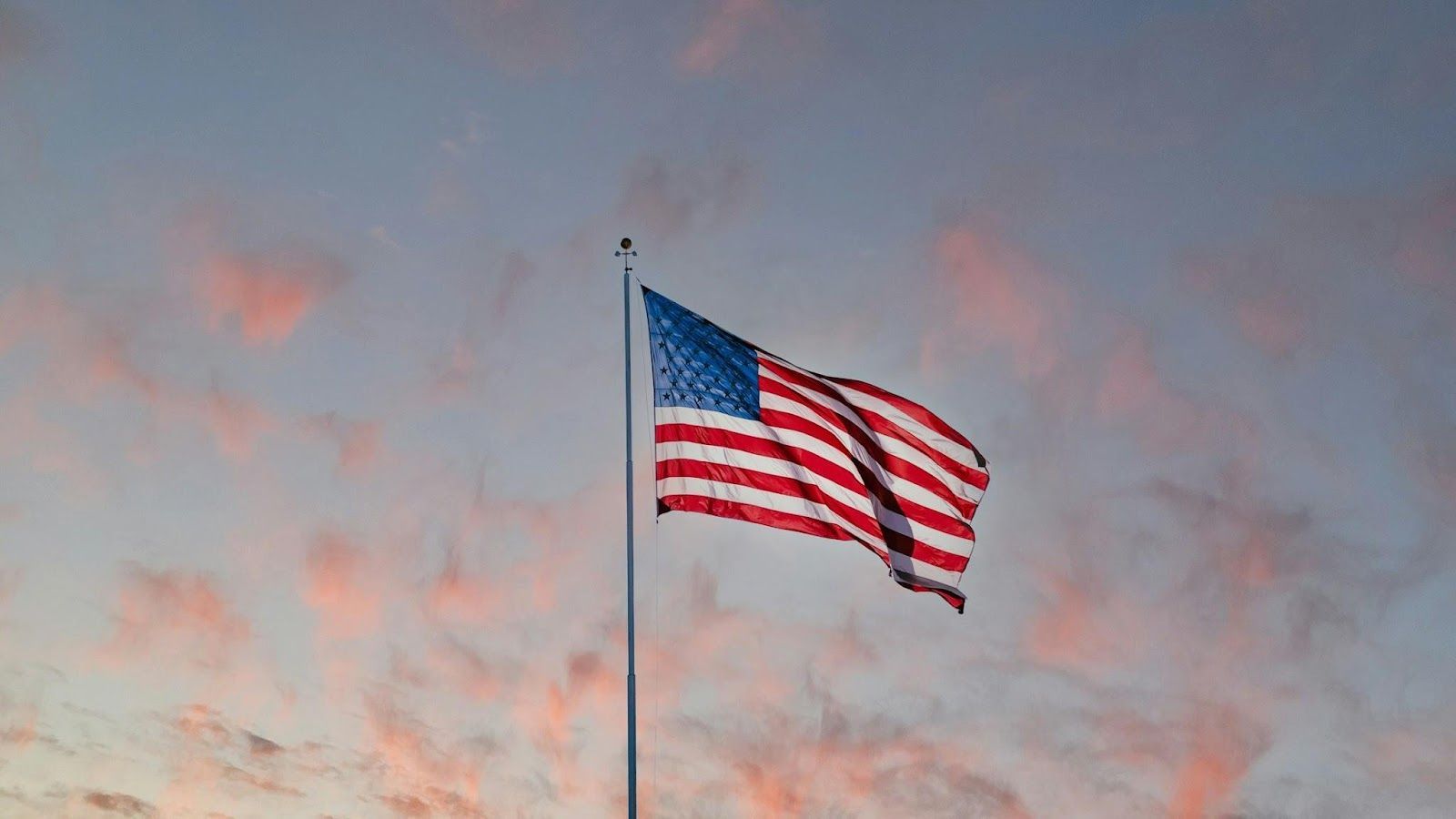
Image: iStrfry , Marcus

Leave it to a Founding Father to perfectly describe what patriotism is all about. John Adams once stated this powerful phrase: "To be good, and to do good, is all we have to do". Much like the JFK quote we previously mentioned, our second President encouraged us to love our country and always strive to keep it a wonderful place to live.

8
"We must be free not because we claim freedom but because we practice it" —William Faulkner

Image: Tom Hermans

There’s no denying that William Faulkner was one of the most influential writers of the 20th century: A Nobel laureate, Faulkner has written such American classics like "As I Lay Dying" and "The Sound and the Fury". Much of his work centers around the American South, and on what he felt were the values that America holds most dear. In that sense, the following quote is as insightful as what can be found in Faulkner’s many books: "We must be free not because we claim freedom but because we practice it".

9
"In the face of impossible odds, people who love this country can change it." —Barack Obama
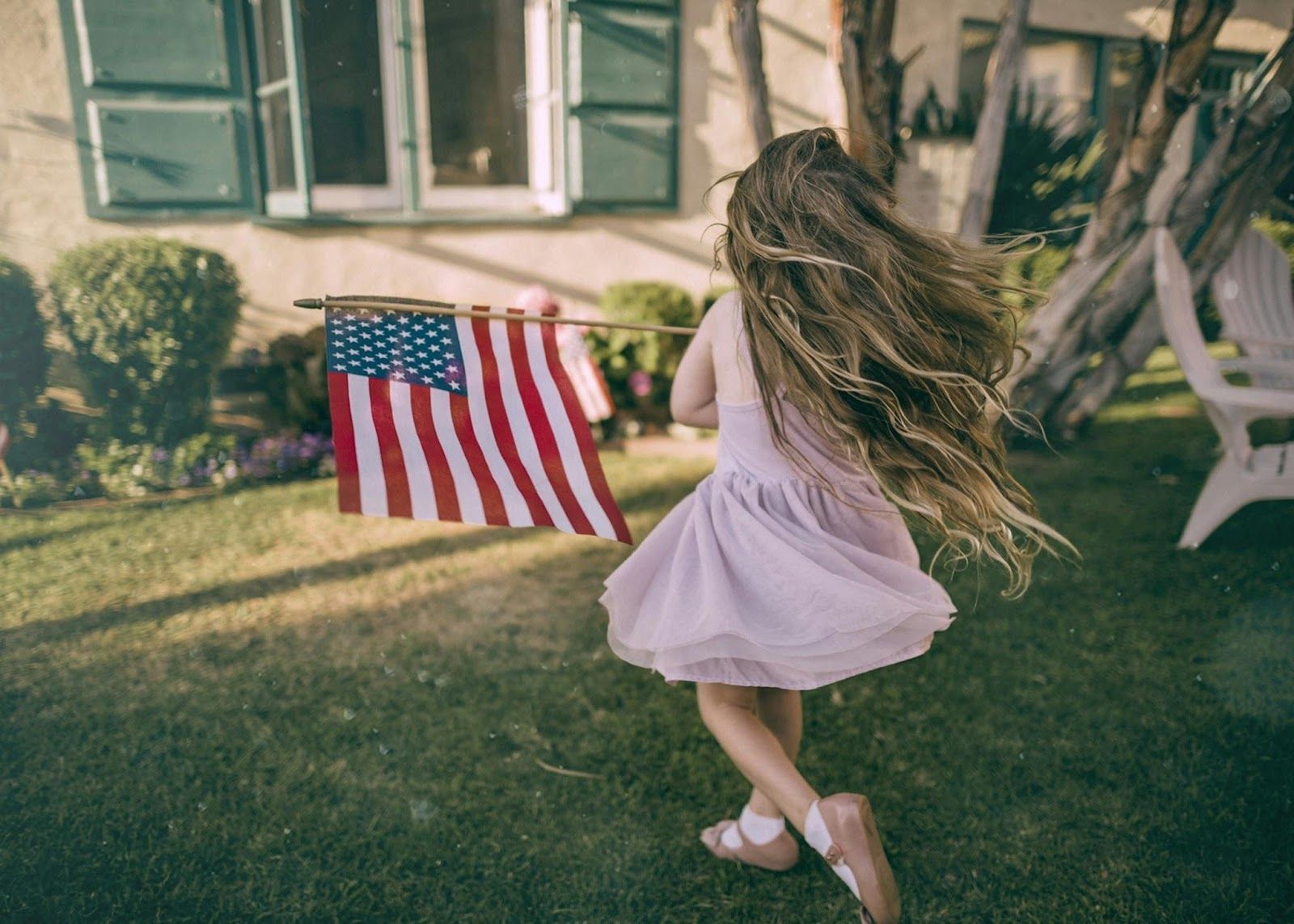
Image: frank mckenna

Standing in the very same spot in which Martin Luther King had made his iconic "I Have a Dream" speech, President Obama spoke in front of a gathered crowd of hundreds and delivered one of his most famous quotes: "In the face of impossible odds, people who love this country can change it." Besides being a great quote by our 44th President, this phrase is also a living testament to the influence that Dr. King had on all Americans.

10
"Liberty, when it begins to take root, is a plant of rapid growth" -George Washington
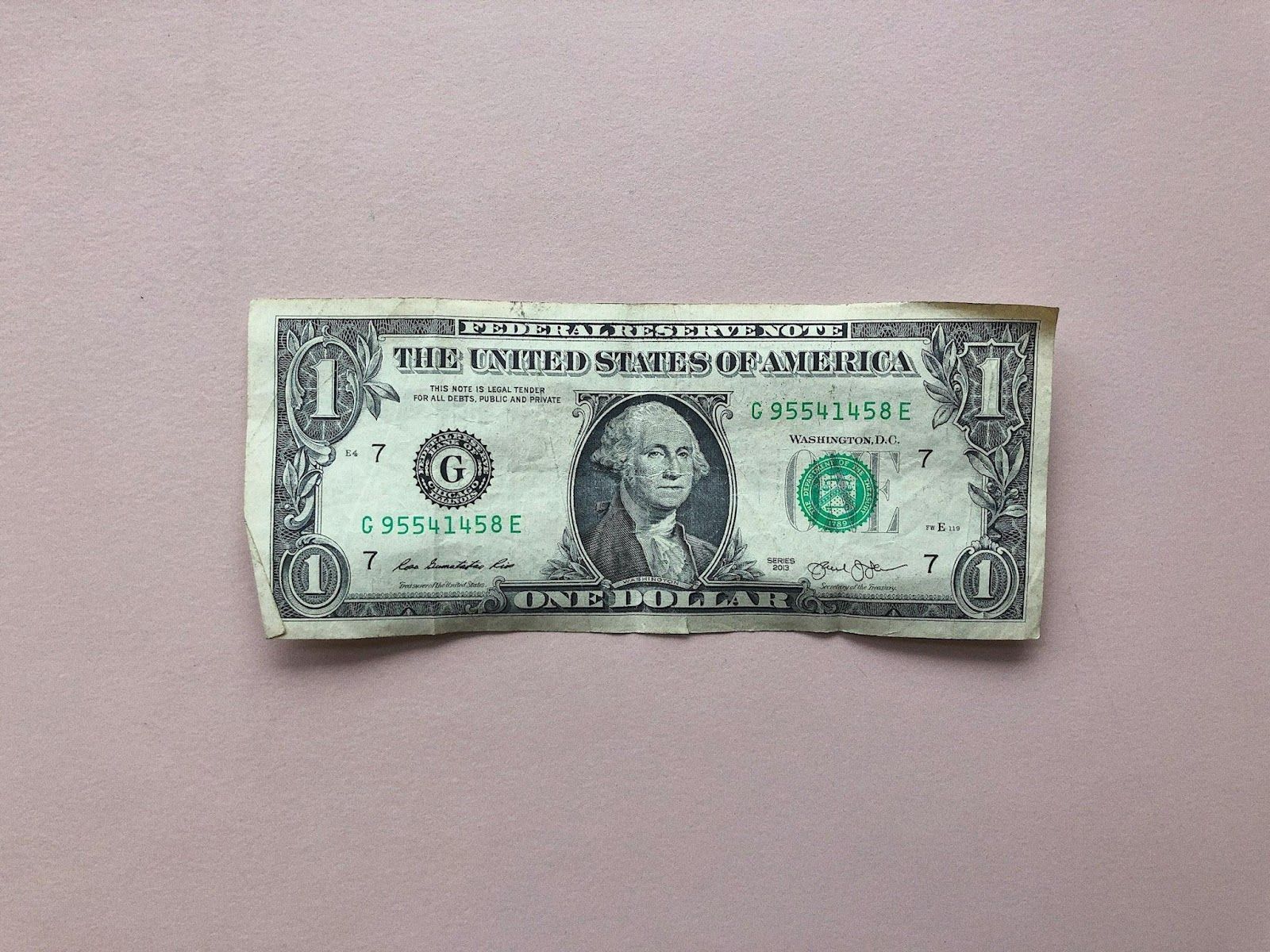
Image: Ryan Quintal

We’ll end this article with a phrase that comes straight from the mind of the Father of our country. In a letter to fellow Founding Father James Madison, George Washington wrote: "Liberty, when it begins to take root, is a plant of rapid growth". When you think about it, this phrase is an almost perfect summary of the ideas and beliefs that fueled the American Revolution, and that would eventually help build this great country of ours.

General General 4 min read

Behind the banners

11 U.S. state flags and their hidden meanings

Image: Drei Kubik

Flags are more than mere symbols—they tell stories, capturing the history, pride, and values of each state they represent. Every element, from colors to symbols, was thoughtfully chosen to convey a message tied to the spirit of the state. Join us on a journey across the country as we explore 11 unique state flags and the rich stories behind them.

1
Texas

Image: Joshua J. Cotten

Also known as the Lone Star, Texas’ flag features a single star on a vertical blue stripe, representing the state’s strong independent spirit. The red stripe represents courage, while the white stripe stands for purity.

In fact, the current design was adopted in 1839 during the Republic of Texas, echoing the state's history as an independent republic before joining the Union in 1845.

2
California

Image: Lesli Whitecotton

California's flag features a grizzly bear, a symbol of strength and independence. The star represents California's status as a republic in 1846 during the Bear Flag Revolt, and the red stripe signifies courage.

Interestingly, the bear depicted on the 1911 version of the flag is said to have been inspired by the last California grizzly bear held in captivity.

3
Arizona

Image: Denisse Leon

Arizona’s flag features a golden star surrounded by red and gold rays, symbolizing both the state’s arid landscape and copper mining industry. The blue and red colors are the same shade used on the flag of the United States.

The star commemorates Arizona’s statehood, achieved in 1912, while the thirteen rays symbolize the original Thirteen Colonies.

4
Colorado

Image: Courtney Cook

Colorado’s flag features blue, white, red, and yellow with a bold "C" encircling a golden disk. The blue symbolizes the sky, gold represents the state’s abundant sunshine, white the snowcapped Rockies, and red the "ruddy" earth.

The gold and white elements also honor Colorado’s gold and silver mining industries. Officially adopted in 1911, the flag stands as a tribute to the state’s natural beauty and pioneering heritage.

5
Florida

Image: Karl Callwood

Florida’s flag features a red cross with the state seal at the intersection. The cross represents the state's Spanish heritage, as it was originally founded by Spanish explorers.

The seal depicts a shoreline where a Seminole woman spreads flowers. While some suggest the woman represents the historical heroine Milly Francis, there is no evidence to support this theory. A Sabal palm and a steamboat complete the scene, reflecting Florida's vibrant scenery.

6
Maryland

Image: Gary Cole

Maryland’s flag stands out with its bold black and gold pattern, divided into quarters. The design incorporates elements from the family crest of the Calverts, the state’s founding family.

During the colonial era, Maryland used only the gold and black Calvert arms. The colors fell out of use after American independence but were reintroduced in 1854.

7
South Carolina

Image: Kelly

South Carolina’s flag features a white palmetto tree on a blue field, with a crescent moon beside it. The roots of this design have existed in some form since 1775, being based on one of the first American Revolutionary War flags.

An early version of this flag, known as the Moultrie Flag, was famously flown during the defense of a fortress on Sullivan's Island against the British fleet. The palmetto tree was later added as a symbol of the island’s successful defense.

8
Tennessee

Image: Brandon Hooper

Tennessee’s flag features three stars arranged in a triangular pattern, symbolizing the three regions of the state —East, Middle, and West Tennessee. The red, white, and blue colors align with the state’s commitment to unity and its place in the Union.

The current version, designed by Colonel Le Roy Reeves, was adopted in 1905. However, an earlier version already aimed to represent the state's three distinct regions with three slanted bars of red, white, and blue.

9
Hawaii

Image: little plant

Hawaii’s flag is unique among U.S. state flags. It features a Union Jack in the upper left corner, reflecting the historical ties between Britain and the Hawaiian Kingdom. It was first adopted in the early 19th century by the Kingdom of Hawaii and retained when the state joined the U.S. in 1959.

The eight horizontal stripes represent the eight main islands of Hawaii: Hawaiʻi, Maui, Kahoʻolawe, Lānaʻi, Molokaʻi, Oʻahu, Kauaʻi, and Niʻihau.

10
Indiana

Image: Lucas Beck

Indiana’s flag features a large gold torch, with 19 smaller stars surrounding it, representing Indiana's status as the 19th state to join the Union. The torch symbolizes enlightenment and the path to progress.

Adopted in 1917, the flag’s design was chosen through a contest offering a cash prize. The winning design, created by Paul Hadley of Mooresville, Indiana, was selected as the official flag with only minor modifications.

11
Maine

Image: Aubrey Odom

Maine’s flag features a shield with a pine tree at its center, flanked by a farmer and a sailor, representing the state’s agricultural and maritime heritage. The North Star above the shield symbolizes guidance and Maine’s motto, "Dirigo," meaning "I Lead."

The pine tree is a nod to Maine’s nickname as the Pine Tree State. Adopted in 1909, the flag’s design emphasizes Maine’s strong connection to its natural resources.

Culture Culture 7 min read

CHILDHOOD WONDERS

Relive Your Childhood With 10 Of The Most Popular Toys!

Image: Vanessa Bucceri

Toys are usually a child’s first companions: They were there when we were lonely or bored, they taught us through playtime and maybe even allowed us to meet our first real-life friends with whom to share the treasures in our toy box. Since the dawn of our country, a myriad of toys and games have defined each decade, creating wonderful memories in the minds of generations of American children.

We have selected ten of the most iconic toys that have truly defined the lives of countless Americans. Is your favorite toy from your childhood on this list? Keep on reading and enjoy!

1
Teddy bear

Image: Oxana Lyashenko

We’ll start with the surprising origins of a global icon. While there is some debate as to the country of origin of the teddy bear, there’s absolutely no doubt as to where the furry companions of our childhood got their names. And, considering that the source of the teddy bear’s name comes from the highest office in the United States government , we think we can safely state that this toy is truly an American icon.

In 1902, President Theodore Roosevelt was invited on a hunting trip to Mississippi, on which his group cornered and tied a black bear to a tree for the president to shoot. Displeased by what he thought was unsportsmanlike behavior, the President refused and the bear was freed. This story was published in many national newspapers, and it quickly became extremely popular. So much so, that a Brooklyn businessman designed a small, cuddly bear and advertised it on his shop as "Teddy’s bear" . And just with that, our 26th President unwillingly named this quintessential toy.

2
Super Soaker

Image: Steward Masweneng

If you were a kid during the 80s or 90s, you probably played with the extremely refreshing Super Soaker on a hot summer day. This reimagined water gun featured an innovative design that added pressurized air for longer and stronger water bursts. Showcasing a futuristic design, the Super Soaker felt like shooting a sci-fi laser gun, which seems only reasonable considering it was created by a former NASA engineer.

In 1982, engineer Lonnie Johnson, who specialized in aerospace design, came across the idea of the Super Soaker while conducting an experiment in his house. Johnson’s prototype combined household items like a PVC pipe and a two-liter soda bottle. While rudimentary, this first design successfully shot powerful streams of water. The rest is history: Johnson was able to mass-produce his design, and the Super Soaker became the summer toy for millions of American children.

3
Slinky

Image: Adam Valstar

Just like with the Super Soaker, the man behind this iconic toy was a successful American engineer. In 1943, while investigating a way to suspend sensitive equipment aboard ships, naval engineer Richard T. James accidentally dropped a torsion spring he was working with. James noticed the curious way in which the spring kept on moving after hitting the ground, and with that, the idea of one of the most beloved toys of the 20th century was born.

Richard and his wife Betty initially made 400 "Slinkys", which were first carried by a department store in Philadelphia for Christmas 1945. This first production was sold in less than 90 minutes , and the Slinky quickly proved to be an instant success. To this day, approximately 300 million Slinkies have been sold all over the world.

4
Rubik’s cube

Image: Olav Ahrens Røtne

Let’s deal with the elephant in the room first: No, the Rubik’s Cube is not an American invention. However, just like the rest of the world, this tricky puzzle took the United States by storm during the 70s and 80s, so it seemed only fair to add this beloved toy to this list. In the 1970s, Hungarian architecture professor Ernő Rubik designed the first prototype of the Rubik’s cube, as a way to create a system with parts that could move independently. However, he realized he had built a rather entertaining puzzle when he tried to restore the sides of his cube. Rubik applied for a patent in Hungary and started selling his "Magic Cube" by 1975.

By the 1980s, the Rubik’s Cube became a global sensation. It is reported that over 200 million cubes were sold between 1980 and 1983. In America, this puzzle immediately gained status as a cultural icon: In 1981, the Museum of Modern Art in New York exhibited a Rubik’s cube, while the 1982 World's Fair in Knoxville, Tennessee featured a six-foot version of the toy.

5
G.I. Joe

Image: Justin Wilkens

In 1963, Manhattan inventor and licensing agent Stanley Weston came up with the idea of a military action figure . Perhaps unbeknownst to him, Weston’s prototypes would soon inspire G.I. Joe, the first toy to teach American children about how every U.S. soldier can be a superhero to treasure and admire.

Produced by Hasbro, the G.I. Joe series encompasses countless action figures throughout their almost 60 years of history. Most of the toys feature the titular "G.I. Joe Team", a league of military heroes that defends the world from the evil deeds conducted by the "Cobra" organization.

6
Frisbee

Image: Patrick Reynolds

If any kid playing around with a cool stick they found lying can teach you anything, it doesn’t take much to make a fun toy that children will enjoy. Case in point: In 1937, Walter Frederick Morrison and his future wife Lucille realized how fun it was to toss a popcorn can lid back and forth. After WW2, Morrison worked on several designs until, in 1955, he designed "the Pluto Platter" , the very first version of what we now know as the Frisbee.

The story behind the name of this iconic toy is rather interesting. Wham-O, the company behind the commercialization of the Pluto Platter, realized that Yale University students were calling their product by another name. Since the plastic discs resembled empty pie tins , they called them "Frisbies" after the Frisbie Pie Company, a pie supplier for the university.

7
Barbie

Image: Elena Mishlanova

Barbie truly needs no introduction : She’s definitely the world's most famous doll, selling over six billion units in its 60-year history. She has been featured in a myriad of TV shows and movies, including an Academy Award-winning live-action film in 2023. With such a prolific and wondrous career, it’s easy to forget how Barbie's story started: With an innovator watching her daughter play.

One evening in the 1950s, businesswoman Ruth Handler noticed that, whenever her daughter played with paper dolls, she enjoyed pretending they were adults. At the time, most dolls depicted infants and babies, so Handler created the prototype of an adult-bodied doll, which she named "Barbie" after her daughter Barbara. On March 9, 1959 (a date which is now Barbie’s official birthday), the very first Barbie doll was presented at the American International Toy Fair in New York City.

8
Hula hoop

Image: Patricia Prudente

The hula-hoop is definitively the oldest toy on this list: Archaeologists believe that children and adults played with hoops of some kind since at least 500 BC. However, in 1958, a plastic hoop launched by American toy company Wham-O became insanely popular, and with that, the hula-hoop mania was born.

Named after its resemblance to the hip movements of the traditional Hula dance, the hula-hoop is still a remarkably popular toy . Not only that, hooping is considered an excellent and fun exercise, promoted as an excellent way to improve cardiovascular health.

9
View-master

Image: Girl with red hat

Just like the Slinky, the View-Master wasn’t originally conceived as a kid’s toy. And, to be perfectly honest, at its core it is truly an entertainment experience for all ages: An innovative and fresh way of enjoying beautiful images and scenery. However, it wouldn’t be right not to include this wonderful device in this list, since it has touched the hearts of thousands of American children since 1939.

Created by pharmacist Edwin Mayer in Portland, Oregon, the View-Master was introduced at the 1939 New York World's Fair. While its original intent was to provide an alternative to postcards, over time it included cartoons and short stories aimed at children. Famously, the View-Master’s most popular reels featured Disney and Hannah Barbera characters.

10
Legos

Image: Xavi Cabrera

We’ll end this list with an absolute classic . With over 75 years of history and no sign of slowing down, Legos have truly shaped the lives of millions of children around the world. The true beauty of these colorful bricks is that they are only limited by children’s imagination which, we are sure you’ll agree, is definitively limitless. In the right hand, a single plastic brick can be the start of a giant dinosaur, a spaceship, or a bell tower.

The humble beginnings of Lego come from the town of Billund, Denmark, where a carpenter named Ole Kirk Christiansen started making wooden toys in 1932. Christiansen named his company "Lego" after the Danish phrase leg godt , which translates to "play well". By the end of the 1940s, the company was already producing an early version of its iconic interlocking bricks, now considered a completely ubiquitous cultural icon.

Explore more American facts

Choose your favorite category!

General
General

As American as apple pie—the very best America has to offer!

Culture
Culture

Delve into the astounding richness of American lore.

Geography
Geography

Hop in and explore vast and diverse American landscapes.

History
History

Discover the key moments that shaped the United States.