History History 3 min read

Homebrewed ingenuity

The weirdest things Americans once thought were great ideas

Image: Johnny Briggs

From genuine problem-solving to baffling overengineering, American inventors have produced some truly strange creations. From electric spoons to fragile glass instruments, many of these bold designs were patented, tested, or even briefly sold. Below are 10 inventions that prove innovation isn’t always a hit—even when it comes from brilliant minds.

1
The horse diaper
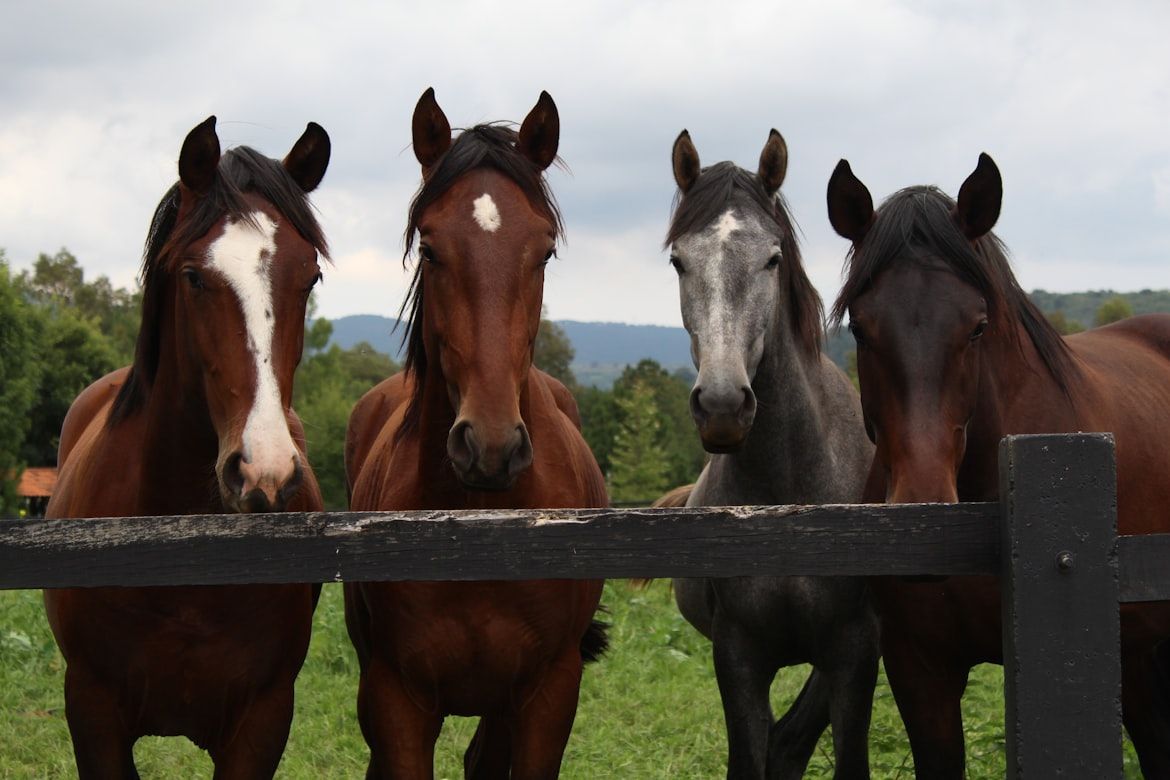
Image: Lucia Macedo

Designed to catch manure in crowded cities—a problem once so severe that it shaped public infrastructure as well as the entrances to houses—the horse diaper was an invention meant to be strapped beneath working horses pulling carts and carriages.

The idea was to reduce disease and street filth during the horse-powered urban era. While the device saw limited use before automobiles rapidly replaced horses, similar designs are still occasionally used in modern veterinary practice.

2
The baby cage

Image: Taylor Flowe

Built as wire cages attached to apartment windows, so-called "baby cages" allowed infants to get fresh air when outdoor space was unavailable. Some models were guaranteed to safely hold over 30 pounds.

While alarming today and ultimately abandoned due to obvious safety concerns, the designs likely inspired some of the baby-proofing nets used today.

3
The pneumatic subway

Image: Eddi Aguirre

In the late 1860s, American entrepreneur and inventor Alfred Ely Beach set out to prove the feasibility of a human-sized pneumatic subway system beneath New York City, capable of moving both people and cargo using nothing more than air pressure.

The prototype was set up as a public attraction and carried passengers along a tunnel just over 300 feet long, from a station to a dead end. Despite its initial success, bureaucratic obstacles and high costs halted expansion, leaving it as a functional but largely forgotten underground experiment.

4
The mechanical horse
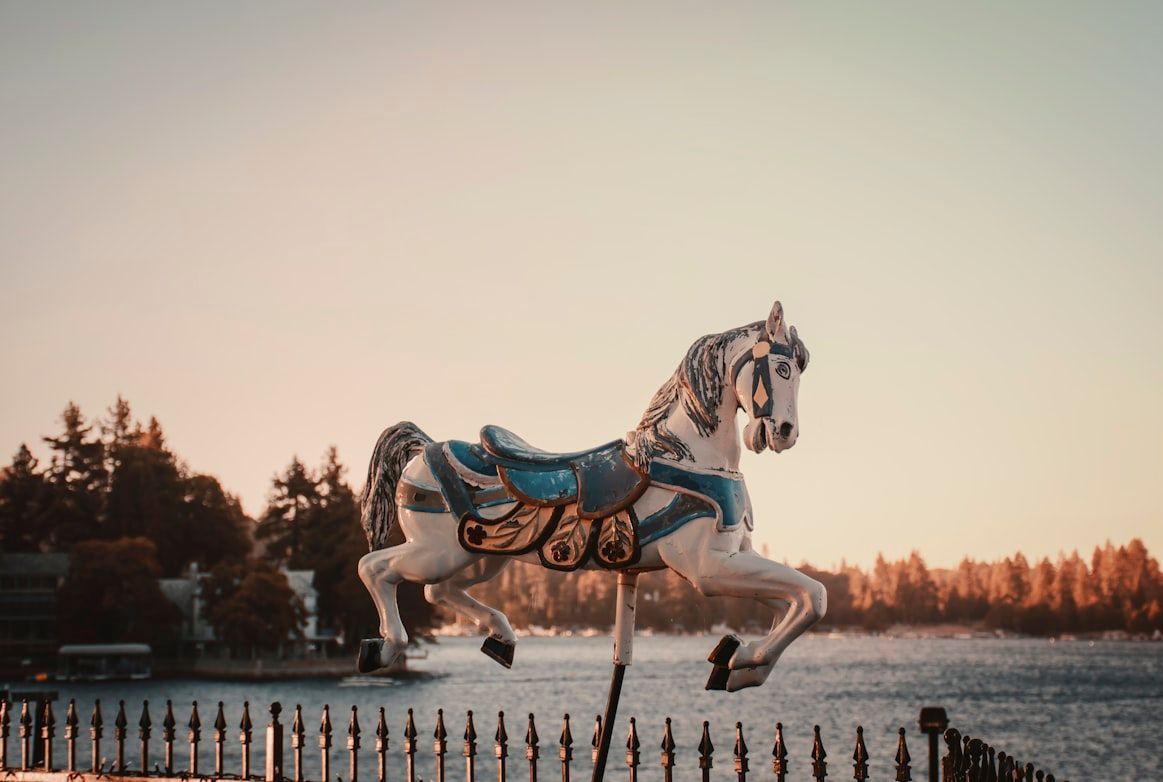
Image: Gabriel Tovar

Created for exercise and riding practice, the mechanical horse used a system of gears, cranks, and pedals to simulate walking and trotting motions while the rider sat in a saddle-like seat. It was marketed to urban riders and cavalry trainees who lacked access to stables or live horses.

Though bulky and impractical for widespread use, the device anticipated modern fitness machines by replicating real-world movements for conditioning and skill retention, rather than simple repetitive exercise.

5
The first metal detector
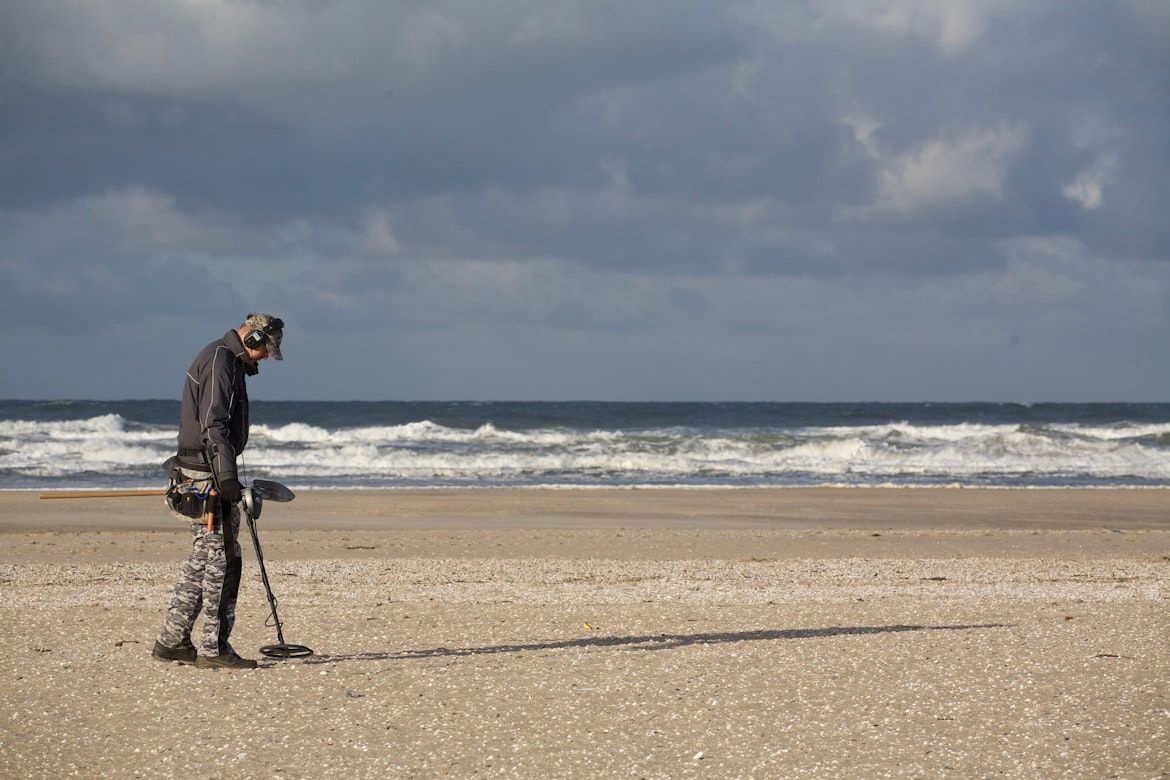
Image: Fer Troulik

After a failed assassination attempt on President James Garfield, Alexander Graham Bell hastily built an early metal detector in an effort to locate the bullet lodged in his body. The device functioned as intended, but it was unable to find the bullet because metal bed springs interfered with the signal.

Despite this setback, Bell’s early design proved the concept and directly influenced the development of modern metal detectors.

6
The pet-powered butter churn
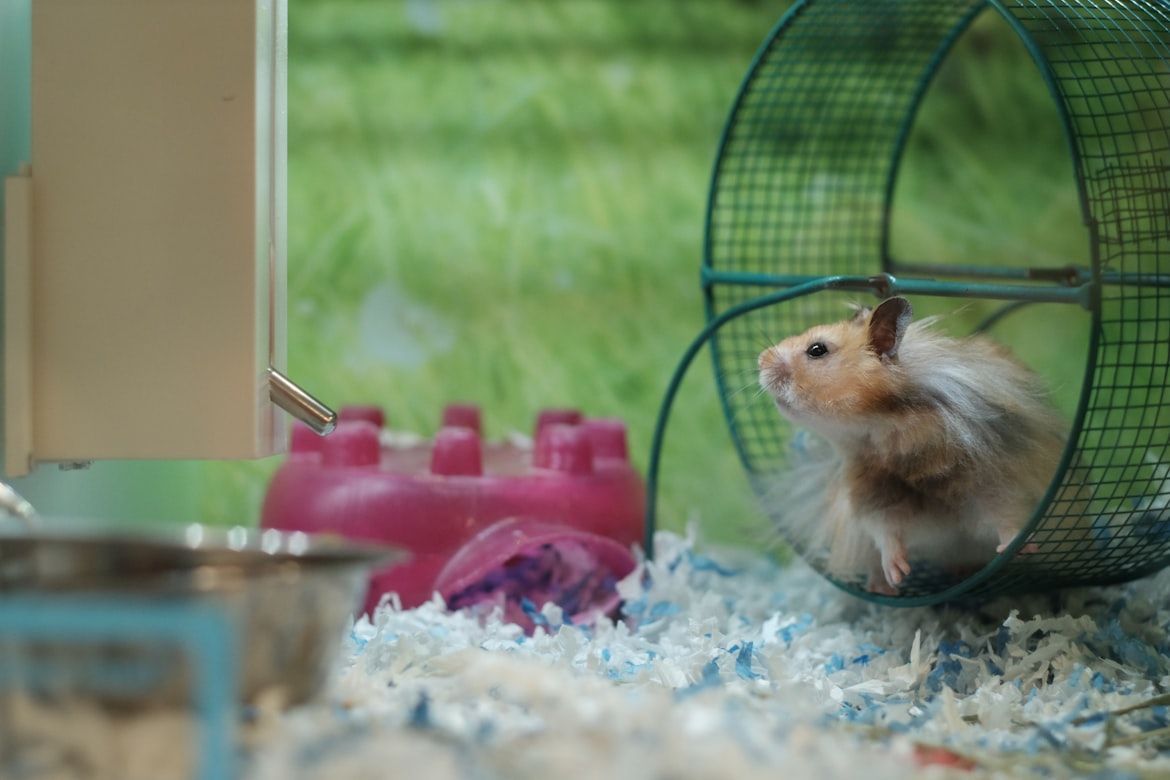
Image: Matt Bero

In an inventive twist on animal-powered machinery, some 19th-century American farmers rigged small treadwheels for dogs, cats, or even goats to generate kinetic energy for churning butter. The animal ran inside the wheel, turning a rope or pulley connected to the churn.

While technically functional, the system was limited by the animal's willingness to cooperate and the small amount of power it generated.

7
The umbrella hat

Image: Claudio Schwarz

Robert W. Patten, often called the "Umbrella Man," patented one of the first commercially successful hands-free umbrella hats. It strapped a small umbrella directly to the wearer’s head, providing both sun and rain protection while keeping the hands free for work or walking.

His original design even included a mosquito net attached to the canopy. Patten didn’t enjoy much commercial success but became somewhat of an eccentric and comical popular figure, partly due to a series of comics that were inspired by his unusual invention.

8
The one-wheel motorcycle

Image: CJ Toscano

In 1971, American inventor Kerry McLean built and refined a monowheel—a one‑wheeled motorized vehicle in which the rider and engine sit inside the wheel’s circumference.

Since then, various attempts have been made to build on his original design, but it remains a niche vehicle used primarily for entertainment rather than practicality, as riders must be highly skilled simply to turn or even stay upright.

9
The first talking doll

Image: Holly Ward

In 1890, Thomas Edison embedded miniature versions of one of his most popular inventions —the phonograph—inside dolls so they could recite nursery rhymes.

While the idea was innovative, the technology was not yet there. The recordings were fragile, distorted, and often failed to work properly. The dolls were pulled from the market within weeks due to customer complaints, making it one of Edison’s rare commercial failures.

10
The glass harmonica
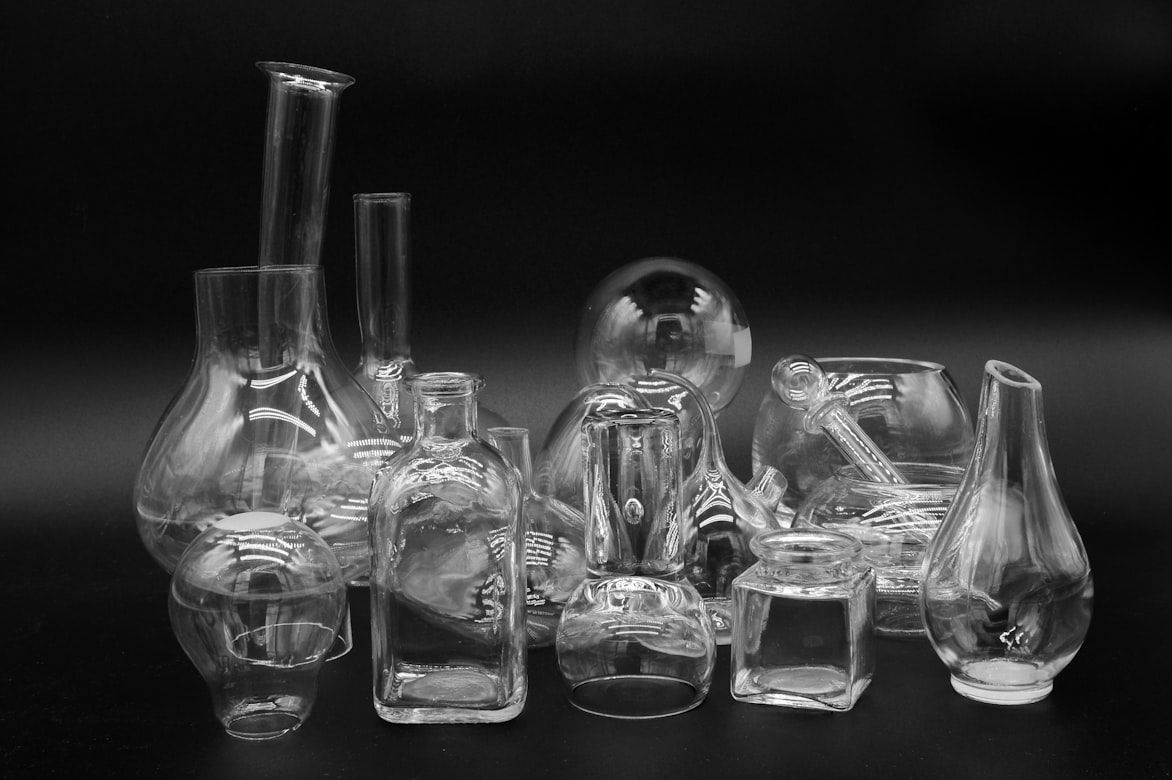
Image: Francesco Bovolin

Faithful to his eccentricity and inventive spirit, Benjamin Franklin redesigned the existing glass harp into a rotating spindle of glass bowls, played by touching the spinning rims with wet fingers, which he called the "glass harmonica."

The instrument produced eerie, sustained tones unlike anything else of its era. However, its fragile nature made it somewhat impractical, and the rotating mechanism posed a potential danger to the player if anything went wrong.

History History 3 min read

Political zoo

When an alligator lived in the White House—and 9 more presidential pets

Image: Clovis Wood

From alligators in bathtubs to bears roaming the lawn, U.S. presidents have kept some truly bizarre animals as pets. These creatures weren’t just conversation pieces—they reflected the quirks, ambitions, and historical moments of the presidents who owned them. Here are 10 of the strangest, wildest, and most unexpected pets ever to call 1600 Pennsylvania Avenue home.

1
John Quincy Adams’ alligator

Image: Robert Zunikoff

Adams kept an alligator in the White House bathtub, a gift from Marquis de Lafayette. Guests were reportedly startled by the reptile for months before it was relocated.

However, recent historians believe the story may be more myth than fact, reflecting the perceived eccentricity of both Adams and Lafayette rather than actual events.

2
Theodore Roosevelt’s badger

Image: Vincent van Zalinge

It’s clear that Teddy Roosevelt was an animal lover, keeping some of the most bizarre and unusual pets in White House history.

When Roosevelt’s children received a badger named "Josiah" from a girl in Kansas, the president didn’t hesitate to welcome it into the family home. The mischievous animal, however, often nipped at people’s ankles—including White House staff.

3
Martin Van Buren’s tiger cubs

Image: Mystery Cat

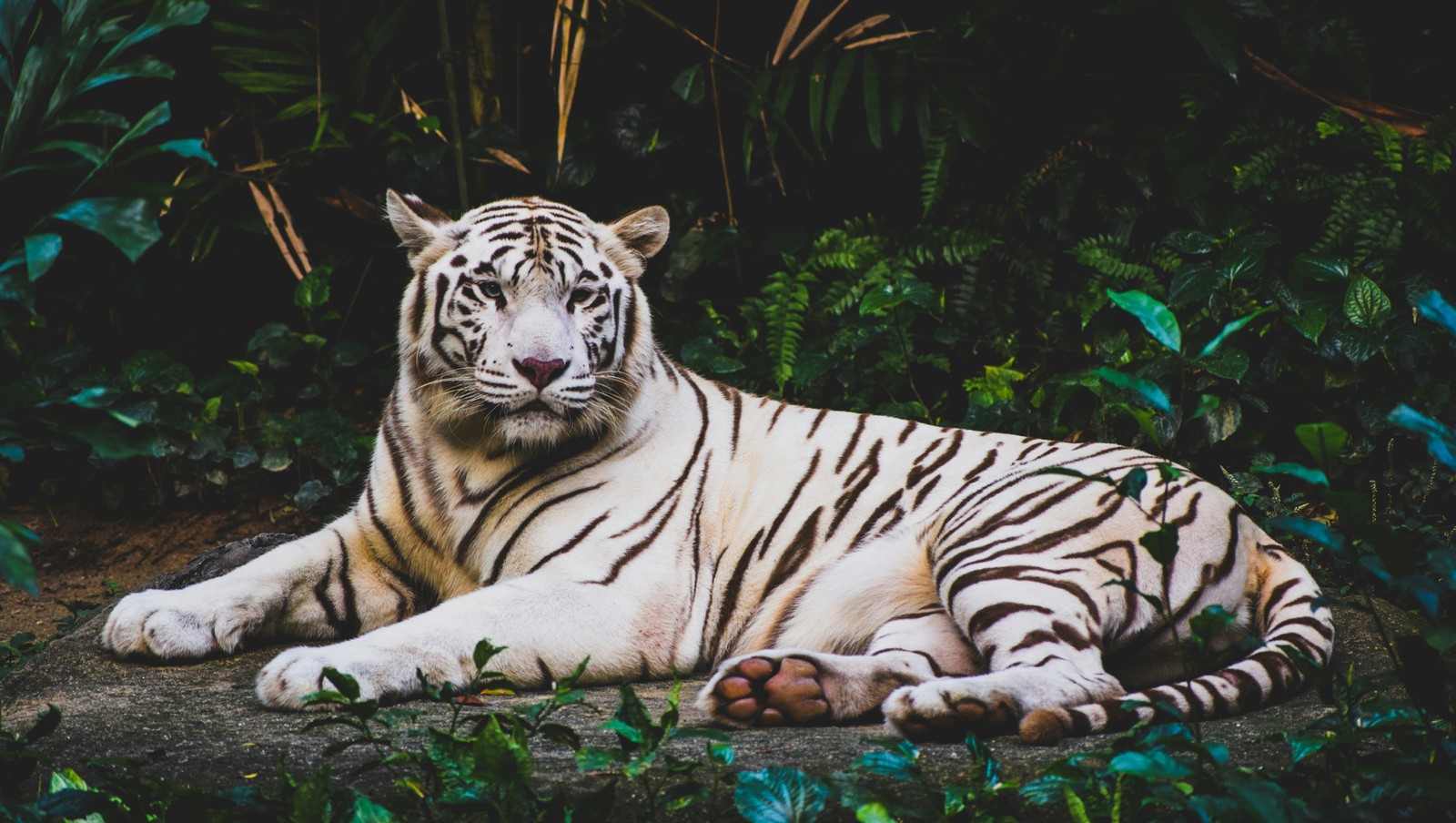
Yes—tiger cubs, plural. The Sultan of Oman gifted Van Buren two tiger cubs, but Congress demanded he surrender them to a zoo, citing laws against presidential gifts.

Van Buren fought to keep them but ultimately lost, and the cubs ended up in a public collection, marking one of the earliest disputes over presidential ethics and gifts.

4
Andrew Jackson’s parrot

Image: Ilona Frey

Jackson’s parrot, "Polly" learned to swear so well that it had to be removed from his funeral for cursing during the ceremony.

Known for his fiery temper, Jackson likely found the bird’s language amusing. Polly’s notorious vocabulary made it one of the earliest infamous pets in U.S. political lore.

5
James Buchanan’s elephant

Image: Wolfgang Hasselmann

This was a case of "almost." The King of Siam offered Buchanan a herd of elephants, suggesting they could breed in America. However, Buchanan politely declined—perhaps recalling Van Buren’s short-lived tiger ordeal? Still, he did maintain other exotic animals in Washington.

6
Abraham Lincoln’s turkey

Image: Tyler Jamieson Moulton

Lincoln’s son Tad named their Thanksgiving turkey "Jack" and begged his father to spare it—a story said to inspire the later turkey pardon tradition.

Jack roamed the White House freely and even followed Tad around, charming guests with his odd pet status.

7
Calvin Coolidge’s raccoon

Image: Joshua J. Cotten

Originally sent to be eaten at Thanksgiving—yes, eating raccoon wasn’t that unusual back then—"Rebecca" the raccoon was spared and became a pet. Coolidge even walked her on a leash around the White House gardens.

Rebecca had a custom house and enjoyed baths. Coolidge adored animals and also kept a wallaby, a bobcat, and even pygmy hippos!

8
Theodore Roosevelt’s hyena

Image: Matt Burke

By modern standards, it sounds insane, but Roosevelt was once gifted a hyena named "Bill" by an Ethiopian emperor—and he found the animal surprisingly affectionate.

Bill often roamed the White House lawn freely before eventually being sent to the Smithsonian, adding another chapter to Roosevelt’s legendary fascination with wildlife.

9
Woodrow Wilson’s sheep

Image: Sam Carter

During World War I, Wilson let sheep graze the White House lawn to save labor and raise war funds by auctioning their wool.

The move doubled as an environmental gesture and patriotic fundraiser. "Old Ike," a ram, became infamous for butting staff members and reporters alike.

10
Theodore Roosevelt’s bear cub

Image: Alla Kemelmakher

A black bear named "Jonathan Edwards" was among Roosevelt’s pets, inspired by his love of hunting and the outdoors.

Though kept briefly, the bear contributed to Roosevelt’s reputation as an adventurer—one that even inspired the creation of the "Teddy bear."

General General 4 min read

Do you enjoy walking?

A trekker's paradise: Explore 10 amazing American trails

Image: Holly Mandarich

German philosopher Friedrich Nietzsche once said: "All truly great thoughts are conceived by walking." And, while this might be a bit of a metaphorical statement, there is some practical truth to it, as any hiker can testify. With an almost infinite array of trails, America is filled with opportunities to wander through its natural parks and ponder about life or simply enjoy it. The following ten are but a small sample of these trails and we encourage you to look for one near your area and, if possible, maybe even go for a hike yourself!

1
Appalachian Trail, Shenandoah National Park, Virginia

Image: Wes Hicks

Yes, the entire Appalachian Trail is extremely long. Actually, it is over 2,190 miles long. But, the Shenandoah National Park, 75 miles from Washington, D.C., has over 500 miles of hiking trails, including more than 100 miles of the Appalachian Trail ; You can tackle a small section in a day’s hike.

The park is the perfect place to explore the great outdoors in Virginia and it consists of 200,000 acres of protected land that are home to animals like deer and songbirds.

2
Burroughs Mountain Trail, Mount Rainier National Park, Washington

Image: Scott Longerbeam

More than 260 miles of maintained trails lead visitors through peaceful old-growth forests, river valleys, and subalpine meadows on the Mount Rainier National Park in Washington state.

The park is home to one of the most iconic mountains in the world: Mount Rainier rises 14,410 feet above sea level straight into the clouds. Check out the Burroughs Mountain Trail for stunning views of mountain peaks and the alpine landscape.

3
Rim Trail, Bryce Canyon National Park, Utah

Image: Tim Golder

Bryce Canyon National Park in Utah is home to the largest collection of odd-shaped pillars of rock left standing from the forces of erosion, known as hoodoos. Many of them can be viewed from the 5.5-mile Rim Trail .

The park also offers hikes for all levels, including backcountry options for those looking for a little added adventure and guided Full Moon Hikes for night-owl explorers.

4
Upper Emerald Pools Trail, Zion National Park, Utah

Image: Jamie Hagan

A park filled with hiking trails for all experience levels, Zion National Park, Utah's first national park , is famous for its massive cream, pink, and red sandstone cliffs, and freestanding arches.

Hikers should attempt to visit at sunrise and sunset to enjoy the breathtaking views of sunlight splashing off the cliffs and into the rivers below. And if it is an approachable trail they’re looking for, the Upper Emerald Pools Trail is an easy hike leading to sparkling waterfalls.

5
Grinnell Glacier Trail, Glacier National Park, Montana

Image: Aaron Clinard

Over 700 miles of hiking trails, including more than a dozen options around the Many Glacier area , like the popular Grinnell Glacier Trail , can be found at the Glacier National Park.

Lucky visitors can spot some of the park's varied wildlife, including 71 species of mammals, from the tiny pygmy shrew to one of the largest remaining grizzly bear populations in the country.

6
Charlies Bunion Hike, Great Smoky Mountains National Park, Tennessee and North Carolina

Image: Leslie Cross

The Great Smoky Mountains are world-renowned for its animal and plant life diversity, as well as for its miles of official and backcountry trails with views of waterfalls and old-growth forests.

The Great Smoky Mountains National Park spreads across two states and offers plenty of activities for hikers. For a particularly breathtaking vista, hike to Charlies Bunion, a popular outcropping along the Appalachian Trail.

7
Billy Goat Trail, Chesapeake and Ohio Canal National Historical Park, Maryland

Image: Eduardo Gutierrez

Considered a moderate-difficulty trail, Maryland's Billy Goat Trail has three sections totaling eight miles, though portions are strenuous and challenging . Outdoor enthusiasts can experience the raging Potomac River and the rocky crags of Great Falls. The hike is very popular, so early hours are advisable to beat the crowds.

8
Chautauqua Trail, Chautauqua Park, Colorado

Image: Leslie Cross

An old park, Chautauqua Park in Boulder, Colorado, has been around since 1898. The 80-acre park has miles of hiking, much of which are uphill . But there are less strenuous hikes, too, like the Chautauqua Trail, which offers views of the Flatiron mountains and Boulder.

9
Canyon to Rim Loop, Smith Rock State Park, Oregon

Image: Alex Diaz

Hikers of every level can find an appropriate trail at Smith Rock State Park, in Oregon. These vary in length and difficulty, but they all offer beautiful views of the Central Oregon landscape**.**

The park offers hundreds of miles of hiking and biking trails, and visitors may spot golden eagles, prairie falcons, river otters, and beavers throughout the day.

10
Petroglyph Wall Trail, Red Rock Canyon National Conservation Area, Nevada

Image: Kristin Melville

As visitors to the Red Rock Canyon National Conservation Area can testify, not all short-distance hikes are the same. Many are labeled difficult, and it can take four to five hours to complete a five-mile hike.

Along the different routes, desert wildlife can be spotted, including lizards, toads, and hawks. One of the park's most beginner-friendly hikes is the 0.2-mile Petroglyph Wall Trail , where centuries-old rock art can be appreciated.

Explore more American facts

Choose your favorite category!

General
General

As American as apple pie—the very best America has to offer!

Culture
Culture

Delve into the astounding richness of American lore.

Geography
Geography

Hop in and explore vast and diverse American landscapes.

History
History

Discover the key moments that shaped the United States.