General General 4 min read

Icons of the 80s

Rediscover the top 10 trends from the 80s that should make a comeback!
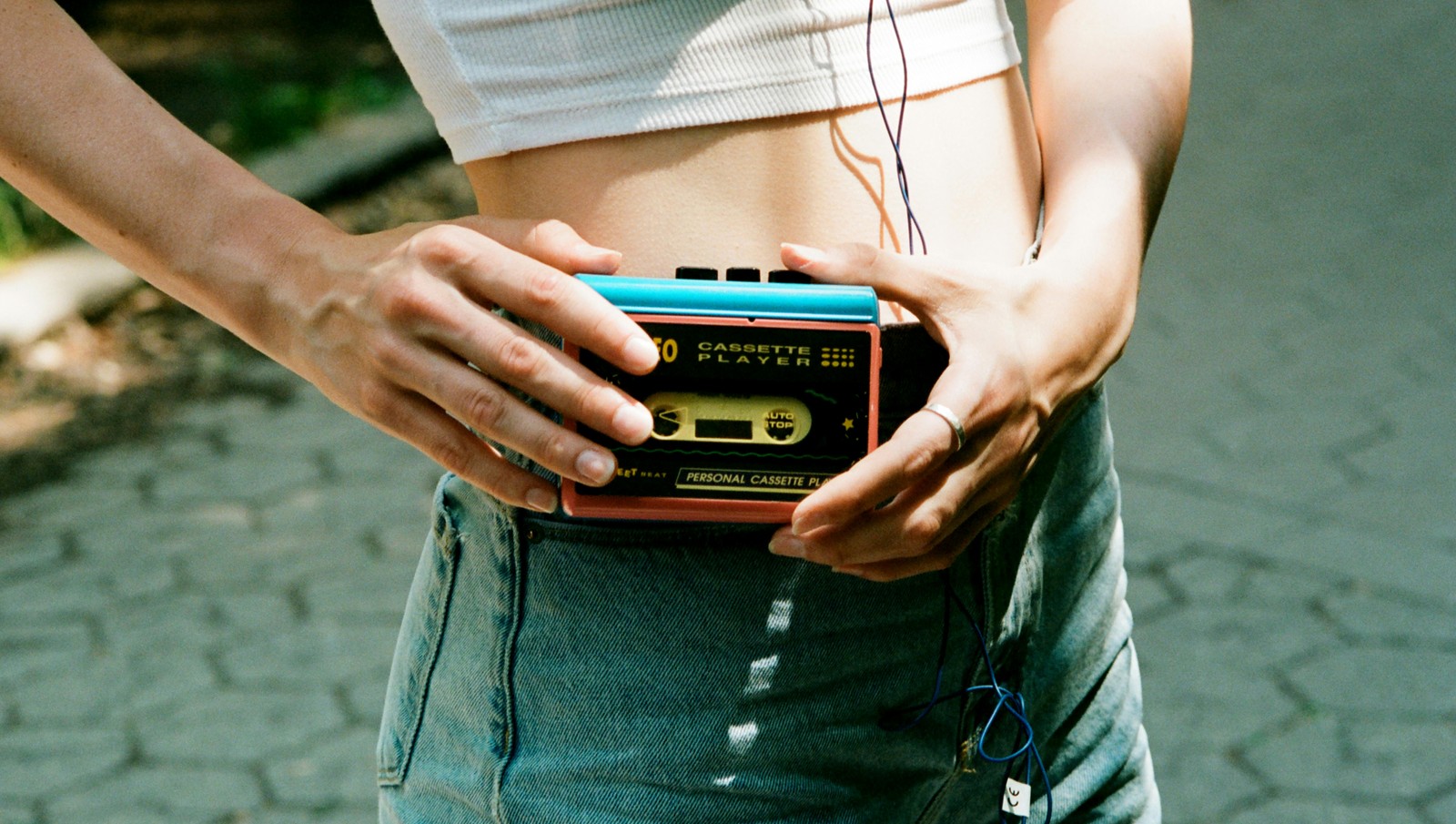
Image: Cottonbro Studio

The 1980s were marked by ambition, progress, and reinvention. It was a decade that vibrated with the chimes of the New York Stock Exchange, the rise of cable TV, and the sound of personal computer keyboards. Fashion, of course, was not far behind: leg warmers, shoulder pads, and big hair were all the rage. In this article, we are covering ten years in which technological advances, finance, and pop culture reigned supreme in America. Ready for a flashback?

1
Bright colors

Image: Yaritza

In the 80s, neon was absolutely everywhere, and let’s be honest, it was very hard to miss. Found in clothes, accessories, makeup, signs, and posters, blindingly bright colors became a new style statement. From hot pink to acid green, neon yellow to electric blue, this color palette could be found in pop culture, on the streets, and everywhere in between.

2
Bold fashion
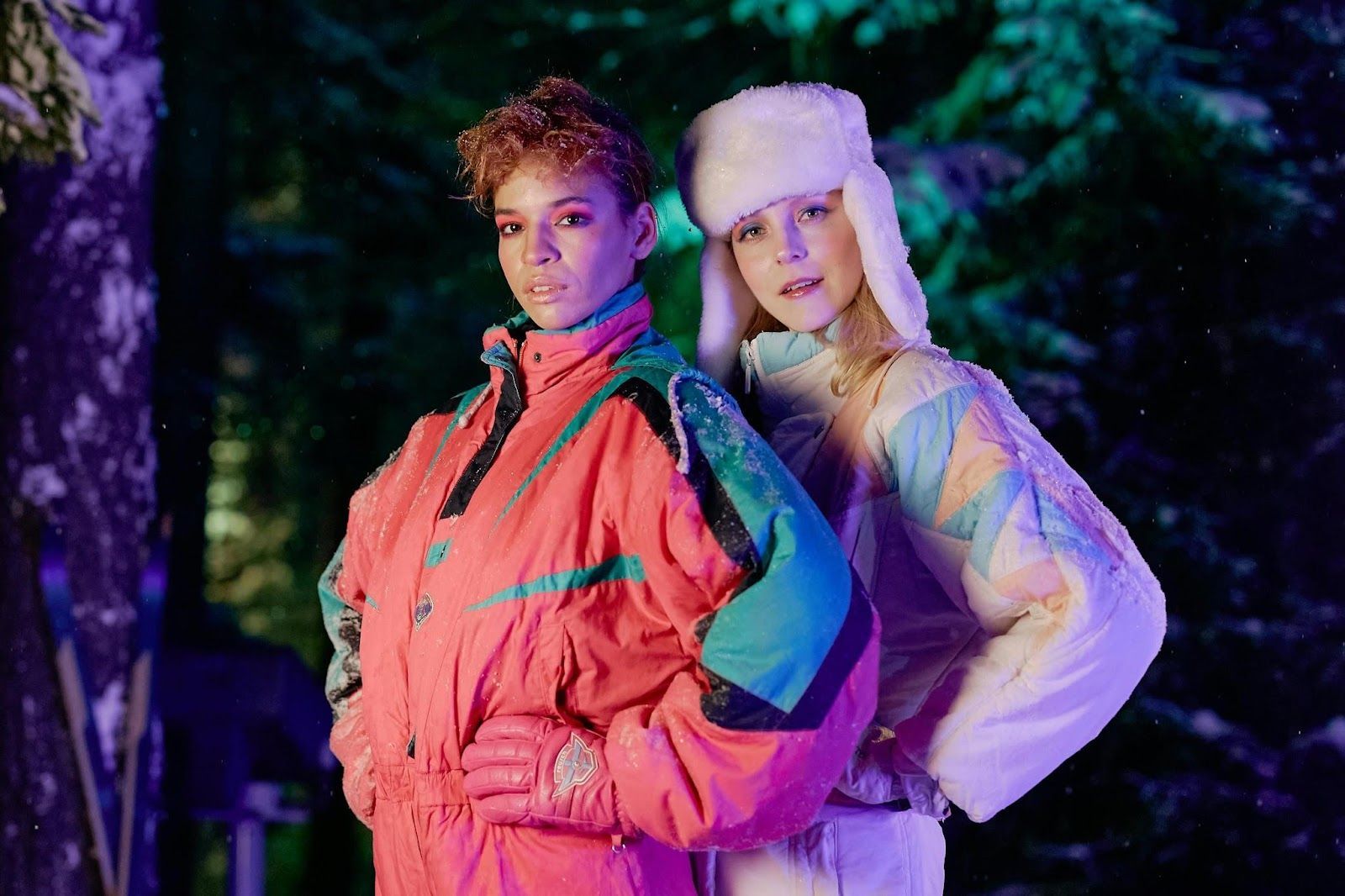
Image: cottonbro studio

There's only one word to describe 80s fashion: bold . B old hair, bold accessories, bold colors, bold everything! Fashion during this decade was strongly influenced by pop music and new rock subgenres such as New Wave. For the first time, different styles began to mix, combining formal garments with rebellious accents —like pairing suits with sneakers, mind you. Whether it was shoulder pads, multicolored leg warmers, or those striking Miami Vice suits, fashion in the 80s was all about vibrancy and an aura of success.

3
Big hair, strong makeup

Image: Gustavo Cerati, Public domain, via Wikimedia Commons

In the 80s, crazy cuts and dramatic makeup became an everyday thing, a way of expressing one’s personality and style everywhere you went. From musicians like Madonna to leading ladies like Demi Moore or Julia Roberts, the stars led the way with their perms, pumped-up hair volume, tanned faces, and bright eyeshadows.

But let's not forget the guys! They also introduced the iconic mullet, popularized by celebrities like Rod Stewart, tennis player Andre Agassi, and Patrick Swayze, just to name a few.

4
Rise of yuppie culture

Image: MART PRODUCTION

In a nutshell, Yuppie culture was characterized by slicked-back hair, V-neck sweaters, and a condescending attitude. The term yuppie , an acronym for "young urban professional," emerged in 1980 in an article in Chicago magazine. It described a young person in their 20s or 30s who was part of the middle to upper class, a socioeconomic group that became the forefront of the decade.

From the beginning, this label sparked divided opinions: For some, it represented ambition and success; for others, it symbolized superficiality, an excessive materialism, and an apparent superiority complex. Accurate or not, the trend eventually faded away after the 1987 Wall Street Crash.

5
Toys on TV
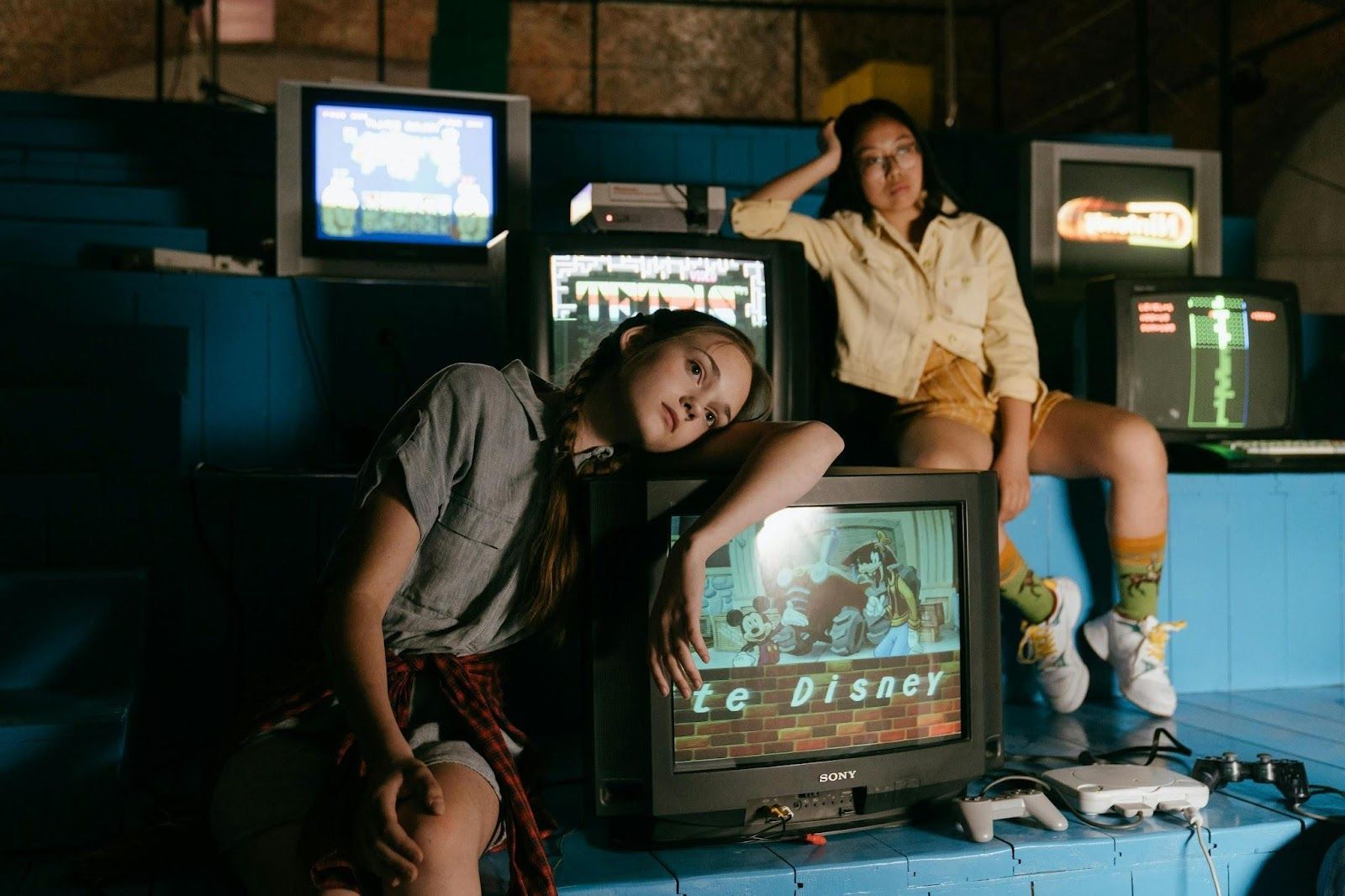
Image: cottonbro studio

The 1980s were marked by spending Saturday mornings watching ads on cartoon commercial breaks. How did this happen? From this decade onwards, companies were finally allowed to market directly to kids. The result was hundreds of all kinds of toy ads. They advertised everything from creative games like the Rubik's Cube or Lego to cute and cuddly toys like Care Bears and My Little Pony. This era also saw the beginnings of the must-have toy trend, with Cabbage Patch dolls leading the pack.

6
Music on the go
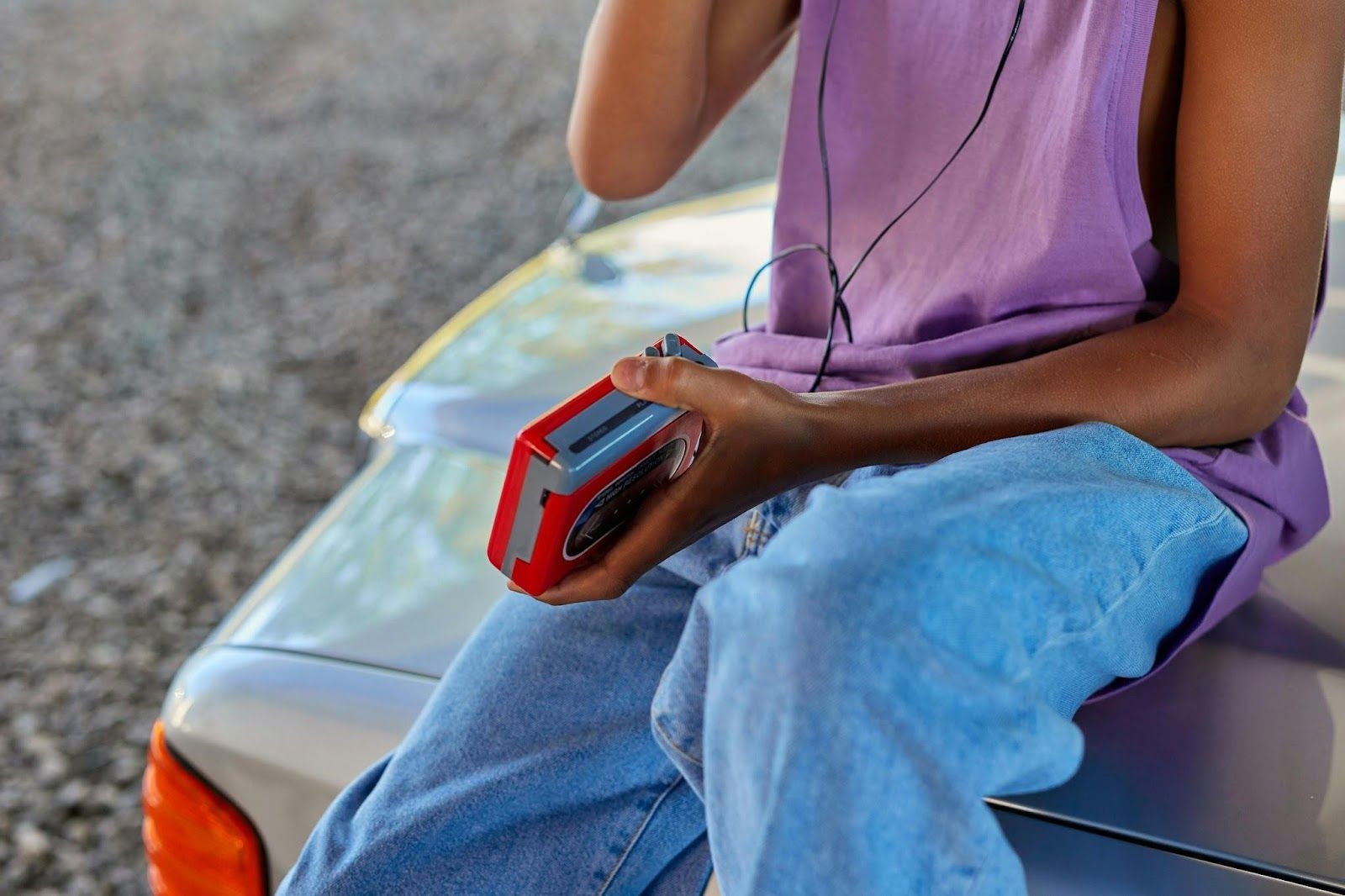
Image: cottonbro studio

During the 80s, it was common to see people walking down the street with a Walkman on their hips or a boombox to their ears. Although the boombox gained popularity in the 70s, it became mainstream in the 80s thanks to hip-hop and breakdancing culture. Yet, the Walkman would soon steal its thunder. This revolutionary new audio player allowed people to bring their music with them anywhere without bothering everyone around. And that’s also how mixtapes became a thing!

7
Personal computers
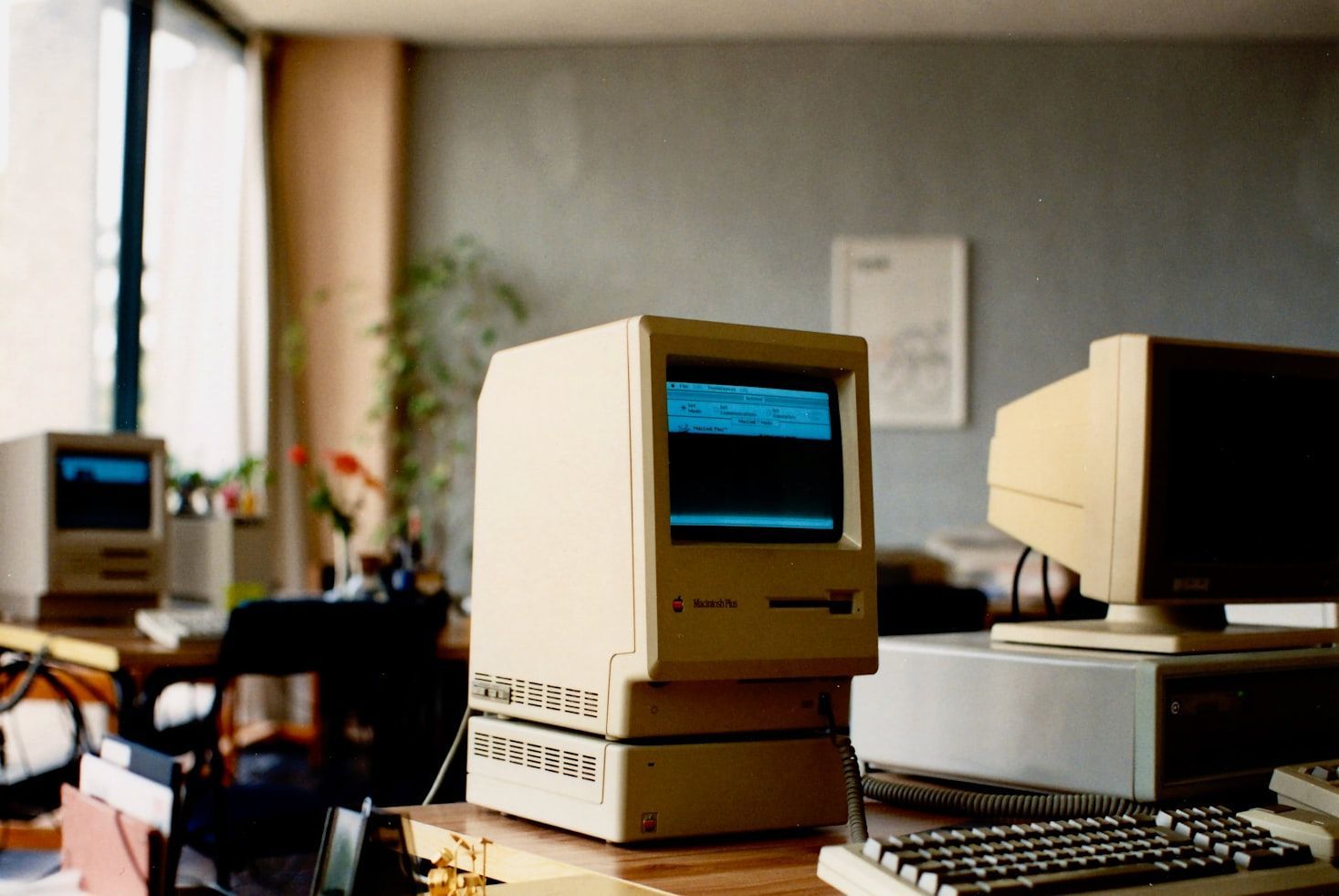
Image: Tomas Martinez

The 80s were a prominent decade for electronics development. In 1981, IBM introduced its first personal computer, and everyday life and work would never be the same again. More affordable computers were created thanks to the introduction of powerful, smaller, and cheaper processors, reaching a wider audience and creating greater demand. Models such as the IBM PC, the Commodore 64, and the Apple Macintosh became household names, paving the way for the era of domestic computing.

8
Rise of video games
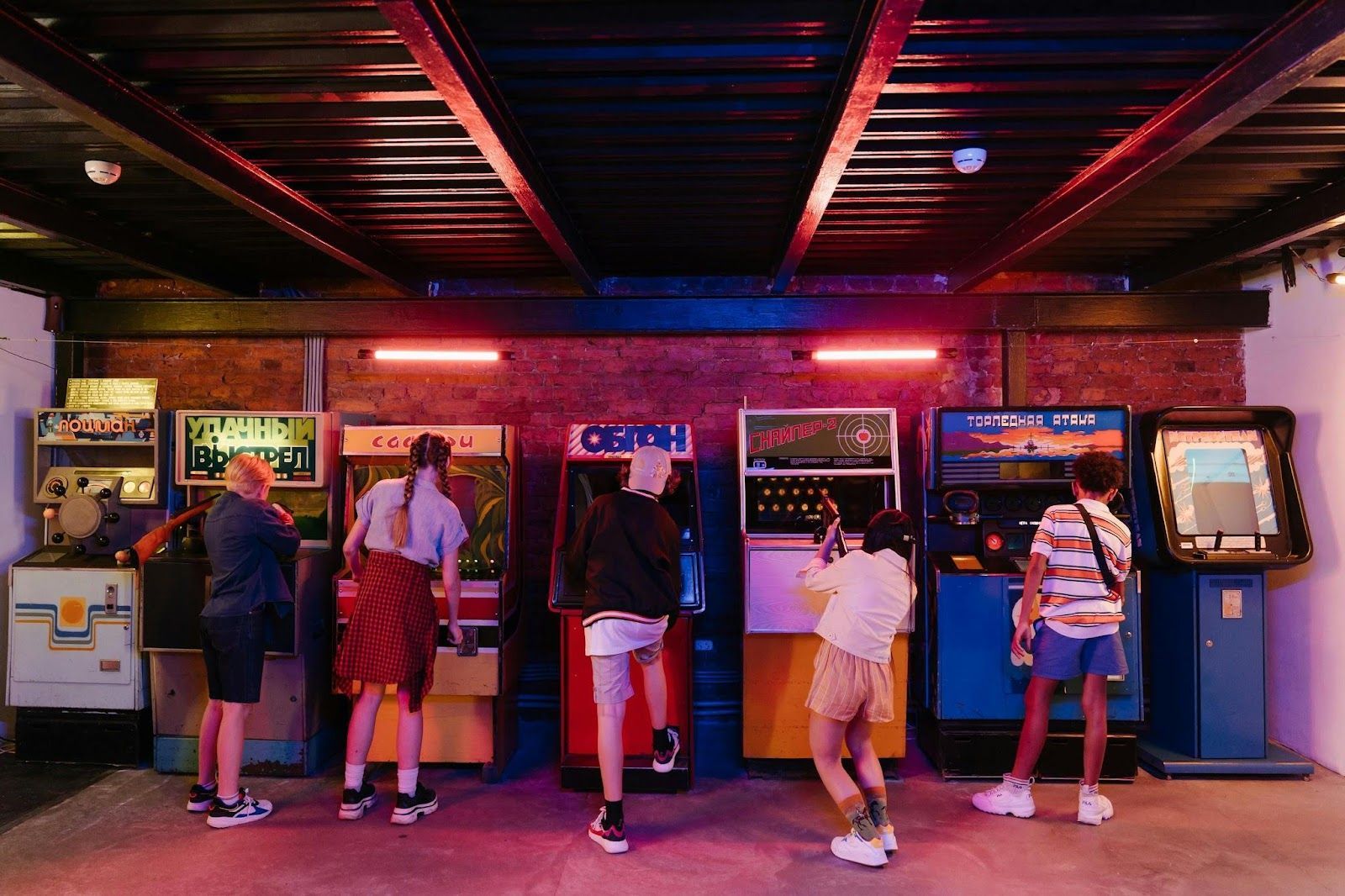
Image: cottonbro studio

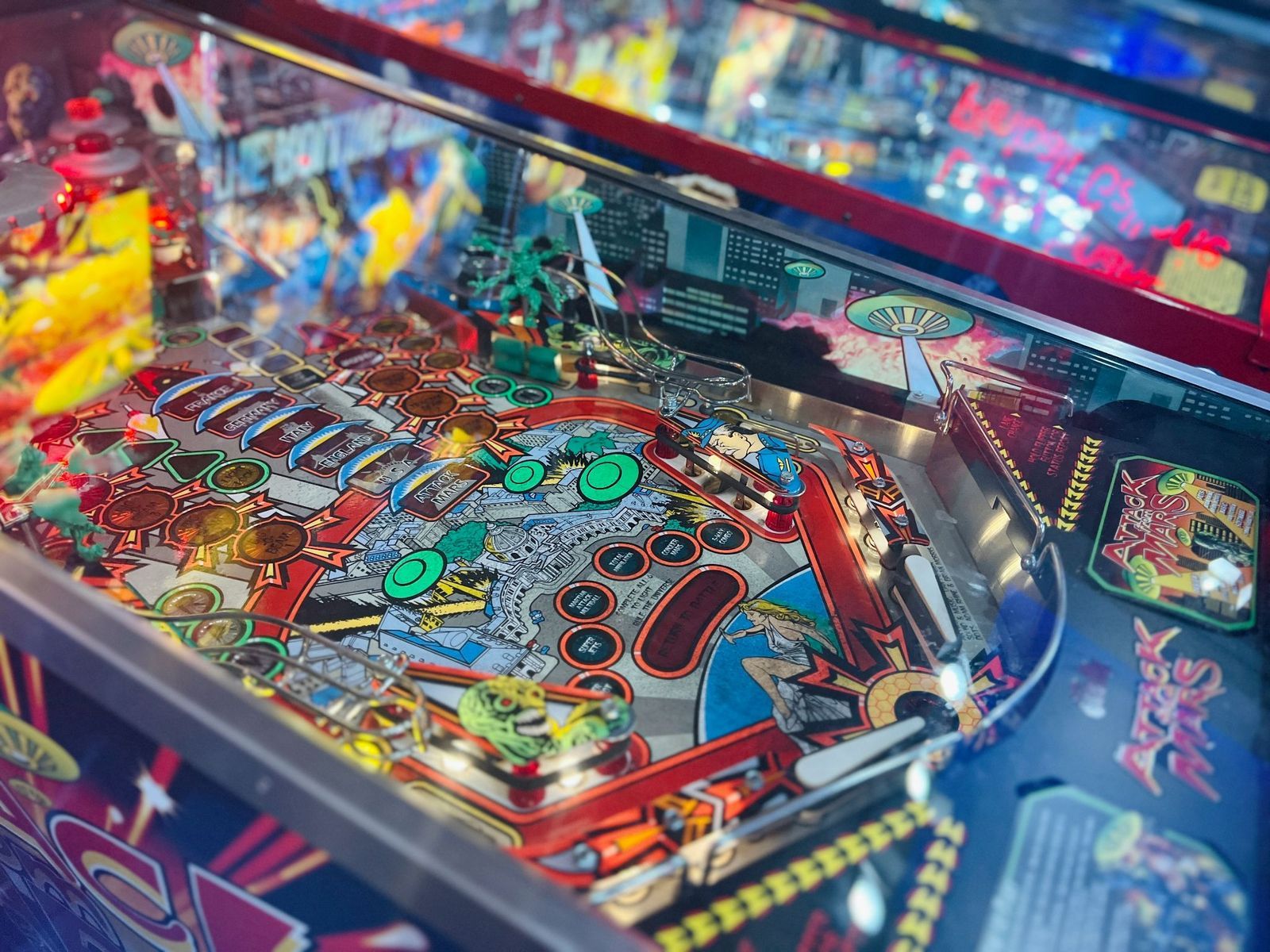
Thanks to technological advances in graphics and gameplay over the decade, video games finally became undeniably popular. With the rise of arcade machines and home consoles, a series of iconic games managed to capture the attention of a wider audience, igniting a cultural phenomenon that would influence music, film, and television. Titles such as Super Mario Bros., The Legend of Zelda, Space Invaders, Pac-Man, and Donkey Kong became classics that defined an era.

9
Cable TV goes mainstream
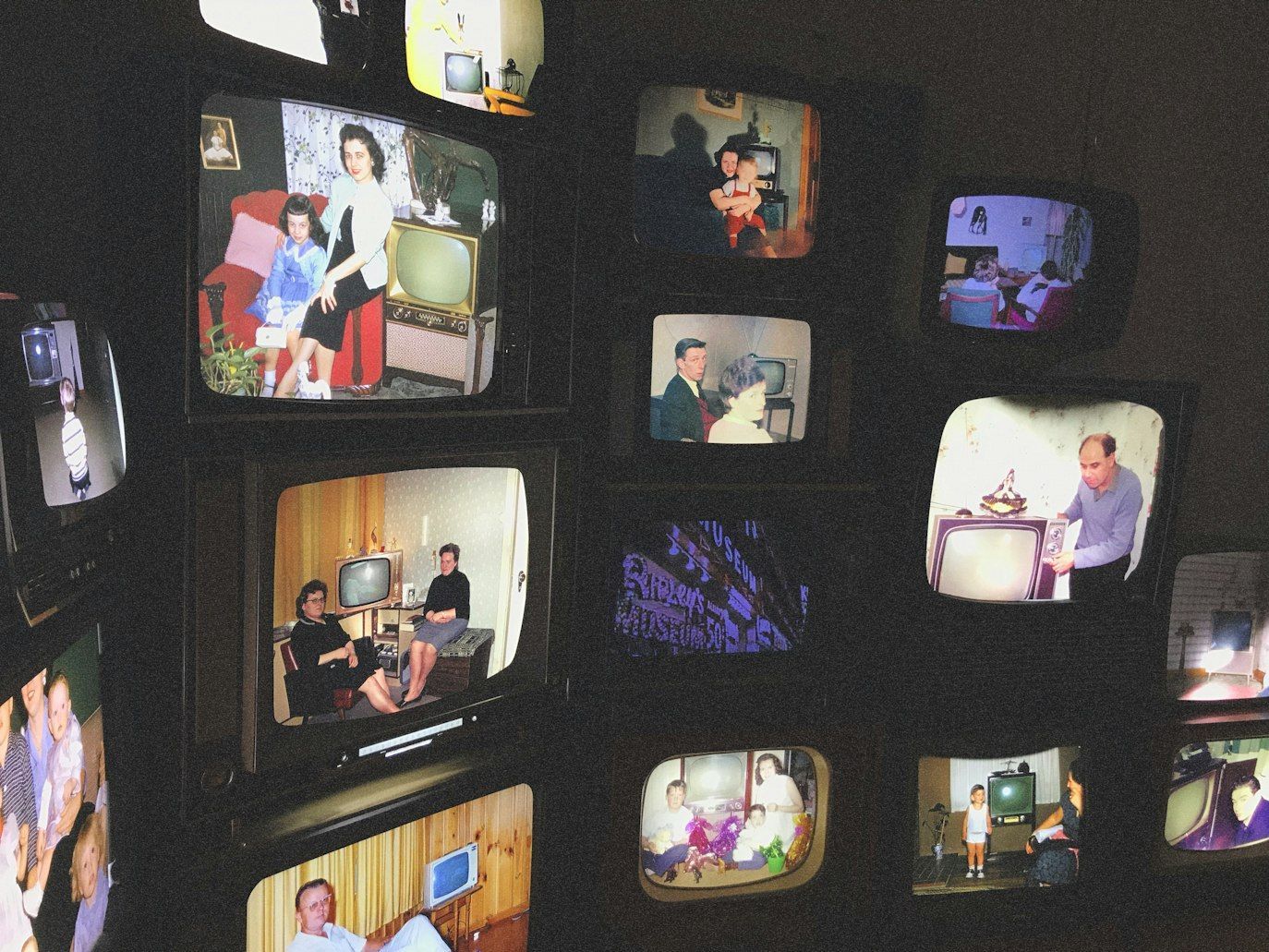
Image: Coline Haslé

When cable TV hit the mainstream, it not only gave the big three American networks a run for their money, but it also allowed the world access to specialized shows that better suited their tastes. Whether your interest was sports, comedy, or music, cable had something for everyone.

CNN and HBO definitely changed television forever, but it was perhaps MTV that left the most indelible mark by offering greater insight into contemporary bands and musicians via live performances and music videos.

10
Fitness fever
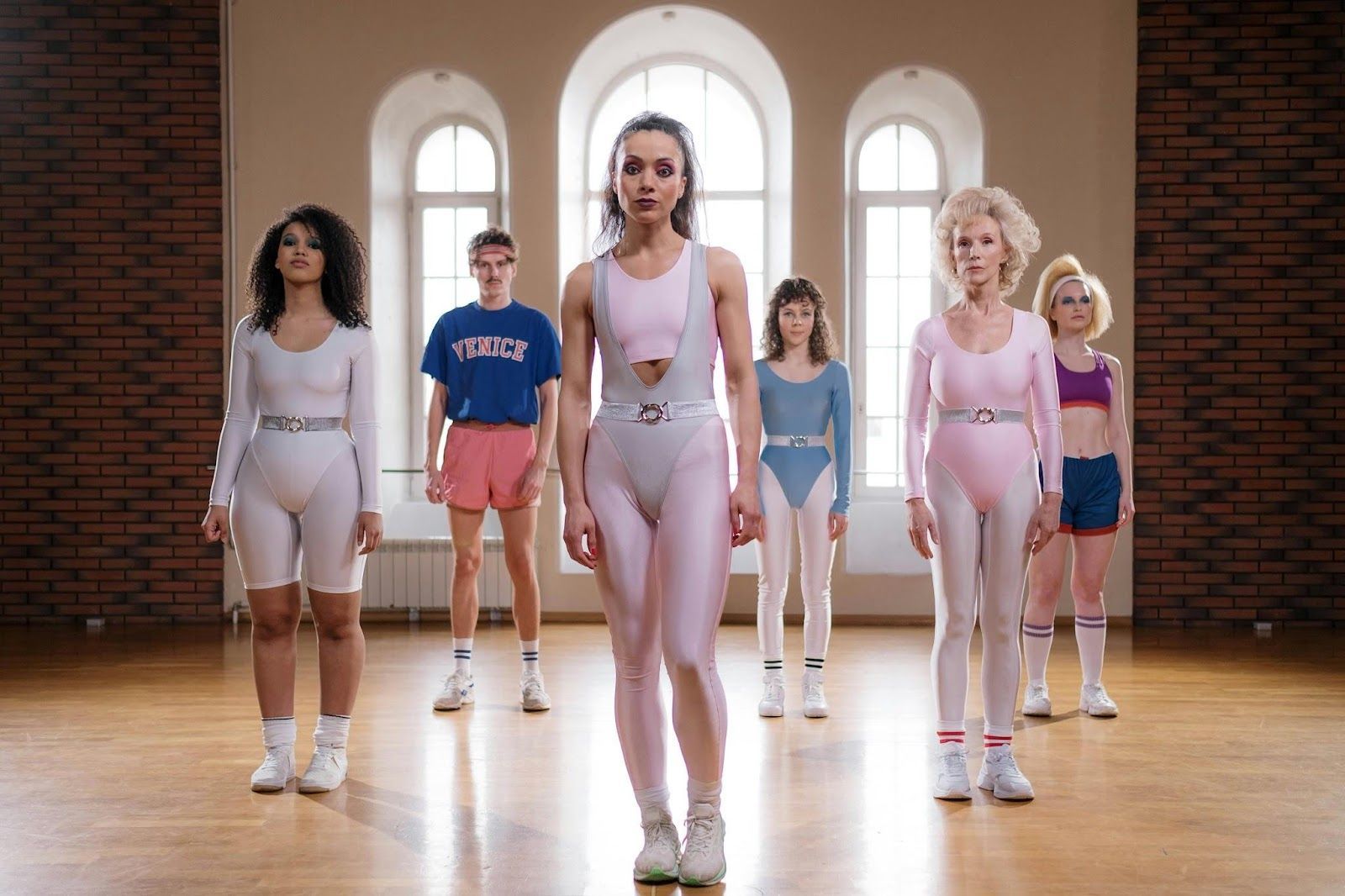
Image: Ron Lach

The 1980s were the golden age of fitness, a trend that reflected society's growing interest in health and wellness. Exercise routines were not just a workout, but a cultural phenomenon that turned our living rooms into mini gyms.

Major clothing brands began designing exercise-specific apparel and accessories, such as leotards, crop tops, and headbands. Celebrities also capitalized on the fitness craze. Jane Fonda, for example, became a massive hit in 1982 with her iconic workout videos, some of the best-selling VHS of all time.
History History 4 min read

Fur, feathers, and fame

The first pets: The surprising, funny, and furry side of history!

Image: Sara Kurfeß

Before social media and spin doctors, some of the most beloved figures in Washington had four legs or wings. From dogs to horses, rabbits, and even raccoons, presidents have shared the White House with a colorful parade of creatures. These pets weren’t just sidekicks; they were family, confidants, and sometimes even headline-makers.

1
George Washington’s hungry hound

Image: Mitchell Orr

George Washington didn’t just lead a new nation; he also led a lively pack of dogs . His favorite, Vulcan, became a bit of a legend after sneaking into the kitchen and stealing a ham right before a fancy dinner party. Washington’s home was full of animals, from hounds with names like Sweet Lips and Madam Moose to strong horses such as Nelson and Blueskin, who carried him through the Revolution. The father of our country clearly had a soft spot for man’s best friend.

2
Thomas Jefferson’s exotic companions

Image: 🇸🇮 Janko Ferlič

When Thomas Jefferson returned from France, he brought back more than political ideas. He also brought home a dog named Bergere, who had puppies during the voyage. Later, explorers Lewis and Clark sent him two bear cubs that lived for a time at Monticello. Jefferson also kept birds, which showed a curious and gentle side to the man remembered for serious debates and historic documents.

3
Abraham Lincoln’s family menagerie

Image: Sergiu Vălenaș

Abraham Lincoln’s household was full of affection, laughter, and animals. His loyal dog, Fido, stayed behind in Springfield when the family moved to Washington, but Lincoln made sure he was cared for. The White House soon filled up with two playful goats named Nanny and Nanko , horses, cats named Tabby and Dixie, and even a few rabbits. Lincoln’s kindness toward animals mirrored his compassion for people.

4
Theodore Roosevelt’s White House zoo

Image: Jaroslaw Slodkiewicz

Theodore Roosevelt didn’t just bring energy to politics; he brought it to pet ownership too. His home was a whirlwind of fur, feathers, and scales. Alongside horses and dogs, there were guinea pigs, a macaw, a badger, a snake named Emily Spinach, and even a bear called Jonathan Edwards. Roosevelt’s six kids were always introducing new creatures, turning the White House into a joyful, unpredictable zoo.

5
Woodrow Wilson’s tobacco-chewing ram

Image: Livin4wheel

Woodrow Wilson’s presidency wasn’t all about policy and world affairs. He also had a ram named Old Ike, who was known for chewing on cigars . Wilson kept a flock of sheep on the White House lawn during World War I to help raise money for the Red Cross by selling their wool. Along with dogs, birds, and a cat named Puffins, the Wilson White House looked more like a small farm than a seat of government.

6
Calvin Coolidge’s cheerful chaos

Image: Christian Hess Araya

If anyone rivaled Roosevelt’s menagerie, it was Calvin Coolidge. He and his wife, Grace, were devoted animal lovers. Their White House included twelve dogs, two cats, seven birds, a donkey named Ebenezer, two raccoons called Reuben and Rebecca, and even a bobcat named Smoky. Rob Roy, their white collie, was so beloved that he appeared in Grace Coolidge’s official portrait. With so many paws and claws around, quiet moments were rare, but laughter was constant.

7
Franklin D. Roosevelt’s loyal Fala

Image: Chris Arthur-Collins

Few pets have reached celebrity status quite like Franklin Roosevelt’s Scottish terrier, Fala . The little dog went everywhere with the president and even had his own fan club. When critics accused Roosevelt of forgetting Fala during a trip to Alaska, the president jokingly denied it in a speech that won over the crowd. Fala stayed faithfully by his side through good times and bad, a symbol of loyalty during some of the nation’s hardest years.

8
John F. Kennedy’s household of charm

Image: Gary Bendig

The Kennedys filled the White House with laughter and animals. Their pets included Pushinka, a gift from Soviet leader Nikita Khrushchev, who had puppies with the family’s dog, Charlie. The Kennedys gave the puppies to children who wrote to them. They also had horses, cats, birds, hamsters, and even a rabbit named Zsa Zsa . Caroline’s pony, Macaroni, became a favorite of photographers and fans, perfectly matching the family’s youthful, warm image.

9
Lyndon B. Johnson’s famous beagles

Image: Doğan Alpaslan DEMİR

Lyndon B. Johnson’s dogs, Him and Her, became almost as well known as their owner. Johnson once caused a stir by lifting one of them by the ears for a photo, but he truly loved his pets. He kept several dogs, along with birds and hamsters that entertained his family. Johnson was the last president to keep anything beyond the usual cats and dogs at the White House, marking the end of a particularly lively era for presidential pets.

10
Ronald Reagan’s ranch companions

Image: Florin Palamarciuc

For Ronald Reagan, animals were part of the good life. His dogs, Lucky and Rex, often joined him at the family ranch, where he could ride horses and enjoy the open air away from Washington. Rex even had his own miniature White House doghouse . The Reagans saw their pets as family and often talked about how much joy they brought to their lives, proof that even presidents need a wagging tail to make a house feel like home.

Culture Culture 4 min read

How to blend in with the locals

12 regional slang words that you might want to learn

Image: DJ Johnson

English might be the official language of all Americans, but this doesn’t mean it’s spoken the same everywhere. Across the 50 states and the territories, slang is just another way to express the idiosyncrasies of each region and its unique realities. Check out these slang phrases; they might come in handy in the future.

1
Philadelphia: Jawn

Image: ActionVance

Meaning: used as a placeholder for a noun.

When in Rome, do as the Romans do. When in Philly, be aware that the word jawn can and will be used in every sentence, no matter if the jawn in question is a thing, person, event, or place. If it’s a noun, it can be jawn’ed.

2
New England: Grinder

Image: Yoad Shejtman

Meaning: a sub sandwich.

Subs must be one of the most widely known American sandwiches, and rightfully so. Its possibilities when it comes to fillings are seemingly endless, no matter your personal tastes. But you must consider that not every sub is called a sub. If you are passing through New England and fancy a sandwich, looking for a grinder will get you there quicker.

3
Midwest: Schnookered

Image: Vinicius amnx Amano

Meaning: wasted, scammed.

Is there a connection between excessive alcohol consumption and being easy to deceive? Midwesterners apparently think so, because they use the same term for both situations. We tend to agree, nothing good can come from doing business while under the influence.

4
New York: Schlep

Image: Keagan Henman

Meaning: a difficult task, to carry something with difficulty.

As far as hectic places go, New York seems to be leading the rankings. No wonder they have a dedicated slang repertoire for difficult situations. If you are planning on visiting the Big Apple, take it easy; you will most likely encounter a schlep.

5
Florida: No-see-ums

Image: Aditya Vyas

Meaning: tiny biting midges.

Ah, Florida! The land of cruises, alligators, and invisible attacking bugs. These welcoming critters are known for attacking at dawn and leaving itchy marks that will sting for days. They go by the government name of Ceratopogonidae, but the no-see-ums nickname seems more accurate.

6
Boston: Regular

Image: Kelly Sikkema

Meaning: coffee with cream and sugar.

Forget about americanos, lattes, and espressos, a regular is the Boston way to go. Associated with a popular Dunkin’ order, it will come already creamed and sugared. Not advisable for diabetics and lactose intolerants.

7
Puerto Rico: A mi, plín!

Image: Ana Toledo

Meaning: I don’t care.

Puerto Rican slang can be hard to decipher even if you speak some Spanish, but this makes it even more unique. This phrase —literally translated as ‘to me, plin’— is commonly used to express that something or someone is of no concern to you. What is a ‘plin’? We don’t really know, but to us, plin!

8
Pacific Northwest: The mountain is out

Image: Caleb Riston

Meaning: there is good weather

Mount Rainier is one of the icons of Seattle and the Pacific Northwest, even though the stormy weather can often make it difficult to admire. On the days when the sky is clear and cloudless, this natural wonder "is out" and can be seen in its entirety. For the locals, the mountain being out has become synonymous with lovely weather and sunny skies.

9
Texas: Fixin’ to

Image: Pete Alexopoulos

Meaning: about to.

We are including this phrase as Texan slang, but you might hear it from Southerners of other states. What do they use it for? Not to talk about repairs, but to say they are about to do something or getting ready for something. Important: do not confuse it with ‘fixins’, a way to refer to side dishes or condiments.

10
Alaska: Sourdough

Image: DDP

Meaning: a long-time resident.

Alaska is filled with natural wonders, but it has always been a tough place to live in, especially during the time of the pioneers. These brave people relied on a few food sources, one of them being sourdough starter to make bread and biscuits. In time, seasoned Alaskans came to be referred to as ‘sourdough’, as a way of honoring their resilience and love for the territory. Opposite to a ‘sourdough’, you can find a ‘cheechako’ or newcomer.

11
Utah: RM

Image: Taylor Brandon

Meaning: someone who returned from their missionary service.

Utah is known for many things, one of them being its high number of Church of Jesus Christ of Latter-day Saints members (commonly known as Mormons). Many members of the Church choose to serve as missionaries, an activity that can take them to a different state or even a different country for up to two years. Once they come back, they might be referred to as RM, or ‘returned missionary’.

12
Hawaii: Da kine

Image: little plant

Meaning: placeholder for something.

If you are in Hawaii, you might notice locals using this phrase to refer to various things, similar to how other English speakers use ‘whatsit’ as a placeholder. A common phrase in Hawaiian Pidgin, ‘da kine’ can be used for objects, people, places, ideas, and much more.

Explore more American facts

Choose your favorite category!

General
General

As American as apple pie—the very best America has to offer!

Culture
Culture

Delve into the astounding richness of American lore.

Geography
Geography

Hop in and explore vast and diverse American landscapes.

History
History

Discover the key moments that shaped the United States.