General General 6 min read

One of a kind

Legal exceptions: 10 states with unique regulations
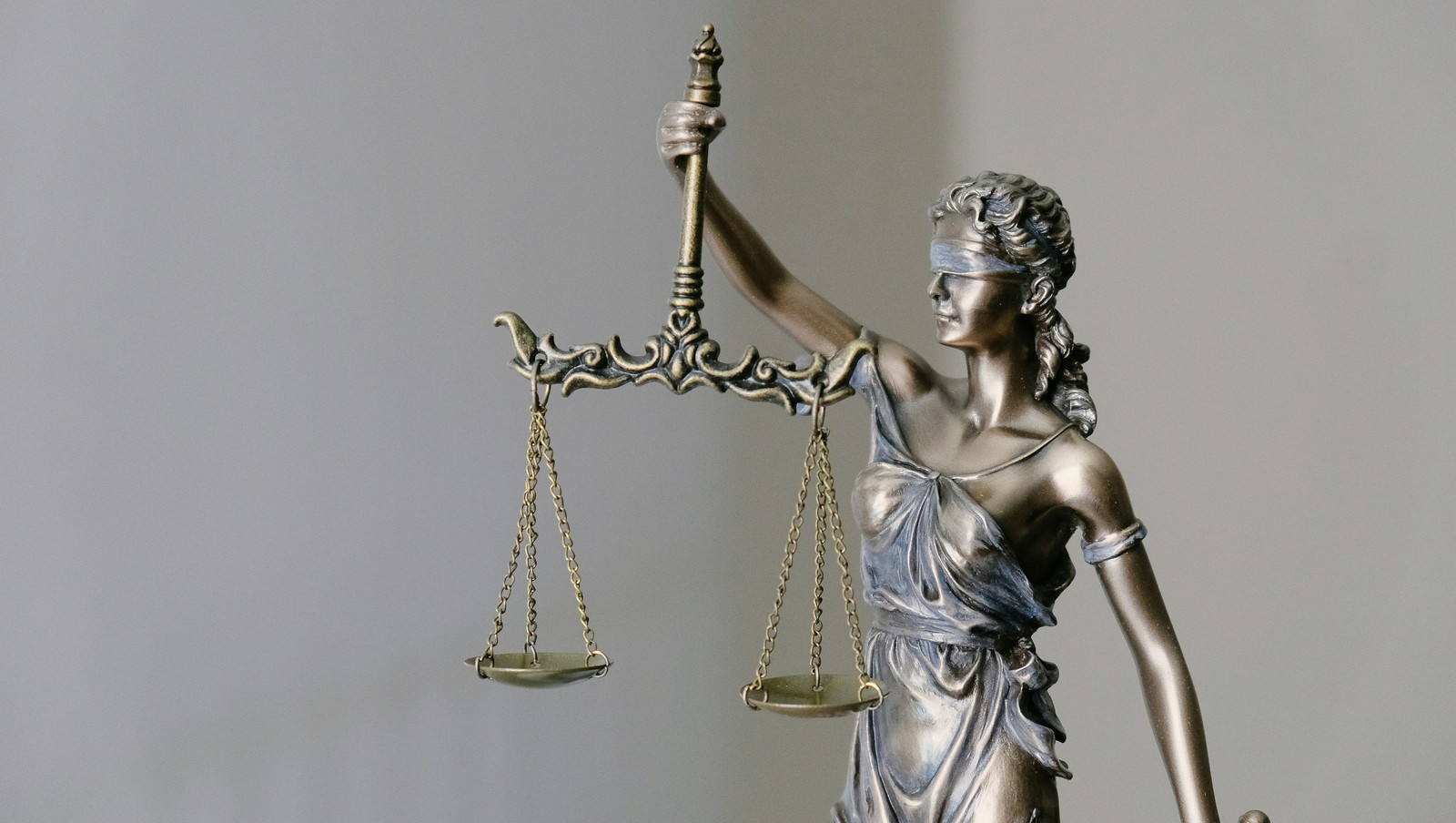
Image: Tingey Injury Law Firm

Did you know that you are legally allowed to drive without a seatbelt? That’s right, at least in New Hampshire. In the US, each state creates its own laws and regulations , which means that sometimes what’s legal in one state might be banned in another. Most regulations are similar, but once in a while, a state decides to do something unexpected , such as imposing fines on people pumping their own gas or allowing the possibility of splitting its territory into new states. Let’s see some of these laws and regulations.

1
New Hampshire: Seat belts are not mandatory

Image: Remy Lovesy

The invention of the seat belt revolutionized automobile safety, and it is not a surprise that it is a legal requirement for driving in the U.S. and many other countries . However, there is a state where it is not a requirement, provided that you are an adult.

Under New Hampshire state law, only minors are required to have a seatbelt —or a safety seat in the case of infants. Adults can do as they see fit in this matter , which follows the state’s stance on personal issues, reflected in its motto "Live Free or Die". However, while you will not be pulled over for driving without a seat belt, it can be used against you in the case of an accident or an injury lawsuit.

2
New Jersey: No pumping your own gas
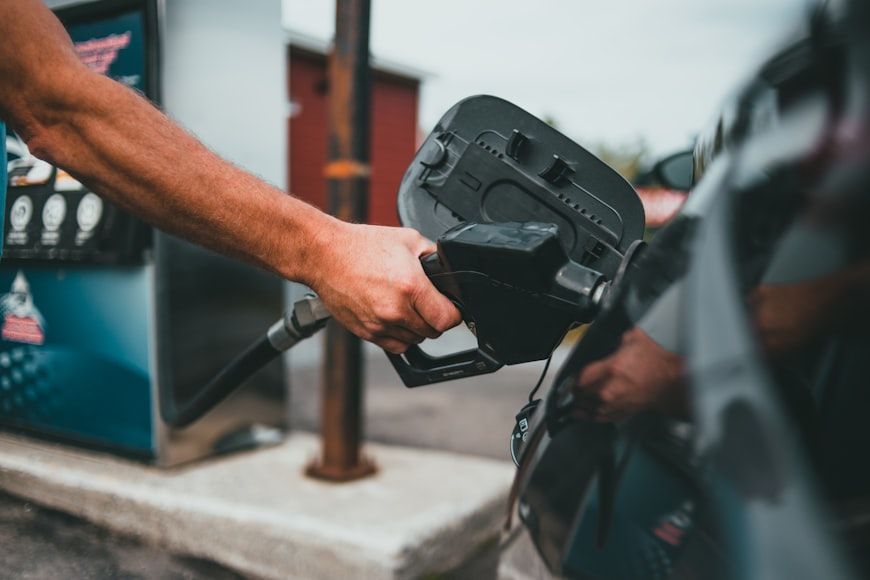
Image: Erik Mclean

A few decades ago, New Jersey was no exception in this matter, and it was just one of many states where self-service gas stations were banned due to safety concerns and pressure from full-service station owners.

Most states have repealed the ban since then —Oregon was the last state to do so in 2023; however, New Jersey still requires gas to be pumped by a trained attendant , imposing fines of up to $500 on any customer found pumping their own gas.

3
Nebraska: Unicameral legislature
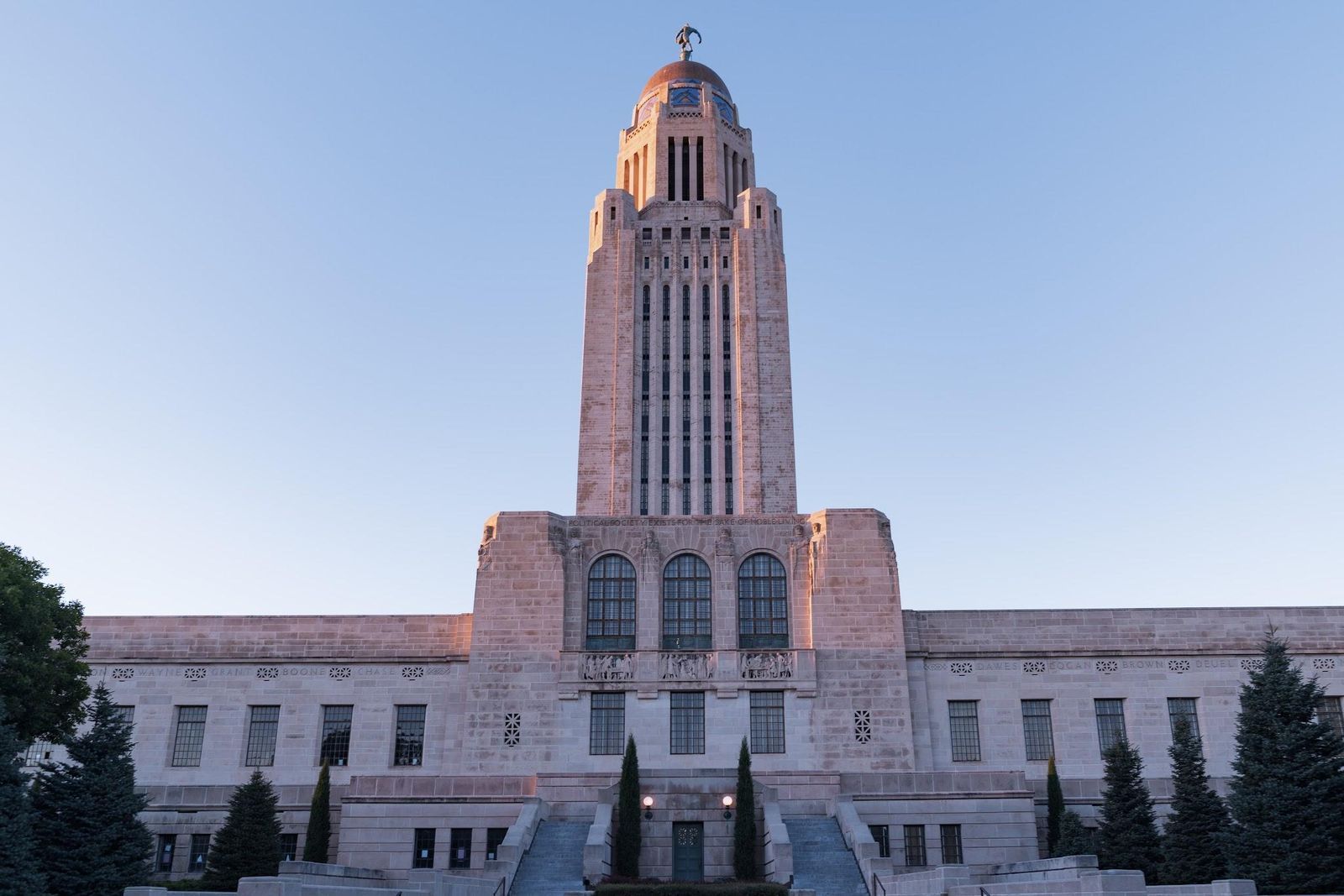
49 of the 50 states have a government comprised of two chambers, a Senate and a House of Representatives, and the state of Nebraska originally followed the same structure. Still, a mere 50 years after gaining statehood in 1867, Nebraskans had grown tired of both chambers disagreeing on most laws and started pushing for the creation of a unified chamber.

This idea became a reality in 1937, when a referendum abolished the dual-chamber system and established a single-chamber system in its stead. But it was not just that: the newly instituted Nebraska Legislature reduced the number of representatives from 133 to 49 , elected without affiliation to a political party, to ensure that state affairs and interests would be at the forefront.

4
Texas: Right to create new states
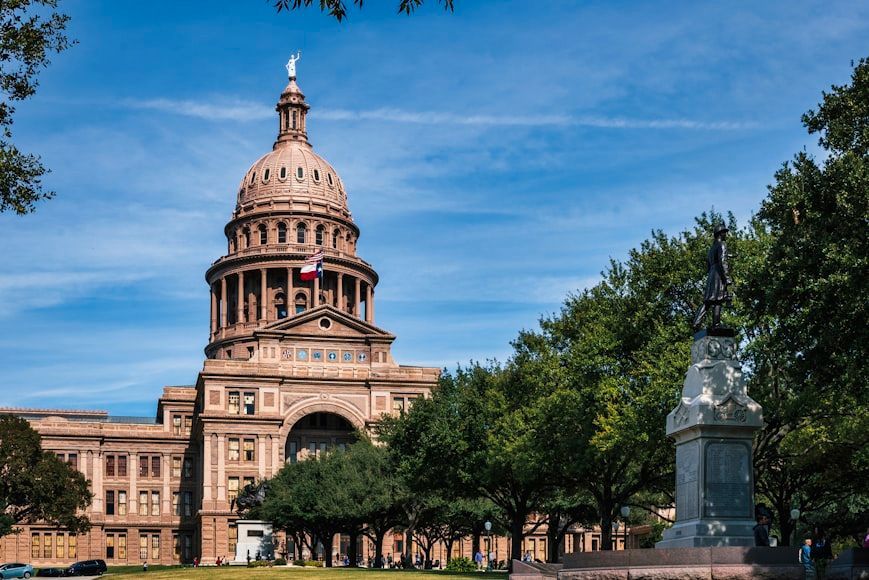
Image: Trac Vu

Although the federal system gives states the authority to create their own laws and regulations, some major changes, such as a territorial division, require the explicit approval of both the state’s legislature and the U.S. Congress . That is, unless you are the State of Texas.

At the time of Texas annexation in 1845, a special clause regarding this matter was included in the annexation resolution, granting Texas the right to create up to four new states —while maintaining the State of Texas— out of its territory and population without interference from the U.S. Congress, though it would need approval from the state’s legislature. This clause has been invoked several times, citing administrative, political, or economic reasons to divide the territory, but it has never been put to use.

5
Alaska: Annual payment to residents
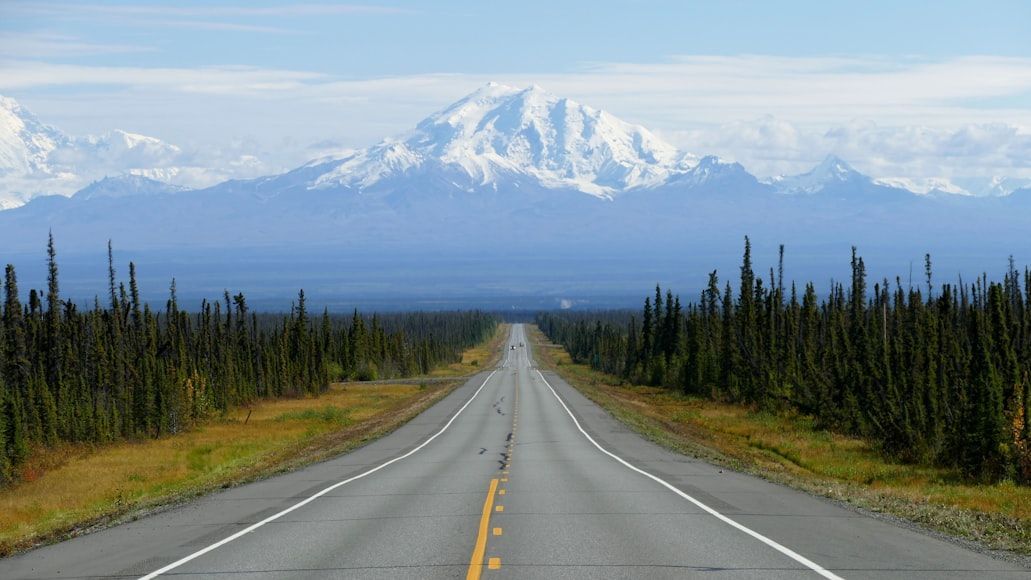
Image: Joris Beugels

Out of all American states, Alaska has historically been considered one of the most difficult to live in due to its proximity to the Arctic Circle, its limited daylight, and its isolation. These physical difficulties also result in economic hardships, which means that many Alaskans rely on federal assistance.

In 1976, the state government established the Alaska Permanent Fund Corporation to ensure that residents of Alaska would benefit from the territory’s natural resources. Through this fund, the government invests a percentage of the state oil and mineral royalties and pays permanent residents —children included— an annual benefit. Part of the investment is also used to fund essential public services such as education, infrastructure, and safety.

6
Louisiana: Napoleonic Code system
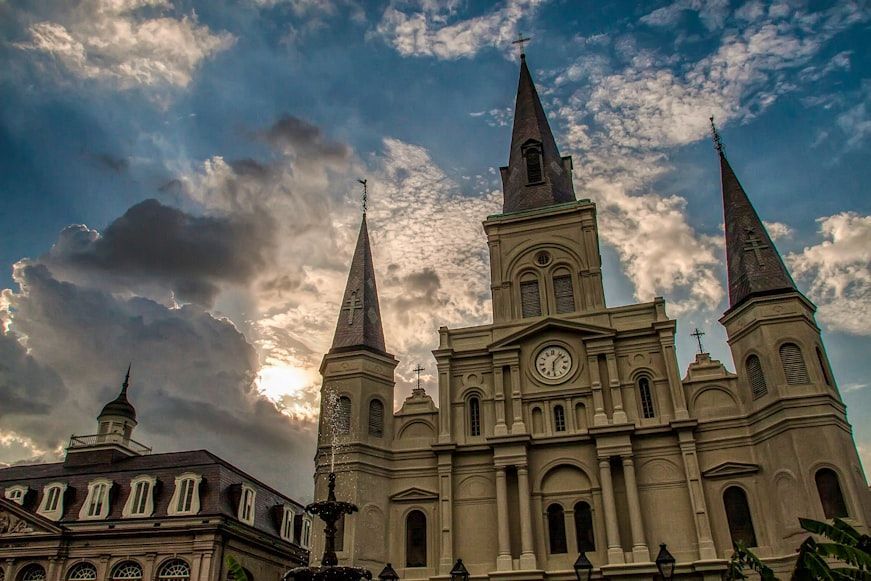
Image: Mick Haupt

As a consequence of its past as a British colony, America operates under a common law system . This means that, despite the enactment of new laws, past court and judicial decisions are extremely relevant and create a precedent.

Many states were never part of the British Empire, having belonged to France or Spain in the past, but only one has inherited a different legal system because of it. In the state of Louisiana, civil law is codified following the system of the Napoleonic Code . This means that decisions are not based on judicial precedents, but must follow the systematic laws collected in the code.

7
North Dakota: No voting registration
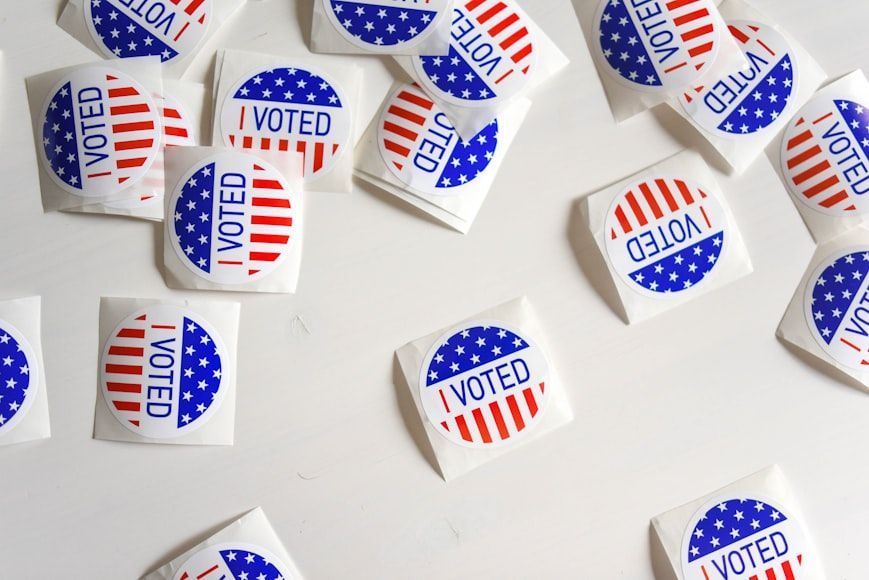
Image: Element5 Digital

Voting registration is a huge part of America’s electoral system, with campaigns focusing on registration deadlines and requirements. Although voting is not mandatory, the registration system is intended to ensure that those who desire and are eligible to vote can do so.

The state of North Dakota is the sole exception to this prerequisite, having abolished voting registration in 1951. Does this mean that anyone can vote in North Dakota? Of course not. North Dakotans are required to show proof of ID at the polls before voting . If you have been a resident of the state for more than 30 days and fulfill the general requirements, you can vote.

8
Hawaii: No independent or incorporated cities
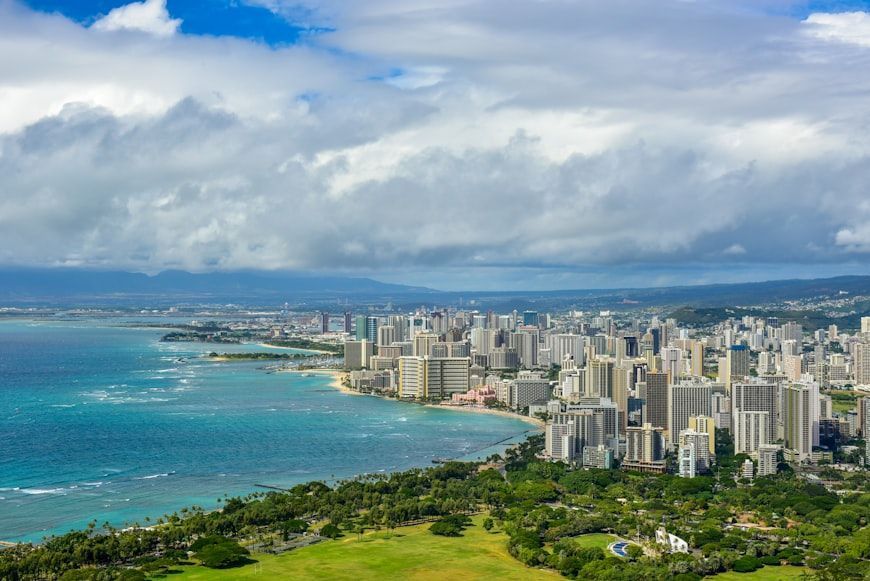
Image: Zetong Li

Not all American cities work in the same way when it comes to their governments . Cities and towns can be consolidated —meaning the city and county government is the same—, incorporated —having their own government but operating under county law—, or independent —not belonging to a county. Most states have a mix of these, but Hawaii is an exception.

The state of Hawaii is divided into four counties: Honolulu, Maui, Hawaiʻi, and Kauaʻi. While the city of Honolulu has a municipal government, it is a consolidated city, meaning that there are no cities, towns, or jurisdictions in Hawaii that have a government of their own, and all issues, public services, and regulations are handled by the respective county.

9
Washington, D.C.: Laws have to be approved by Congress
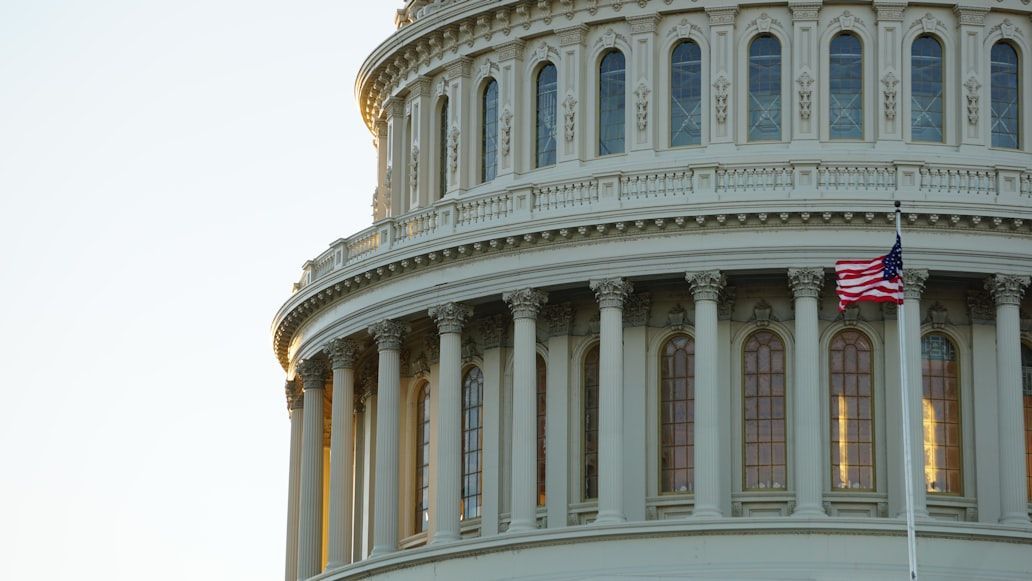
Image: Ian Hutchinson

Washington, D.C., is unique in itself because it is neither a state nor a territory, despite sharing characteristics with both. As a federal district, Washington, D.C., is part of the U.S. like the states are, but unlike them, it does not have legislative autonomy.

According to the Constitution, the jurisdiction over the city belongs to Congress, making it the de facto legislature of Washington, D.C. After the passing of the 1973 Home Rule Act, the city can elect a mayor and a city council, but all laws and regulations are ultimately subject to approval by Congress.

10
Montana: No "at-will" firing of a permanent employee
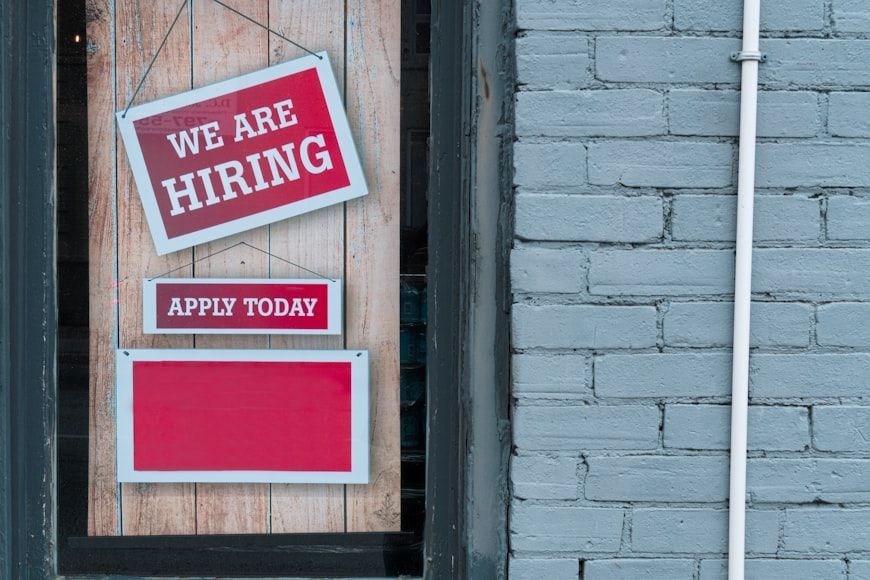
Image: Eric Prouzet

Employment laws vary from state to state, except for issues already defined by federal law. Despite the differences, most states follow the "at-will" doctrine, meaning that employers and employees can terminate the employment relationship at any time , for any legal reason, without notice, unless otherwise specified in a contract. While prohibiting discriminatory or unlawful terminations, this mode of employment gives flexibility for everyone involved.

The state of Montana, however, has a different approach to employment. State laws require a probationary period (usually 12 months), during which "at will" principles apply. After this period, employers must provide a "good cause" for termination , such as performance failures, disruption of operations, or other reasonable job-related issues.

General General 6 min read

COLORFUL COMPANIONS

From Uncle Sam To Toucan Sam, Here Are 10 Of The Most Iconic Mascots!

Image: Library of Congress

Some believe that the concept of mascots is outdated and that we don’t really need to have these cheerful and colorful ambassadors pop up in our daily lives. However, most Americans (us included) not only consider mascots to still be relevant, but we believe that they are heavily ingrained in our country’s pop culture and history. Some of these characters (many of them featured in this article) have been with us for our entire lives, teaching us about responsibility or simply entertaining us while we are enjoying a nice bowl of cereal. We have selected ten of the most iconic and cherished American mascots, in an effort to pay a well-deserved tribute to these amazing and timeless characters. Enjoy!

1
Tony the tiger

Image: Sten Ritterfeld

Tony the Tiger is a strong contender for the title of the world’s most famous cereal mascot: his go get 'em' attitude and amazing design have cemented him as a pop culture icon. Tony has been the quintessential mascot for Frosted Flakes since the 1950s, encouraging families to add this delicious cereal to their kids’ breakfast.

Curiously, Tony first appeared as part of a group of mascots that included characters like Katy the Kangaroo or Elmo the Elephant. However, this tiger’s immense popularity made him Frosted Flakes' sole representative. In due time, Tony’s family got bigger: the character now has a spouse called "Mrs. Tony" and two children, Antoinette and Tony Jr.

2
Ronald McDonald

Image: Erik Mclean

McDonald’s chooses to describe their iconic mascot and symbol, Ronald McDonald as "The Smile Known Around the World." This phrase perfectly summarizes this clown’s unbelievable popularity: McDonald’s claims that Ronald is only second to Santa Claus in terms of recognition and that virtually every schoolchild in America can immediately identify him.

In his 1963 television debut, Ronald McDonald’s appearance was quite different: these television spots featured a clown with yellow hair, striped yellow pants, and a McDonald’s cup on his nose. It wasn’t until 1966 that a real-life clown helped redesign the character, turning him into this instantly recognizable mascot.

3
Snap, Crackle, and Pop

Image: SqueakyMarmot from Vancouver, Canada, CC BY 2.0

Not many people know this, but the names of the three timeless Rice Krispies mascots actually come from a 1930s radio ad. At the time, Rice Krispies was advertised as "the talking cereal" and they promised to "merrily snap, crackle, and pop in a bowl of milk." A few years later, illustrator Vernon Grant took these onomatopoeic sounds to name the trio, calling them Snap, Crackle, and Pop.

Since their first appearance in 1933, these elf-like creatures have appeared in countless ads, often voiced by a myriad of talented actors that include names like Ben Schwartz, Tom Kenny, and Josh Brener.

4
Toucan Sam

Image: Necip Duman

As you might have noticed through their unusual spelling, Froot Loops are all about their loopy shape and the fun times that come with them. In that sense, this colorful breakfast cereal has an equally colorful representative: Toucan Sam, Froot Loops’ mascot since 1963.

Originally voiced by Hollywood legend Mel Blanc (responsible for voicing Bugs Bunny and Barney Rubble, among others), Toucan Sam has an extraordinary sense of smell, which helps him find Froot Loops from a great distance. Most Froot Loops ads end with Sam using his nose to locate a hidden bowl of cereal, before chanting his catchphrase "Follow your nose! It always knows!"

5
Phillie Phanatic

Image: Michael Stokes, CC BY 2.0

Few characters literally stand out as the Phillie Phanatic does. The moment you arrive at Citizens Bank Park to watch the amazing Philadelphia Phillies play, you will immediately notice this furry, green bird dancing somewhere in the stadium. Since 1978, this character has brought joy and treasured memories to countless Philadelphians.

Did you know that the Phanatic is a distant relative of the Muppets ? You would think his green fur made him a long-lost cousin of Kermit the Frog, but this relation comes from the fact that one of the Phanatic’s creators, Bonnie Erickson, also created the Muppets’ Miss Piggy and Statler & Waldorf.

6
Mr. Met

Image: Metropolitan Transportation Authority of the State of New York from United States of America, CC BY 2.0

We hope we don’t start any heated baseball debates by including this mascot, who many believe to be the very first Major League mascot to appear in human form. While Mr. Met first appeared as a cartoon character in programs, it was his 1964 introduction as a live costumed mascot that skyrocketed him to fame.

Although his design has varied over the years, Mr. Met is instantly recognizable through his striped Mets uniform and large baseball head. Soon after his inception, Mr. Met was given a female counterpart companion known as "Mrs. Met," who joins him in Citi Field to cheer on every New York Mets game.

7
Smokey the Bear

Image: Brian Wangenheim

Since 1944, Smokey the Bear has helped U.S. forests and landscapes with his prevention campaigns. Generations of American children have been inspired and encouraged by Smokey and his memorable catchphrase: "Only you can prevent wildfires!"

What’s interesting is that this iconic fictional bear inspired the name of a beloved real bear. In 1950, a three-month black bear cub was rescued from a massive wildfire in the Capitan Mountains in New Mexico. Although he was originally named "Hotfoot Teddy" by his rescuers, the cub was renamed "Smokey" after the fire safety mascot and was relocated to the National Zoo, where he grew up to become an American icon.

8
The California Raisins

Image: Syed F Hashemi

How did a 1986 commercial promoting the California Raisin Advisory Board end up becoming an Emmy-nominated, Billboard Hot 100-listed supergroup? Well, that’s the magic of the California Raisins at work. No one expected these anthropomorphized claymation raisins to be as popular as they were, and yet they went on to become the quintessential mascot for one of California’s most cherished agricultural products.

The Raisins were created by the advertising firm Foote, Cone & Belding. According to legend, one of the firm’s writers came up with the concept after saying "We have tried everything but dancing raisins singing 'I Heard It Through the Grapevine'." To everyone’s surprise, the Raisins' rendition of Marvin Gaye’s classic song became a massive success and paved the way for numerous other TV appearances, including a Saturday morning cartoon and a Christmas special.

9
McGruff the Crime Dog

Image: sydney Rae

In a medium already filled with exemplary TV detectives, McGruff the Crime Dog broke through the ranks and taught an entire generation of American children to "Take a bite out of crime!" Dressed in his iconic beige raincoat (reminiscent of the legendary Frank Columbo), this anthropomorphic hound was created by the National Crime Prevention Council in an effort to help prevent crime in America.

Over 40 years have passed since his national debut, but McGruff the Crime Dog still manages to do his part in increasing the safety of all Americans. This iconic character has appeared in national campaigns as recently as 2022, and will undoubtedly return whenever his country needs him.

10
Uncle Sam

Image: Steve Shook from Moscow, Idaho, USA, CC BY 2.0

We’ll end with what many believe to be the most iconic personification of the United States. While Uncle Sam is perhaps most known for the "I Want You" posters encouraging citizens to enlist in WWI, the truth is that the character is much older than that. In fact, his origins can’t be entirely traced, to the point that the birth of this iconic character is still shrouded in mystery.

Most historians agree that Uncle Sam first came into use during the War of 1812. According to this popular theory, the man who inspired this mascot was Samuel Wilson, a meatpacker from New York who supplied rations to the Army during the war. Apparently, many soldiers jokingly referred to the U.S. initials in their packages (that stood for "United States") as the initials for "Uncle Sam," unknowingly giving birth to this American legend.

Culture Culture 3 min read

No Empire State on this list

It is hard to believe, but these architectural gems are often overlooked

Image: Kyoshi Reyes

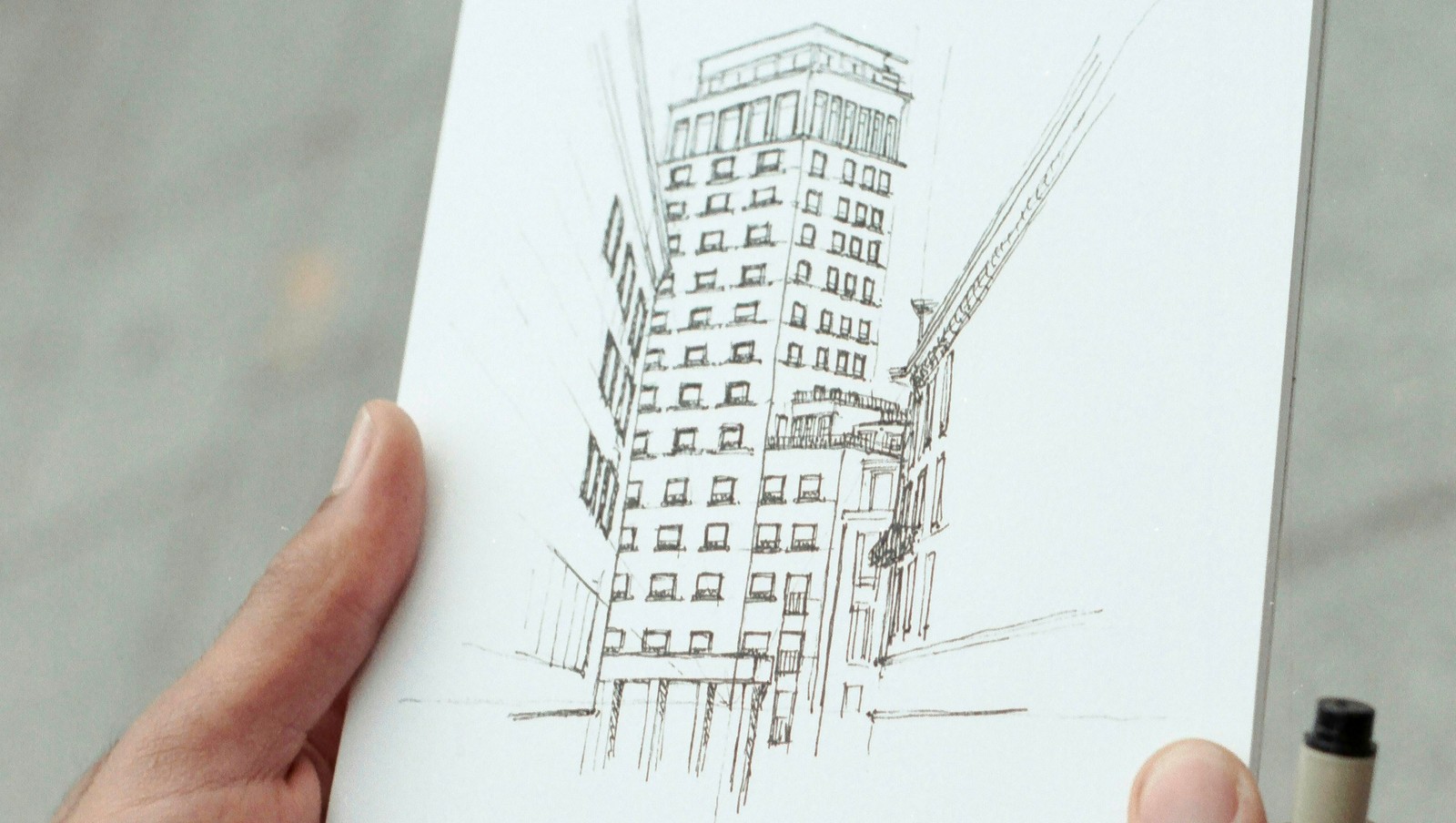
When most people think of American architecture, famous structures like the Chrysler Building or the Golden Gate usually come to mind. But tucked away in quiet towns and unexpected corners are some truly stunning, lesser-known architectural gems. Let’s take a tour of 11 of these under-the-radar buildings that deserve a second look.

1
Forestiere Underground Gardens

Image: Francesco Ungaro

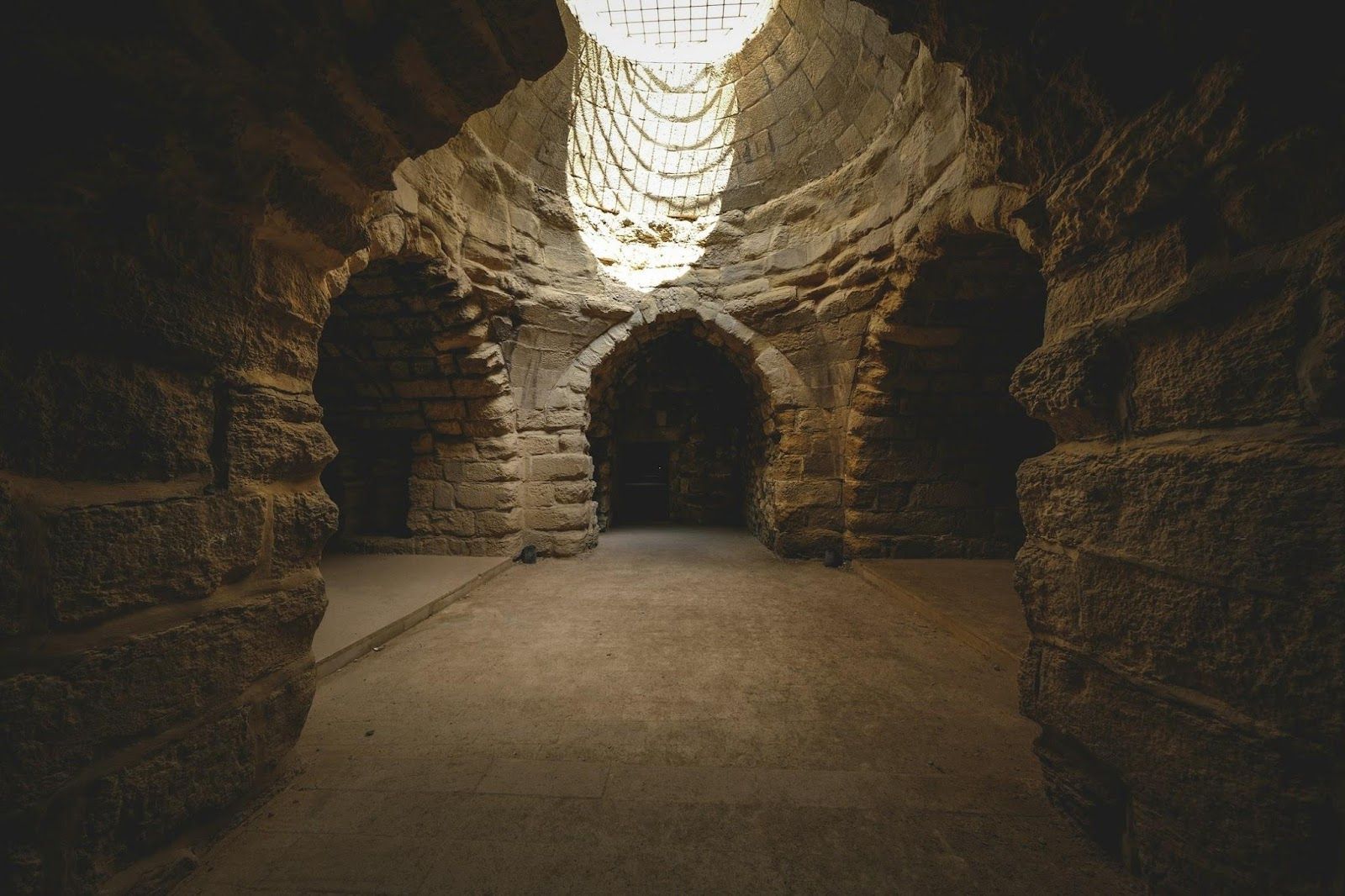
Baldassare Forestiere, a Scicilan immigrant built a series of subterranean structures over a period of 40 years in Fresno, California.

Initially created as a small cellar to escape the summer heat, Baldassare carved a series of attached rooms, with underground trees , creating an incredible structure that can be visited today.

2
Swaminarayan Akshardham

Image: Usha Kiran

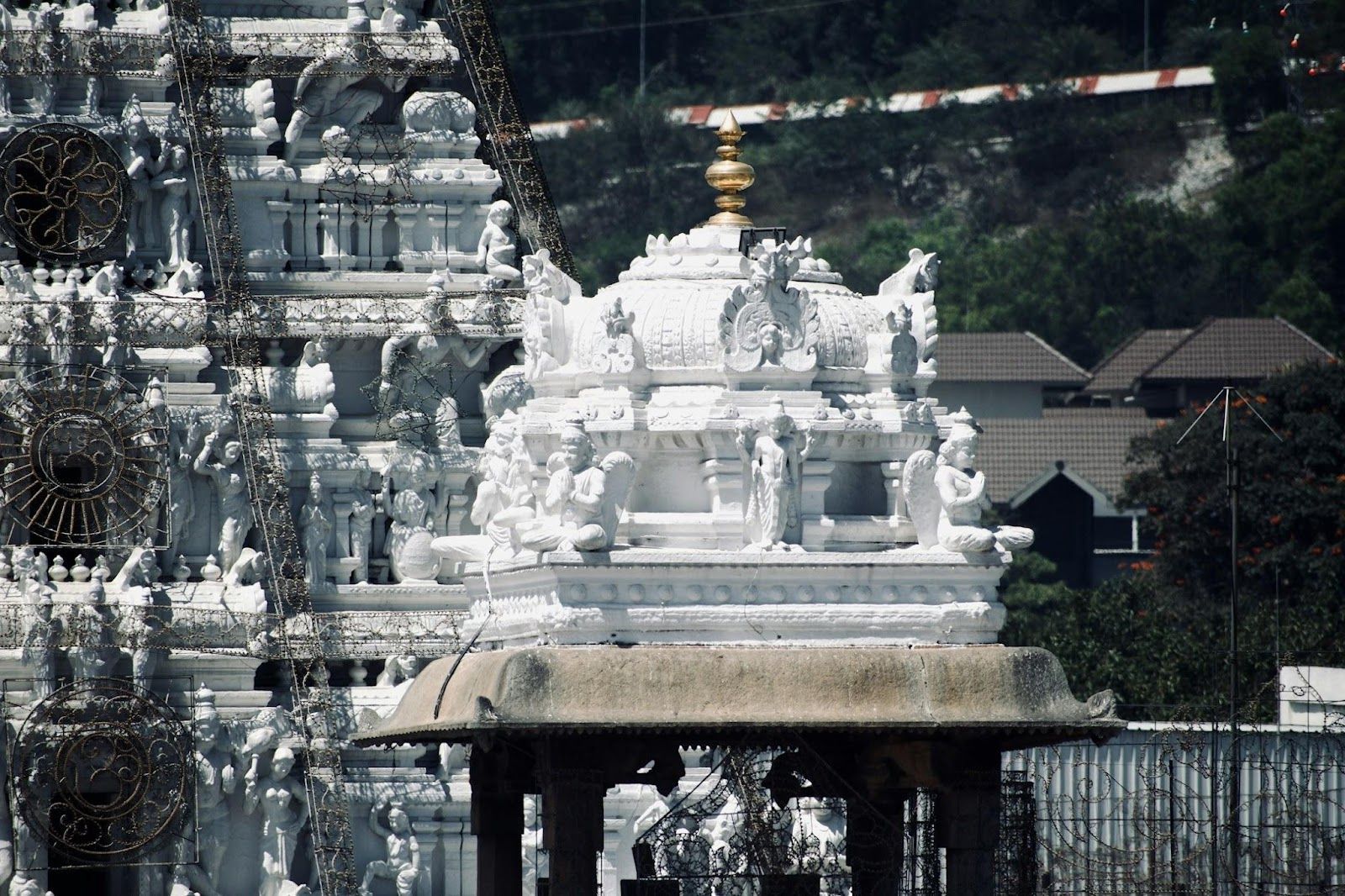
A structure that most people would associate with a very different part of the world was built between 2015 and 2023 in Robbinsville, New Jersey: a large Hindu temple . It is the largest building of this kind in the United States and the second largest in the world.

3
Cathedral of Learning

Image: henry perks

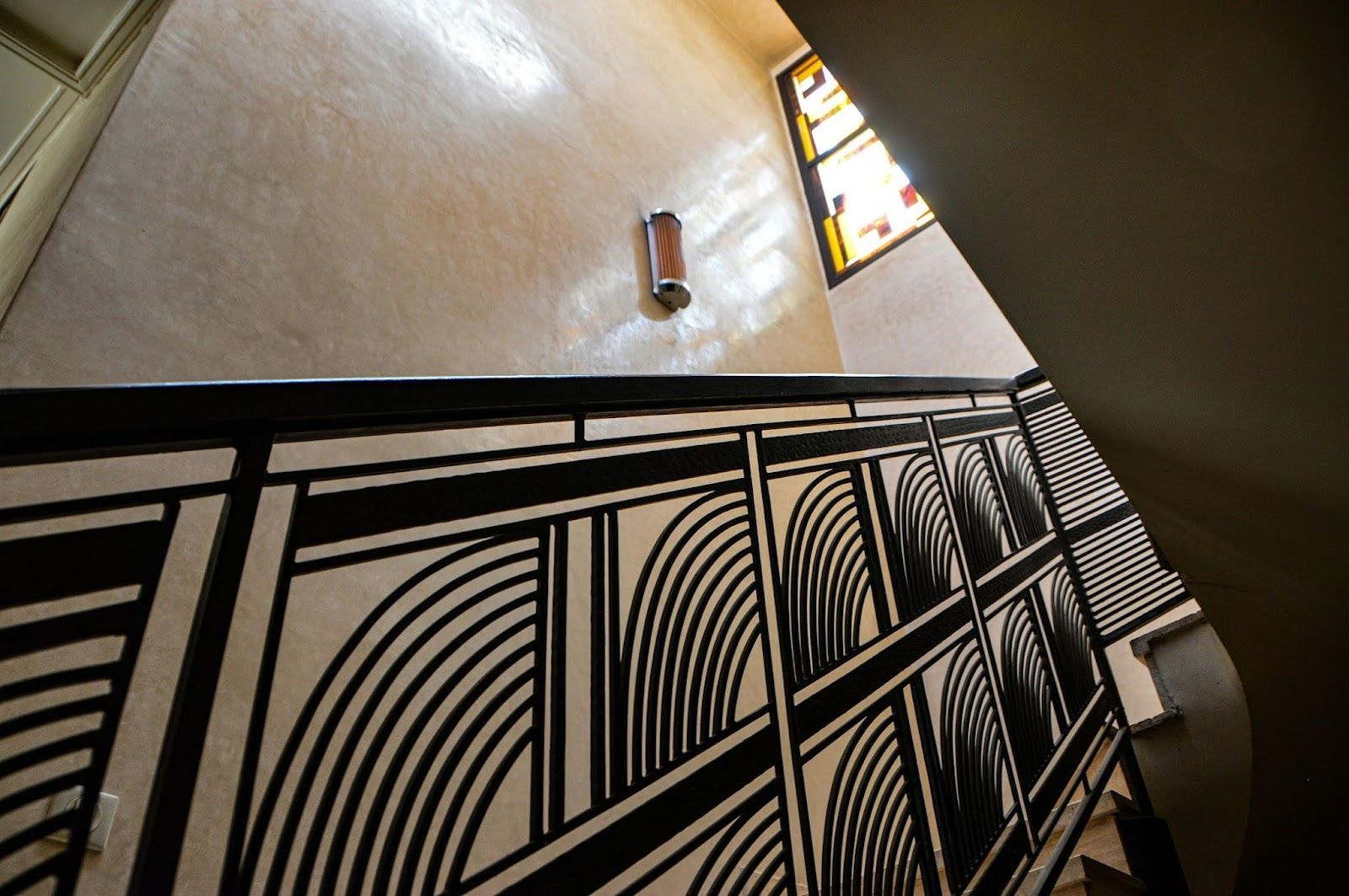
A 42-story skyscraper that looks like an Art Deco cathedral, the Cathedral of Learning is part of the University of Pittsburgh’s main campus in Pittsburgh, Pennsylvania.

Standing at 535 feet, this Late Gothic Revival structure is the tallest educational building in the Western Hemisphere and the second-tallest university building in the world. It is also the second-tallest gothic-style building in the world, after the Woolworth Building in Manhattan.

4
Hammond Castle

Image: Ted Gracz

An impressive feature of the Atlantic coast in the Magnolia area of Gloucester, Massachusetts, the Hammond Castle was the home, laboratory, and museum of John Hays Hammond Jr., an inventor and pioneer in the study of remote control .

The building is composed of modern and 15th-, 16th-, and 18th-century architectural elements, and operates as the Hammond Castle Museum, displaying Hammond's collection of Roman, medieval, and Renaissance artifacts as well as exhibits about his life and inventions.

5
San Antonio Japanese Tea Garden

Image: Annie Spratt

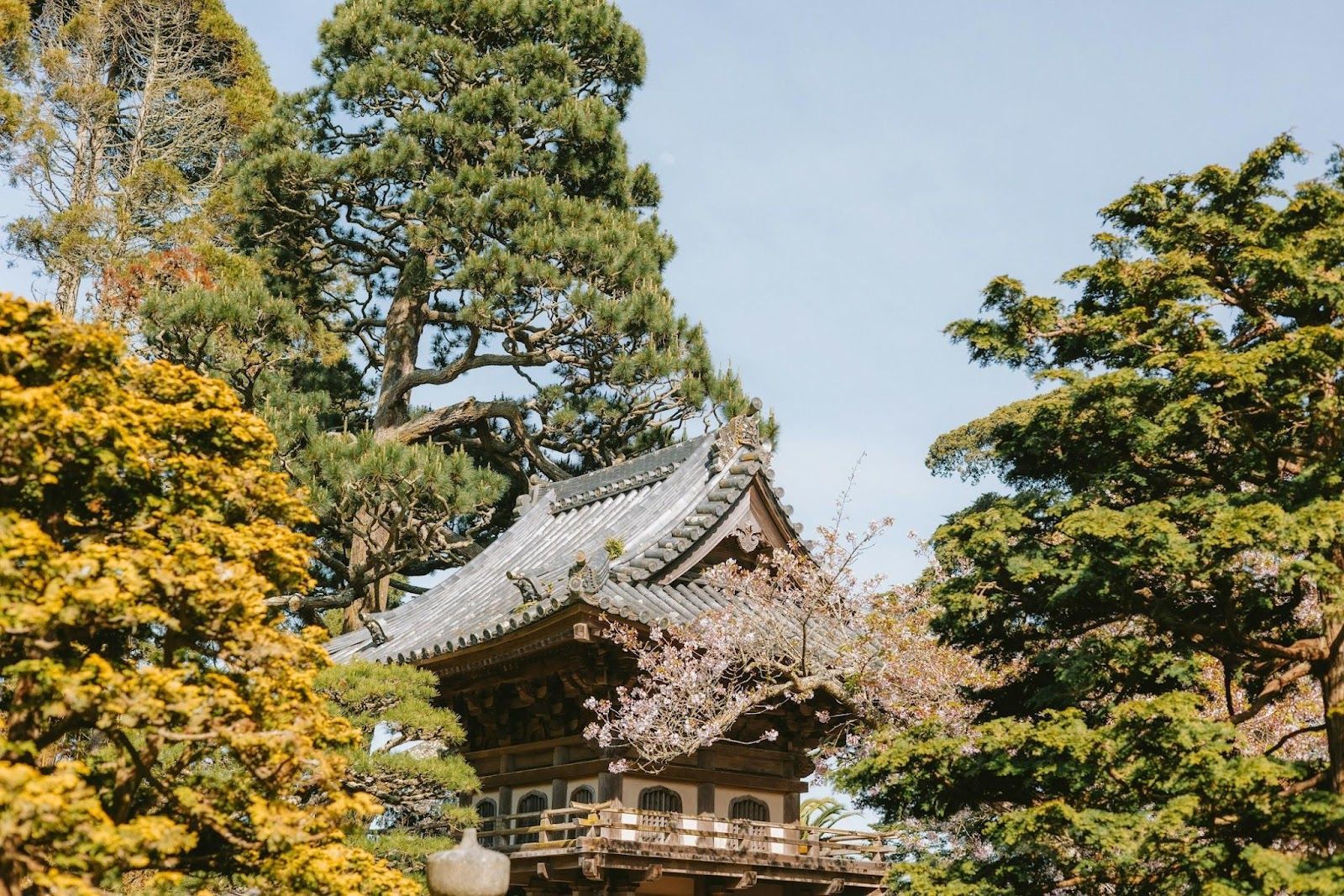
Imagine a Japanese Tea Garden set in an abandoned limestone rock quarry, and you will be picturing the San Antonio Japanese Tea Garden, or Sunken Gardens in Brackenridge Park, San Antonio, Texas.

After several years working as a quarry, the area was redeveloped as the tea garden that it is today, with walkways, stone arch bridges, an island, a Japanese pagoda, and, of course, a tea room .

6
Ashbel Smith Building

Image: Mario La Pergola

The huge Romanesque Revival building in Galveston, Texas, familiarly known as Old Red, was built in 1891 with red brick and sandstone . The Ashbel Smith Building, as it is officially named, was the first University of Texas Medical Branch edifice.

7
Mission San Xavier del Bac

Image: Sean Benesh

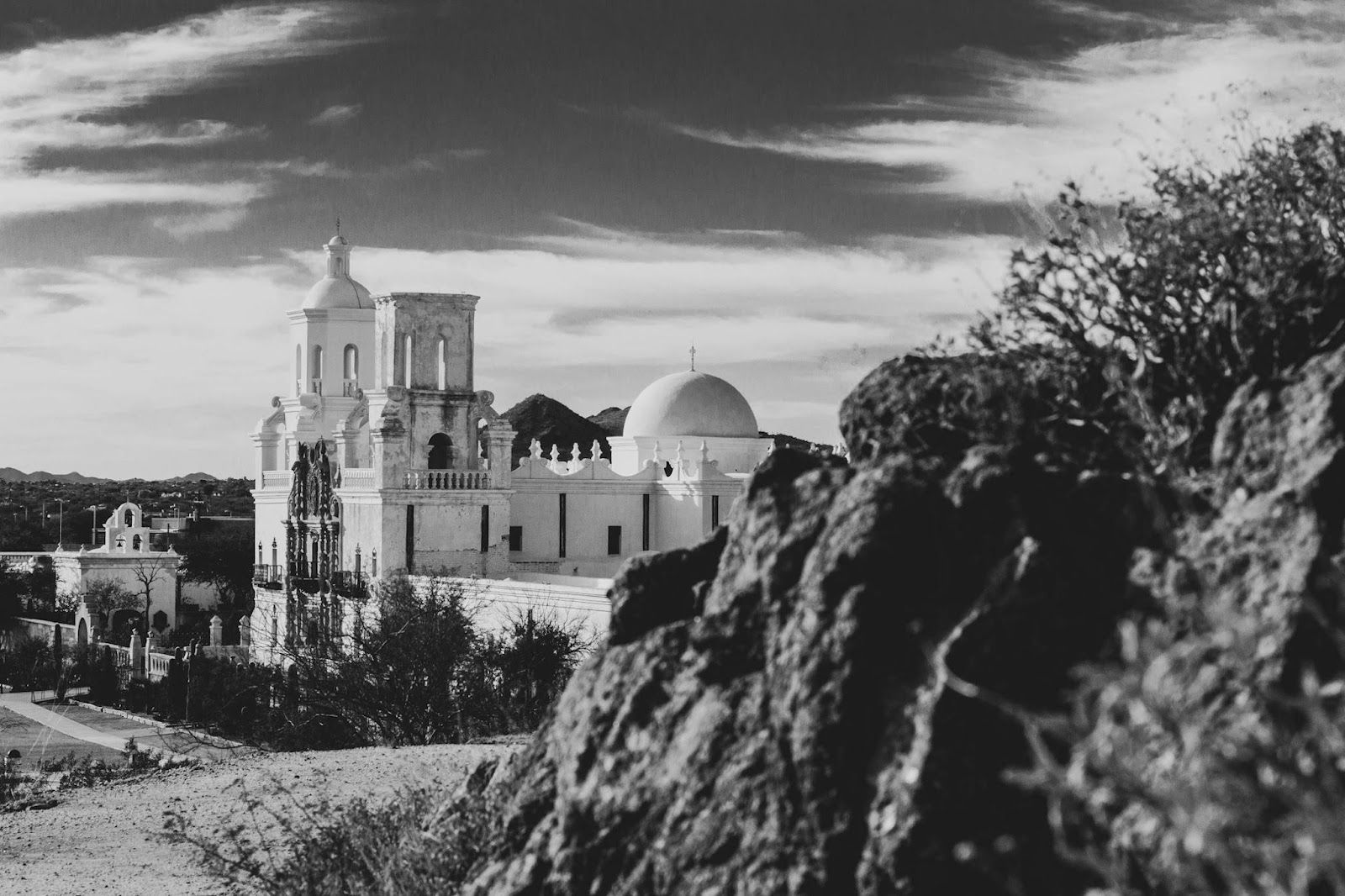
The oldest European structure in Arizona is the Mission San Xavier del Balc. This historical Spanish Catholic mission is 10 miles south of Tucson and was founded in 1692. It is an outstanding example of Spanish Colonial architecture in the United States and it is a well-known pilgrimage site, with thousands visiting each year on foot and on horseback, some among ceremonial cavalcades or cabalgatas.

8
New River Gorge Bridge

Image: Ashley Knedler

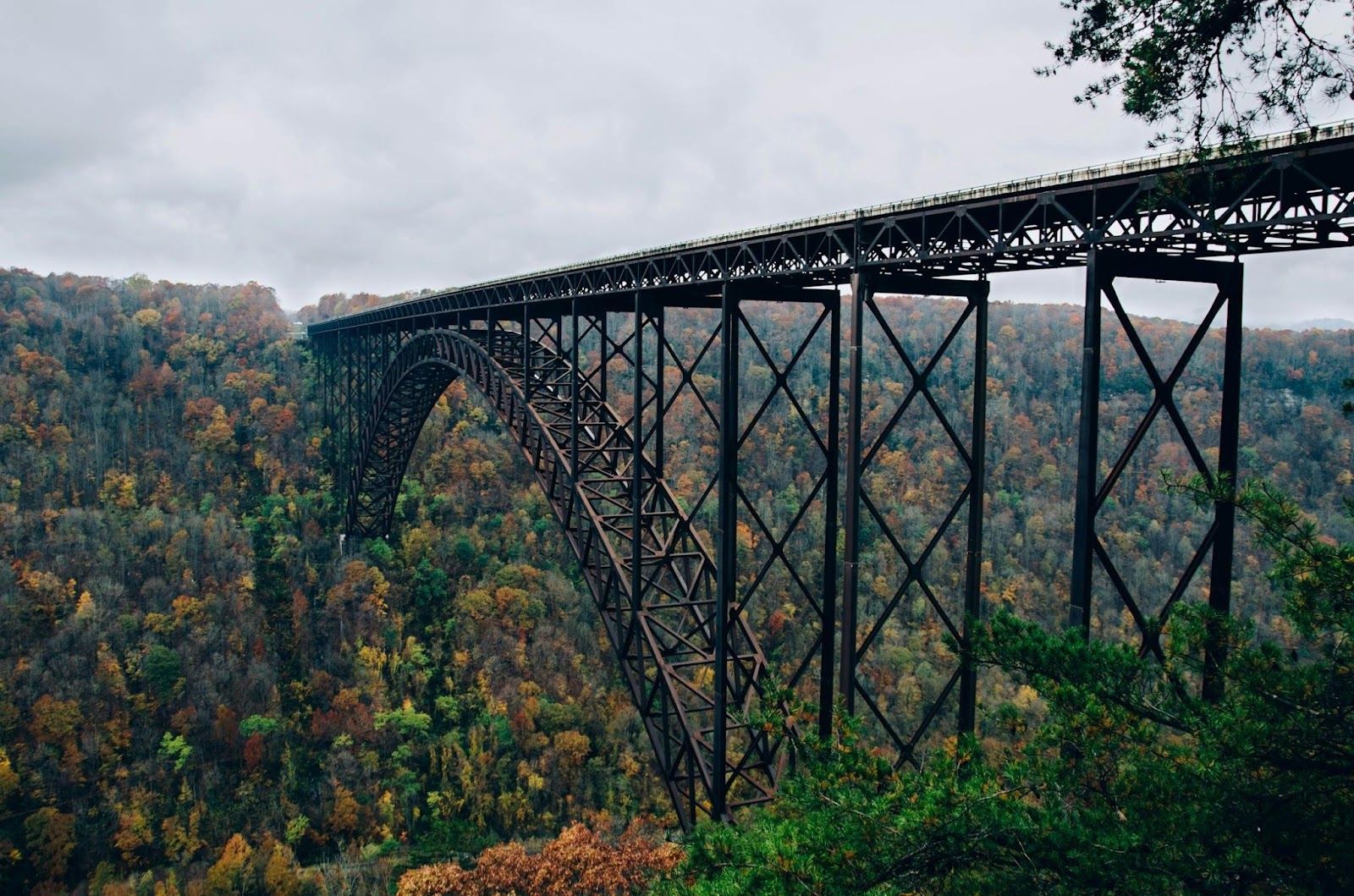
The New River Gorge Bridge is a steel arch bridge 3,030 feet long over the New River Gorge near Fayetteville, West Virginia, in the Appalachian Mountains. With an arch 1,700 feet long, the New River Gorge Bridge was t he world's longest single-span arch bridge when completed in 1977.

9
National Park Seminary

Image: Charles Marleau

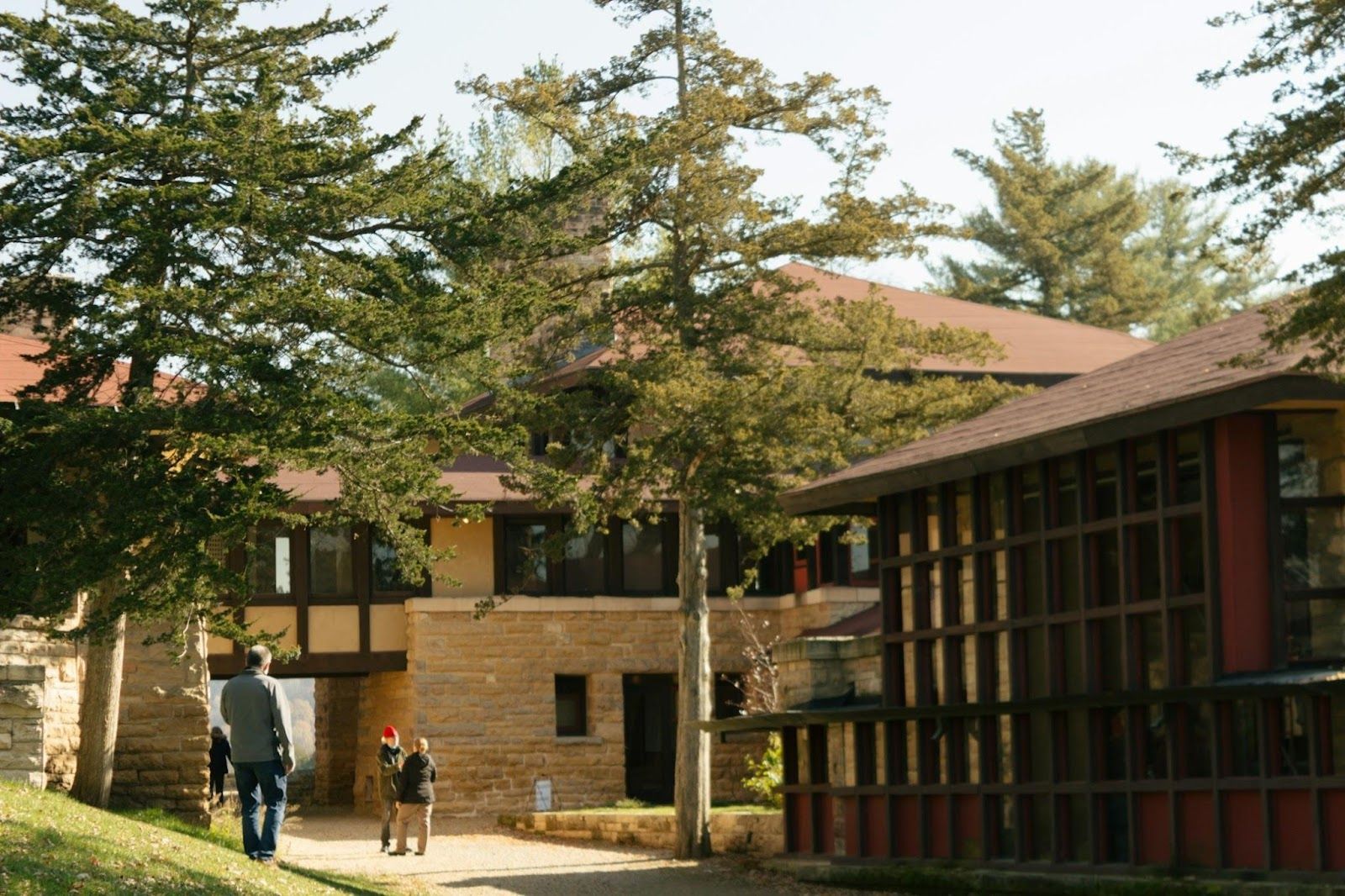
National Park Seminary was a private girls' school open from 1894 to 1942 , located in Forest Glen Park, Maryland. Its name refers to the nearby Rock Creek Park. The historic campus boasts a massive building dating from the late 1800s.

10
Mercer Museum

Image: Camila Credidio

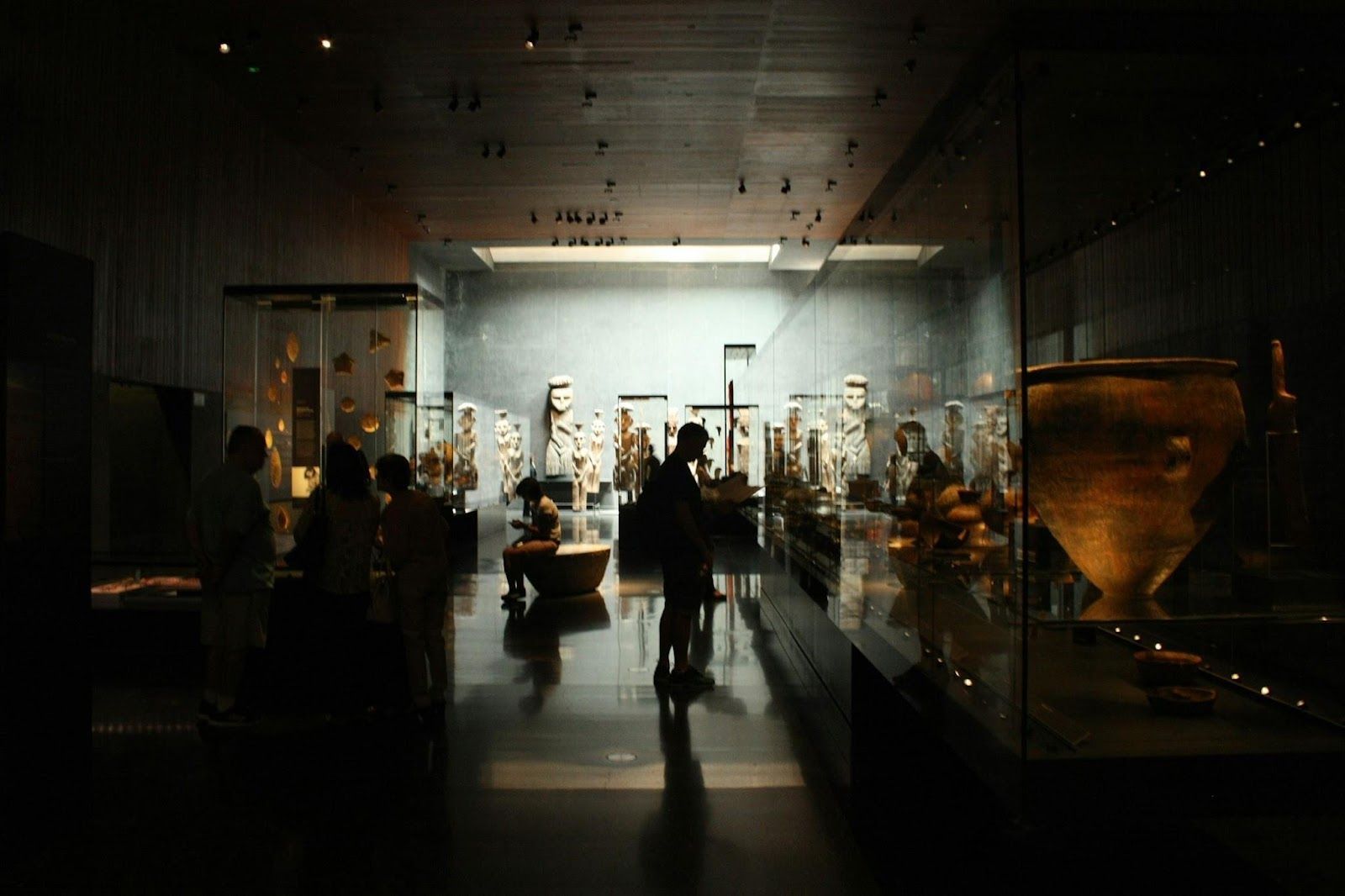
The incredible Mercer Museum is a poured-in-place concrete structure built by the museum's founder, archeologist Henry Chapman Mercer, originally meant as his private residence. It is located in Doylestown, Pennsylvania.

11
Annunciation Greek Orthodox Church

Image: Charles Marleau

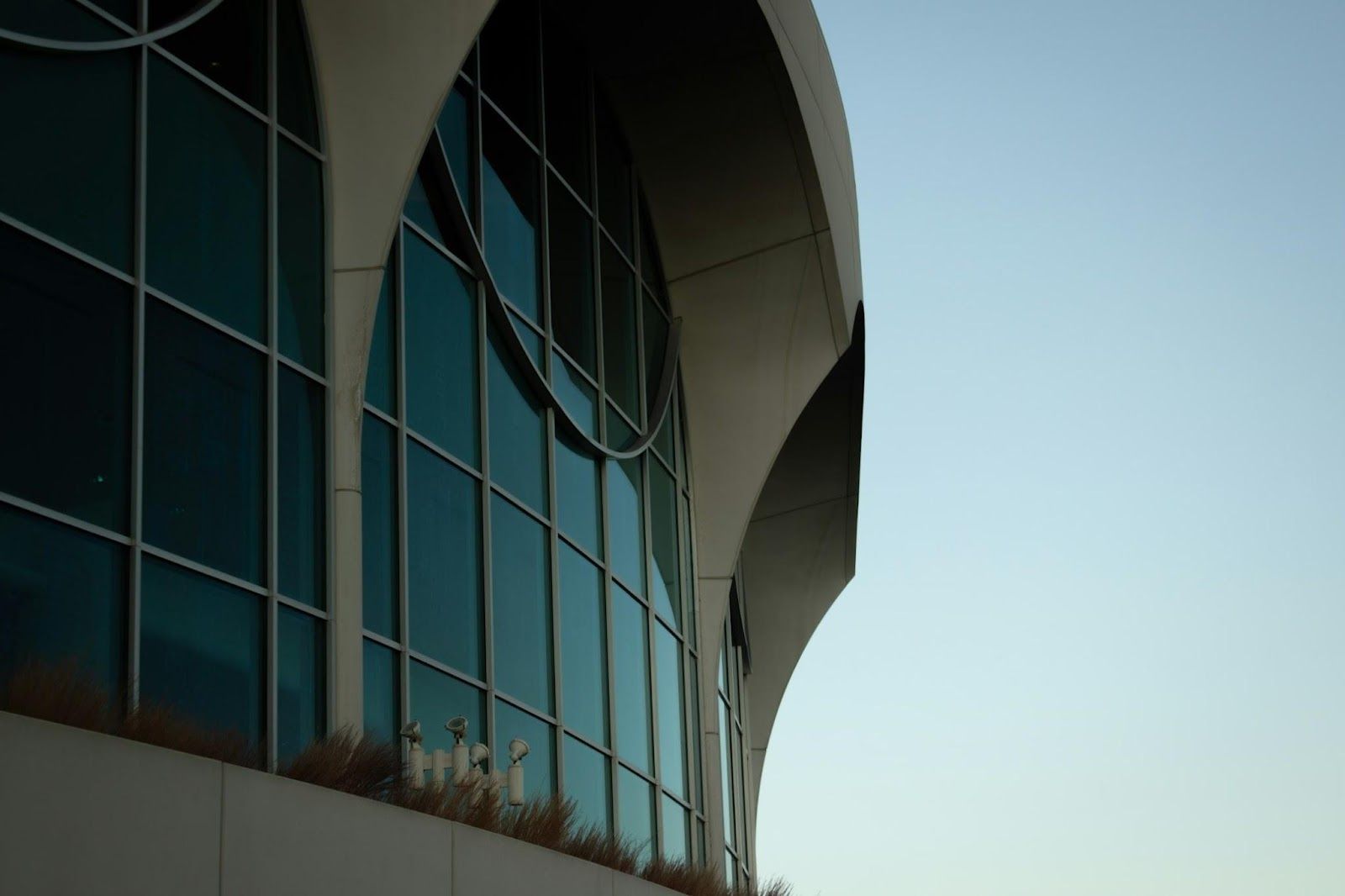
The Annunciation Greek Orthodox Church in Wauwatosa, Wisconsin, United States, was designed by architect Frank Lloyd Wright in 1956, and completed in 1961.

Created according to traditional Byzantine architectural forms , but reinterpreted by Wright to suit the modern context, this building offers a striking view to its visitors.

Explore more American facts

Choose your favorite category!

General
General

As American as apple pie—the very best America has to offer!

Culture
Culture

Delve into the astounding richness of American lore.

Geography
Geography

Hop in and explore vast and diverse American landscapes.

History
History

Discover the key moments that shaped the United States.