Culture Culture 4 min read

Your beloved TV locations, in real life

I bet you didn't know these TV locations are real places you can visit
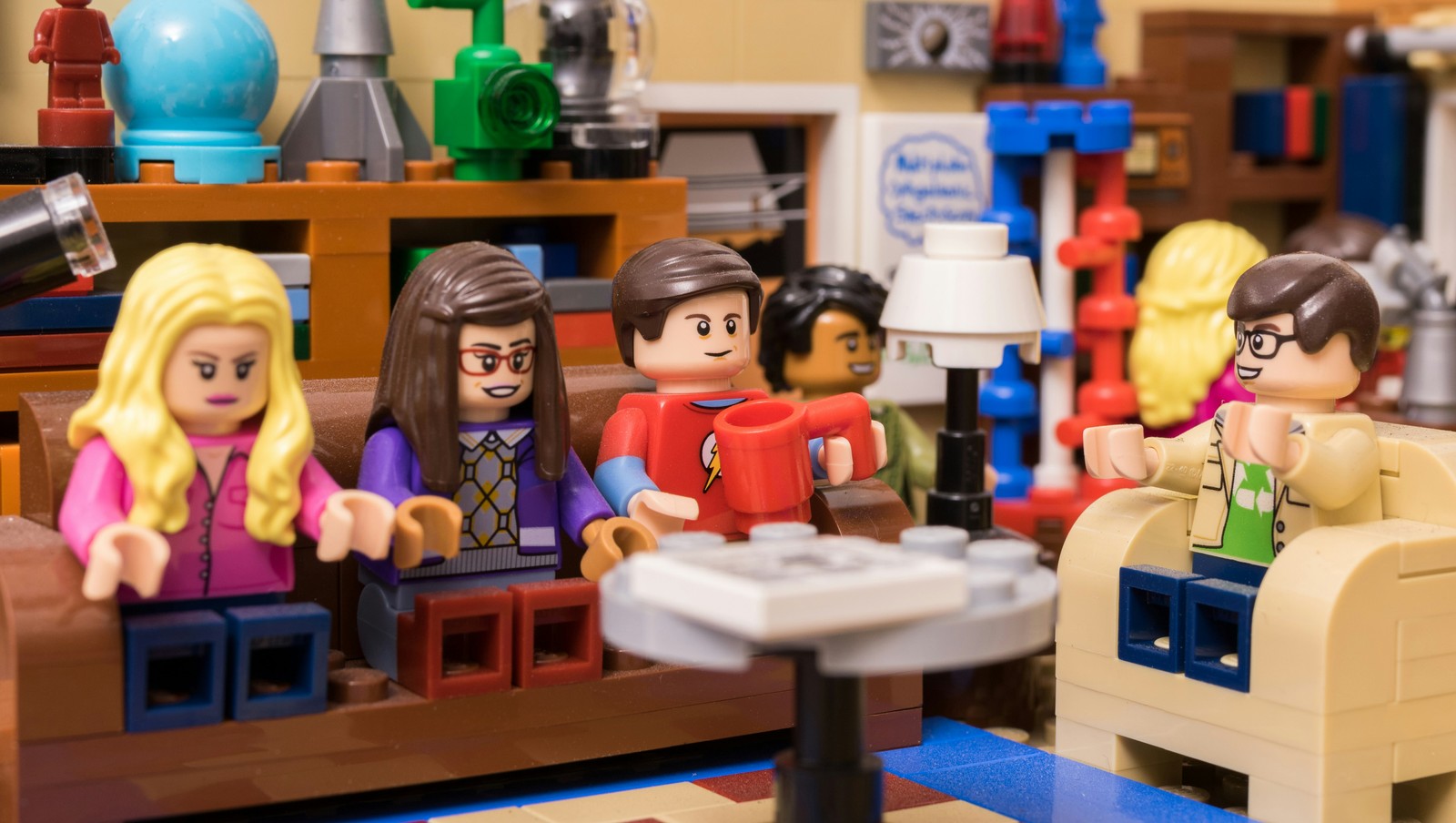
Image: Ben Griffiths

Ever wondered what it would be like to walk in the footsteps of your favorite TV characters? Well, pack your bags and grab your camera, because these iconic television locations are real places you can visit across America . From diners to crime scenes to small-town squares, these spots bring your beloved shows to life in ways that'll make you feel like you've stepped right into the screen.

1
The diner from "Seinfeld" - New York City
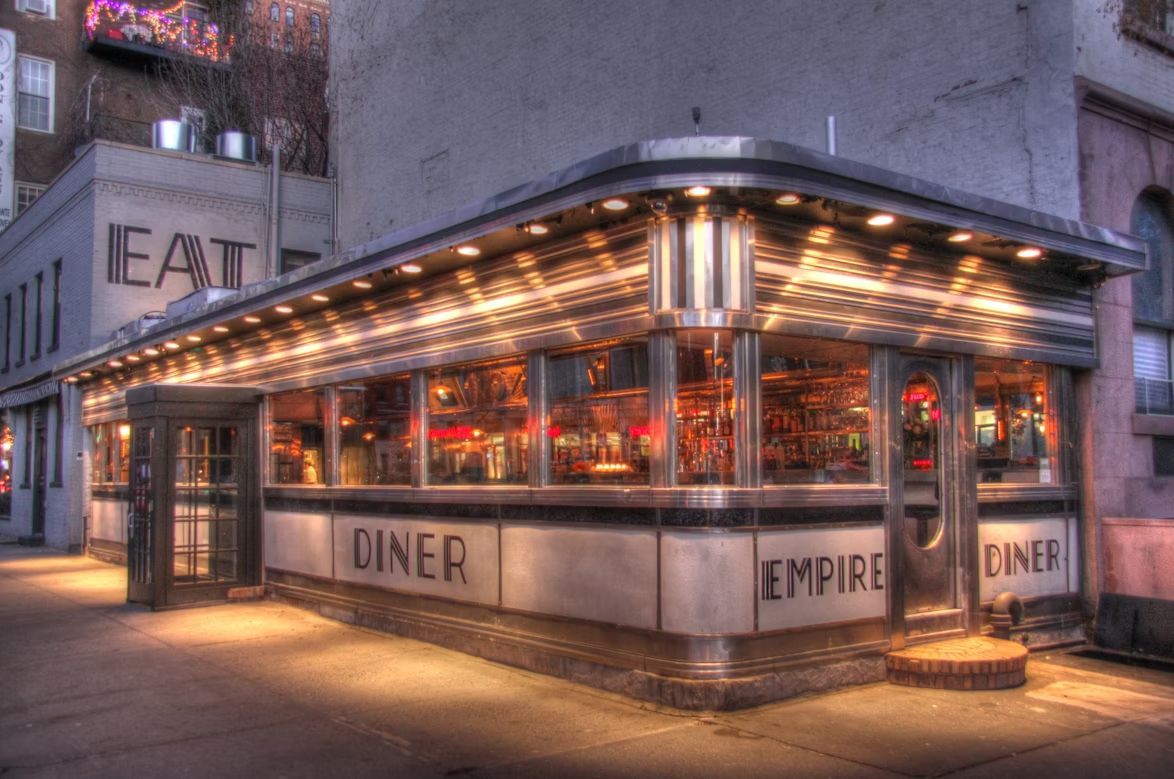
Image: Peter Bond

Remember Tom's Restaurant, where Jerry, George, Elaine, and Kramer hatched their hilariously terrible plans over coffee and endless conversations about nothing ? It's a real place!

The restaurant has embraced its TV fame, and fans from around the world stop by daily to snap photos and enjoy a meal where sitcom history was made. Fair warning: the actual interior looks nothing like the show, but you’re still eating where Seinfeld characters theoretically ate!

2
Central Perk from "Friends" - Times Square, New York City
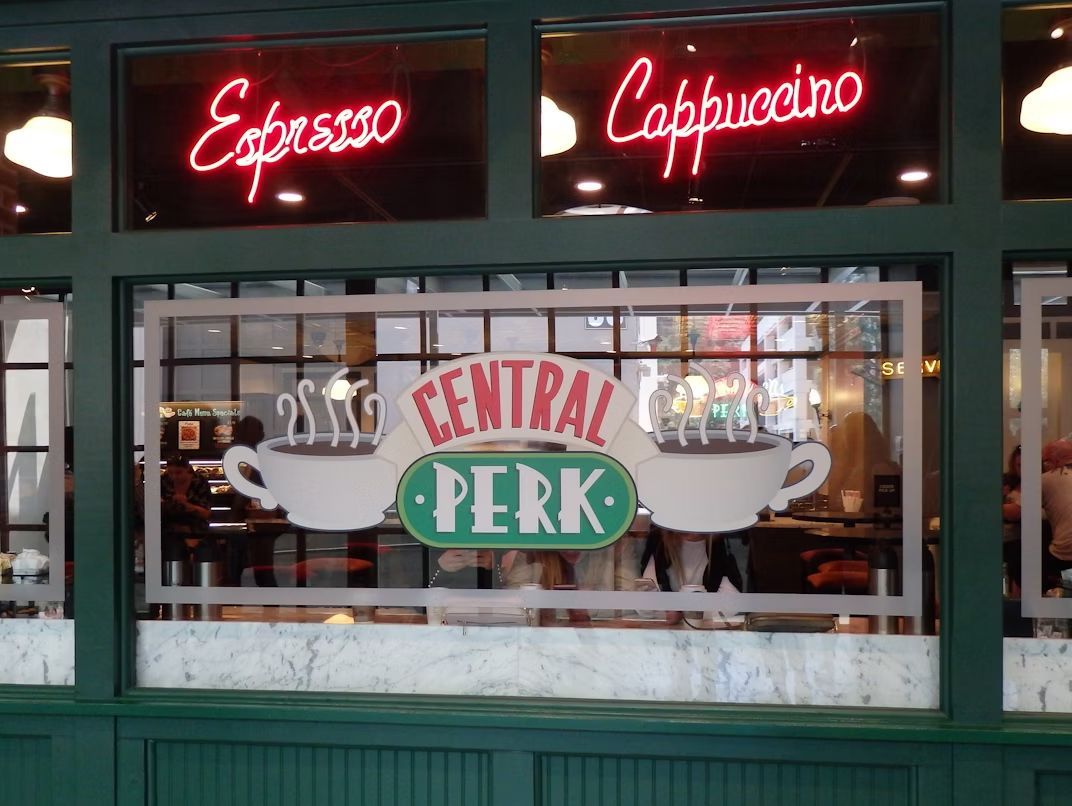
Image: Ilse Orsel

Friends fans, your dreams have come true: Central Perk now has a permanent location in Times Square where you can actually grab your morning coffee! Located at the northeast corner of 7th Avenue and 47th Street, this is the real deal—a functioning coffeehouse where you can sit near that iconic orange couch and pretend you're part of the gang. There's also a sister location in Boston, so if you're in either city, you can finally experience the coffee shop that was supposedly right there in New York all along.

3
The "Breaking Bad" car wash - Albuquerque, New Mexico
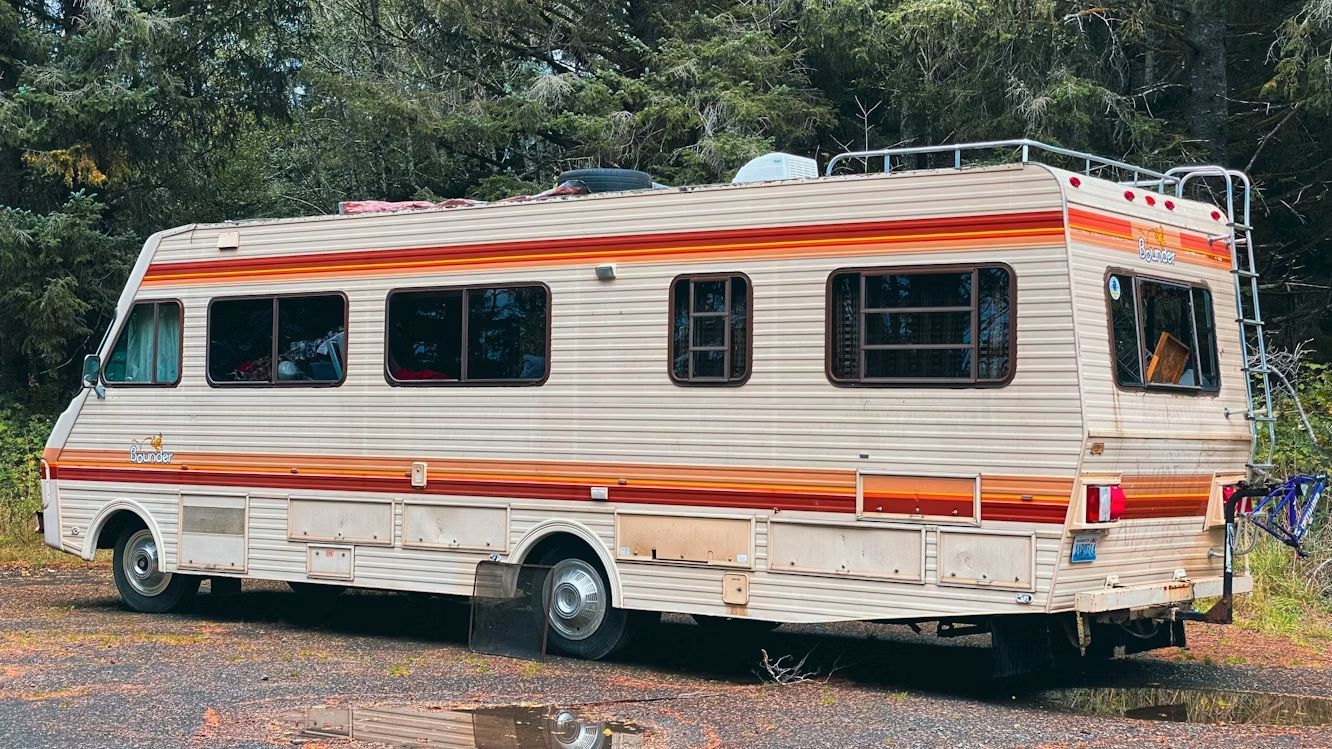
Image: Juliann Hervio

Walter White's car wash empire might have been built on crystal meth money, but the actual building is squeaky clean and still operating! Mister Car Wash (formerly Octopus Car Wash) at 9516 Snow Heights Circle NE in Albuquerque is where they filmed those tense scenes of Walt and Skyler's legitimate business venture. You can even get your car washed at the same spot where some of TV's most dramatic moments unfolded.

4
Luke's Diner from "Gilmore Girls" - Unionville, Ontario (okay, Canada, but close enough!)
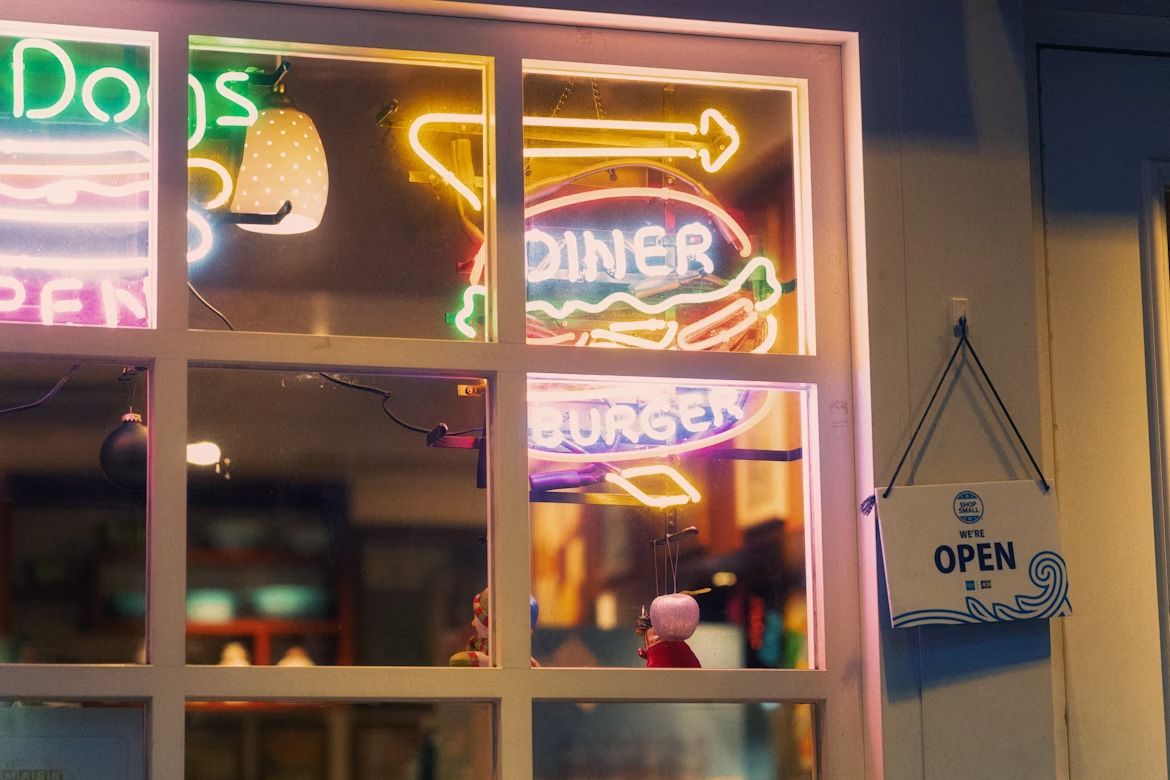
Image: ayumi kubo

Coffee addicts and fast-talking fans of Gilmore Girls will be thrilled to know that Luke's Diner is real sort of . The exterior shots were filmed at a building in Unionville, Ontario, just outside Toronto. The charming small-town main street where the diner sits perfectly captured that Stars Hollow magic, even if it technically wasn’t in Connecticut. The building now houses different businesses, but the streetscape remains wonderfully quaint and photogenic.

5
The "Full House" house - San Francisco, California
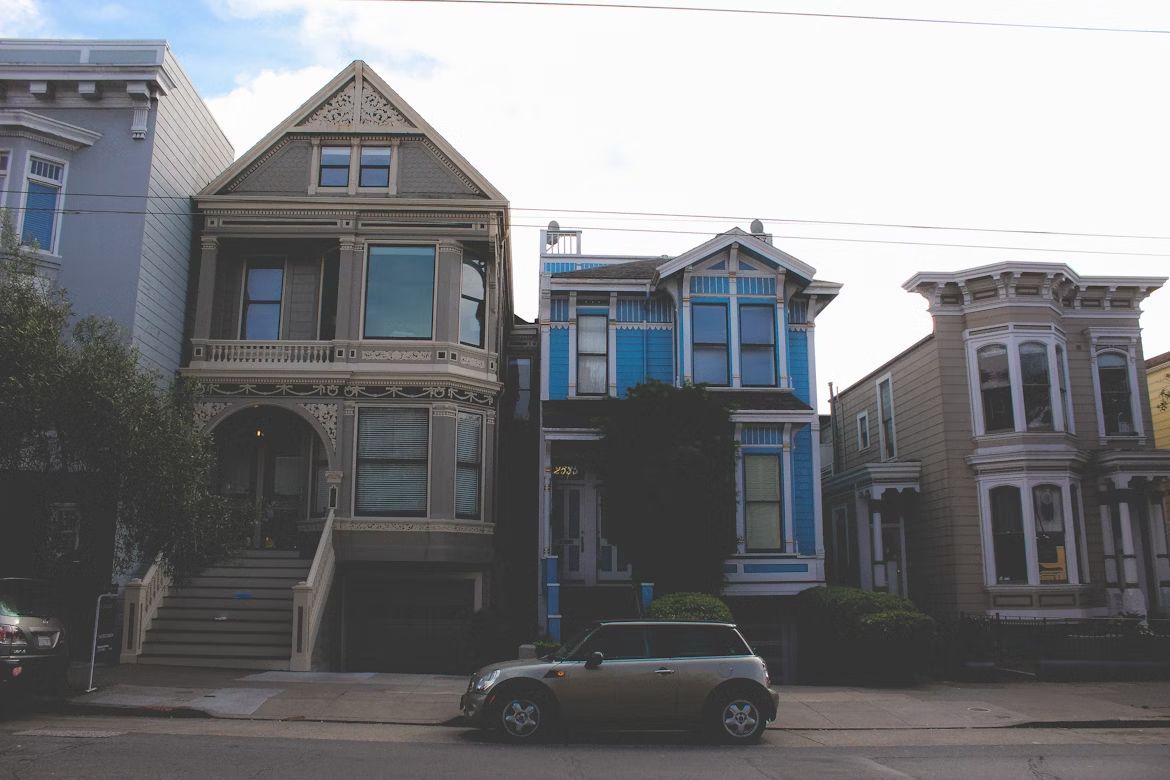
Image: Kyle Smith

The Tanner family's iconic Victorian home, with its unforgettable Painted Lady facade, is absolutely real and stands at 1709 Broderick Street in San Francisco's Lower Pacific Heights neighborhood. While the interior scenes were filmed on a set, the exterior is the genuine article and has become one of the most photographed houses in the city. Fans regularly make pilgrimages to stand across the street and recreate that opening credits moment.

6
Courthouse Square from "Back to the Future" - Universal Studios, California
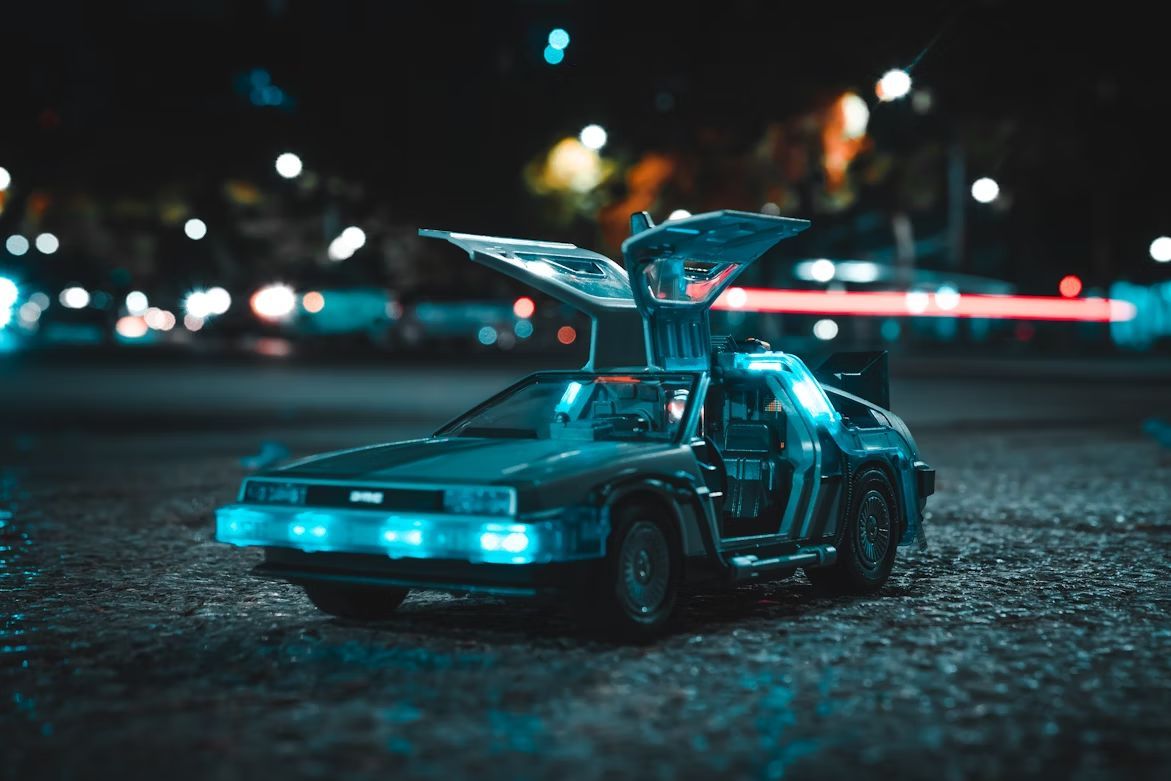
Image: Roger Ce

Doc Brown's time-traveling DeLorean circles around Hill Valley's Courthouse Square in one of cinema's most memorable scenes, and you can visit that exact spot! The Courthouse Square is a standing set on the Universal Studios backlot in Los Angeles , and has been used in countless productions over the decades. On the studio tour, you'll recognize it instantly—it’s where Marty McFly skateboarded through 1955 and where the clock tower still stands.

7
Katz's Delicatessen from "When Harry Met Sally" - New York City
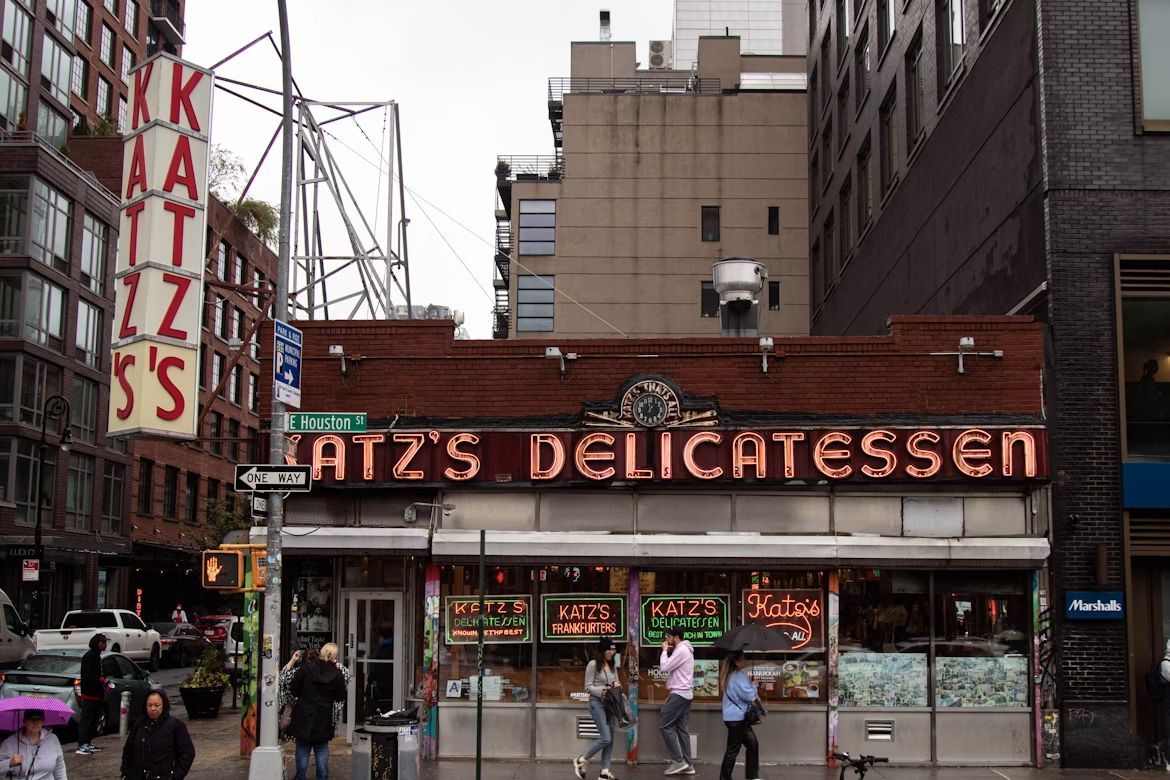
Image: Michał Kubiak

"I'll have what she's having" became one of the most famous movie lines ever uttered in a restaurant, and you can eat at that very same spot! Katz's Delicatessen, located at 205 East Houston Street on Manhattan's Lower East Side, is where Meg Ryan filmed that unforgettable scene. The deli has been serving up massive pastrami sandwiches since 1888, and they’ve marked the table where the scene was filmed with a sign that reads, "Where Harry met Sally… hope you have what she had!"

8
The "Twin Peaks" Double R Diner - North Bend, Washington
Image: DJ Paine

Fans of David Lynch's surreal masterpiece can grab a slice of cherry pie and "a damn fine cup of coffee" at Twede's Cafe in North Bend, Washington . This is the actual diner used for exterior and some interior shots of the Double R Diner, where Agent Cooper discussed his dreams and Deputy Hawk dispensed wisdom. After a 2000 fire, the diner was rebuilt and renovated, but it has maintained its Twin Peaks connection, which continues to draw fans from around the world.

9
The "Cheers" bar - Boston, Massachusetts
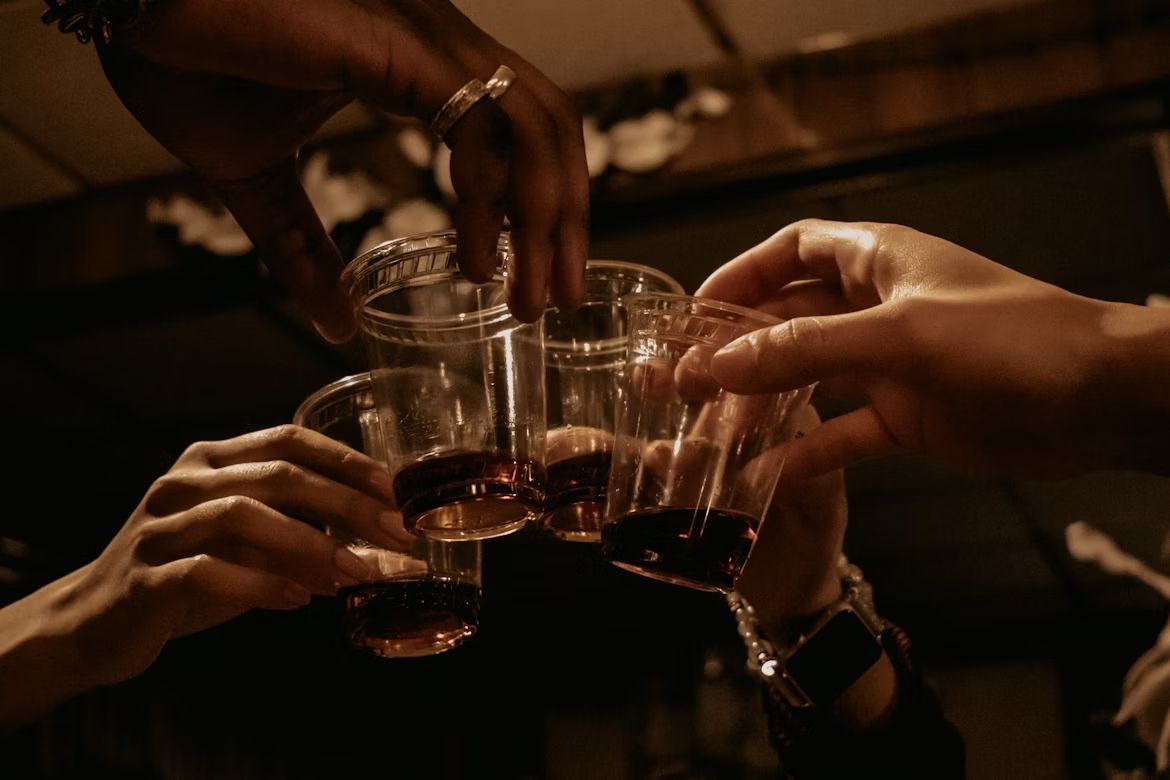
Image: Savann Prak

Sometimes you really do want to go where everybody knows your name, and you can do exactly that in Boston! T he Bull & Finch Pub, located at 84 Beacon Street beneath the Hampshire House, is the real bar that inspired the exterior of Cheers . There's even a replica Cheers bar in Faneuil Hall Marketplace for tourists who want the full experience.

Here’s the catch: the interior of the Bull & Finch Pub looks nothing like the TV show—those scenes were all filmed on a Hollywood soundstage. But the Faneuil Hall location recreated the TV set’s interior, so if you want to feel like you’re really stepping into the show, that’s your best bet.

10
The Biltmore Hotel from "Mad Men" - Los Angeles, California
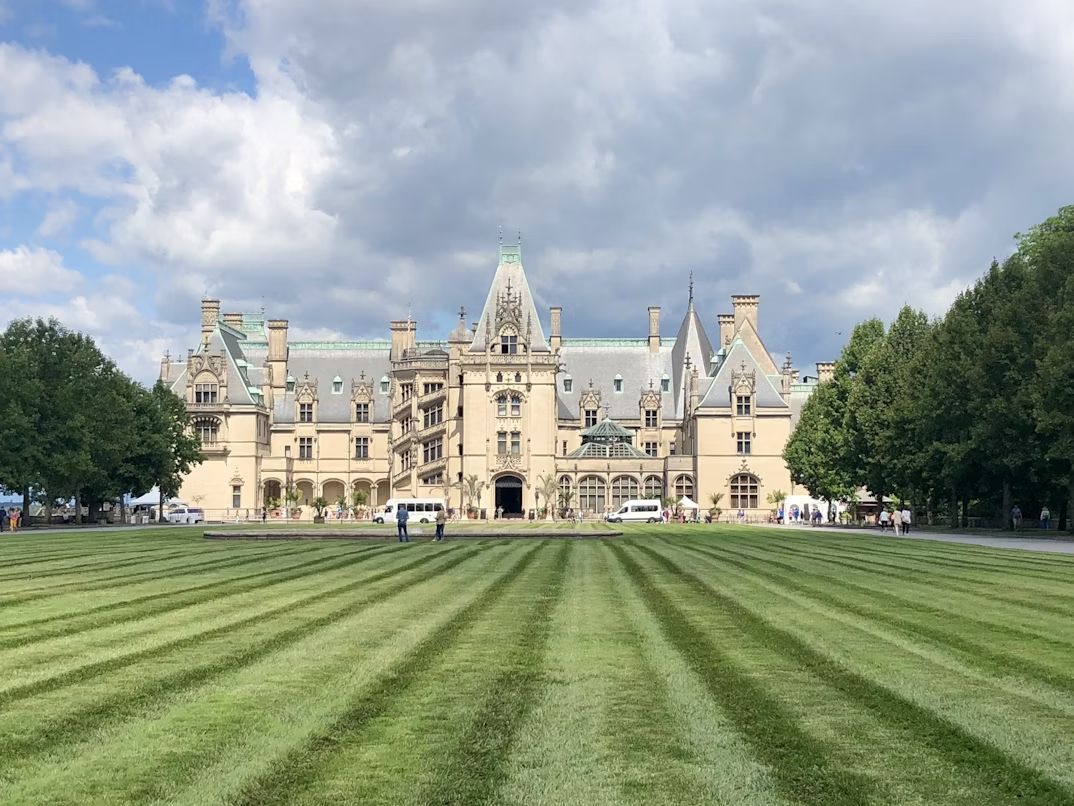
Image: Stephanie Klepacki

Don Draper and the gang from Sterling Cooper certainly knew how to pick a sophisticated meeting spot, and the Millennium Biltmore Hotel in downtown Los Angeles was one of their favorites.

The Biltmore is still a functioning luxury hotel where you can book a room, grab a cocktail at the bar, or simply wander through the stunning public spaces. It has hosted Academy Awards ceremonies, presidential candidates, and countless Hollywood events over its nearly 100-year history.

History History 5 min read

10 US presidents who changed the course of history

Image: David Trinks

Some presidents don’t leave much of a mark, while others manage to reshape the whole path a nation walks on. Across different generations, certain leaders made choices or introduced ideas that nudged the country in a new direction. In this list, we take a simple, easy look at 10 presidents whose steady hands, practical decisions, and clear vision helped guide the United States into the future.

1
George Washington

Image: Priscilla Gyamfi

America’s first president had no guidebook to follow, so George Washington ended up writing the first chapters of the office himself. With calm judgment and a focus on fairness, he set the tradition of serving only two terms, showing that leadership should be about duty rather than personal power.

Washington organized the very first Cabinet, established the tone for presidential addresses, and worked hard to promote unity among different regions and viewpoints. His steady approach helped turn a young, uncertain nation into a stable and functioning republic. The patterns he created became the model for every subsequent president.

2
James Madison

Image: Tara Winstead

Often called the "Father of the Constitution," James Madison helped shape the foundations of the United States long before he stepped into the presidency. He played a central role in writing the Constitution and co-authored the Federalist Papers, a series of essays that explained how the new government was meant to work.

Once in office, Madison continued to support the development of stronger federal systems that could serve a growing country, and he oversaw the admission of new states into the expanding Union. His steady leadership helped reinforce the structure laid down by the founders and proved that the nation’s early ideas—balance, stability, and cooperation—could stand the test of time.

3
Abraham Lincoln

Image: Jacob Thorson

The 16th U.S. president guided the nation through a time of deep division with a calm, steady determination and a clear sense of purpose. He held firmly to the belief that all people are created equal, and he worked to bring those principles to life in practical, lasting ways.

During his presidency, Lincoln supported major constitutional changes that broadened personal freedoms and strengthened the role of the federal government in protecting those rights. He emphasized unity, fairness, and the idea that the country could emerge stronger if it stayed true to its core values. His dedication to these ideals has made him one of the most admired figures in American history, remembered for his integrity and his hope for a more united nation.

4
Theodore Roosevelt

Image: Ryan Stone

Theodore Roosevelt was known for his enthusiasm, his adventurous spirit, and his deep love of the outdoors. He became one of the nation’s strongest voices for conservation, helping to create and expand national parks, forests, and wildlife areas.

His domestic program, the "Square Deal," aimed to make sure consumers, workers, and businesses were treated fairly, and he pushed for stronger rules that protected everyday Americans from unfair practices. Roosevelt also encouraged the nation to step forward with confidence, backing improvements in transportation and modern infrastructure that helped connect the United States more smoothly with the world.

5
Woodrow Wilson

Image: Đào Thân

Woodrow Wilson arrived in Washington with a plan to give everyday Americans a fairer, more balanced system, and his wave of domestic reforms—known as the "New Freedom"—reflected that goal. During his presidency, the nation saw the creation of the Federal Reserve System and the Federal Trade Commission, two major institutions designed to keep the economy steady and well-regulated.

Wilson also encouraged the idea that countries should work together through organized cooperation rather than standing apart, a view that later influenced the formation of important international organizations. His belief in self-determination and his preference for diplomacy over isolation helped guide the United States toward a long-term vision of global partnership and shared responsibility.

6
Franklin D. Roosevelt

Image: Pedro Gutierrez

Franklin Roosevelt guided the nation through one of its toughest economic periods with a wide-ranging effort known as the "New Deal." This collection of policies helped support workers, steady the banking system, and strengthen protections for consumers. It also introduced Social Security, a program that quickly became a key element of retirement planning for millions of Americans.

Roosevelt understood the importance of keeping the public informed, so he spoke directly to families through his regular radio broadcasts, the famous "Fireside Chats." In these simple, calm conversations, he explained what the government was doing and why, helping people feel more confident in uncertain times. His clear, steady communication made him one of the most trusted and familiar voices of his era.

7
Harry S. Truman

Image: WikiImages

When Harry Truman took office in 1945, both the world and the United States were undergoing a period of rapid change. With a practical mindset, the 33rd president helped launch broad programs aimed at rebuilding European economies and encouraging stronger international cooperation.

He also set a new long-range direction for American policy, one that emphasized stability, democratic principles, and economic support beyond U.S. borders. Truman’s meaningful efforts helped shape how nations worked together and signaled the beginning of important social changes that would continue to unfold in the decades ahead.

8
John F. Kennedy

Image: Florida Memory

John F. Kennedy brought a fresh sense of youth and optimism to the early 1960s. His speeches often called on Americans to lend a hand, serve their communities, and think beyond themselves—captured in his well-known line, "Ask not what your country can do for you, ask what you can do for your country."

Kennedy supported important civil rights efforts and encouraged steady progress in science and technology. He also pushed the nation to look toward the future through expanded space exploration and created the Peace Corps, giving young Americans opportunities to volunteer and make a difference overseas. His steady promotion of learning, service, and innovation helped spark a spirit of national progress that defined much of the decade.

9
Lyndon B. Johnson

Image: LBJ Library photo by Yoichi Okamoto Restored by: Bammesk, Public domain, via Wikimedia Commons

Lyndon Johnson arrived in the White House with a far-reaching plan he called the "Great Society," a vision aimed at improving everyday life for people across the country. Under his leadership, Congress passed major civil rights legislation that strengthened equality and safeguarded voting rights, setting new standards for fairness.

The 36th president also approved the creation of Medicare and Medicaid, programs that gave millions of older adults and low-income families reliable access to health care for the very first time. Additionally, he supported initiatives to improve education, preserve natural resources, and strengthen local communities.

10
Ronald Reagan

Image: White House Photographic Collection, Public domain, via Wikimedia Commons

Ronald Reagan stepped into the 1980s carrying a message of confidence and renewal, offering Americans a sense of fresh direction after a challenging period. His economic approach—later known as "Reaganomics"—was centered on lowering taxes, easing federal regulations, and giving businesses more room to grow. For many people, this era became associated with rising optimism.

Reagan also spoke often about national pride and traditional values, presenting a steady, recognizable voice on the world stage. His leadership style—straightforward, good-humored, and easy to understand—left a lasting mark on how political ideas were discussed and helped shape the country’s tone for years to follow.

Geography Geography 4 min read

Road trip time

Off the beaten path: 12 bizarre roadside wonders across the U.S.

Image: RDNE Stock project

Picture this: You’re on a road trip and stumble across something so odd you have to pull over and snap a photo. Has that ever happened to you? It probably has—because that’s the magic of the American roadside attraction. It’s part charm, part mystery, and entirely unforgettable. Our highways are full of creative (and often head-scratching) stops that are well worth stretching your legs for. Here’s a look at some of the most bizarre places you’ll ever visit.

1
Carhenge – Alliance, Nebraska

Image: John Dame

Imagine driving through the Great Plains and stumbling across Stonehenge—only this version is made entirely of old cars. That’s Carhenge. Built in 1987 by artist Jim Reinders, this auto-art installation mirrors the original monument’s dimensions using vintage American cars, all painted gray. It’s history with a humorous twist, you know!

2
Salvation Mountain – Niland, California

Image: Megan Ellis

Located near the edge of the desert, Salvation Mountain is a wonder filled with color and faith. Leonard Knight spent decades slathering adobe and straw with thick coats of paint, spreading a message of love through hand-lettered Bible verses. You don’t have to be religious to appreciate the heart behind this monument—it’s pure passion on display.

3
The Enchanted Highway – Regent, North Dakota

Image: Carol Highsmith's America

This isn’t your average country drive. The Enchanted Highway is a 32-mile stretch of open road lined with enormous metal sculptures—everything from geese in flight to grasshoppers the size of RVs. Created by Gary Greff, a small-town schoolteacher turned roadside visionary, this whimsical parade of artwork proves that a little welding—and a lot of heart—can turn even the quietest town into a road trip highlight.

4
The Paper House – Rockport, Massachusetts

Image: Unlimited Access

If you’ve ever wondered what to do with old newspapers, how about building a house? In the 1920s, engineer Elis Stenman did just that. The walls, furniture—even the curtains—are made from varnished newspapers. It’s cozy, clever, and surprisingly sturdy. Part architecture, part recycling marvel, this little New England oddity is well worth the detour.

5
The Museum of Bad Art – Boston, Massachusetts

Image: Marishka Tsiklauri

Some artwork takes your breath away. Other pieces make you laugh out loud—and that’s exactly the goal at the Museum of Bad Art. This small but mighty gallery celebrates delightfully terrible creations. It’s not about mocking; quite the opposite. It’s about finding joy in the offbeat and honoring artists who dared to create something totally different. Trust us—you’ll leave smiling.

6
The Unclaimed Baggage Center – Scottsboro, Alabama

Image: Raquel Brepohl

Ever wonder where your missing suitcase ended up? Chances are, it’s here. The Unclaimed Baggage Center is part retail store, part treasure hunt. Spread across 40,000 square feet, it sells items left behind at airports—from clothes and gadgets to the occasional surprise oddity. If you enjoy thrifting, this is a must-stop on your trip.

7
The Wigwam Motel – Holbrook, Arizona

Image: Johnathan Ciarrocca

Nothing screams classic Americana like Route 66, and the Wigwam Motel delivers. Here, you’ll sleep in your very own concrete teepee. It’s one of only three surviving "Wigwam Villages" from the 1950s. It’s kitschy, it’s cozy, and it’s a nostalgic nod to the road trips of yesteryear. Want a bonus? Check out the vintage cars parked out front.

8
The House on the Rock – Spring Green, Wisconsin

Image: Cristina Glebova

Imagine a mansion crossed with a carnival funhouse—that’s The House on the Rock. Started in the 1940s by Alex Jordan Jr., this labyrinth of rooms features bizarre collections, from a giant carousel to self-playing orchestras and a hall filled with model ships. It’s overwhelming, wonderful, and completely unforgettable—a place where your inner child will be wide-eyed the entire time.

9
The Grotto of the Redemption – West Bend, Iowa

Image: Mustafa akın

Part spiritual sanctuary, part geological marvel, the Grotto of the Redemption is made of millions of stones, gems, and fossils. Started by Father Paul Dobberstein in 1912, this labor of love took over 40 years to complete. The result? A jaw-dropping series of religious scenes and structures that glitter in the sunlight. Bring your sunglasses—you’re in for a dazzling experience.

10
The UFO Watchtower – Hooper, Colorado

Image: Gabriel Tovar

For those who believe in aliens—or just love a good alien yarn—the UFO Watchtower is a must-see. Located in the San Luis Valley, a hotspot for sightings, this quirky site offers 360-degree views of the sky, a garden filled with visitor trinkets, and plenty of stories. Try it out—what if you spot a flying saucer? Let’s face it, we’re all a little curious about what’s out there.

11
The World’s Largest Ball of Twine – Cawker City, Kansas

Image: Amie Bell

It started small. Then the neighbors added to it. Then visitors joined in. Now, it’s a Midwest legend. The World’s Largest Ball of Twine keeps growing, with a yearly "twine-a-thon" that invites everyone to contribute. It’s quirky, community-powered, and a great example of how something ordinary can become roadside-worthy.

12
The World’s Largest Collection of the World’s Smallest Versions of the World’s Largest Things – Lucas, Kansas

Image: Nik

Yes, that’s the real name. And yes, it’s every bit as whimsical as it sounds. Artist Erika Nelson created this traveling museum of tiny replicas, honoring America’s obsession with "world’s largest" attractions. It’s part satire, part celebration, and completely charming.

Explore more American facts

Choose your favorite category!

General
General

As American as apple pie—the very best America has to offer!

Culture
Culture

Delve into the astounding richness of American lore.

Geography
Geography

Hop in and explore vast and diverse American landscapes.

History
History

Discover the key moments that shaped the United States.