Geography Geography 5 min read

Cradles of history

How did these 10 states pick the location for their current capital?

Image: Martin Zenker

Every state has its heart: A main city that serves as the center for governance, lawmaking, and administration. But what about the cities that once held the title, only to see it moved elsewhere? Did any of them resist the change? Let’s look into towns that left indelible marks on the culture of their states, even after the halls of power packed up and moved inland.

1
San Francisco, California

Image: Belle Co

San Francisco was never officially a state capital, but there was a 9-month period during the early governance of California when the capitol stood in the city’s Merchant’s Exchange building .

The seat of California’s capital moved multiple times among cities, including Monterey, San Jose, Vallejo, and Benicia. In the mid-19th century, it settled in Sacramento, strategically situated at the confluence of major rivers –which also meant proneness to flood . Severe flooding hit the city in the 1860s, temporarily incapacitating it as a state capital.

The administration then moved to San Francisco, which had been instrumental during the Gold Rush and remained a cultural and economic powerhouse. When Sacramento had recovered, though, the legislature moved back and it has remained the state capital since.

2
Savannah, Georgia

Image: Jessica Furtney

Savannah, the beautiful city in Georgia famous for its cobblestone streets and picturesque squares, was the state’s first colonial capital. It continued to hold the capitol following the American Revolution.

In the late 1700s, however, the capital moved inland to Augusta, where the population was growing. The decision was also meant to protect the government from potential coastal attacks .

Several cities served as capitals in the decades that followed, such as Louisville and Milledgeville. It wasn’t until a constitutional convention was held in Atlanta that the city’s potential as a state capital was recognized, and later realized.

3
St. Augustine, Florida

Image: Maddie DiFilippo

Known for its well-preserved colonial architecture, like the Castillo de San Marcos fortress , St. Augustine was the capital of East Florida for hundreds of years, since Spanish rule.

When Florida became a U.S. territory, St. Augustine, on Florida's northeast coast, maintained its role as one of two capitals, alongside Pensacola, which served West Florida. However, the difficulty of travel between these two cities led to inefficiencies in governance.

A halfway point was set exactly at Tallahassee to make access easier for legislators of both sides. To this day, St. Augustine maintains many constructions and a strong heritage from its colonial past.

4
New Orleans, Louisiana

Image: Stella He

When Louisiana was admitted into the Union, vibrant New Orleans was the state capital, and it remained so for over 30 years until the government seat was changed to Baton Rouge.

New Orleans was the largest and most economically significant city in the state at the time, so it was a natural choice. Still, its location also posed challenges, like disease outbreaks that often plagued it, and the powerful political influence of the French Creole population .

Eventually, Baton Rouge became the official capital, and its new Gothic Revival-style capitol building opened in the mid-19th century. Today, New Orleans remains a cultural hub for the state and the country.

5
Lewiston, Idaho

Image: Anthony Camerlo

The original capital of Idaho was upstate Lewiston, a key shipping hub thanks to its access to river transport. But the discovery of gold in the Boise Basin meant that the population –and the riches– flew to southern Idaho.

With the majority of settlers now in the south, the capital's relocation was pushed. Lewiston residents did not take this lightly: They fiercely resisted losing the capital and went so far as to lock the territorial seal and papers in the town jail to prevent their removal.

Federal troops had to intervene to complete the relocation. Today, Lewiston still proudly proclaims itself as "Idaho's First Territorial Capital," a line displayed everywhere downtown.

6
Plymouth, Massachusetts

Image: donwhite84

Plymouth, located in southeastern Massachusetts on Plymouth Bay, was the landing site of the Pilgrims in 1620. For many decades it remained its capital until the colony merged with that in Massachusetts Bay.

After the merger, Boston, a city with a larger population and a central hub for trade and governance, was designated the new capital. But Plymouth is still considered "America's Hometown" and hosts elaborate Thanksgiving celebrations annually.

Plymouth will always retain its historical significance, such as being the home of Plymouth Rock , which commemorates the site of the disembarkation of the Mayflower Pilgrims.

7
Kingston, New York

Image: Amy Lavine, CC BY-SA 4.0

Kingston is located along the Hudson River in Ulster County, New York, with a scenic backdrop of the Catskill and Shawangunk Mountains.

It retains its Revolutionary War-era stone buildings, historic landmarks, and its title as the "birthplace" of New York State's government; It was its first capital. But when it became a center for revolutionary activities in the late 18th century, British forces burned the city in retaliation.

Kingston was rebuilt, but it never regained its capital status. Albany was later chosen as the capital for its central location and strong infrastructure.

8
Detroit, Michigan

Image: Alex Brisbey

Detroit, a.k.a. "Motor City," is not just the center of the U.S. automotive industry, but was Michigan's first capital before it moved inland to Lansing.

Michigan Territory had Detroit as its center, and it remained so even after it became a state. But there were concerns over Detroit's proximity to the Canadian border , and, as with many other capitals, a desire to fix the capitol in the state’s center.

Lansing, just a small settlement at the time, was more accessible and more secure. Detroit didn’t stay behind, though; Its role as a transportation hub during the Industrial Revolution helped it become a manufacturing powerhouse .

9
Kaskaskia, Illinois

Image: Dave Hoefler

Kaskaskia is now nearly a ghost town , a quiet community of fewer than 20 residents. This is due to Mississippi River flooding and shifting channels –but it was once its state capital.

Situated in Randolph County, Illinois, near the Mississippi River, it’s uniquely located on the western bank of the river. In the early 19th century it was a center for trade and governance and remained the capital until the legislature decided to relocate to Vandalia.

Vandalia, inland and growing, was a reasonable choice back then, but it would be replaced by Springfield eventually, largely due to the efforts of Abraham Lincoln .

10
New Castle, Delaware

Image: jakob

New Castle served as Delaware’s colonial capital during the 17th and 18th centuries. It was here, in 1776, that Delaware declared independence from both Pennsylvania and Great Britain, establishing itself as a state.

The city’s location by the Delaware River was key during colonial times, but it also made it susceptible to British naval attacks during the American Revolution. That was why the seat was moved to Dover, although it wasn’t made the permanent capital until the 1780s.

New Castle still keeps its well-preserved colonial architecture, particularly in the district surrounding its courthouse.

Geography Geography 5 min read

Exploring the underworld

Would you explore a cemetery's catacombs? 10 underground must-sees

Image: Blake Cheek

We sometimes forget there is a whole world going on beneath our feet. Hidden from view lie underground marvels like caves hosting weddings, crystal-clear freshwater pools, and sidewalks of cities that no longer exist. Here, we explore 10 must-see underground sites in the U.S. Grab your flashlight, and let’s venture below the surface!

1
Seattle Underground City

Did you know the remnants of Seattle's original streets are still accessible? Beneath the bustling streets of modern-day Seattle lies the Underground City , a network of subterranean passageways that formed the ground level in the 1800s.

By the end of the 19th century, after the Great Seattle Fire, it was decided to rebuild the city at a higher elevation to combat frequent flooding . So, these original streets, sidewalks, and storefronts were buried, and with it, much of their history.

Guided tours take people through tunnels and ladders and retell real and eerie stories about the history of the Underground City.

2
Luray Caverns

Image: Robert Thiemann

Have you ever heard of the underground Stalacpipe Organ ? Not only is it a one-of-a-kind interaction between keyboards and cavern stalactites, but it is also the largest musical instrument in the world, according to Guinness World Records.

This instrument lives in the Luray Caverns, Virginia. It consists of an electric console that taps on these ancient stalactites of varying sizes to produce musical tones. A subterranean wonder, these caverns are also known for their extraordinary size , housing towering stalactites and stalagmites, mirrored pools, and delicate drapery-like calcite formations.

3
The Underground Gardens of Baldassare Forestiere

Image: Adrian Botica

This stunning subterranean retreat was built entirely by hand. Tucked under the sun-scorched landscape of Fresno, California, lie the Underground Gardens of Baldassare Forestiere . They are the life’s work of Baldassare Forestiere, a Sicilian immigrant who started digging in the early 1900s to escape the Central Valley's oppressive heat.

Over 40 years, drawing inspiration from ancient Roman catacombs , Forestiere carved an elaborate network of underground rooms, passageways, grottoes, and courtyards that span 10 acres.

A unique masterpiece, the gardens are open with guided tours that lead guests through beautifully designed spaces featuring skylights, arches, and alcoves. This oasis also boasts an array of fruit trees, including citrus, figs, and olives.

4
Ruby Falls

Image: Goodfreephotos_com

Colorful and breathtaking, the Ruby Falls is a geological wonder located inside Lookout Mountain near Chattanooga, Tennessee.

Hidden over 1,000 feet below the mountain's surface, this waterfall cascades 145 feet into a pool , making it one of the tallest underground waterfalls open to the public.

Visitors enter the mountain and descend via elevator. Then, they walk through stunning cave formations such as stalactites, stalagmites, and flowstone. At the waterfall chamber, multicolored lights –powered by renewable energy– illuminate the falls. Lantern-lit tours are also offered as a chance to visit the marvel with a different charm.

5
The Catacombs of Green-Wood Cemetery

Image: Joy Ernst

Arched tunnels of tranquil, sacred vaults lie beneath the Green-Wood Cemetery in Brooklyn, New York. Built in the mid-19th century, these catacombs were designed as a prestigious resting place for the city’s elite , prominent families.

While the catacombs are typically closed to the public, special events are sometimes organized to welcome visitors, such as art expositions, guided history tours, and candlelit tours seasoned with live music and storytelling.

Outside, where the sun does reach, await the serene landscapes and remarkable monuments of the cemetery, which is itself a National Historic Landmark .

6
The Lost Sea

Image: Roberto Nickson

The largest underground lake in America is in Tennessee. Hidden within the Craighead Caverns in Sweetwater, this enormous body of water lies in a cave system filled with fascinating formations, such as stalactites, stalagmites, and rare anthodites, also known as "cave flowers."

A National Natural Landmark, this lake marvels scientists, who are yet unaware of the exact extension of its waters. Those who visit can embark on a boat ride called "The Lost Sea Adventure," first walking inside the cavern before reaching a boat to navigate these ethereal sights.

7
Mammoth Cave National Park

Image: Sherin Jacob

The Mammoth Cave National Park is home to the longest cave system in the world . Located in central Kentucky, it extends over 420 miles of explored passages and many more likely undiscovered. Enormous chambers, underground rivers, a labyrinth of tunnels, and gypsum crystal formations can all be found at this site.

The park has been declared a UNESCO World Heritage Site and an International Biosphere Reserve. It also includes over 52,000 acres of protected land on the surface, renowned for its lush forests and diverse wildlife.

8
Carlsbad Caverns National Park

Image: Cason Asher

A large bat colony lives in the Carlsbad Caverns National Park in New Mexico, but that’s not its only charm. The park boasts over 100 caves, with its centerpiece being the immense Carlsbad Cavern.

The cavern includes the Big Room, one of the largest underground chambers in North America, spanning 8.2 acres. Visitors can descend via an emblematic natural entrance or by elevator, dropping 750 feet underground. Stalactite formations like the Giant Dome, the Hall of the White Giant, and the Chandelier are some of the caves' breathtaking highlights.

9
Indian Echo Caverns

Image: Magda Ehlers

The Indian Echo Caverns, which have been open to the public since the early 1920s, are carved into the limestone of the Appalachian Mountains. Located near Hummelstown, Pennsylvania, this site gets its name from the echoes heard within the cavern’s chambers , which were once believed to be mystical by Native American people in the area.

Unique, immersive sections of the caverns have names like the "Crystal Palace," the "Echo Room," and the "Wedding Room," where, yes, real weddings are sometimes held!

10
Wind Cave National Park

Image: Francesco Ungaro

Wind Cave National Park, located in the Black Hills of South Dakota, is one of the world’s largest caves, but that’s not what it’s most famous for. One signature sight here is the boxwork formation , a rare lattice-like pattern formed by calcite deposits.

The cave system stretches for over 140 miles, though much of it remains unexplored. Popular tours take guests through captivating features like the "Ribbon Room" and the "Crystal Palace."

Why is Wind Cave called that? Mainly due to the "wind" phenomenon that occurs at its entrance. The cave's air pressure causes the entrance to draw in or expel air, depending on atmospheric conditions.

Geography Geography 4 min read

Paying homage to fauna

Why is Buffalo, NY, named like that?

Image: Magda Ehlers

The American landscape is dotted with places named after creatures, great and small. Sometimes these names were a nod to nature, and other times a big misunderstanding. Today, such names remain in slogans and memorabilia around the city, even in places where residents have never seen, say, a White Salmon. So let’s take a cross-country trip through the places where the beasts live on, even if only in bronze statues and welcome signs.

1
Antelope Canyon, Arizona

Image: Paul IJsendoorn

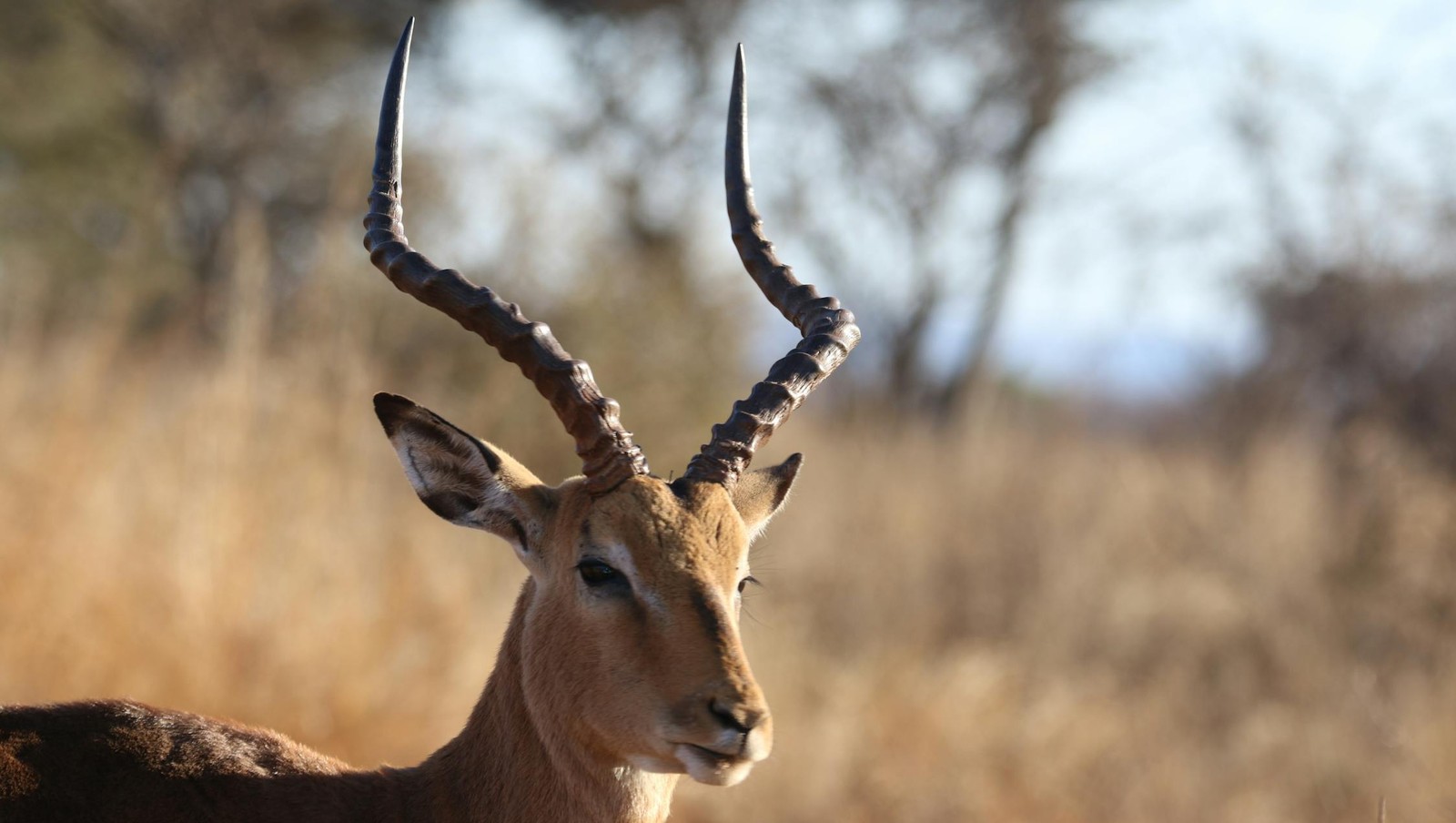
Technically, pronghorns are not true antelopes , but try telling that to early settlers. This stunning slot canyon was named in their honor.

Winding through the Navajo Nation in northern Arizona, its entrance was once grazed by herds of pronghorns gracefully navigating the red rock terrain. Although the original inhabitants have mostly been scared away, the beautiful landscape remains.

2
Buffalo, New York

Image: Pixabay

Despite the name, no actual buffalo roam here—only football fans in snow boots. There are several theories about the origin of the name: some say it comes from the French beau fleuve ("beautiful river"), while others insist early settlers mistook bison sightings for true buffalo .

Either way, the city still honors the animal’s spirit through bronze statues, sports teams, and, of course, Buffalo wings.

3
White Salmon, Washington

Image: Drew Farwell

White Salmon, Washington. This charming town above the Columbia River Gorge got its name from an unusual fish tale. In 1805, Lewis and Clark spotted pale-colored Chinook salmon swimming upstream and named the White Salmon River, which later lent its name to the town.

The white salmon themselves are rare spring sightings, but the name stuck, like a good fishing story.

4
Mammoth Cave, Kentucky

Image: Jonathan Cooper

No, they didn’t find woolly mammoth bones here. The name "Mammoth" refers to the size , not the species, of this mind-bending cave system. With over 400 miles explored, this south-central Kentucky cave is the largest known cave system on Earth.

5
Eagle River, Alaska & Wisconsin

Image: Greg Johnson

Two towns, one majestic bird , and a very straightforward name. In Alaska, Eagle River sits just outside Anchorage, where bald eagles actually soar overhead—and sometimes steal a salmon right out of your hands.

In Wisconsin, Eagle River offers a quieter charm: a hub for lake lovers and snowmobilers who know how often the eagle motif appears on murals, signs, and T-shirts.

6
Wolf Creek Pass, Colorado

Image: Deepak Adhikari

The name alone sounds like it belongs in a Western, and the real place doesn’t disappoint. This high mountain pass in southern Colorado winds its way through the San Juan Mountains, where wolves once prowled the slopes .

Though they’ve long been gone from the area, the name remains, also immortalized in a song by C.W. McCall.

7
Pelican Bay, Florida

Image: J Dean

This coastal enclave near Naples is all palm trees, golf carts, and private beaches, but yes, there are still pelicans.

Big, slightly clumsy, and oddly charming , they’re often seen gliding above the Gulf waters or crash-landing into the surf. The bay itself is a protected estuary, and the birds serve as unofficial greeters.

8
Moose, Wyoming

Image: Danika Perkinson

If you were to walk around the area, you’d understand why this town got its name: actual moose wander here. Just outside Grand Teton National Park, the scenic town of Moose offers ranger stations, cozy lodges, and the occasional 1,200-pound mammal chewing shrubs near the parking lot.

9
Fox River, Illinois & Wisconsin

Image: David Gomez

This river wasn’t named directly after the clever creature, but after the Fox (Meskwaki) Native American tribe . The winding river flows more than 200 miles, passing through Midwest towns, bike trails, and history-rich spots

Today, statues, murals, and local school mascots keep the fox theme alive, although you’re unlikely to spot a red fox along the riverbanks these days.

10
Bear Lake, Utah & Idaho

Image: Megan Nixon

This turquoise lake marks the Utah–Idaho border and was named after, you guessed it, actual bears.

Grizzly and black bears once roamed the surrounding area, though nowadays you’re more likely to spot jet skis than paw prints. Locals call it the "Caribbean of the Rockies," thanks to its unique limestone-rich, electric-blue waters.

11
Cougar, Washington

Image: Leah Huyghe

Cougar, a tiny town in southwestern Washington, gets its name from the sleek mountain lions that once roamed the thick forests nearby. The area is best known for its proximity to Mount St. Helens. A post office called "Cougar" was established there in the early 1900s, and the unincorporated community followed soon after.

12
Coyote, California

Image: Kaylin Pacheco

In what is now Silicon Valley, Coyote was once a standalone ranch town named for the clever canines that run across the hills.

While coyotes still prowl the region—occasionally crashing backyard barbecues—the town itself has been mostly absorbed into San Jose. Still, the name lingers in road signs, local parks, and historic maps.

13
Hawk Mountain, Pennsylvania

Image: Frank Cone

High above the Appalachian ridges of eastern Pennsylvania, Hawk Mountain is a sanctuary. It was transformed into the world’s first refuge for birds of prey in the 1930s.

Today, birdwatchers flock here every fall to witness thousands of hawks, eagles, and falcons gliding overhead. There’s no town—just trails and sky.

Explore more American facts

Choose your favorite category!

General
General

As American as apple pie—the very best America has to offer!

Culture
Culture

Delve into the astounding richness of American lore.

Geography
Geography

Hop in and explore vast and diverse American landscapes.

History
History

Discover the key moments that shaped the United States.