Culture Culture 4 min read

History on canvas

How 10 iconic American paintings shaped modern culture
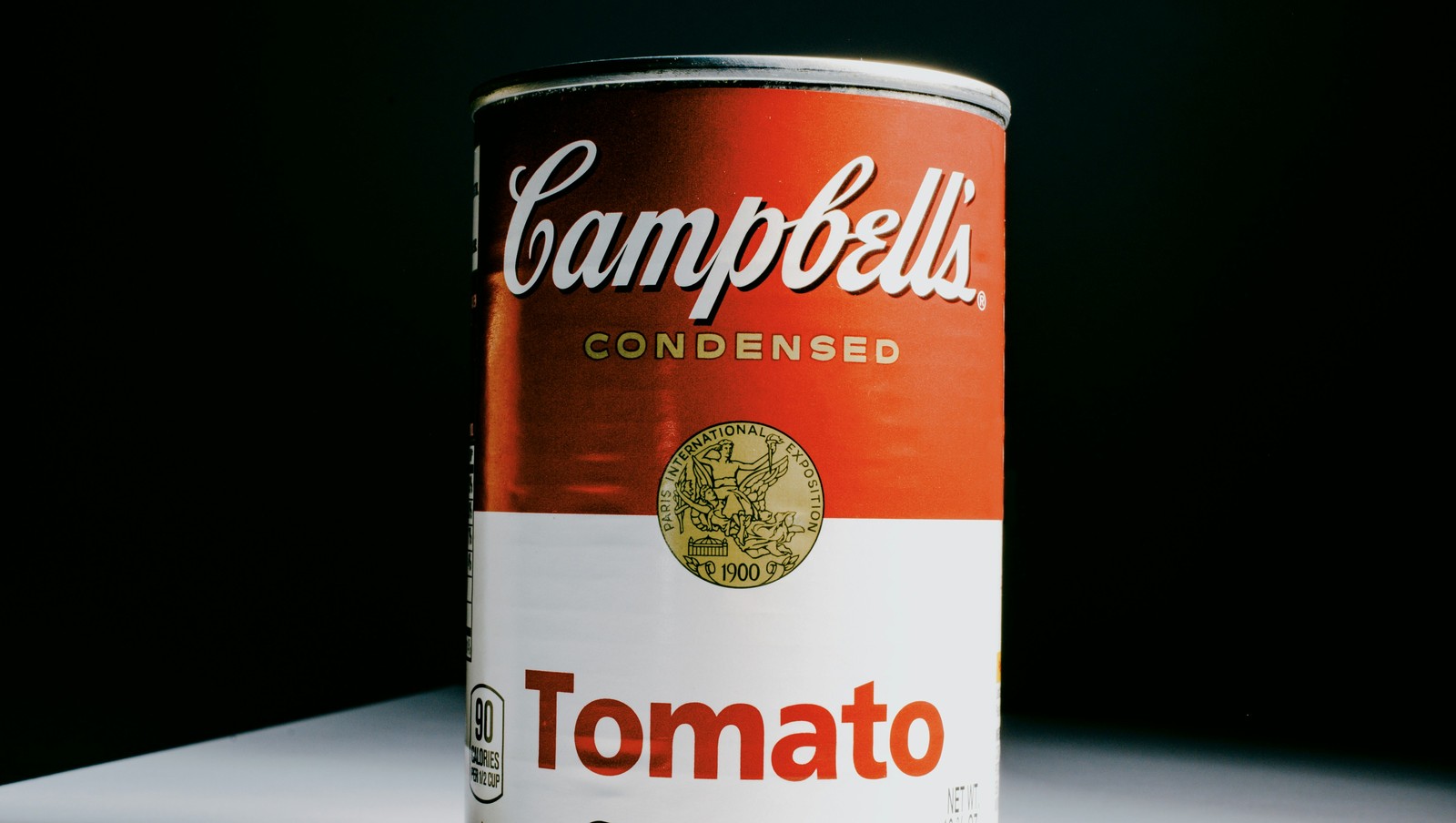
Image: Girl with red hat

Among the many ways the United States has influenced world culture, art, especially painting, stands out as one of the most significant. From Grant Wood's unparalleled "American Gothic" to Andy Warhol's bold "Campbell's Soup Cans", numerous masterpieces by American artists have traveled the globe, each marking a turning point in art history. Join us as we explore the stories behind these 10 unforgettable American works that have left their mark!

1
American Gothic (1930) - Grant Wood
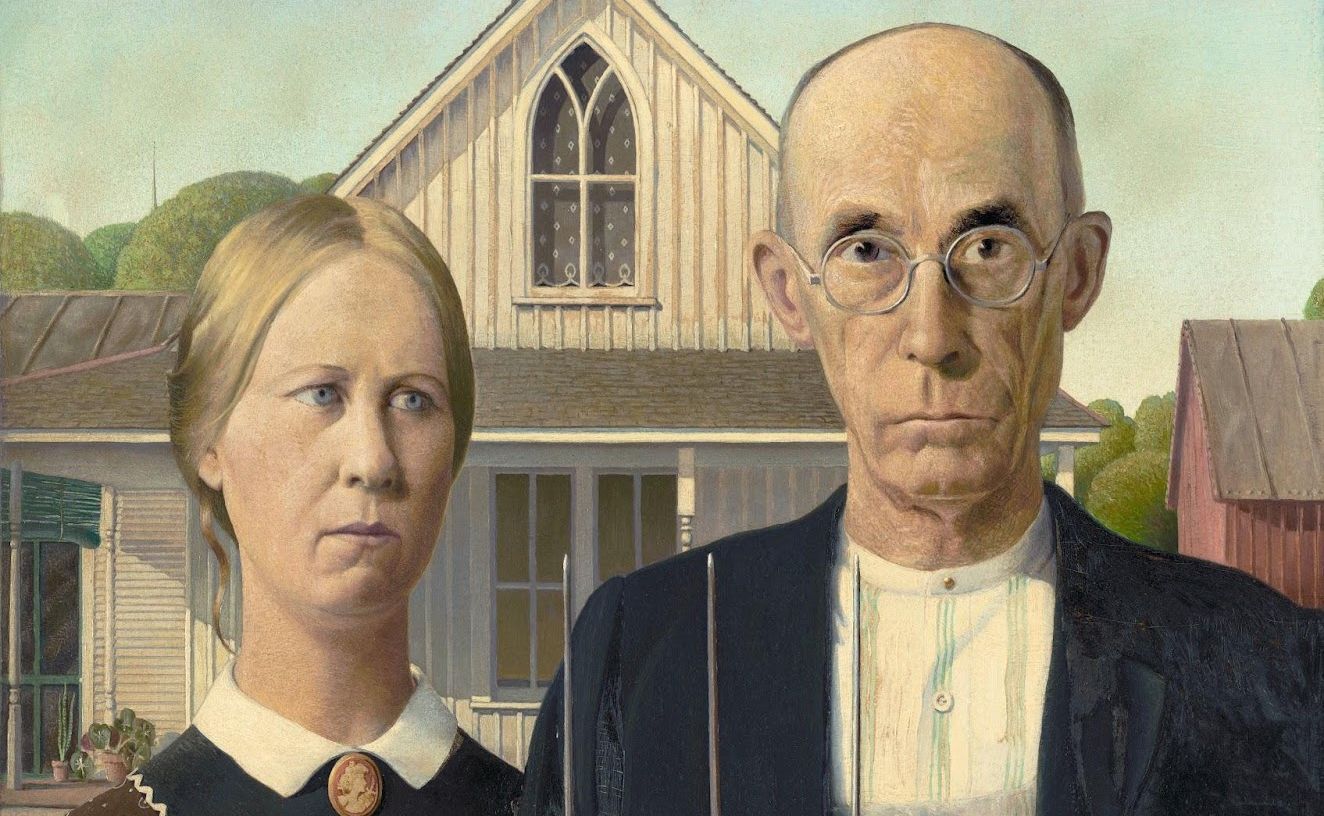
Image: Grant Wood, Public domain, via Wikimedia Commons

One of the most internationally recognized American paintings is undoubtedly "American Gothic" by Grant Wood. With a blend of realism and subtle humor, the artist captured the spirit of rural America during the Great Depression. According to legend, Wood was inspired when he saw a Gothic-style house in Iowa and wondered who would live in that house.

2
Nighthawks (1942) - Edward Hopper

Image: Edward Hopper, Public domain, via Wikimedia Commons

There are probably very few people in the world who haven't seen an image of Edward Hopper's iconic " Nighthawks ," referenced so often that it has become a part of pop culture. Although painted during WWII, this work captures something timeless and still relevant today: the loneliness of night in a bustling city.

3
Whistler's Mother (1871) - James McNeill Whistler
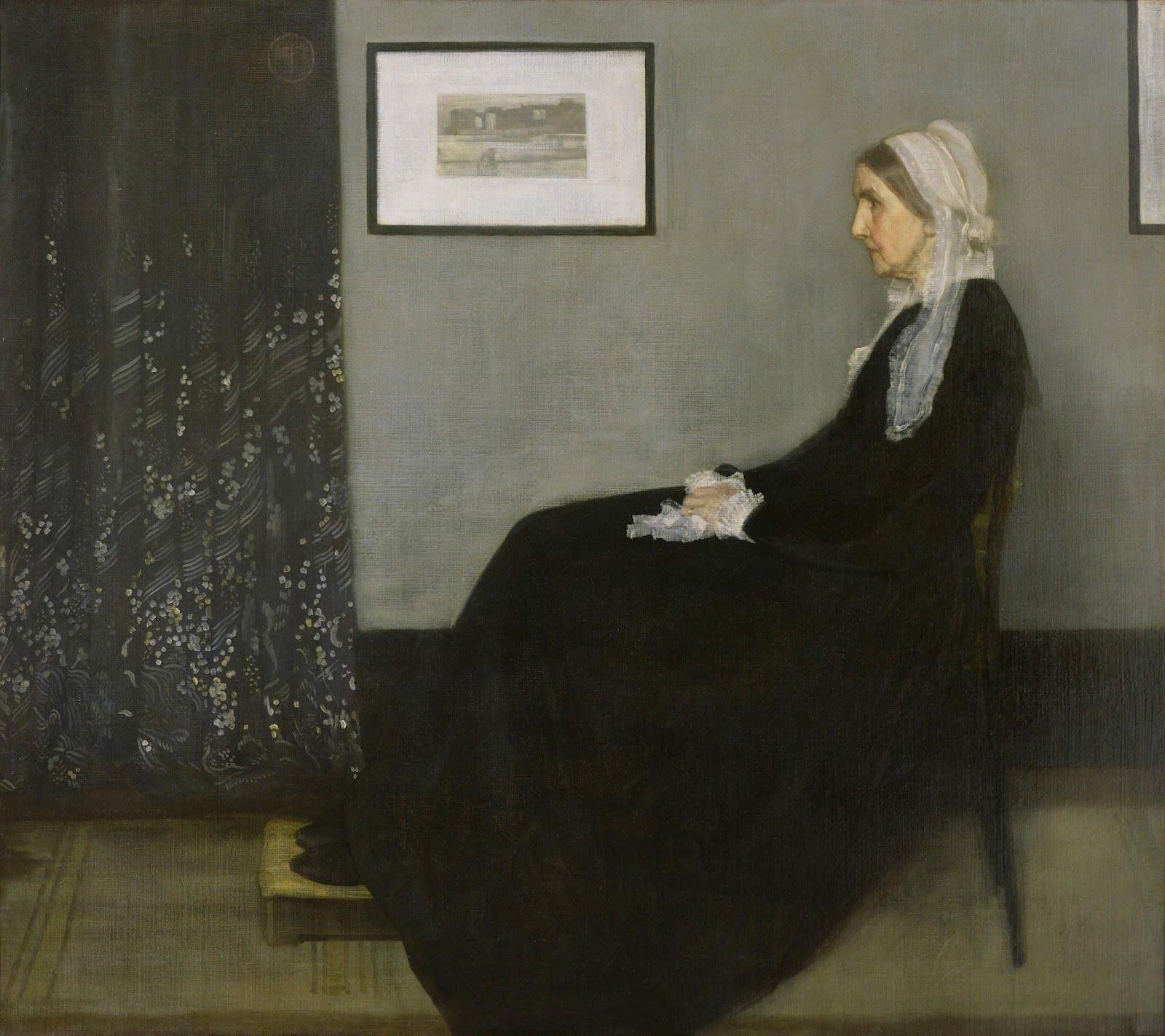
Image: James McNeill Whistler, Public domain, via Wikimedia Commons

A painting that marked a turning point in the art world is "Arrangement in Grey and Black No.1" by James McNeill Whistler, better known as "Whistler's Mother." This work transformed portraiture by embracing a sober, harmonious, and minimalist composition that prioritized conveying emotion over intricate detail. The calm expressed in the painting has been widely praised by critics and art scholars alike.

4
The Gross Clinic (1875) - Thomas Eakins
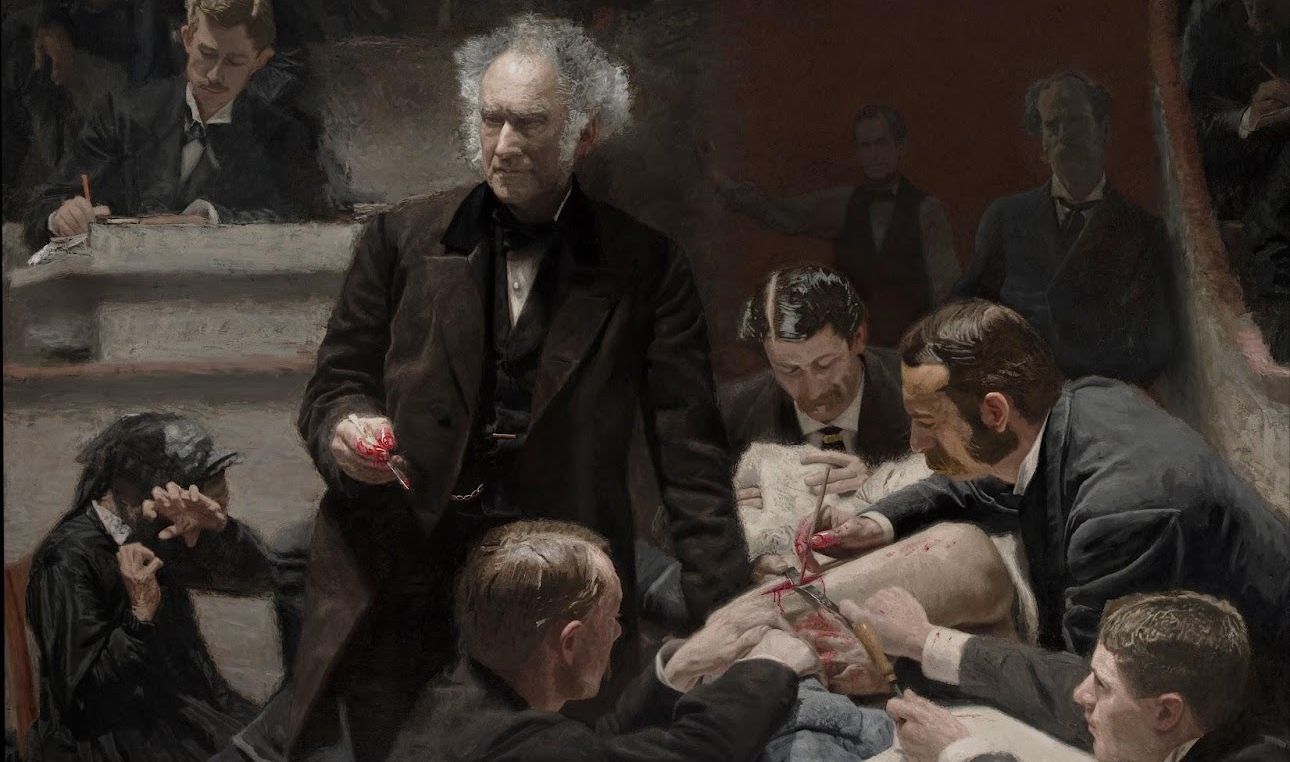
Image: Philadelphia Museum of Art, Public domain, via Wikimedia Commons

Painted in 1875, "The Gross Clinic" by Thomas Eakins is a masterful realist work that revolutionized art through its dramatic use of light and shadow to portray the stark reality of surgery at the time. It's said that, when first exhibited, it shocked viewers so much that it was moved from the art section to the medical displays area of the Centennial Exhibition in Philadelphia.

5
Christina's World (1948) - Andrew Wyeth
Image: Hithesh Shivakumar

"Christina's World" (1948) by Andrew Wyeth is a world-renowned realist painting celebrated for its beauty and depth. Inspired by his neighbor, Christina Olson, who suffered from a degenerative disease that restricted her mobility, the artist created a powerful image that has impacted for decades. The painting's influence also reached Hollywood, appearing in an iconic scene featuring Mélanie Laurent as Shosanna in Quentin Tarantino's Inglourious Basterds (2009).

6
No. 5, 1948 (1948) - Jackson Pollock
Image: Smithsonian Institution, Public domain, via Wikimedia Commons

"No. 5, 1948" by Jackson Pollock perfectly defines Abstract Expressionism. As a pioneer of drip painting, Pollock broke away from traditional techniques and norms, revolutionizing not only how art was created but also how it was perceived and interpreted. In 2006, "No. 5, 1948" sold for around $140 million, making it one of the most expensive paintings at that time.

7
Campbell's Soup Cans (1962) - Andy Warhol
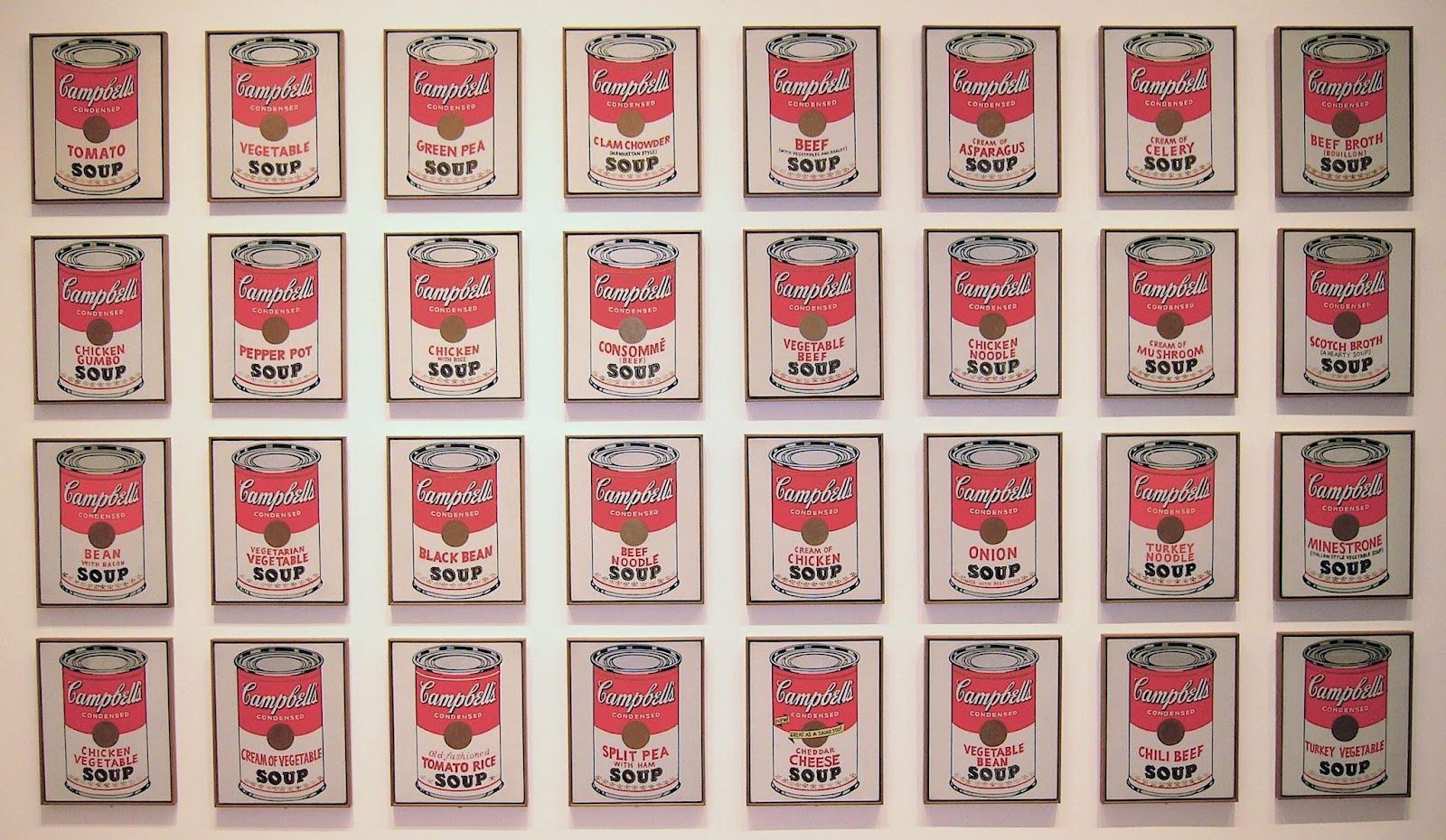
Image: Andy Warhol, Public domain, via Wikimedia Commons

When talking about pop culture, "Campbell's Soup Cans" (1962) by Andy Warhol is an essential reference. Even those unfamiliar with art recognize this work, as Warhol broke through the barriers of the academy to reach a broader audience. By transforming everyday objects into symbols of art, this iconic piece made a strong critique of mass production and consumerism.

8
Portrait of George Washington (1796) - Gilbert Stuart
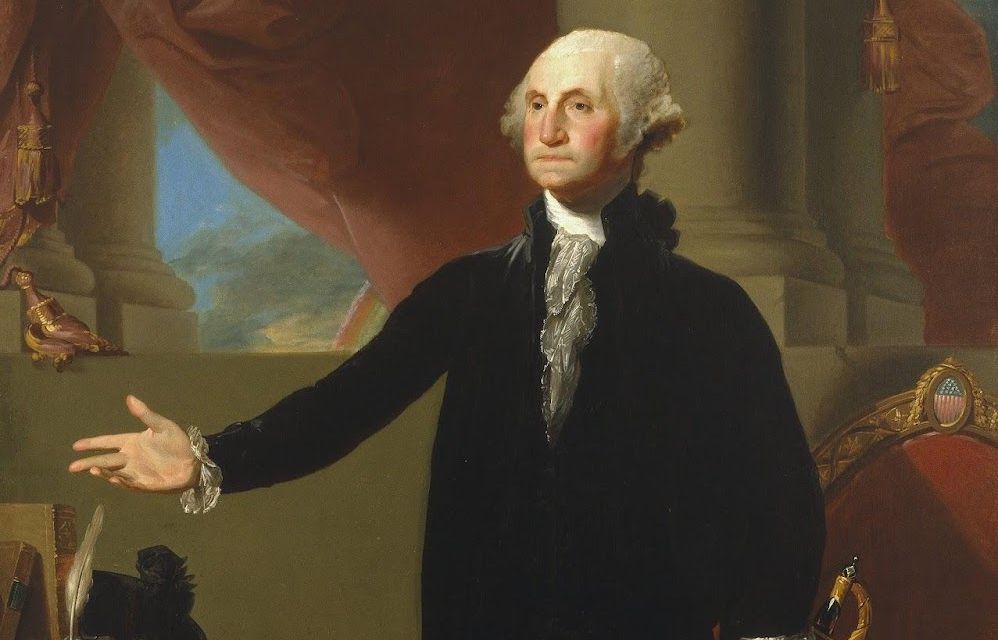
Image: Gilbert Stuart, Public domain, via Wikimedia Commons

Gilbert Stuart created what is perhaps the most famous portrait of George Washington. Painted in 1796, this work helped define the image of the first US president throughout history. Although Stuart never completed the painting during his lifetime, it became the basis for many other depictions of Washington, including the image on the $1 bill.

9
Freedom from Want (1943) - Norman Rockwell
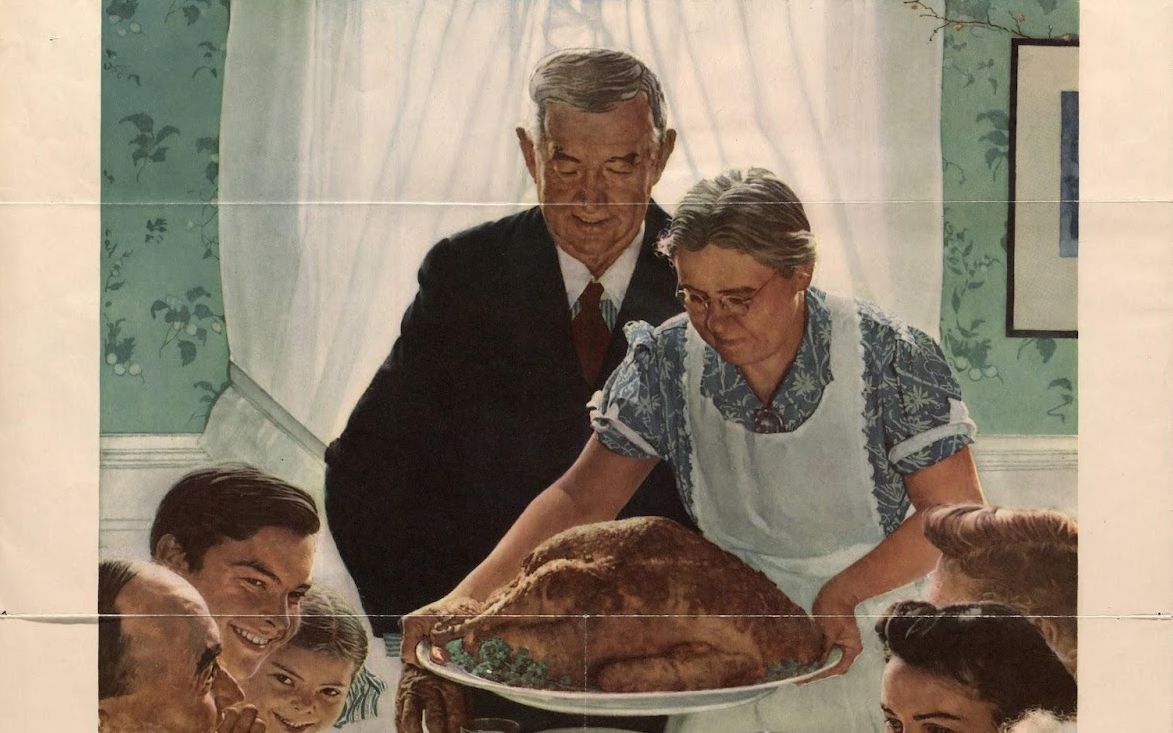
Image: Hennepin County Library, Public domain, via Wikimedia Commons

You've probably come across this painting more than once. Inspired by President Franklin D. Roosevelt's 1941 speech on fundamental human rights, Norman Rockwell created his Four Freedoms series. Among the four paintings, "Freedom from Want" (1943) stands out as an icon of American values from the time of its debut to this day.

10
No. 61 (Rust and Blue) (1953) - Mark Rothko
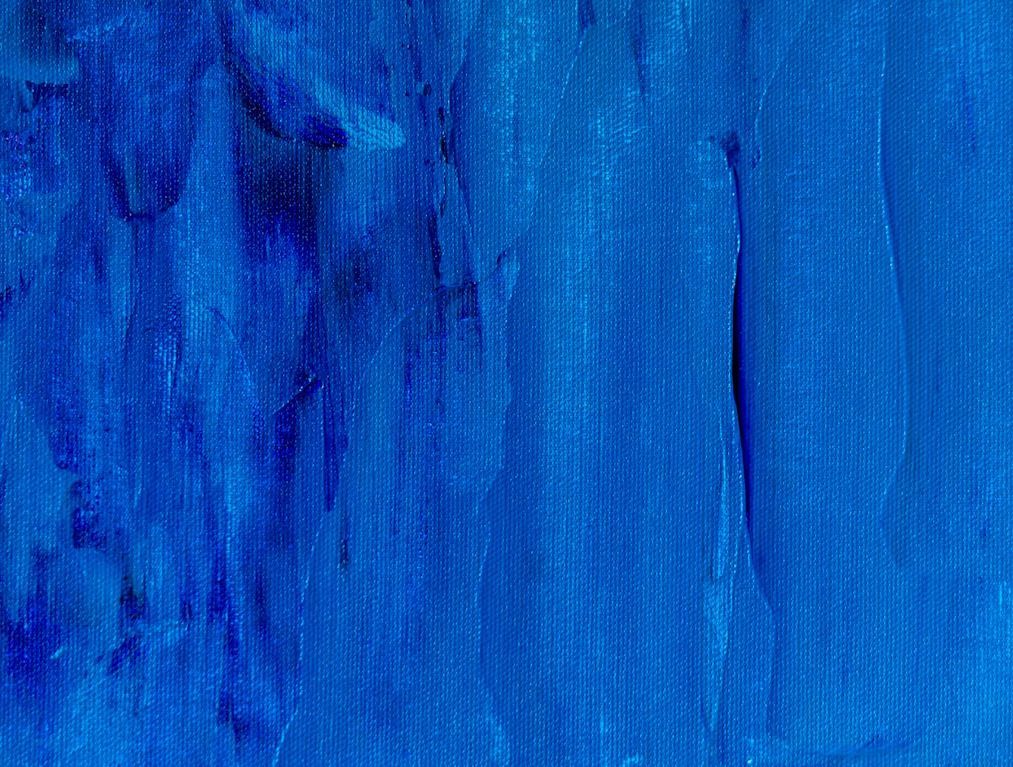
Image: Steve Johnson

Color Field painting wouldn't be what it is today without the groundbreaking work of American artist Mark Rothko, who, along with Barnett Newman and Clyfford Still, helped pioneer the movement. Rothko insisted that his paintings should be displayed and observed in dim lighting, as his use of color fields aims to evoke deep emotional responses in viewers.

Geography Geography 4 min read

MONUMENTAL HERITAGE

A Legacy In Stone: 10 Landmarks That Make America

Image: Heath Hughes

Churchill once said that we choose the shape of our buildings, but in turn, they shape us. America boasts an array of monumental landmarks that stand as testaments to its history, culture, and perseverance. From coast to coast, these colossal structures inspire awe and pride, symbolizing the values and spirit of the nation.

Join us to explore 10 of the largest American monuments and structures that are part of our unique legacy to the world and the hearts of the American people.

1
Statue of Liberty

Image: Pierre Blaché

Location: New York City, New York

The iconic symbol of freedom and democracy, Lady Liberty stands tall on Liberty Island in New York Harbor. A fraternal gift from France in 1886, she welcomed immigrants and visitors to the United States for over a century with her torch held high , representing enlightenment and hope.

Originally, it was a brownish copper color, but after a few years of exposure to the elements, its iconic green patina—caused by the oxidation of its copper surface—began to spread. Also, did you know that her full name is actually "La Liberté éclairant le monde" , French for "Liberty Enlightening the World"?

2
Mount Rushmore

Image: John Bakator

Location: Keystone, South Dakota

Carved into the granite face of the Black Hills, Mount Rushmore features the colossal visages of four revered American presidents: George Washington, Thomas Jefferson, Theodore Roosevelt, and Abraham Lincoln.

Although the monumental sculpture was never finished due to lack of funding (the original vision of sculptor Gutzon Borglum was that each president would be depicted from head to waist), it is still one of the most enduring symbols of the nation's founding principles and leadership.

3
Lincoln Memorial

Image: Kelli Dougal

Location: Washington D.C.

Honoring the 16th President of the United States, the Lincoln Memorial stands as a tribute to Abraham Lincoln's enduring legacy and his role in preserving the Union during the Civil War. An example of neoclassical architecture, it is built in the form of a classical temple , and the massive marble statue of Lincoln seated solemnly commands reverence upon entrance.

The memorial serves as a symbolic center for civil rights and has been the site of many historic speeches , most notably Martin Luther King Jr.'s "I Have a Dream" speech in 1963.

4
Gateway Arch

Image: Chris Hardy

Location: St. Louis, Missouri

Considered by some to be the tallest human-made monument in the Western Hemisphere - and the tallest arch in the world - the Gateway Arch soars 630 feet above the Mississippi River, a tribute to America's westward expansion and the pioneering spirit of its people.

Made of stainless steel with reinforced concrete infill, the structure is built to withstand earthquakes and winds up to 150 miles per hour. Inside, the arch is hollow and contains a tram system that takes visitors to an observation deck at the top.

5
Washington Monument

Image: Andy He

Location: Washington D.C.

Dedicated to the nation's first President, George Washington, this towering obelisk stands at 555 feet, making it one of the tallest stone structures in the world - and for a brief period of time between 1884 and 1889, before the construction of the Eiffel Tower, it actually was the world's tallest structure.

Its cornerstone, a 24,500-pound marble block, was specially hollowed to hold a number of memorabilia , including items associated with the monument, George Washington, and various benevolent societies.

6
USS Arizona Memorial

Image: Kirby Yardley

Location: Pearl Harbor, Hawaii

Built over the sunken remains of the USS Arizona, this memorial pays homage to the lives lost during the attack on Pearl Harbor on December 7, 1941. Only accessible by boat, the solemn structure sits just above the sunken battleship without touching it , preserving the original wreckage intact.

To this day, drops of oil occasionally leak from the ship’s deteriorating oil tanks , forming oil slicks on the water’s surface that are often referred to as "the tears of the Arizona."

7
Crazy Horse Memorial

Image: Lauren Lopes

Location: Crazy Horse, South Dakota

A colossal endeavor still in progress, the Crazy Horse Memorial is a heartfelt tribute to the Lakota leader Crazy Horse , intended to honor the culture, tradition, and resilience of Native Americans.

When it is finally completed, it will be the largest sculpture in the world , standing at 563 feet high and 641 feet long.

8
Hoover Dam

Image: Ryan Thorpe

Location: Nevada/Arizona border

Although not technically a monument, the Hoover Dam undeniably stands as a testament to American ingenuity and resourcefulness. Completed in 1936, it was originally named Boulder Dam , but the association with President Herbert Hoover endured, leading to its eventual renaming in his honor.

Spanning the Colorado River between Nevada and Arizona, the Hoover Dam is a monumental feat of engineering and a vital source of hydroelectric power and water for the Southwest United States.

9
Bunker Hill Monument

Image: Siddharth Mallya

Location: Charlestown, Massachusetts

Standing tall on Breed's Hill in Charlestown, Massachusetts, the Bunker Hill Monument commemorates the Battle of Bunker Hill , one of the early clashes in the American Revolutionary War.

Constructed between 1825 and 1843, the granite obelisk rises 221 feet and is accompanied by a statue of Col. William Prescott , a celebrated commander and hero of the Revolutionary War. Prior to the construction of the Washington Monument, it was the nation's largest-scale memorial.

10
Golden Gate Bridge

Image: Leo_Visions

Location: San Francisco, California

Spanning the Golden Gate Strait and connecting San Francisco to Marin County, the Golden Gate Bridge is an enduring symbol of American engineering and inventiveness. Opened in 1937, the iconic suspension bridge stretches 1.7 miles, and the main cables that support the weight of the roadway are made out of over 80,000 miles of galvanized steel wire.

Its distinctive orange hue, known as International Orange , was carefully chosen by consulting architect Irving Morrow to both complement the natural surroundings and enhance visibility in the frequent foggy conditions of the bay.

History History 5 min read

Stages that made history

Woodstock or Folsom Prison? 10 of the most iconic concerts in America

Image: Johannes Havn

Some performances stay with us forever. Moments like Jimi Hendrix setting his guitar on fire, Prince playing Purple Rain in the pouring rain, or The Beatles being drowned out by the roaring crowd at Shea Stadium are etched in the minds of millions. Some people witnessed them live, while others saw them in documentaries or YouTube videos that continue to amass views decade after decade. Regardless of the medium, generations agree that these 10 performances are among the most unforgettable shows ever staged in the US.

1
The Beatle’s Shea Stadium Concert

Image: Fedor

The Beatles couldn’t hear themselves over the overwhelming roar of the crowd during their first U.S. performance. The concert that the band from Liverpool gave at Shea Stadium in the summer of 1965 made history. It drew 55,000 fans—the largest rock concert audience at the time—and marked the first time a rock band played in a large stadium.

This event set a new standard for live music performances, highlighting the need for stadium sound systems capable of supporting massive concerts—since the one used that day was rudimentary. Though the band arrived by helicopter, sparked a frenzy of Beatlemania hysteria, and delivered a performance that would be rewatched for decades, they played only 12 songs in just 30 minutes .

2
1985’s Live Aid

Image: Andreas Talseth

Did you know that Phil Collins insisted on performing at both the U.K. and U.S. venues on the same day for 1985’s Live Aid? He boarded a Concorde jet to fly from Wembley Stadium to JFK Stadium in Philadelphia, where the U.S. leg of the famine relief fundraiser for Ethiopia was taking place.

The event was broadcast in 150 countries and reached nearly 1.9 billion people. The U.S. stage of Live Aid raised over $125 million and set the standard for large-scale charity concerts, inspiring similar events in the years that followed. Madonna, Bob Dylan, Mick Jagger with Tina Turner, Duran Duran, and Eric Clapton were just a few of the stars who performed that day.

3
Bob Dylan at Newport Folk Festival

Image: Nikoloz Gachechiladze

The 1965 Newport Folk Festival will always be remembered as the day Bob Dylan "went electric." His decision was controversial—he had long been associated with folk and blues, and his unexpected leap into rock divided the audience, with some cheering and others booing. Some believe the booing was directed at the poor sound quality rather than his choice to go electric. Regardless, Dylan left the stage after just three songs .

This moment is seen as a pivotal merger of folk and rock music. Afterward, Dylan fully embraced rock, releasing albums that included his hit "Like a Rolling Stone."

4
Simon & Garfunkel’s Concert in Central Park

Image: David Vives

In September 1981, Simon & Garfunkel reunited at Central Park in New York for their first performance together in over a decade. The duo had publicly announced their breakup in 1970, after friction and disagreements that had forced them apart. Their immense popularity drew a crowd of half a million people to Central Park to witness the event.

The duo performed some of their biggest hits along with a few of Paul Simon’s solo songs. The concert was a benefit to raise funds for the park’s restoration. It was broadcast live, and the recording was later released as a live album . The event reignited their popularity and led to a successful reunion tour.

5
The Allman Brothers Band’s Fillmore East Concerts

Image: Pixabay

During the spring of 1971, The Allman Brothers Band performed for three nights at the Fillmore East in New York City. These performances were recorded and released as the live album At Fillmore East , which became one of the greatest live albums in rock history.

What made these recordings particularly compelling for fans was the inclusion of extended jam versions of songs like "Whipping Post," "You Don't Love Me," and "In Memory of Elizabeth Reed." The band’s improvisational skills and seamless fusion of blues, jazz, and rock made this weekend in New York a legendary and widely acclaimed performance.

6
Johnny Cash at Folsom Prison

Image: M Shiva

In 1968, Johnny Cash made a decision that would revive his career and solidify his image as both empathetic and rebellious. Following a decline in popularity and struggles with addiction, he arranged a performance for the inmates at California’s Folsom Prison, about which he had written the hit Folsom Prison Blues years earlier.

Cash had played in prisons before, but this time, he chose to record it. The resulting album captured the raw energy of his direct engagement with the audience. At Folsom Prison became a massive success, marking the first in a series of prison concerts that would go on to become some of his best-selling records .

7
The Last Waltz of The Band

Image: William Krause

The Last Waltz was billed as The Band’s farewell concert , designed as a celebration of their remarkable career. Filmed by Martin Scorsese, the event featured an all-star lineup of guest musicians, including Bob Dylan, Joni Mitchell, Van Morrison, Muddy Waters, and Ringo Starr—just to name a few.

Held in 1976 at San Francisco’s Winterland Ballroom, the concert was later released as a documentary film , becoming one of the greatest concert films of all time. With its chandeliers and grand ballroom atmosphere , The Last Waltz set a new standard for farewell concerts.

8
Prince’s Super Bowl Halftime Show

Image: Daniel Robert Dinu

Many will always remember when Prince performed "Purple Rain" in the pouring rain during the 2007 Super Bowl Halftime Show . Despite the adverse weather, he commanded the "P"-shaped stage at Miami’s Dolphin Stadium during the break in the game between the Colts and the Bears.

He opened with his anthem "Let's Go Crazy" and included covers of songs by Bob Dylan and Foo Fighters. Legend has it that before the show, Prince was asked if he was worried about performing in the rain. His alleged response? A playful, " Can you make it rain harder ?" He then stepped out and delivered one of the greatest halftime shows in history.

9
Jimi Hendrix at the Monterey Pop Festival

Image: mirkosajkov

Until the Monterey Pop Festival in 1967, Jimi Hendrix had yet to break through in the US. It was none other than Paul McCartney who convinced organizers that the festival would be incomplete without the rising star.

American audiences were introduced to Hendrix’s guitar wizardry at this concert, where he showcased his newly released album Are You Experienced. The moment that cemented him as a force to be reckoned with came during a dramatic rendition of "Wild Thing," when he set his guitar on fire before smashing it.

10
Woodstock Music and Art Fair

Image: PeterKraayvanger

Finally, we can’t overlook the legendary Woodstock Music and Art Fair, forever known simply as "Woodstock." Held on a dairy farm in Bethel, New York, the festival became a symbol of the 1960s counterculture . Nearly half a million people gathered for this three-day event, which was originally planned as a profit-making venture but turned into an open festival when the crowds became overwhelming.

The lineup featured many stars who became emblems of the era, including Jimi Hendrix, Janis Joplin, The Who, Santana, and Joe Cocker, among others. Despite its iconic status today, Woodstock faced challenges such as food and water shortages, heavy rain, and overwhelmed medical services. Although the festival initially resulted in a financial loss , the costs were eventually recovered through profits from the film and soundtrack releases.

Explore more American facts

Choose your favorite category!

General
General

As American as apple pie—the very best America has to offer!

Culture
Culture

Delve into the astounding richness of American lore.

Geography
Geography

Hop in and explore vast and diverse American landscapes.

History
History

Discover the key moments that shaped the United States.