General General 4 min read

Beyond pizza

Gourmet traveling: 10 amazing local dishes from 10 American states

Image: Ben Eaton

Most of us already know about Chicago’s pizza, Philadelphia’s cheesesteak, New England’s clam chowder, and quite a long list of delicious local dishes. But there is always another dish, maybe not as popular but equally tasty, in every corner of the country. Take a look at the following ten and see if you recognize any of these or even fancy making it at home!

1
Chicken Tetrazzini, California

Image: Lampos Aritonang

California is famous for several dishes, including sushi, avocadoes, and many more but the Chicken Tetrazzini is also a very popular and delicious local dish. Named for an Italian-born opera star who lived in San Francisco, the dish involves thin sliced chicken served with mushrooms in a cream-based sauce flavored with white wine .

The dish was supposedly invented in the early 1900s by Ernest Arbogast, the chef at the Palace Hotel in San Francisco, where Luisa Tetrazzini made her American debut at the Tivoli as Gilda in Rigoletto in 1905.

2
Scrapple, Delaware

Image: Martinet Sinan

While the name may not sound all that appealing, the flavor makes up for it. This meat loaf is made of cornmeal, flour, seasonings, and pork scraps , which gives it its name. It’s then sliced thinly and pan-fried before serving.

As the story goes, this dish owes its existence to the Pennsylvania Dutch not wanting to waste their meat trimmings. Locals claim that it makes for an excellent snack or breakfast addition.

3
Italian Beef, Illinois

Image: Farhad Ibrahimzade

It sounds like beef, but it is a beef sandwich, actually. This deliciousness is made by slow-cooking beef, slicing it thinly, and placing it into a white bread roll with a local hot pickled pepper relish or roasted sweet peppers.

The origin of this dish is informed by Chicago’s meat packing history, as it was made quickly as a lunch item for workers with ingredients at hand.

4
Bierock, Kansas

Image: Jeremias Ybañez

Quite similar to Argentinean "empanadas", bierock are small meat pies created in Kansas by German immigrants in the late 1800s. They are typically stuffed with cabbage, ground beef, and onion but many other flavors can be found as the format lends itself to creativity and can be stuffed with just about anything.

These savory treats are common among the German community and it was brought to the United States in the 1870s by German Russian Mennonite immigrants.

5
Toasted Ravioli, Missouri

Image: Lorenzo Tomassetti

A local specialty from St. Louis, "toasted" ravioli are actually deep-fried and meant to be dipped in sauce and eaten with your hands . They function as an appetizer, entrée, and snack. As the legend goes, in the early 1940s, a raviolo was accidentally dropped into the fryer by a chef. Apparently, someone thought that this happy accident tasted good because, shortly thereafter, the item began appearing on menus across The Hill.

6
Cider Doughnuts, New Hampshire

Image: Pere Jurado

New Hampshire cider doughnuts get their flavor from cinnamon, nutmeg, and apple cider used in the batter. These are cakey donuts, perfect for snacking during fall, and are a harvest tradition sometimes sold at cider mills. They are often paired with apple cider and may be covered with cinnamon and/or granulated sugar.

7
Kase Knoephla, North Dakota

Image: Frank Zhang

These hard-to-pronounce cheese buttons are a form of dumplings of German origin, a nod to the settlers who immigrated to the area. They’re stuffed with a cottage cheese mixture and served with sauteed onions, cheese, and sour cream .

These treats have some similarities with Italian ricotta ravioli. The recipe for the noodle dough is exactly the same as a common recipe for pasta, and the recipe for the cheese is similar to at least one version of ricotta.

8
Pepperoni Rolls, West Virginia

Image: Jez Timms

Imagine a soft white bread roll stuffed with slices of pepperoni and you will be picturing a pepperoni roll. This dish can attribute its existence to the local coal mining industry, as it was created by an Italian baker so miners would have a no-fuss lunch they could pack for work.

During baking, the fats in the pepperoni melt, resulting in a spicy oil suffusing into the bread. Pepperoni rolls are typically eaten for lunch or breakfast, either unheated or slightly warmed.

9
Conch fritters, Florida

Image: Anshu A

You can skip this one if you are not into snails but if you are, by all means, read on. Conch are large sea snails native to the Florida Keys, the Bahamas, and surrounding regions battered and fried as to become a deliciously salty and savory snack.

This dish can be eaten on its own, or fried with chips, or in a seafood salad. But the fritters are perfect for sharing.

10
Ham Balls, Iowa

Image: Сергей Орловский

It should come as no surprise that a state with so many pork farms has its own version of a metaball but with ham. Or at least partially, since ham balls have a mixture of ground meats: ground ham, ground beef, and ground pork . Ham is a cured cut of pork with a smoky quality, it contains a different flavor than ground pork alone.

While these three types of meat together might sound like an odd combination, the mixture results in a flavorful and perfectly textured meatball. Also, to differentiate even further from the classic meatballs, ham balls use graham cracker crumbs instead of breadcrumbs.
Culture Culture 7 min read

Foreign gems

These 12 iconic Americans weren't actually born in the U.S.

Image: cytis

Alexander Hamilton wasn’t the only prominent American to be born abroad. Some personalities are so ingrained in American culture that we just assume they were born in the United States. However, many of the major contributors to American science, art, and politics didn’t begin life in our country. Although some iconic figures of American history were immigrants, their stories are absolutely inspirational. Continue reading to learn more about the lives of 12 great Americans you might not have realized were born outside the U.S.

1
Alexander Hamilton

Image: John Trumbull, CC0, via Wikimedia Commons

On January 11, 1757, in the remote Colony of Nevis, British Leeward Islands, a boy was born. He went from having nothing to being a key player in the history of the United States of America. Alexander Hamilton, the illegitimate son of a Scottish trader and a French-English woman, would become George Washington's right hand and one of the nation's Founding Fathers.

At the age of 16, he landed in New York, where he began to study law. But his studies were interrupted when the Revolutionary War broke out. During his lifetime, Hamilton was an influential promoter of the U.S. Constitution, as well as the founder of the nation's financial system, the Federalist Party, the U.S. Coast Guard, and The New York Post .

2
Bob Hope

Image: d

"I left England when I realized I couldn't be king," Bob Hope liked to say. Leslie Townes Hope was so American that his audience was unaware he was actually born in London. When he was five years old, however, his family emigrated to the United States and settled in Cleveland, Ohio.

He began working in show business when he finished high school, appearing in countless Broadway plays, Hollywood films, and television shows. Throughout his more than 60-year career, Hope was not only one of the most influential comedians of his time; he was also one of the most awarded actors in history, the unofficial entertainer of the American troops, and the presenter who hosted the Oscars ceremony the most times.

3
Henry Kissinger

Image: White House Photographic Office, Public domain, via Wikimedia Commons

During the 20th century, this controversial diplomat played a key role in American politics. However, Heinz Alfred Kissinger was born into a Bavarian Jewish family on May 27, 1923. Escaping Nazi Germany, he emigrated to the United States, where his name was changed to Henry.

Henry Kissinger soon obtained citizenship. He served in the Army, studied at Harvard University, and had a long and active life in our country's politics. During the Eisenhower, Kennedy, and Johnson administrations, he worked as a security consultant for various agencies. His reputation led him to be appointed National Security Advisor by President Richard Nixon in 1969, and Secretary of State in 1973, the first person in history to hold both positions simultaneously.

4
Charlie Chaplin

Image: Bain News Service, publisher.Library of Congress, Prints & Photographs Division, Public domain, via Wikimedia Commons

Charles Chaplin, one of the greatest Hollywood legends, was born in London in 1889. At the age of 20, Chaplin crossed the Atlantic to try his fortune in the United States. It was here that he came up with his signature character, Charlot, an endearing tramp who has become a universal icon.

From then on, Charlot appeared in dozens of films that allowed Chaplin to consolidate his reputation as one of the industry's most beloved actors. In 1972, the Academy of Motion Picture Arts and Sciences awarded him an Honorary Oscar for his outstanding career. The audience applauded for twelve uninterrupted minutes.

5
Alexander Graham Bell

Image: Harris & Ewing, photographer, Public domain, via Wikimedia Commons

​​Known for being the inventor of the first patented telephone, Alexander Graham Bell also worked on the development of deaf-friendly systems, was one of the founders of the National Geographic Society, and made great contributions to the U.S. telecommunications industry. Yet, he was born in 1847 in Edinburgh, Scotland.

In 1871, Bell settled in Boston, Massachusetts, where he worked as a teacher and tutor of deaf students. His influence on American science and culture was so important that on the day of his death, all telephone services in the United States stopped for one minute in his honor.

6
Samuel Goldwyn

Image: Metro-Goldwyn-Mayer, Public domain, via Wikimedia Commons

Films, perhaps the most representative industry of American culture, would not be the same without the contribution of numerous foreigners who settled in California since the beginning of the 20th century. This is the case of Samuel Goldwin, one of the most influential magnates in the history of Hollywood, born in Warsaw, Poland, in 1879.

During his more than 50 years of activity, Goldwyn founded several film studios and produced the first feature film entirely made in Hollywood. His reputation in the industry grew steadily, based on his incredible eye for finding great talent. There is a theater named after him in Beverly Hills, and he received a star on the Hollywood Walk of Fame for his invaluable contributions to cinema.

7
Joseph Pulitzer

Image: Allen & Ginter, CC0, via Wikimedia Commons

This self-made, foreign man became an American media mogul and inspired the world's most prestigious journalism award. Born in 1847 in Hungary, young Joseph Pulitzer emigrated to the United States at the age of 17 without knowing a word of English.

After fighting in the Civil War, Pulitzer began to study law. He soon discovered his talent for journalism. Within a few years, he became a leading national figure in the U.S. Democratic Party, began running the New York World newspaper, and became a pioneer of tabloid journalism.

8
Albert Einstein

Image: Archivo General de la Nación, Public domain, via Wikimedia Commons

Despite being born in Germany, the most famous scientist of the 20th century ended his days in the United States, where he was able to continue his research after Nazism took power. In 1933, Albert Einstein was visiting our country, and given the context in Europe, he decided not to return to the old continent and renounced his German citizenship.

Einstein accepted a position at the Institute for Advanced Study in Princeton, where he continued his scientific work until his death. During his stay in America, he remained active in the academic world and received multiple awards. His scientific legacy remains fundamental to modern physics and the understanding of the cosmos.

9
Madeline Albright

Image: U.S. Department of State, Public domain, via Wikimedia Commons

Madeleine Albright was the first woman in the history of the United States to serve as Secretary of State. What you may not know is that the diplomat was born in Prague, Czechoslovakia, as Marie Jana Korbelová. In 1948, Albright immigrated with her family to America and settled in Denver, Colorado.

After graduating from Wellesley College, she worked as a journalist and editor for different newspapers. She later earned her doctorate and began her political career working in the White House. She was a senior advisor to the Democratic Party, and when Bill Clinton became president, she was first appointed Ambassador to the United Nations. A few years later, she became Secretary of State.

10
Alfred Hitchcock

Image: Shamley Productions , Paramount Pictures, Public domain, via Wikimedia Commons

The great Alfred Hitchcock began his film career in England, where he was born, but it was in the United States where he was really able to display all his genius. While in Hollywood, he directed more than 30 films, some of which are considered masterpieces to this day.

Although Hitchcock was relatively successful in his country, in 1939, producer David O. Selznick convinced him to cross the pond and settle in our country. And thank goodness he did! The master of suspense is considered one of the most influential directors of all time and is regarded as one of the most important artists of the seventh art.

11
Meyer Guggenheim

Image: Joe Dudeck

The patriarch of the Guggenheim family, known for playing a decisive role in the transformation of the American mining and smelting industries, was actually born in Lengnau, Canton Aargau, Switzerland. Meyer Guggenheim emigrated to the United States in 1847, where he started working as a salesman.

After earning a considerable sum of money buying and selling stocks, he began investing in silver mines. In a short time, he amassed one of the largest fortunes of the 19th century. Meyer died in 1905 in Palm Beach, but his legacy still influences many sectors today, from industry to philanthropy.

12
Levi Strauss

Image: manusama

Is there anything more American than a pair of blue jeans? What started as a strong and durable pair of pants became the garment that revolutionized the fashion market. Worn by miners, cowboys, rock stars, presidents, and men and women all over the world, blue jeans have been a favorite for generations. However, their creator was not born in the United States.

Levi Strauss, the founder of the first jeans manufacturing company, was born in 1829 in Buttenheim, Germany, as Loeb Strauss. In 1847, he emigrated to New York, but when the California gold rush began, he decided to move to the West Coast and open a branch of the family business in San Francisco. And the rest is history!

History History 3 min read

History misconceptions

Did you still believe this? 10 myths about US history debunked

Image: Pierre Bamin

Do you think the US Declaration of Independence was signed in July 1776? Did you know Prohibition didn't actually make drinking illegal? The history of the United States is as vast as it is varied. Over the centuries, it has been recorded, studied, and interpreted in many ways, giving rise to many misconceptions. Join us as we debunk 10 of the most widespread myths about American history!

1
Columbus discovered America

Image: Hector John Periquin

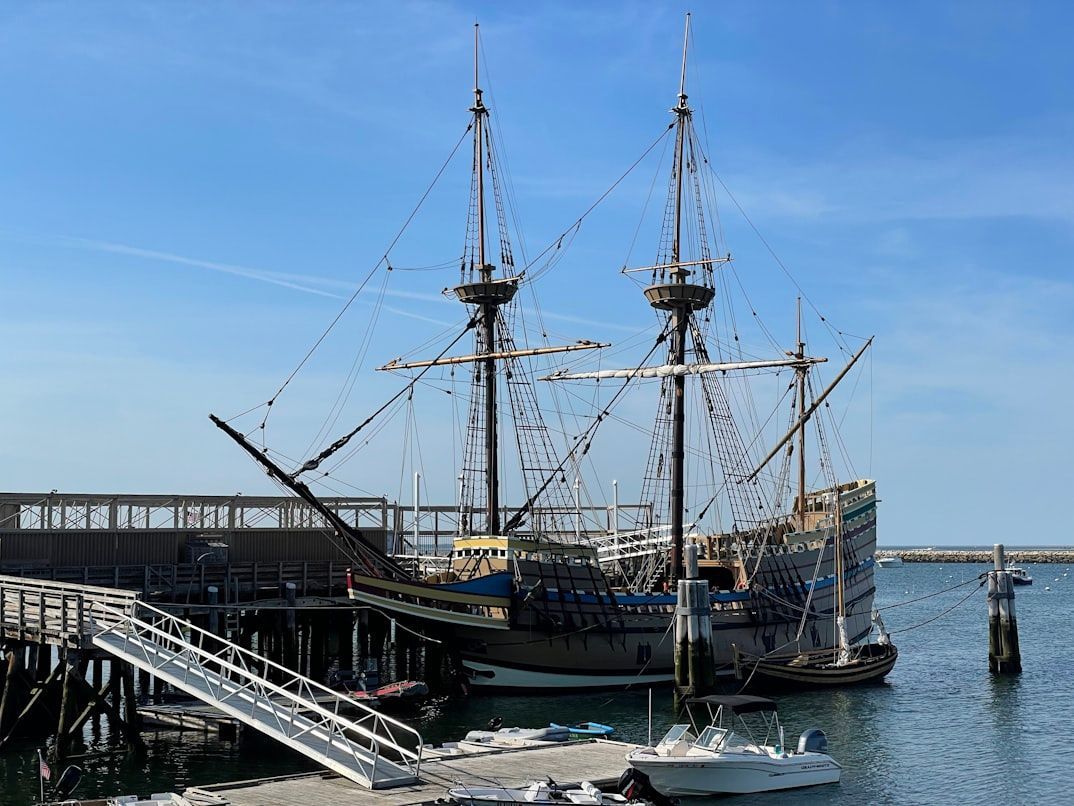
Although this isn't strictly about the United States, it does concern our continent. It's often said that Columbus "discovered" the Americas in 1492, but that's not precisely true. He wasn't even the first outsider to arrive! The Vikings, led by Leif Erikson, reached North America around the year 1000 AD, almost 500 years before Columbus. And, of course, the continent was already inhabited long before any European explorers arrived.

2
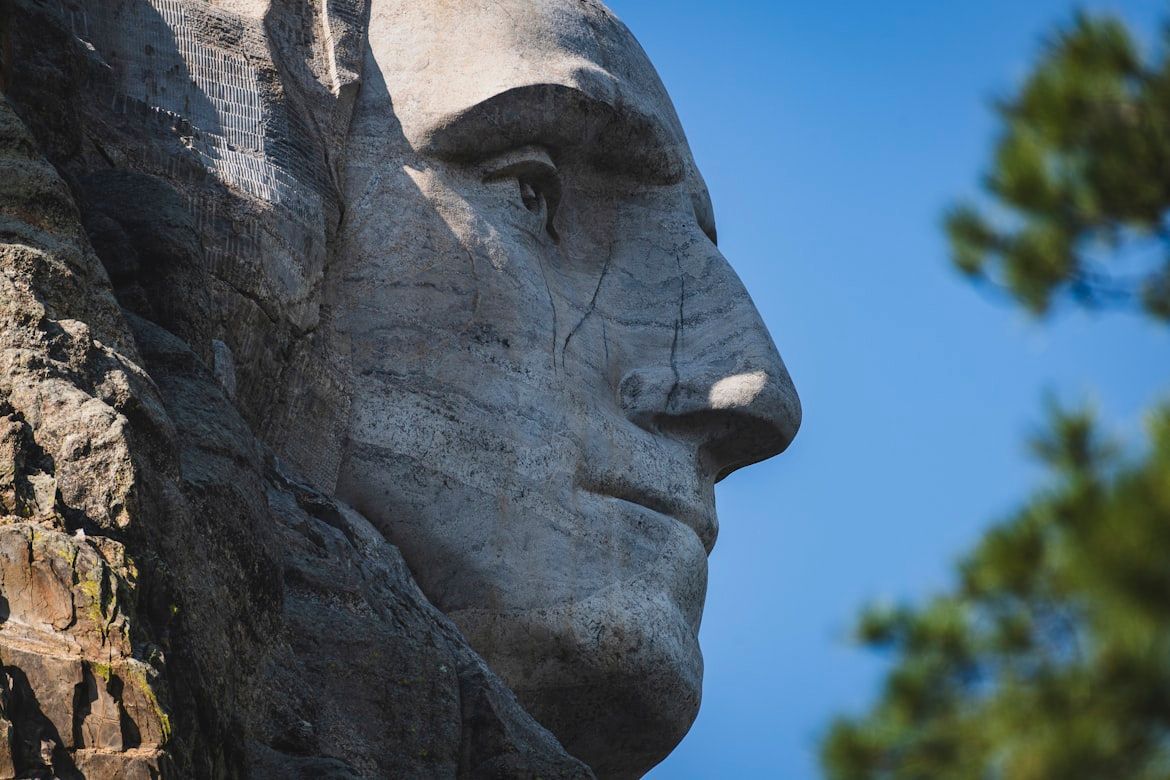
George Washington had wooden teeth

Image: Priscilla Gyamfi

One of the most famous historical myths is that George Washington, the first US president, had wooden teeth. While it's true that he struggled with dental problems and used several prosthetic devices made from various materials, none of his teeth were actually made of wood.

3
The US Declaration of Independence was signed on July 4, 1776

Image: Glen Carrie

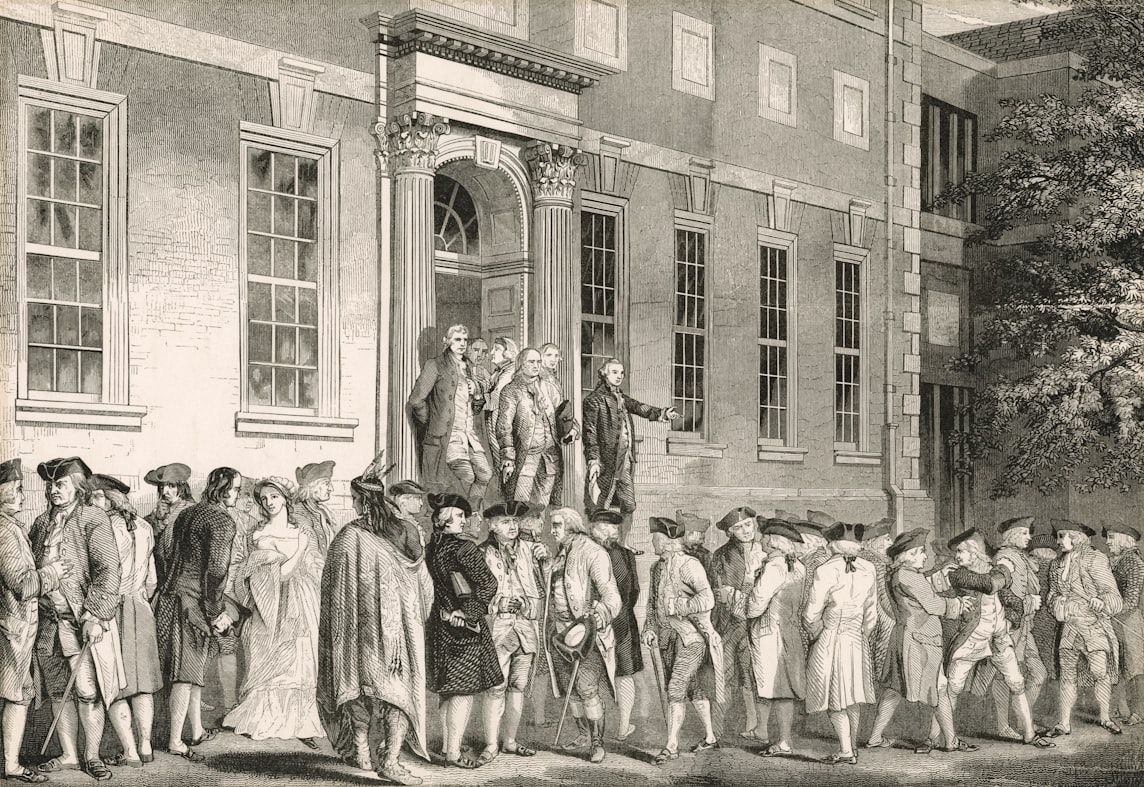
Every 4th of July, the country turns into a party. And it's no wonder, since we're honoring Independence Day! Perhaps because of the date of this holiday, many people believe that the US Declaration of Independence was actually signed on July 4, 1776. In reality, the key event on that day was the Continental Congress voting to adopt the Declaration of Independence. Most delegates actually signed the document later, on August 2, 1776, in Philadelphia.

4
America became fully independent in 1776

Image: The New York Public Library

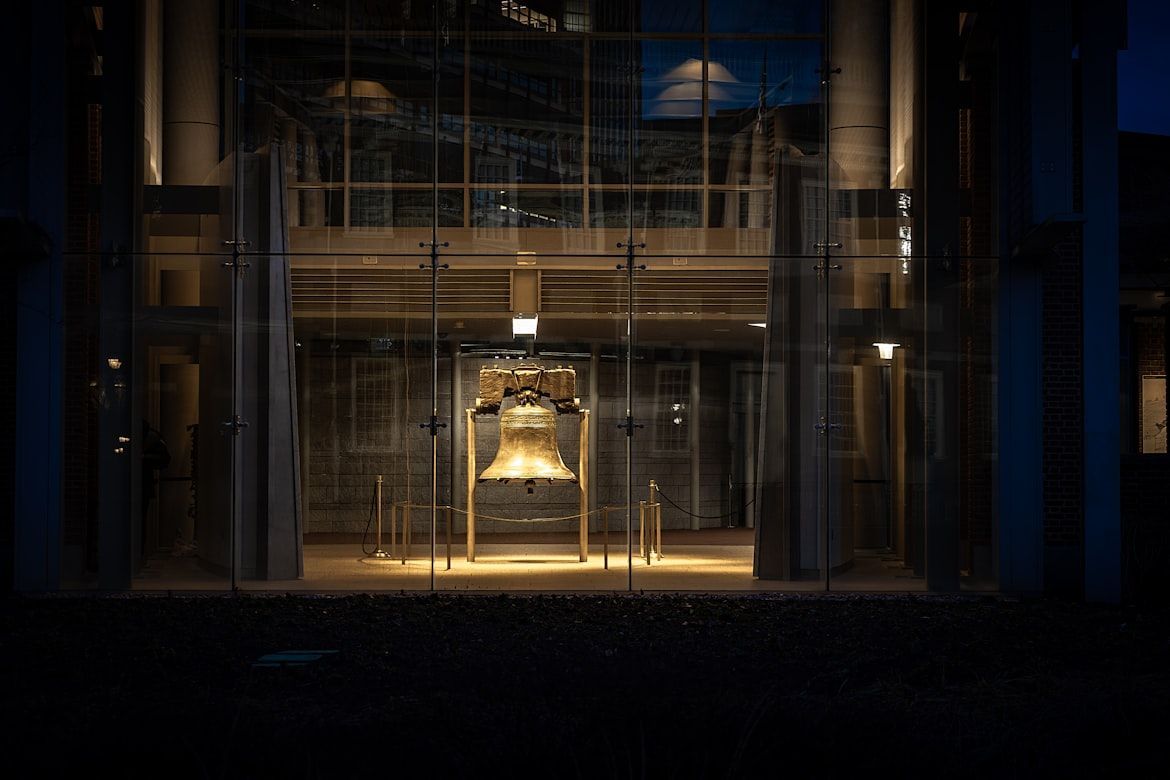
On July 4, 1776, the American colonies declared their independence from Great Britain by adopting the Declaration of Independence. However, the Revolutionary War continued for several more years. It wasn't until the war ended in 1783, with the signing of the Treaty of Paris, that the United States' independence was officially recognized.

5
Cowboys wore Stetson hats

Image: Brice Cooper

Although Stetson hats are now inseparable from the cowboy image, the reality of the 19th century was pretty different. People in the Wild West sported a variety of styles: while some did wear wide-brimmed hats similar to Stetsons, these were not the most common, and many other types were also popular.

6
Paul Revere rode alone

Image: Pixabay

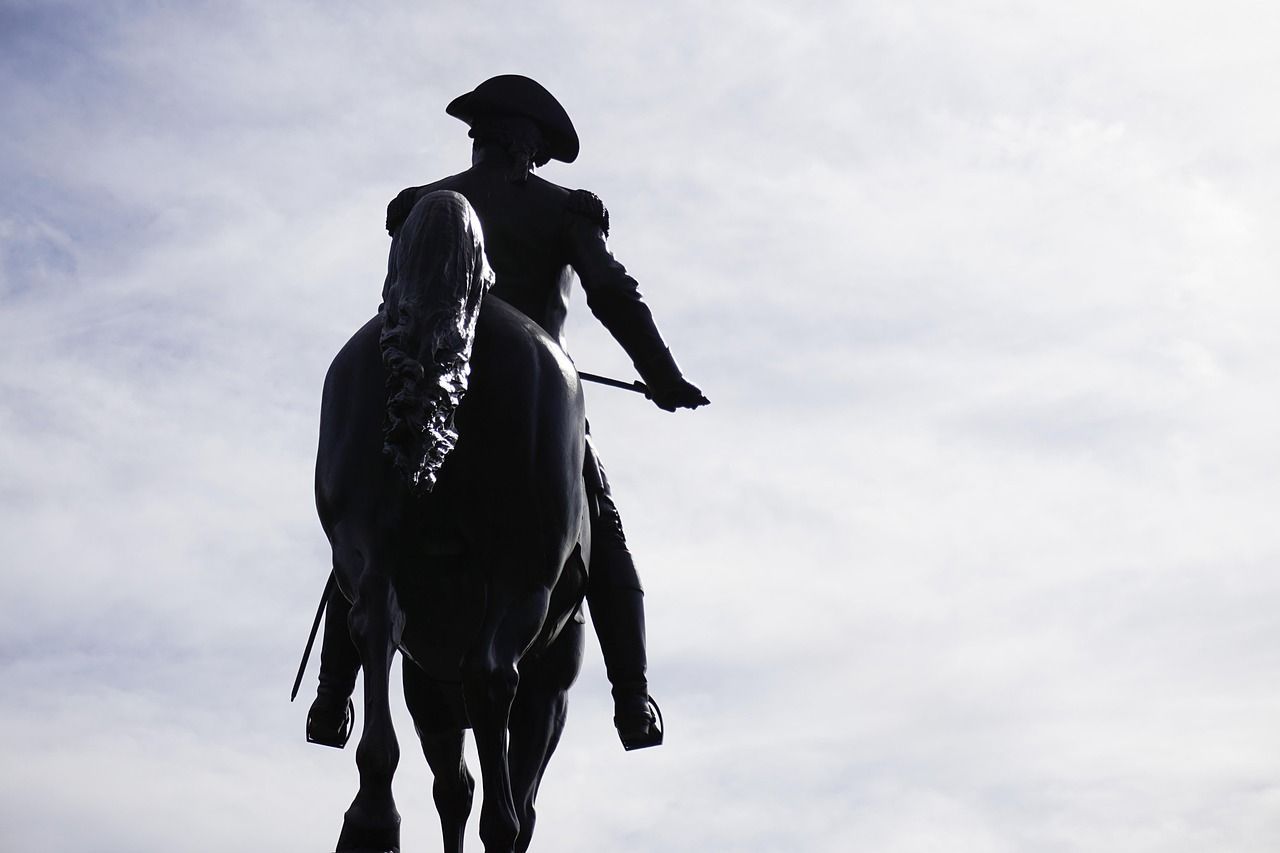
Paul Revere's name became a symbol of American courage and determination. His midnight ride on April 18, 1775, was undoubtedly heroic, but some details have been distorted over time. While many think he shouted "The British are coming!", historians suggest he likely said something closer to "The regulars are coming", given the dates. And contrary to popular belief, Revere didn't ride alone; he was part of a group of riders working together to warn the colonial militia.

7
George Washington chopped down a cherry tree

Image: Jeffrey Clayton

The story of George Washington chopping down a cherry tree is one of the most famous tales in American history. However, it's actually a myth, created by one of Washington's early biographers to highlight one of his defining characteristics: honesty. Although there is no reliable historical evidence to support this famous anecdote, there is plenty of proof of the courage and honesty of the Father of His Country.

8
Al Capone was jailed for his violent crimes

Image: Ashim D’Silva

Al Capone was one of the most infamous gangsters in history. Although his life was filled with criminal activity, it wasn't his violent acts that put him in jail, as there wasn't enough evidence to convict him. Instead, authorities used tax evasion charges, and he was finally imprisoned for that reason in 1931.

9
Prohibition made drinking illegal everywhere

Image: Drew Beamer

Many people assume that drinking alcohol was completely illegal during Prohibition. In reality, the 18th Amendment and the Volstead Act (1920–1933) banned the manufacture, sale, and transportation of alcohol, but not the act of drinking itself!

10
The Founding Fathers as a unified group

Image: J. Amill Santiago

Many believe the Founding Fathers worked as a unified group, sharing a single vision without disagreement. But history tends to be a little more complex. While they collaborated and worked hard to establish the United States, they held diverse ideas and visions for the nation, and some even became rivals. Yet, despite their differences, they successfully laid the foundations for the first large-scale modern republic.

Explore more American facts

Choose your favorite category!

General
General

As American as apple pie—the very best America has to offer!

Culture
Culture

Delve into the astounding richness of American lore.

Geography
Geography

Hop in and explore vast and diverse American landscapes.

History
History

Discover the key moments that shaped the United States.