Culture Culture 3 min read

The American way

Do you still do these? 10 American customs fading out of everyday life
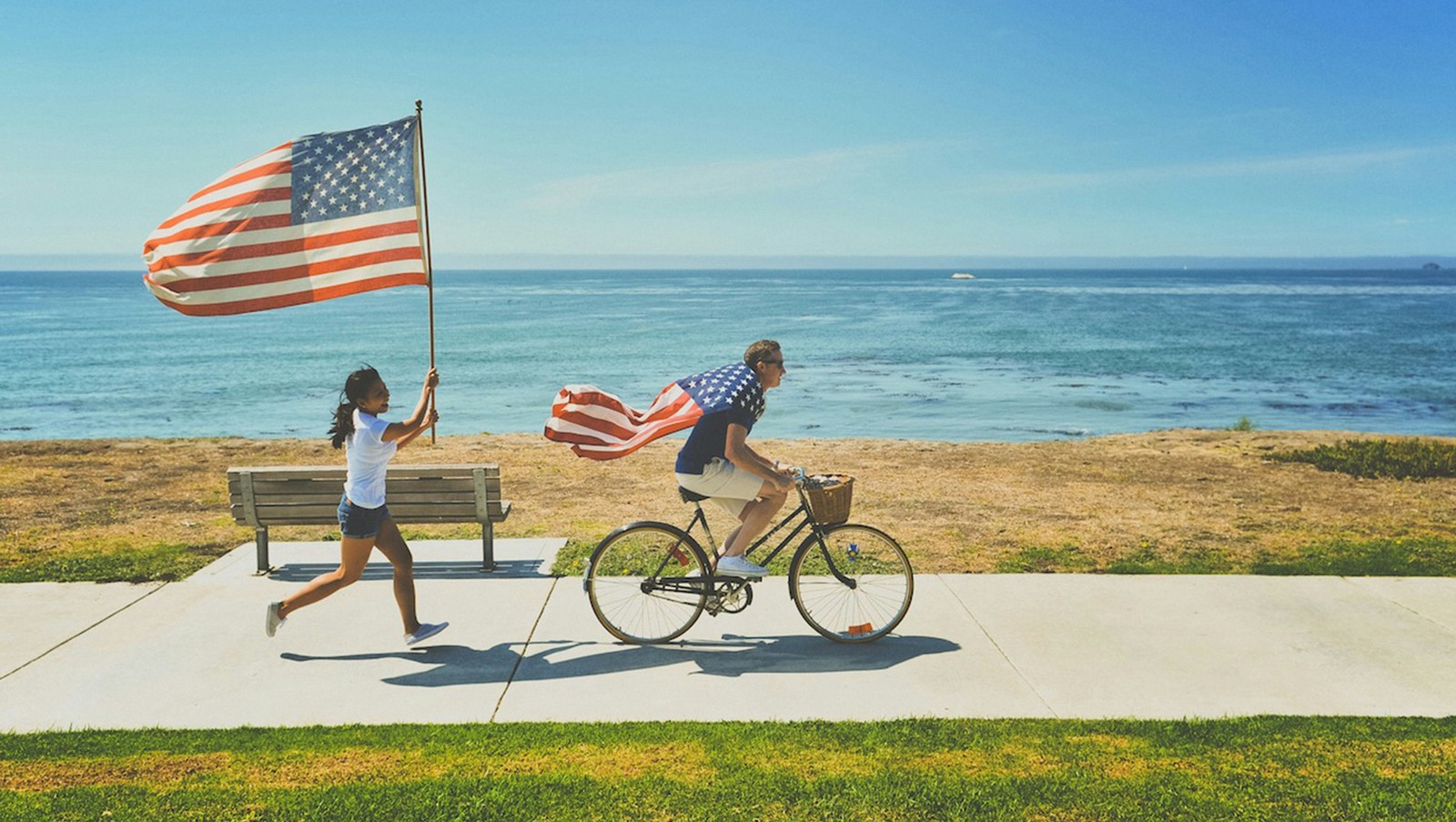
Image: frank mckenna

Time leaves its mark everywhere, even on the things we thought would last forever. From playful prank calls to charming greeting cards, many customs from our childhood are becoming rare treasures. Today, we’ve put together a list of 10; how many others can you name?

1
Prank calls
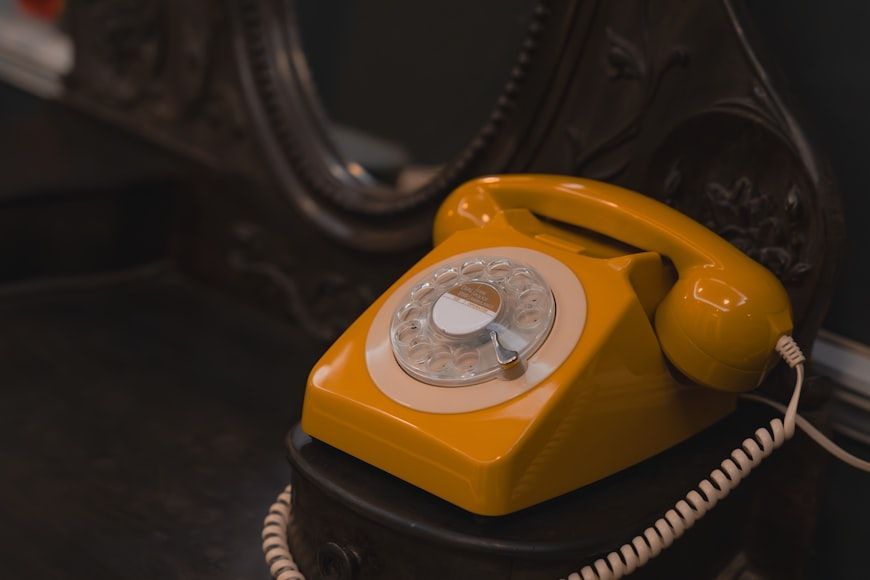
Image: Happysurd Photography

With smartphones taking over, the classic prank call is slowly fading away. Back in the day, dialing a random number to play a harmless joke and share a laugh with friends was a common pastime. Today, with caller ID and mobile phones everywhere, executing those little tricks has become more complicated.

2
Block parties

Image: Yifan Gu

We used to know all our neighbors, and that sense of community was deep. Today, things have changed. With growing cities and people moving more often, your neighbors might be gone before you even learn their names. On top of that, our lives are busier than ever, and closing off a street for a party isn’t as simple as it once was. With these new dynamics, the once-beloved block party has become a rare thing, mostly surviving in small towns or communities. Remember the last time you went to one?

3
Ding-dong ditch
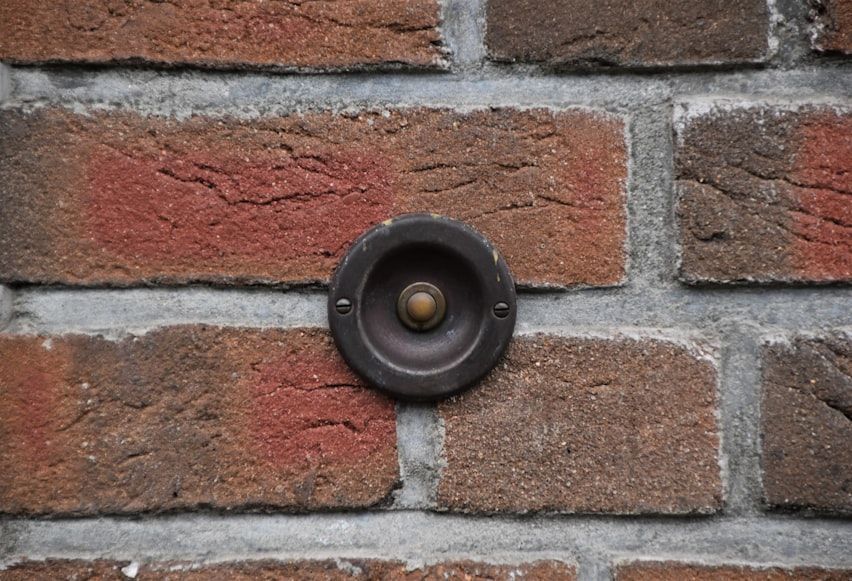
Image: Waldemar Brandt

Remember when kids could safely roam the streets for hours? The good old days! Wandering around your neighborhood or even a different one, there was always someone who came up with the idea: ringing a doorbell and running away. It might have been a little annoying for the person who opened the door, but it was all in good fun.

4
Fruit baskets
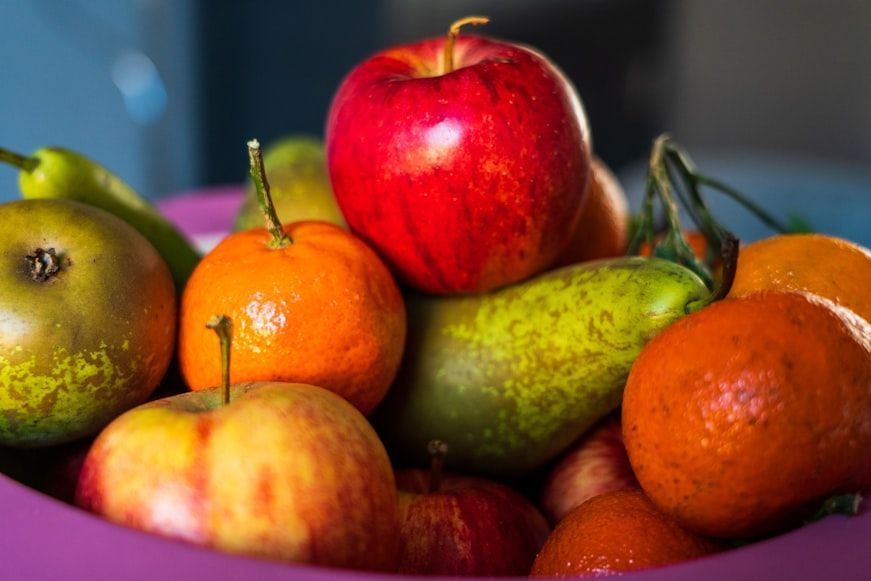
Image: Nick Fewings

Our mothers and grandmothers knew that when it came to celebrations, anniversaries, holidays, or any special occasion, a beautifully arranged fruit basket was always a thoughtful gift. This simple gesture showed care and dedication, but today, it’s slowly disappearing. Why? The convenience of online shopping and the trend toward more personalized presents have made this classic gift increasingly rare.

5
Christmas cards

Image: Richard Bell

If you’re like us and just love greeting cards, you’ve probably noticed that fewer people are taking the time to go to the store, pick the perfect card, write a message, and send it off. While traditional greeting cards and Christmas cards are slowly being replaced by digital alternatives, there will always be those of us who appreciate this lovely ritual.

6
School reunions
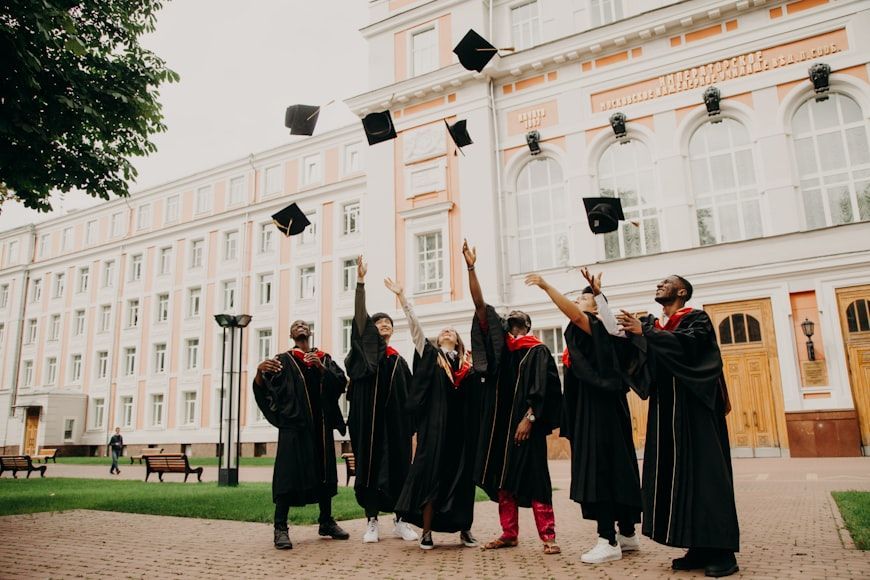
Image: RUT MIIT

Reunions with former classmates tend to divide people: some look forward to them with excitement, while others would rather skip them altogether. We won’t ask which side you’re on, but there’s no denying that these gatherings are becoming rarer. While a few devoted groups still make an effort to keep it alive year after year, this custom doesn’t seem to be among the younger generations’ priorities.

7
Bake sales
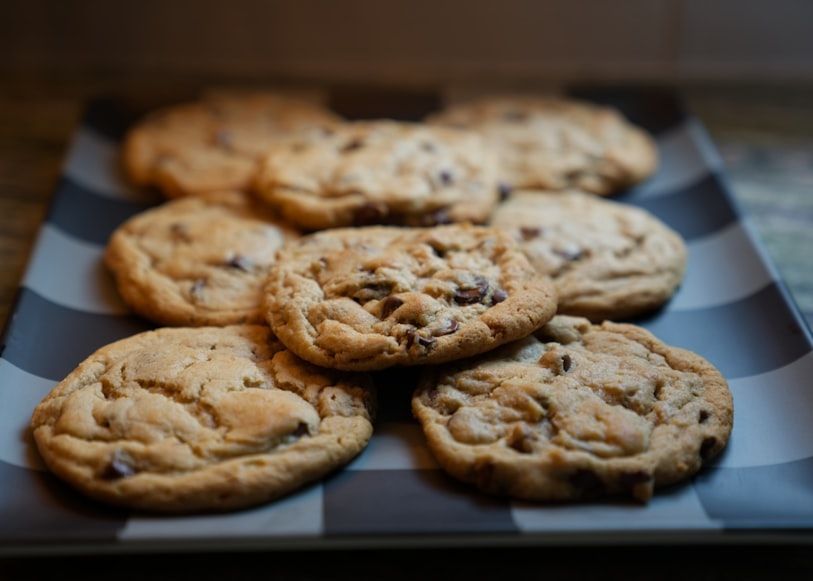
Image: John Dancy

Whether at school, church, or in the neighborhood, who didn’t take part in a bake sale as a kid? However, in today’s fast-paced world, finding time to bake delicious cookies has become a rare treat. This classic way of raising money for a shared cause hasn’t vanished, but it’s definitely losing steam. With virtual wallets and social media, fundraising looks very different today.

8
Black Friday

Image: Markus Spiske

Black Friday, as we once knew it, is evolving into something new. Those endless lines outside stores are now much shorter, thanks to the rise of online shopping. In addition, with the increase in per capita consumption, Black Friday is no longer confined to the day after Thanksgiving; it now stretches across the entire week, and in many cases, the whole month.

9
Appointment TV

Image: Vitaly Gariev

We’ve all gotten used to on-demand content, which lets us watch, rewind, and replay whenever we like. While this convenience is great, it has slowly replaced the old habit of appointment TV, those moments when families or neighbors would gather in their living rooms at a set time to watch a big game, a premiere, or the season finale, sharing a sense of community that’s not so common today.

10
Private fireworks
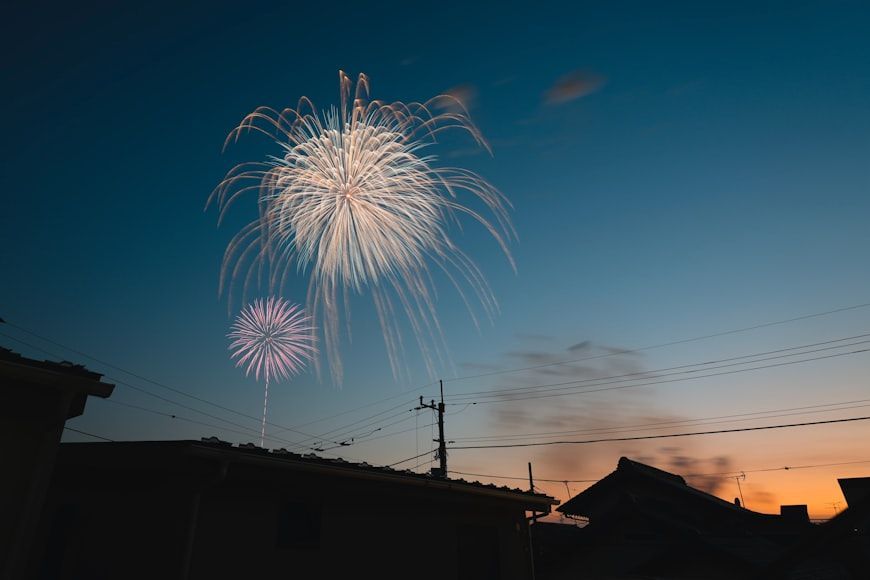
Image: Leo Okuyama

As the years have passed, we’ve learned more about the risks of fireworks: How they can frighten pets, harm the environment, and cause serious injuries in both children and adults. We can’t deny that lighting fireworks in the backyard with the family is a magical moment, but these days, that tradition has mostly moved to large events in stadiums or music festivals, where trained professionals handle the show.
General General 3 min read

What’s in a nickname?

Did you know the stories behind the nicknames of these Americans?

Image: Capitol Records (File No. 3860-25)

Nicknames can be affectionate, teasing, intriguing—or all of these at once. Who comes up with the labels that remarkable people end up carrying forever, and what makes them stick? Here, we explore a list of quirky stories behind some of the most colorful nicknames in American history.

1
"The Chairman of the Board" – Frank Sinatra

Image: Ethan Rougon

Frank Sinatra co-founded Reprise Records in 1960, giving him full creative control over his music. The nickname "Chairman of the Board" was first used by radio host William B. Williams and quickly caught on. Although Sinatra didn’t particularly love it, the nickname came to symbolize his power and influence in the music industry.

2
"His Accidency" – John Tyler

Image: Library of Congress

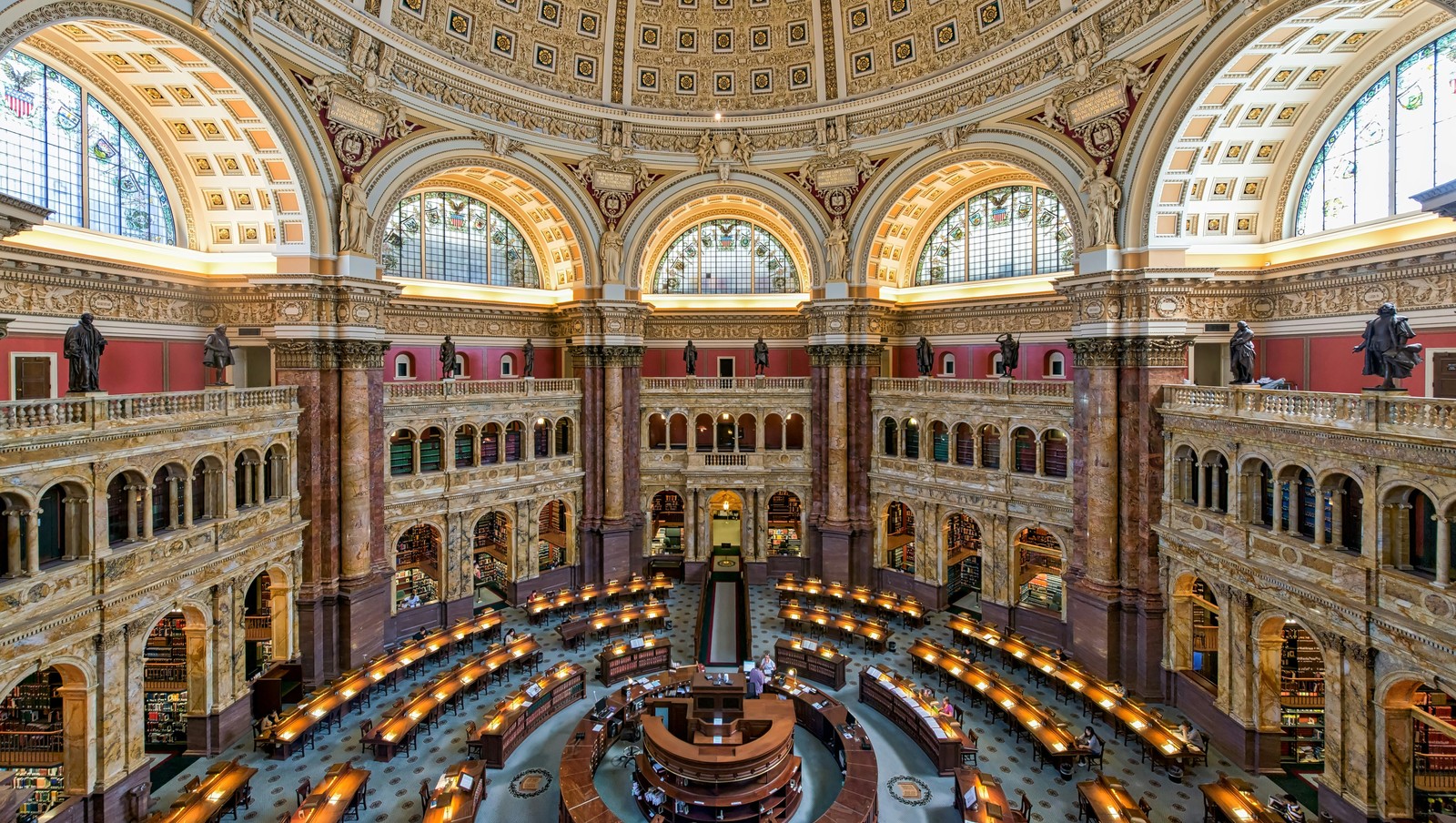
The 10th U.S. president earned this snarky nickname after unexpectedly taking office in 1841, when William Henry Harrison died just one month into his term.

It was the first time a vice president had assumed the presidency due to a president’s death, and many questioned the legitimacy of his authority. His critics called him "His Accidency," a somewhat unfriendly pun that stuck.

3
"The Sphinx of the Potomac" – Calvin Coolidge

Image: Lea Kobal

President from 1923 to 1929, Coolidge was notoriously silent and stoic. His reluctance to speak in public and his poker-faced demeanor earned him the nickname "The Sphinx of the Potomac," a nod to the famous Egyptian statue and his Washington, D.C. post. One oft-repeated anecdote claims he once remarked, "I have nothing to say."

4
"The Boss" – Bruce Springsteen

Image: Jose Antonio Gallego Vázquez

Bruce Springsteen earned this nickname in the early days of playing Jersey Shore clubs, where he was responsible for collecting and distributing gig money to his band. Originally an internal nickname within the group, it quickly caught on with the media. Ironically, Springsteen has admitted that he’s never really liked being called "The Boss."

5
"The Mad Stork" – Ted Hendricks

Image: Wynand Uys

This Hall of Fame linebacker for the Raiders stood 6’7" and had a long, lanky build. His towering figure and unpredictable style of play earned him the nickname "The Mad Stork." Despite the unusual moniker, he was a feared and legendary player in the NFL.

6
"The Snake" – Ken Stabler

Image: Timothy Dykes

Another Raiders legend, quarterback Ken Stabler, earned the nickname "The Snake" from his college coach after a long, twisting touchdown run. The name stuck because he became known for his slippery, cool-headed play under pressure.

7
"Jane the Grabber" – Hester Jane Haskins

Image: sombre

A dark figure in 19th-century New York, Hester Jane Haskins was a "procuress," luring women with promises of work and then forcing them into brothels. Her nickname, "Jane the Grabber," became infamous in the press.

8
"The Black Swallow of Death" – Eugene Bullard

Image: Heather Wilde

Born in Georgia and later a French WWI pilot, Eugene Bullard was the first African American military pilot. He earned the nickname "The Black Swallow of Death" for his fearless flying and deadly accuracy. Despite his heroism, he still faced racial discrimination upon returning to the U.S.

9
"Little Miss Sure Shot" – Annie Oakley

Image: Jp Valery

Annie Oakley was a folk heroine and a famed sharpshooter from an early age. She earned the nickname "Little Miss Sure Shot" from the Native American leader Sitting Bull, who bestowed it after watching her flawless shooting in Buffalo Bill’s Wild West show.

10
"Kid Gloves" – Benjamin Harrison

Image: Aaron Lefler

Benjamin Harrison, the 23rd president, frequently wore soft kid-leather gloves in public due to hand ailments. Political opponents seized the opportunity to mock his stiff demeanor and perceived elitism, dubbing him "Kid Gloves." The nickname pointed not only to his physical appearance but also to his aloof attitude.

General General 3 min read

Will you miss them?

Wedding traditions that are slowly being forgotten

Image: Aranprime

Love, family, and centuries-old customs. Not all of those traditions are making it to the altar anymore, though. Some were born from superstition, others from practicality, and a few from trends that have, well, gone out of style. Many rituals are fading as modern couples trade formality for personality. Do you embrace new forms of celebration, or are you on the nostalgic side? Let’s look at the little old moments that once defined "I do."

1
Not seeing each other before the wedding

Image: Katy Duclos

Not seeing each other before the wedding was once considered essential. This superstition comes from the era of arranged marriages, when it was feared the couple might back out if they met beforehand. It evolved into the romantic "first look" at the altar. Many couples now skip it in favor of private pre-ceremony photos. Understandable!

2
Marrying in white

Image: Javier González Fotógrafo

Popularized by Queen Victoria in 1840, the white gown symbolized purity and wealth. U.S. brides embraced the trend for over a century, but modern weddings increasingly feature colorful gowns or non-traditional attire. Some pick their favorite color! Why not?

3
Wearing a veil

Image: Honey Yanibel Minaya Cruz

Once meant to protect brides from evil spirits or hide them from jealous eyes, the veil became a symbol of modesty. In the U.S., it persisted more as a fashion choice. Today, many brides favor hairpieces, flowers, or nothing at all.

4
Roast speeches

Image: Mads Eneqvist

Roast-style speeches became popular as toasts with a humorous edge, sometimes poking fun at the couple, especially at casual receptions. While funny for some, they’ve also led to plenty of awkward moments. Have you ever seen a video online of particularly harsh ones? As a result, many weddings now stick to heartfelt speeches to avoid offense.

5
Throwing a bouquet

Image: Michal Mikulec

This playful tradition gave single women a "good luck" charm for marriage. It replaced older customs where guests tore pieces from the bride’s dress for luck. Many couples now swap it for alternative games or skip it entirely.

6
Receiving queues

Image: Shardayyy Photography

For decades, couples stood in a formal line after the ceremony to greet each guest in turn. It was a way to ensure everyone felt acknowledged. But some prefer not to miss that informal mingling during the reception! Instead, they spend time with their loved ones more casually, enjoying the natural flow of the party.

7
Matching bridesmaids’ dresses

Image: Joeyy Lee

Tradition once had bridesmaids dressed alike in the same color, cut, and fabric to create a uniform look. Today’s weddings often mix styles, shades, and even prints. The change allows friends to choose something flattering—and something they can actually wear again.

8
Full sit-down dinners

Image: Hồng Xuân Văn

The classic multi-course plated meal was once a wedding reception staple. Today, many couples opt for food trucks, buffet tables, or hearty hors d’oeuvres for a more social, less formal vibe. And, let’s face it, it also helps with costs and keeps the timeline flexible.

9
Saving the top tier of the cake

Image: Raquel Ming

Couples once froze the top tier of their wedding cake to eat on their first anniversary, as a symbol of enduring love. But after a year in the freezer, the result was often stale and unappetizing. These days, many order a fresh mini cake instead.

10
Rice throwing

Image: Emma Miller

Showering the couple with rice at the exit was a long-held sign of prosperity and fertility. Concerns over mess, safety, and wildlife led to alternatives like bubbles, sparklers, or flower petals. The celebration remains, just with less sweeping.

11
Dollar dance

Image: Tiko Giorgadze

In this tradition, guests paid for a short dance with the bride or groom, contributing to the couple’s honeymoon fund. It was playful and personal, but could feel awkward or even outdated. Many couples now skip it in favor of more inclusive group dances.

12
Matching family seating sides

Image: Thomas Beaman

Traditionally, guests sat on the side of the family they knew best—the bride’s family on the left, the groom’s on the right. Today, signs inviting guests to "sit anywhere" reflect a blending of families and a more casual approach. Alternatively, tables may be intentionally assigned to mix new people together.

13
Garter tosses

Image: Jeanie de Klerk

Once a bawdy medieval custom where guests scrambled for proof of consummation, it became a lighthearted party moment in American weddings. The groom removes and tosses the bride’s garter to single men. Today, it’s often skipped because it can feel outdated or awkward.

Explore more American facts

Choose your favorite category!

General
General

As American as apple pie—the very best America has to offer!

Culture
Culture

Delve into the astounding richness of American lore.

Geography
Geography

Hop in and explore vast and diverse American landscapes.

History
History

Discover the key moments that shaped the United States.