General General 4 min read

Not just 12 angry men

Do you remember how jury duty works?

Image: Saúl Bucio

Jury duty is a cornerstone of the American legal system, rooted in the Constitution and designed to ensure fair trials. While the process may seem complex, it follows a clear structure used across federal and state courts. From selection to deliberation, each step helps guarantee impartial justice. How much do you know about how jury duty works? Read on.

1
Jurors are selected at random
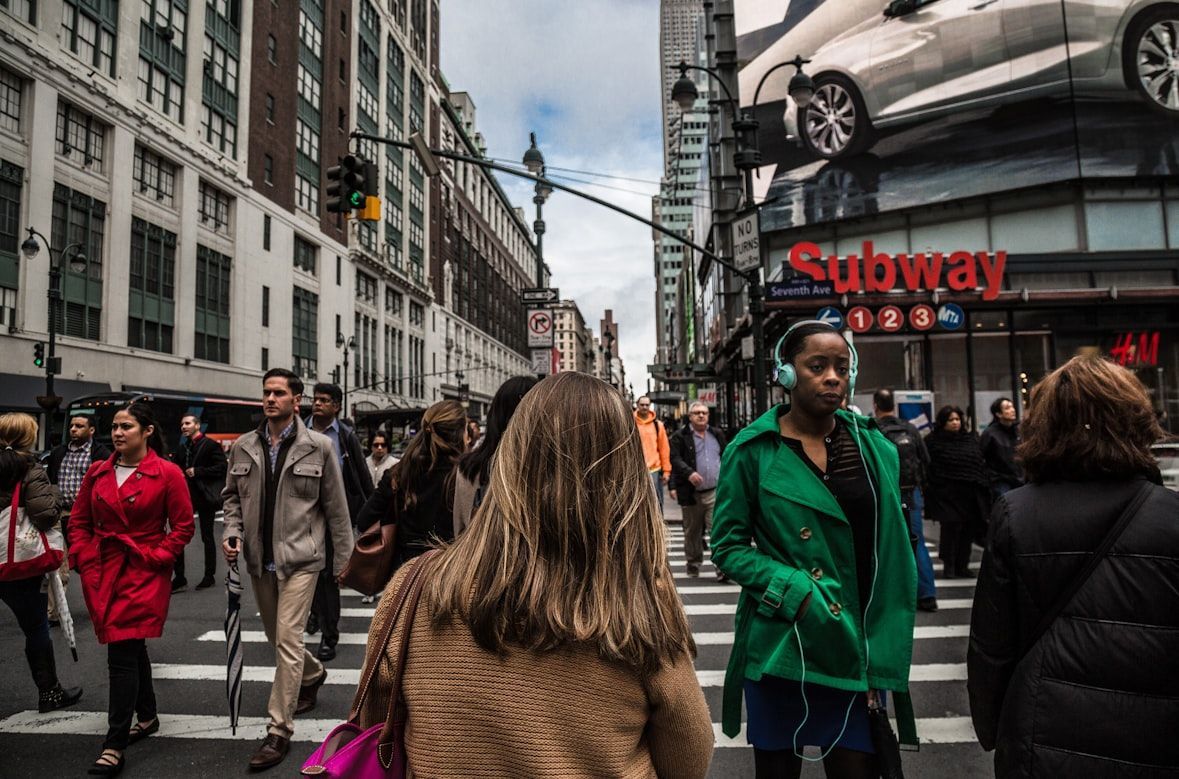
Image: Christopher Burns

Courts select potential jurors randomly from public records like voter registrations and driver’s license databases . This system helps ensure juries reflect a fair cross-section of the community.

Random selection has been standard practice for decades, helping prevent bias in the legal system. Federal courts began expanding source lists following the passage of the Jury Selection and Service Act of 1968 to improve diversity and representativeness.

2
You receive an official summons
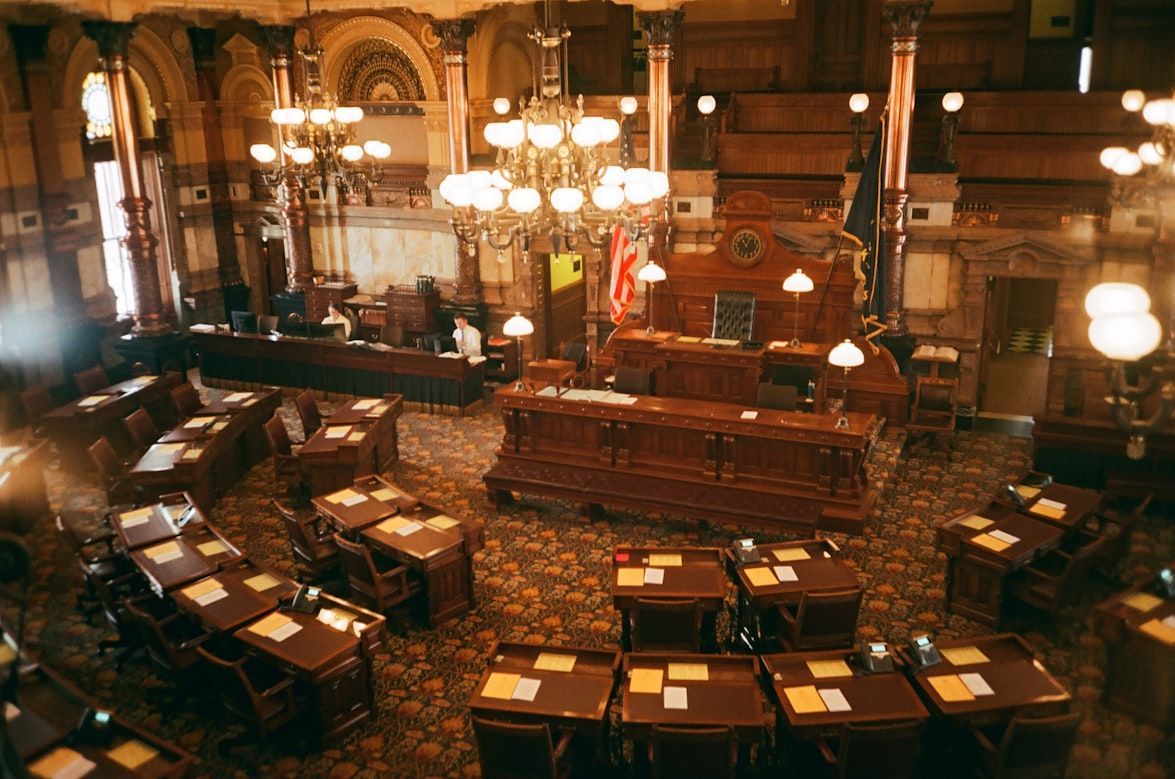
Image: cin .

If chosen, you’ll receive a jury summons by mail with instructions on when and where to report. It typically comes from a local, state, or federal court.

The summons is a legal document. Failing to respond can lead to fines or penalties , although courts often allow postponements for valid reasons like work or medical issues.

3
You must complete a qualification questionnaire

Image: Unseen Studio

Before serving, most courts require you to fill out a questionnaire about your age, citizenship, job, and background . This helps determine eligibility.

Federal law generally requires jurors to be U.S. citizens, at least 18 years old, and able to understand English. Certain criminal convictions or hardships may disqualify you.

4
Eligible people form a jury pool
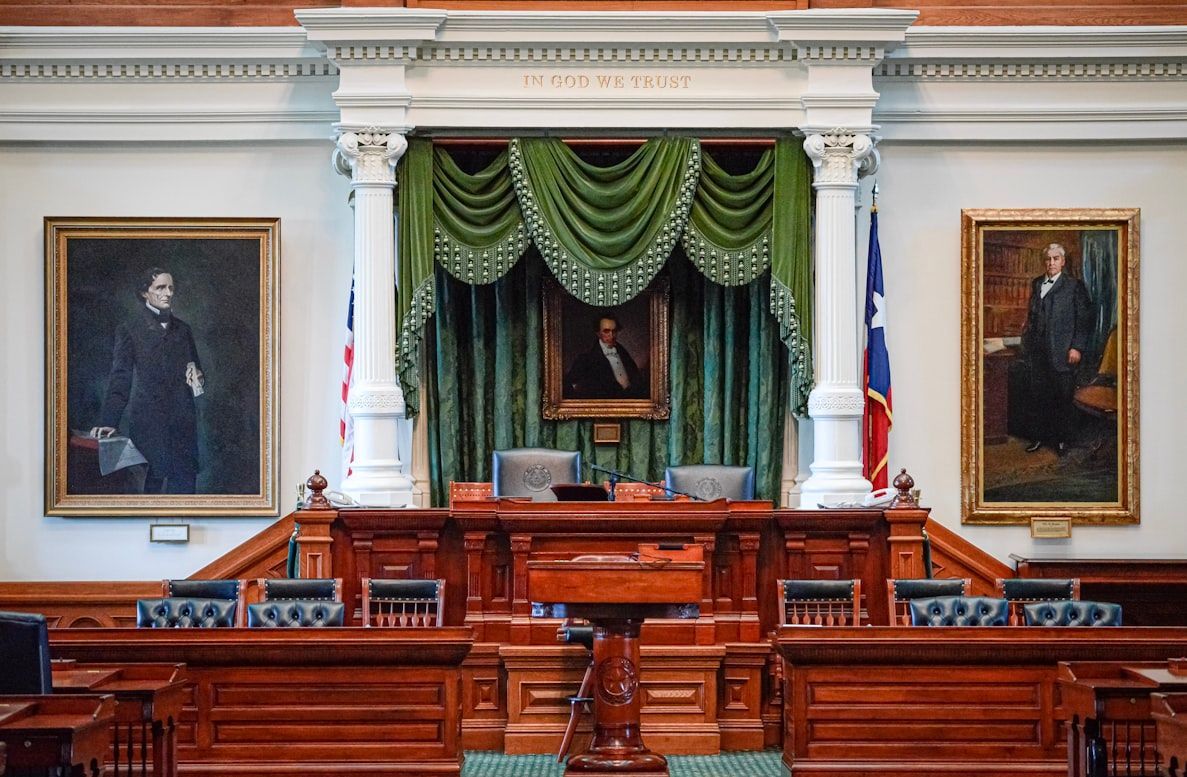
Image: Pete Alexopoulos

Those who qualify become part of a jury pool, also called a "venire." This group is the starting point for selecting jurors for individual trials.

The size of a jury pool varies depending on the court and case . Large trials may require dozens of potential jurors to ensure enough qualified candidates remain.

5
Jurors are called into court when needed
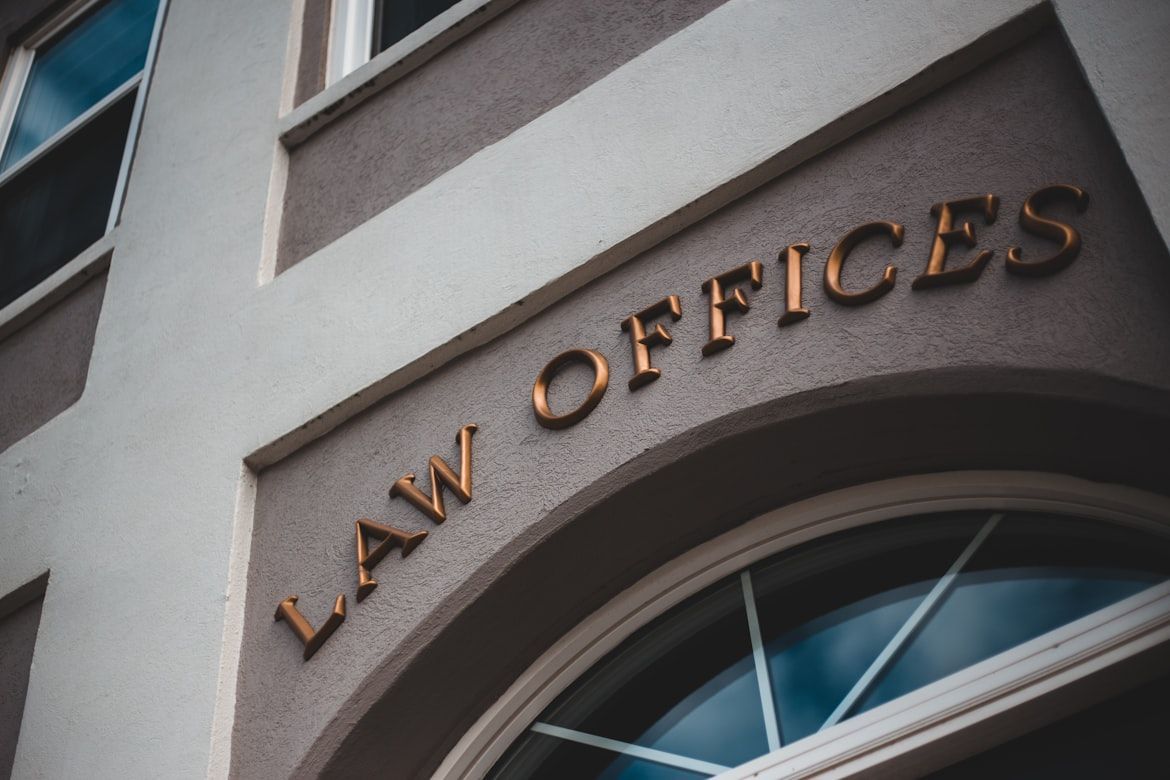
Image: Erik Mclean

From the larger pool, smaller groups are summoned to courtrooms when trials are ready to begin . Not everyone in the pool will end up serving.

Some people may wait hours or even days without being assigned to a case. If not selected, they are usually dismissed after their service period ends.

6
Lawyers and judges question potential jurors
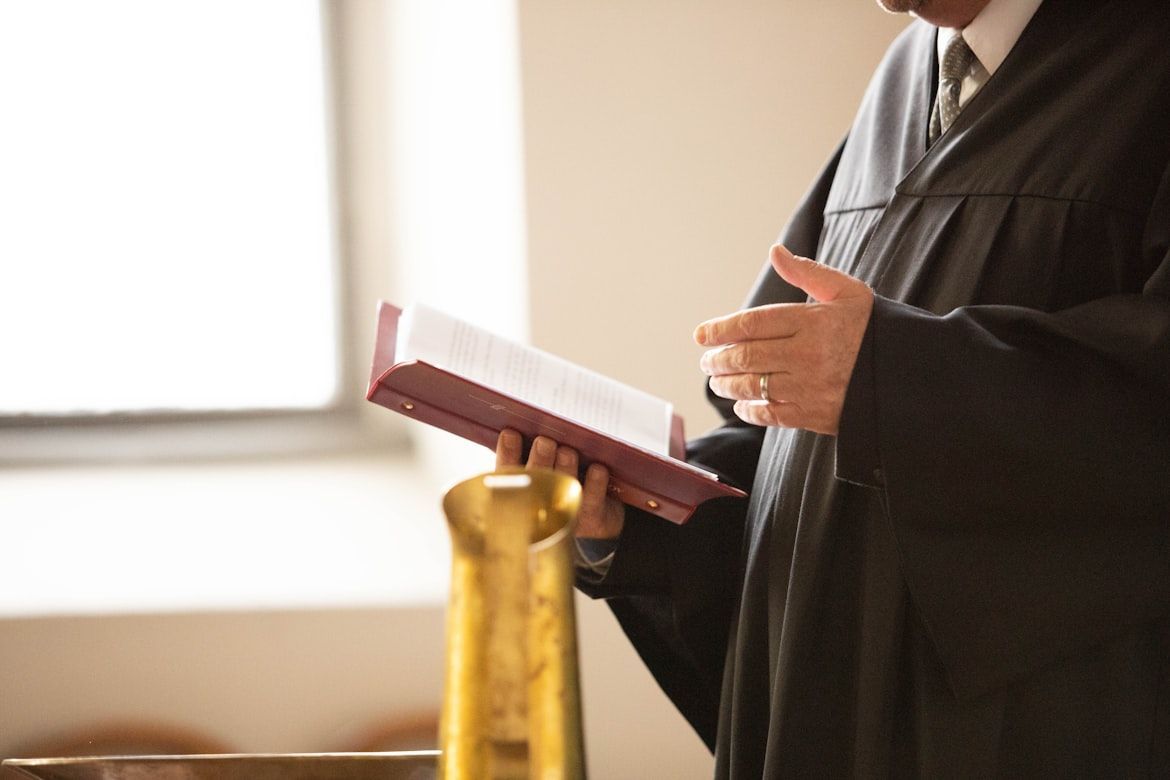
Image: Benjamin Brunner

In a process called "voir dire," attorneys and judges ask questions to identify bias, conflicts, or interests . This step ensures fairness in the trial.

Questions may cover personal experiences, opinions, or knowledge about the case. The goal is to select jurors who can remain impartial and follow the law.

7
Some jurors are dismissed during selection

Image: Sasun Bughdaryan

Potential jurors can be removed "for cause" if they show bias or hardship . Lawyers can also use a limited number of peremptory challenges.

Peremptory challenges allow attorneys to dismiss jurors without giving a reason, though they cannot be used for discrimination based on race or gender.

8
A final jury is chosen

Image: Melody Ayres-Griffiths

After questioning, a final group is selected. Criminal trials usually have 12 jurors, while civil cases often use 6 to 12 , depending on the court.

Alternate jurors may also be chosen in case someone cannot continue. These alternates listen to the trial but only deliberate if needed.

9
There are different types of juries

Image: Timon Studler

The most common is the petit jury, which decides trial outcomes. A grand jury, by contrast, determines whether enough evidence exists to file charges.

Grand juries are typically larger, often with 16 to 23 members , and are used mainly in federal cases and some state systems.

10
Jurors listen to the evidence and testimony

Image: Dámaris Azócar

During the trial, jurors hear witness testimony, examine evidence, and listen to arguments from both sides . They must follow the judge’s legal instructions.

Jurors are not allowed to research the case or discuss it outside of the courtroom. This rule ensures decisions are based only on evidence presented in the courtroom.

11
Jurors deliberate privately

Image: Mapbox

After the trial ends, jurors meet in a private room to discuss the case and reach a verdict. These discussions are confidential.

In criminal cases, the verdict often must be unanimous. Deliberations can take hours or even days, depending on the complexity of the case.

12
Serving is a civic duty, required by law
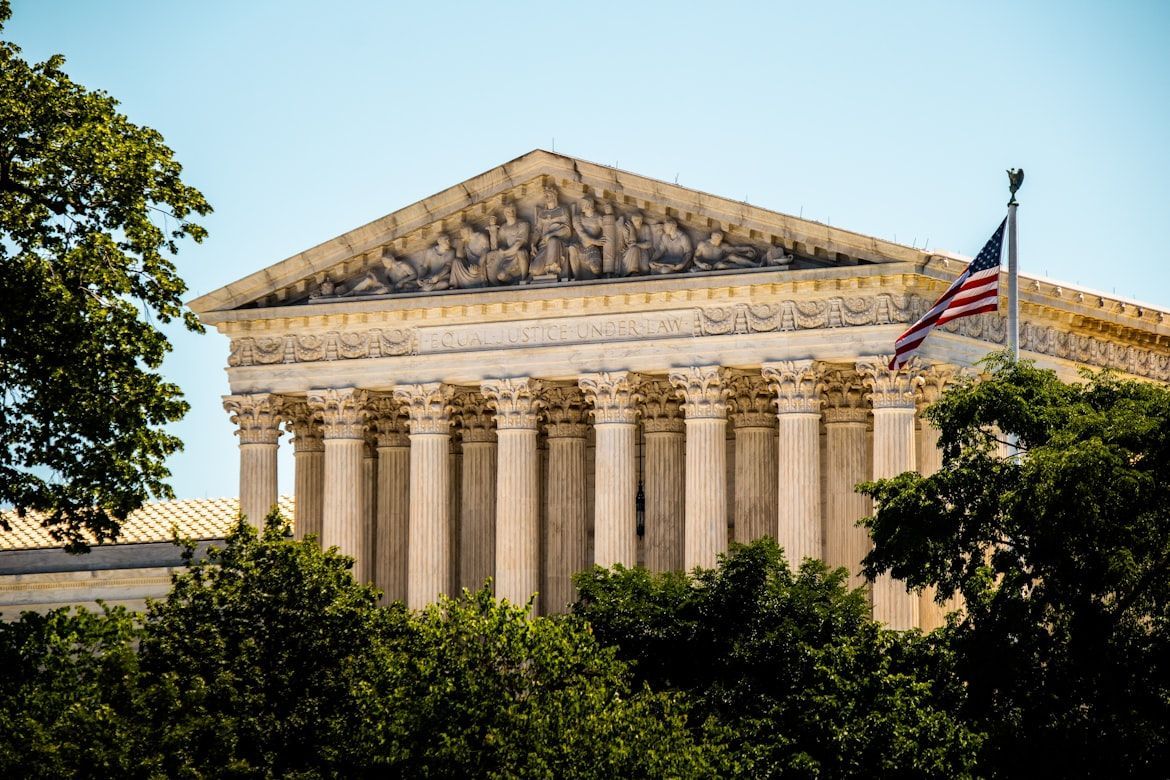
Image: Jimmy Woo

Jury duty is a legal obligation and a key part of the American democracy. It allows citizens to participate in the justice system directly.

Citizens are generally summoned for jury duty every one to four years, depending on the jurisdiction, though federal court service typically requires only one appearance every two years. If you serve on a trial, you are often exempt from serving again for at least 3 years. Summoning frequency is generally determined by lists from local, state, or federal courts.

General General 2 min read

Shocking the neighbors

These things are not as common outside the US

Image: Jennifer Kalenberg

America is a land of unique customs and rituals, many of which leave outsiders scratching their heads. From super-sized food to partying habits, these traditions reflect the country’s history, creativity, and widespread patriotism. Here are 10 American practices that are often admired, misunderstood, or simply confusing to people abroad.

1
Tipping everywhere

Image: Sam Dan Truong

Americans tip for almost every service, from coffee to taxis. The standard is 15–20% of the bill. Unlike most countries where service charges are included, tipping is often expected and essential for workers’ income.

Restaurants, bars, and even hair salons rely on it. Since this is not as common elsewhere, tourists often miscalculate or under-tip, causing awkward interactions.

2
Super-sized portions

Image: Nima Naseri

Restaurant portions in the U.S. are notoriously large, often doubling or tripling international standards.

This stems from both historical abundance and marketing strategies that equate quantity with value. All-you-can-eat and combo meals reinforce the "more is better" mentality.

3
College tailgating

Image: Josh Applegate

Fans arrive hours before football games, grilling and partying in parking lots. Tailgating mixes sports passion with social gatherings, showing regional pride and university loyalty.

This uniquely American tradition often shocks outsiders with the devotion shown to local sports.

4
Black Friday mania

Image: Artem Beliaikin

Originating in Philadelphia in the 1960s, Black Friday marks the start of the holiday shopping season. It’s a consumer spectacle tied as much to capitalism as to tradition.

Retailers use extreme discounts to generate sales; the frenzy often leaves international observers bewildered by the ensuing chaos.

5
Wearing patriotic clothes year-round

Image: Shari Sirotnak

Americans often wear flag-themed clothing even outside national holidays. The practice intensifies during major sporting events, but displaying the flag as apparel reflects civic pride in everyday life.

For many outsiders, wearing a flag as clothing seems unusual, yet this custom embodies American individualism and patriotism.

6
Driving everywhere

Image: why kei

Unlike many countries with extensive public transit, Americans rely heavily on cars. Suburban expansion and urban planning favor personal vehicles.

Gas prices, infrastructure, and cultural identity reinforce driving as normal. Tourists accustomed to walking or trains find long drives mandatory, and as a result, the layout of U.S. cities is unusually spread out.

7
High school proms

Image: Long Truong

Proms evolved in the 20th century as a rite of passage. Teenagers dress formally for dances with elaborate rituals, including crowning kings and queens.

While other countries almost always have some form of graduation celebrations, the formality, expense, and emphasis on dating customs in American proms often confuse foreigners.

8
Obsession with college sports

Image: Riley McCullough

Universities dominate cities with massive stadiums and fanfare. College football and basketball inspire loyalty rivaling professional leagues.

The intensity is unusual internationally, where professional sports typically overshadow collegiate athletics.

9
Yard sales

Image: Clem Onojeghuo

Communities host sidewalk sales for secondhand goods. This tradition emphasizes recycling, community interaction, and bargain hunting.

This casual sale of used goods in public spaces is uncommon in many countries, making it a uniquely American practice.

10
Spelling bees

Image: Brett Jordan

Americans hold intense competitions where kids spell increasingly difficult words aloud. Spelling bees originated in the 19th century as educational contests, promoting literacy and vocabulary skills.

The National Spelling Bee, held annually since 1925, draws contestants nationwide and often surprises outsiders due to English’s tricky spelling rules.

General General 6 min read

Sugar rush!

Dig into these 10 delightful American sweet treats!

Image: Christopher Ott

There’s a reason why the word "sweet" has become synonymous with a good and pleasant time: As anyone with a sweet tooth can attest, some of the best-tasting things in life are sweet. In that sense, America is definitively no stranger to sweet treats, as any of the mouth-watering items in this article can prove. So, without further ado, let’s jump right into and discover 10 of the most amazingly delicious American sweet treats. Enjoy!

1
Oreo

Image: ABHISHEK HAJARE

Who better to start this article than Milk’s absolute best friend? Oreo has been the king of American cookies since its very beginning. Dunk it, twist it, or just eat it: There’s no bad way to eat an Oreo.

Did you know that Oreos were originally sold as part of a trio of cookies? Not only that, they were sold under a much less marketable name: Hydrox, which doesn’t really fit such a delicious treat.

2
Snickers

Image: Joshua Fernandez

Have you ever wondered where the name "Snickers" comes from? You might be inclined to think that it comes from the hearty laughter that might arise after eating one of these delicious bars, but the answer is actually rather strange: It comes from a horse! Specifically, it was the name of the Mars family horse, who decided to immortalize their beloved stallion in 1930.

Regardless of its unusual name, Snickers is one of the most beloved candy bars in America, if not the world. Over their 90 years of history, they have produced a number of delicious variants of their traditional caramel and peanut filling, including dark and white chocolate, as well as peanut butter and almond.

3
Apple pie

Image: Priscilla Du Preez 🇨🇦

We’ll continue with an American icon. If you ask anyone from outside the United States to choose 3 things to define our country, they’ll probably include apple pie . This beloved sweet treat is heavily associated with the 4th of July celebrations, but let’s be honest: There’s no bad time to have a slice or two of apple pie.

For such a culinary staple, apple pie definitely has a lot of variants. For instance, you can enjoy a delicious apple pie à la mode by adding a scoop of vanilla ice cream. Other toppings include custard, whipped cream, or (surprisingly) a slice of cheddar cheese.

4
Reese’s Peanut Butter Cup

Image: Terrance Barksdale

We debated which Reese’s product to include in this list: their delicious Peanut Butter Cups or their outstanding Pieces. We decided to go for the Peanut Butter Cup, if only for one reason. This amazing product was one of the first to showcase what a dynamic duo of chocolate and peanut butter make.

The story of Reese’s Peanut Butter Cup s goes back to 1928, when H. B. Reese, a dairy farmer employed by the Hershey Company, decided to start his own candy company after he was let go of his job. The rest is history! Almost 100 years after, Reese’s Peanut Butter Cups are still one of America’s most cherished sweet treats.

5
Beignets

Image: Jessica Tan

If you ever find yourself in the beautiful city of New Orleans, you’ll be amazed by everything "The Big Easy" has to offer, from its amazing jazz, gorgeous architecture, and mouth-watering food. In that regard, take this piece of advice to heart: Don’t leave New Orleans without having some delicious beignets with a hot cup of coffee.

Like many of the things that make New Orleans so special, beignets come directly from French culture. They were most likely brought over by French colonists in the 18th century. However, Louisiana-style beignets stand out because they are topped with powdered sugar and are mostly eaten for breakfast.

6
Boston Cream pie

Image: Marko Klaric

Boston is known as "Beantown" for its affinity for beans, but don’t you dare think beans are the only culinary treat this city has to offer. With that in mind, we would like to present a slice of delicious Boston cream pie as evidence.

Many believe that the Boston cream pie was created in 1856 by Chef Mossburg Sanzian at the Parker House Hotel. Regardless of its origins, this cream-filled delicacy has grown to become a staple of Boston cuisine, being declared the city’s state pie in 1996.

7
Donuts

Image: Courtney Cook

If TV has taught us anything, it is that police officers and donuts go hand in hand. But let’s be honest: You don’t really need to be an officer to enjoy a delicious donut . This tasty treat has become an instantly recognizable pop icon, with its iconic shape and many colorful frostings.

It is believed that donuts were first brought to America by Dutch settlers, who brought a similar pastry called an olykoek to New York. In time, donuts would be happily adopted by the entire country. Nowadays, millions of these treats are consumed around America every day.

8
Hershey’s chocolate bars

Image: Janne Simoes

Let’s continue with " The Great American Chocolate Bar." Over 120 years ago, the very first Hershey bar was sold by American chocolatier and businessman Milton Hershey. This first bar unknowingly started one of the most lucrative and iconic chocolate companies in the world.

After that first bar sold at the start of the 20th century, Hershey has produced a myriad of iconic products, including their "Cookies ‘n’ Creme Bar" or their "Air Delight Bar." Regardless, you know that whenever you unwrap a delicious Hershey’s chocolate bar , you’ll find some of the world’s finest chocolate inside.

9
Cobbler

Image: Beyza Ç.

Let’s face it; the word " cobbler " is an awful-sounding word for such a delicious treat. Not only that, historians can’t seem to agree on where this name comes from. Many believe that it is a variant of the verb "to cobble", while others state that it comes from its resemblance to a ‘cobbled’ stone pathway. But we digress: Let’s instead just focus on how delicious they are.

Although originally created in the United Kingdom, cobblers are particularly popular in America, with many states and regions having their very own special variants. American cobblers are literally too many to mention, so we’ll just highlight a few of our favorites, like the "Brown Betty" (made with fruits and sweetened crumbles) or the "apple pan dowdy".

10
M&Ms

Image: Oksana Zub

We’ll end this article with one of America’s most iconic pieces of candy. At first glance, M&Ms are deceptively simple: They are just small and colorful pieces of chocolate. However, as anyone who has eaten a handful of M&Ms will tell you, there’s something magical to these small yet wonderful sweet treats.

M&Ms were created in 1941, inspired by a similar British product called "Smarties". The two Ms featured in the name come from Forrest Mars Sr., who created the product, and Bruce Murrie, stakeholder and son of Hershey Chocolate’s president.

Explore more American facts

Choose your favorite category!

General
General

As American as apple pie—the very best America has to offer!

Culture
Culture

Delve into the astounding richness of American lore.

Geography
Geography

Hop in and explore vast and diverse American landscapes.

History
History

Discover the key moments that shaped the United States.