Geography Geography 6 min read

Sub-America

Did you know there are hidden underground cities in the US?
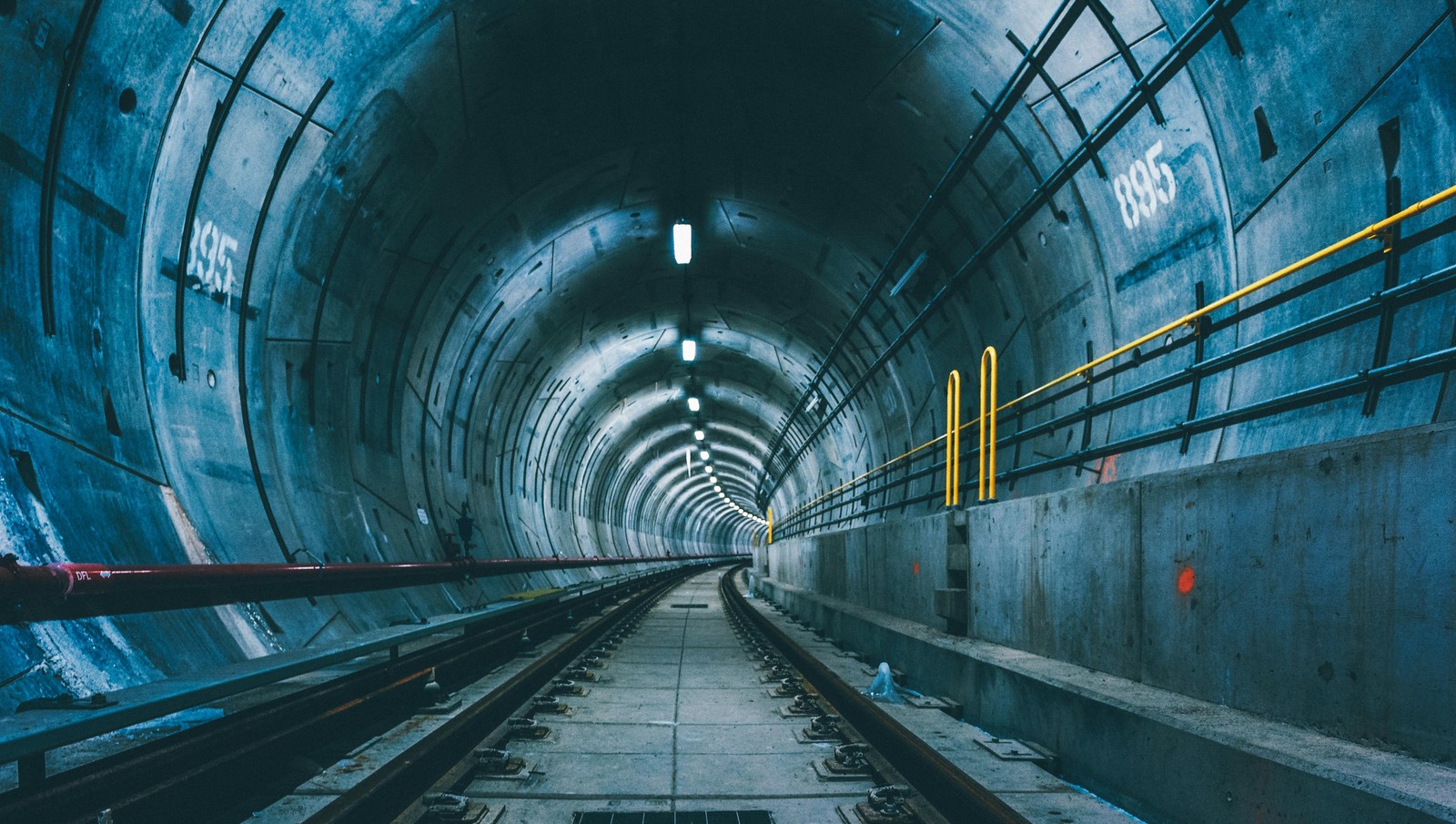
Image: Harrison Haines

Some cities are so top secret they can’t even be found on a map. Subterranean cities have existed throughout human history, and in the United States, we have a few amazing examples. Some are bunkers built during the Cold War to survive nuclear attacks, others were born as ingenious alternatives to escape extreme weather conditions. Whether they are hidden inside a mountain or buried deep underground, here are 12 subterranean places in America that are hidden in plain sight.

1
Raven Rock Mountain Complex
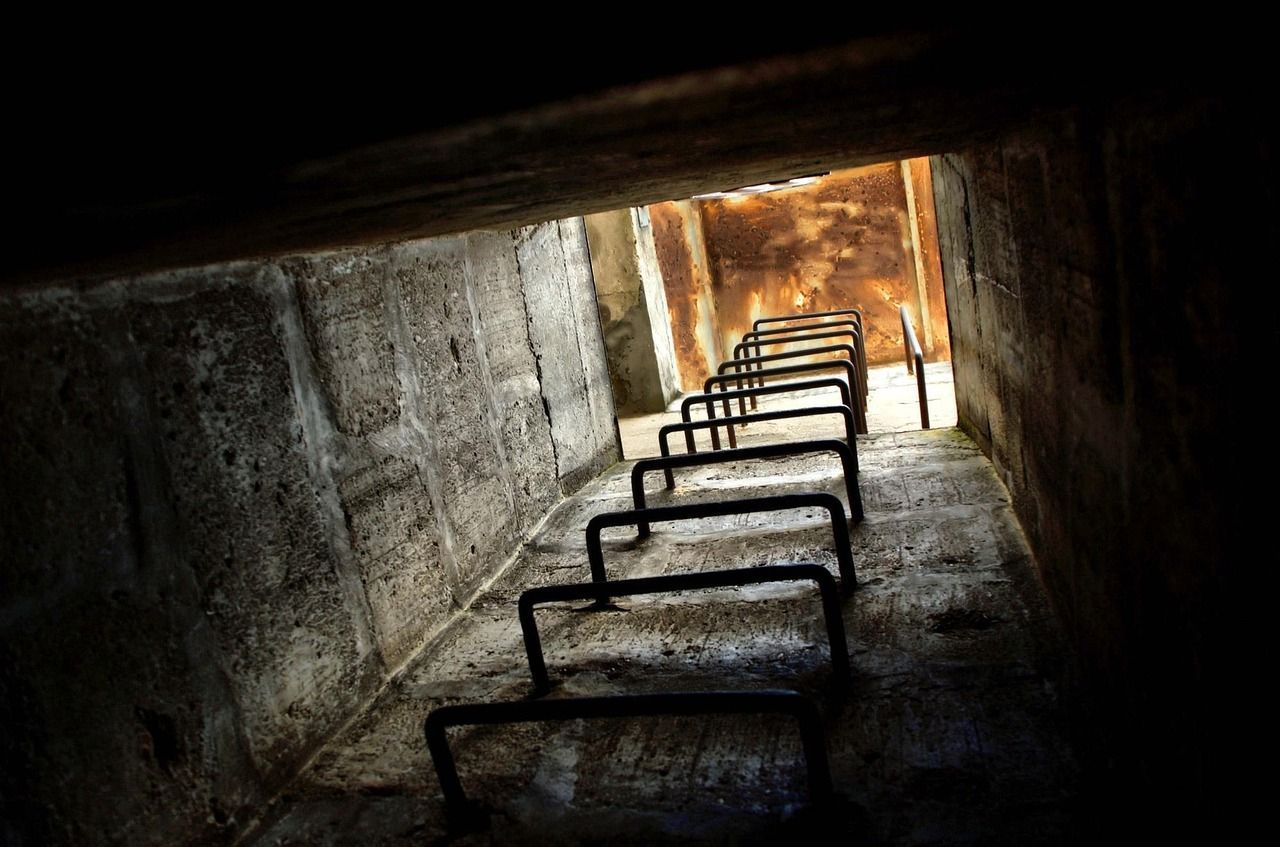
Image: Ilagam

Did you know that in the 1950s, the US government carved out a secret underground city that could survive a nuclear attack? It’s called an "underground Pentagon", and very much like Area 51, it is one of the government's most classified projects.

This military complex and nuclear bunker is located near Blue Ridge Summit, Pennsylvania, 768 feet below the ground. It’s protected by 23.5 ft thick 30-ton doors built on top of springs to survive the shock from a blast. Raven Rock has five buildings with 15 floors big enough to live and work. The base has everything it needs to keep running, like a cafeteria, a barbershop, water generators, and even a medical center.

2
SubTropolis
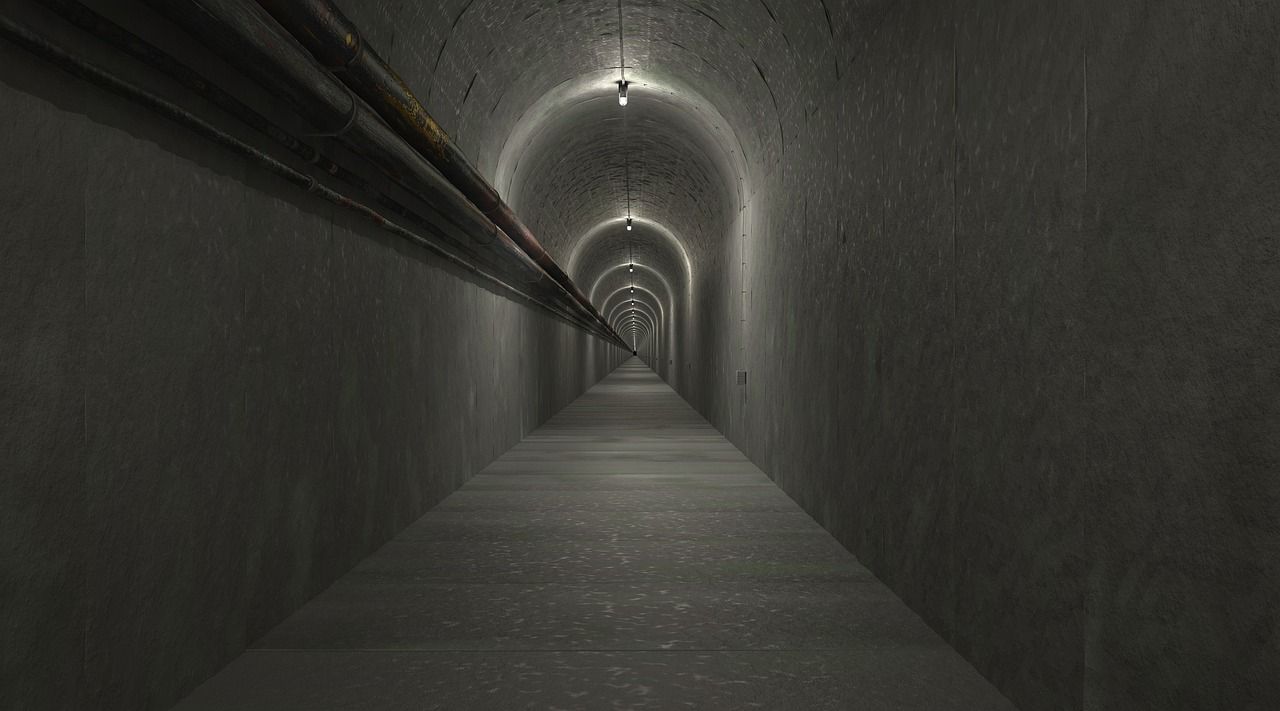
Image: mwewering

Below Kansas City, Missouri, lies the world's largest underground business complex. SubTropolis is a structure located inside a mine north of the Missouri River. It was carved out of limestone some 135 to 185 feet underground and covers a total of 55 million square feet.

Kansas City Chiefs founder Lamar Hunt built this subterranean city in the 1960s. It has offices, storage space, and even factories. Over 1,600 people work here every day, largely because SubTropolis remains cool all year, making it an ideal location for businesses. Fun fact: some of Hollywood’s most beloved masterpieces are kept here, including the original film reels of Gone with the Wind and The Wizard of Oz.

3
Underground Atlanta
Image: Ronny Sison

Underground Atlanta is a historic spot in downtown Atlanta, Georgia. It was built in the late 1800s, right after the Civil War, as a commercial district centered around the railroad. In the 1920s, viaducts were built and the streets were raised, creating a second level of streets, buildings, and shops.

During Prohibition, the abandoned underground space served as the best spot for speakeasies and juke joints. For decades, people forgot about the hidden city, but in the 1960s, it was brought back to life as a fun place for music bars and nightlife.

4
New York City Subterranean World
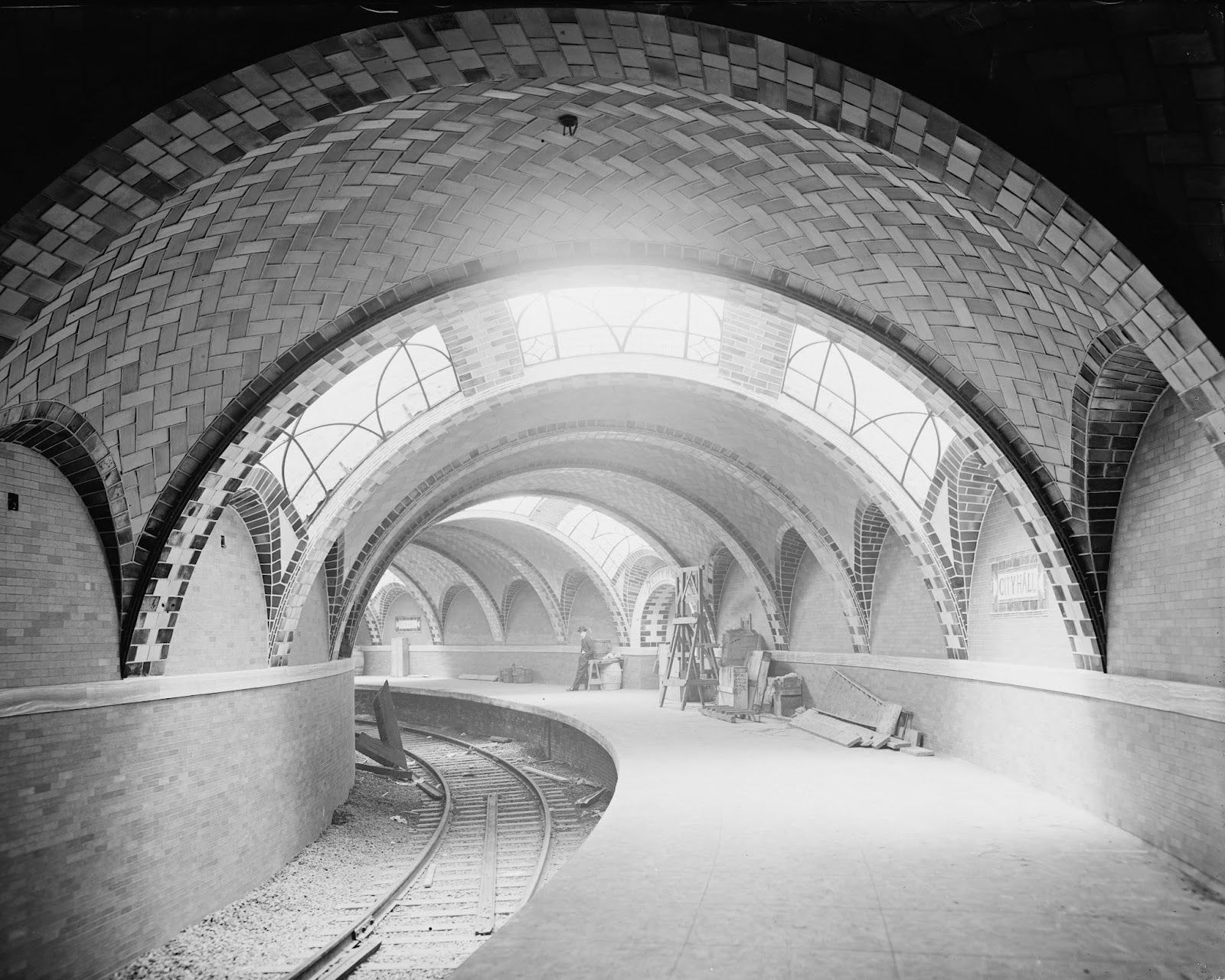
Image: Photographer: unknown, Public domain, via Wikimedia Commons

Under America’s most populous city, there's a whole hidden world. For example, beneath Little Italy and the Public Library, there are secret vaults. Beyond the subway millions of people use daily, there is City Hall station, opened in 1904 and closed in 1945. It's a hidden gem with stained glass and mosaics that you can still visit by staying on the 6 train past the last stop.

But that’s not all! There are trading tunnels in SoHo and old cattle tunnels in the Meatpacking District. Also, in 1897, there were mail tubes built around the city to send letters between post offices that operated until the 1950s. Some of these underground spaces go as deep as 800 feet!

5
Permafrost Tunnel Research Facility
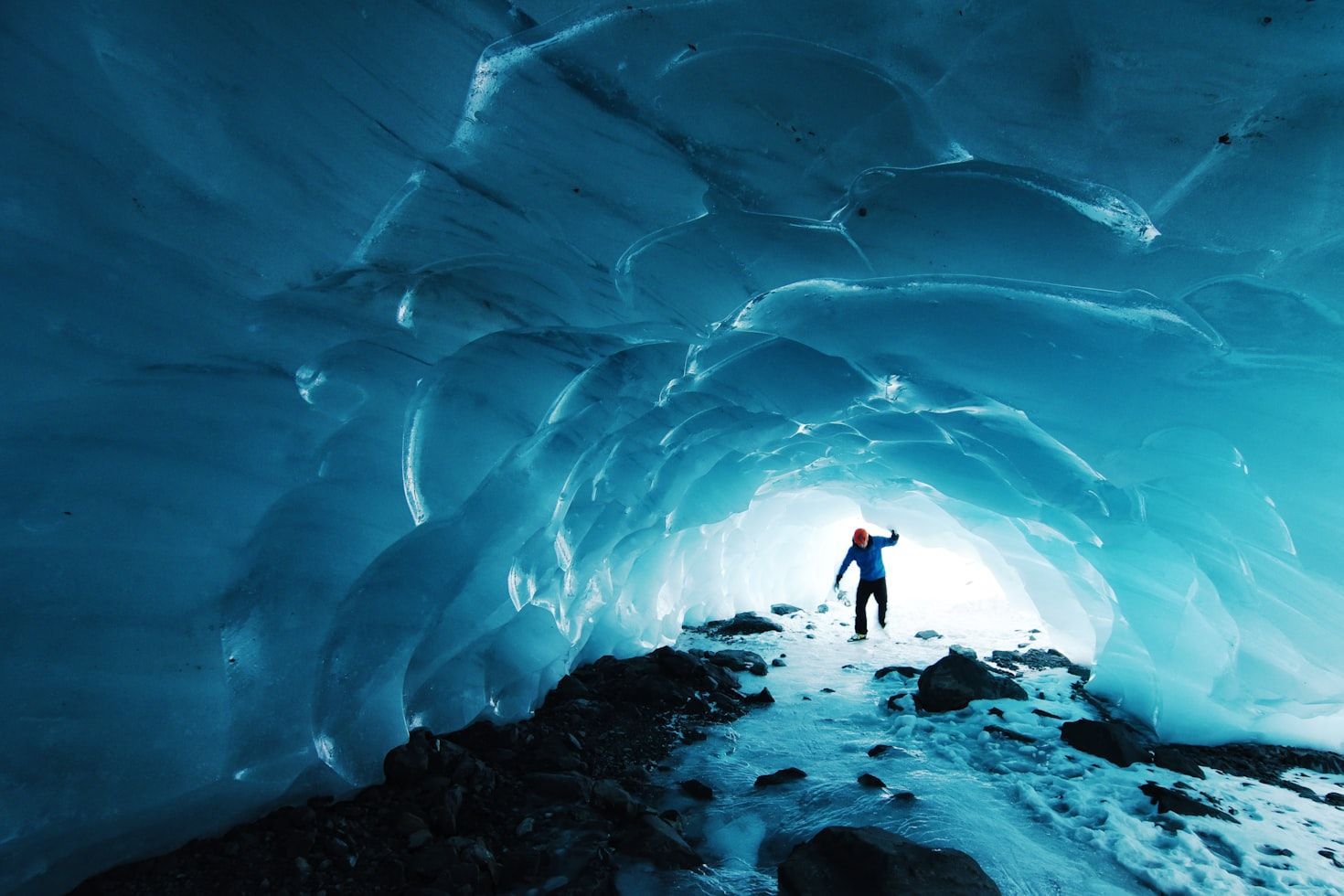
Image: Paxson Woelber

A large part of the land in the northern hemisphere is Permafrost, so it makes sense that there is a research facility specially built to study it. The Permafrost Tunnel in Alaska is the best place to learn about frozen soil that's over 40,000 years old.

The long tunnel was dug from 1963 to 1969 to study how to build and mine in frozen environments. Inside the facility, scientists study ice, ancient plants, and even bones from animals like mammoths. The tunnel shows different layers of earth, uncovering frozen ground from different time periods that help scientists anticipate what might happen as the world gets warmer.

6
The Greenbrier Bunker
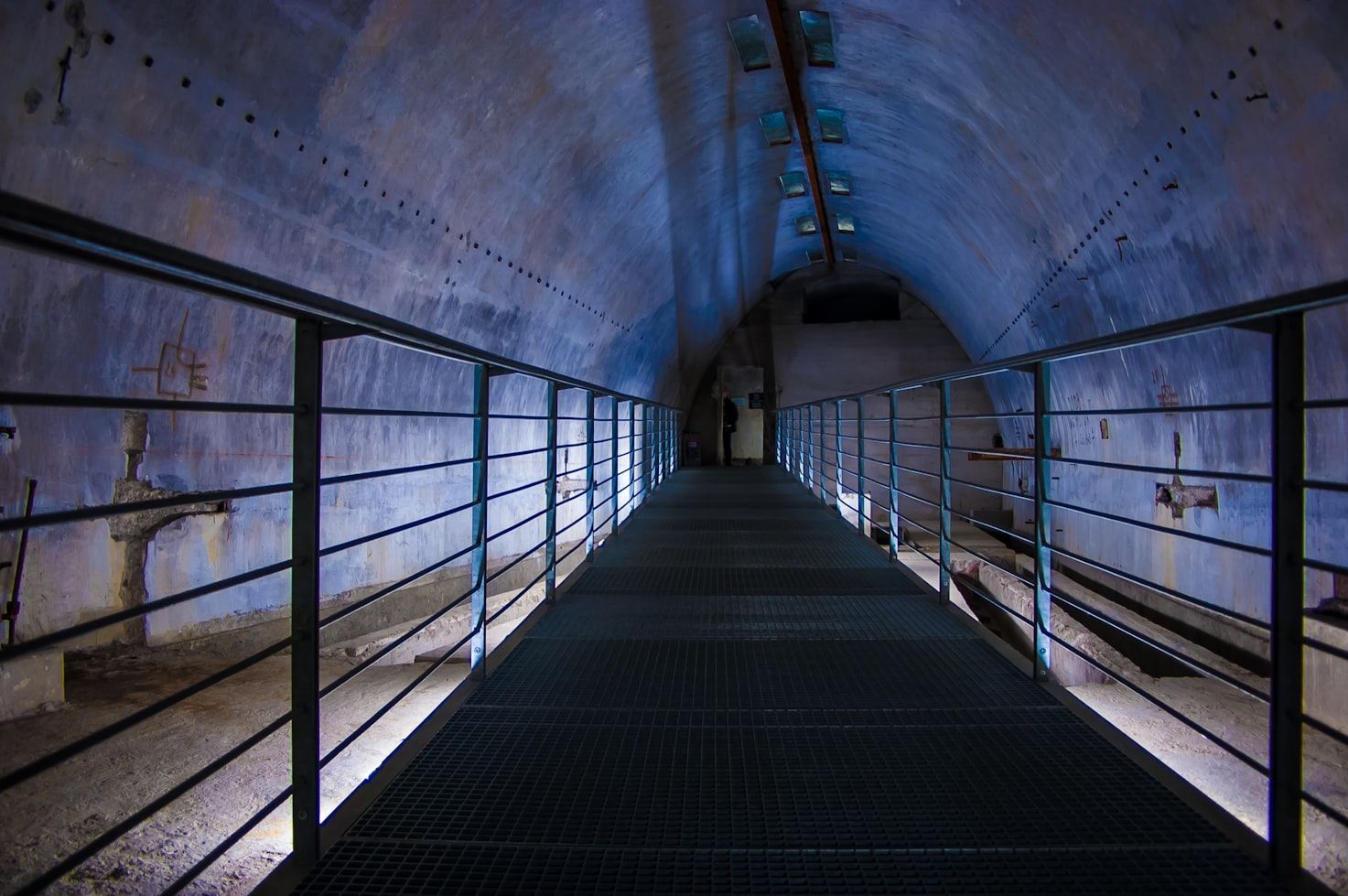
Image: Alex Holzreiter

The Greenbrier Bunker in White Sulphur Springs, West Virginia, is a secret underground facility beneath a luxury hotel that has hosted numerous US presidents and famous guests. It was built during the Cold War to protect the US Congress in the event of a nuclear attack. The bunker was designed to house all 535 members of Congress and their staff for a long time.

This classified underground facility remained a secret until 1992, when a Washington Post article exposed it. Today, visitors can take tours to see special rooms, blast doors, and decontamination areas.

7
The Caverns
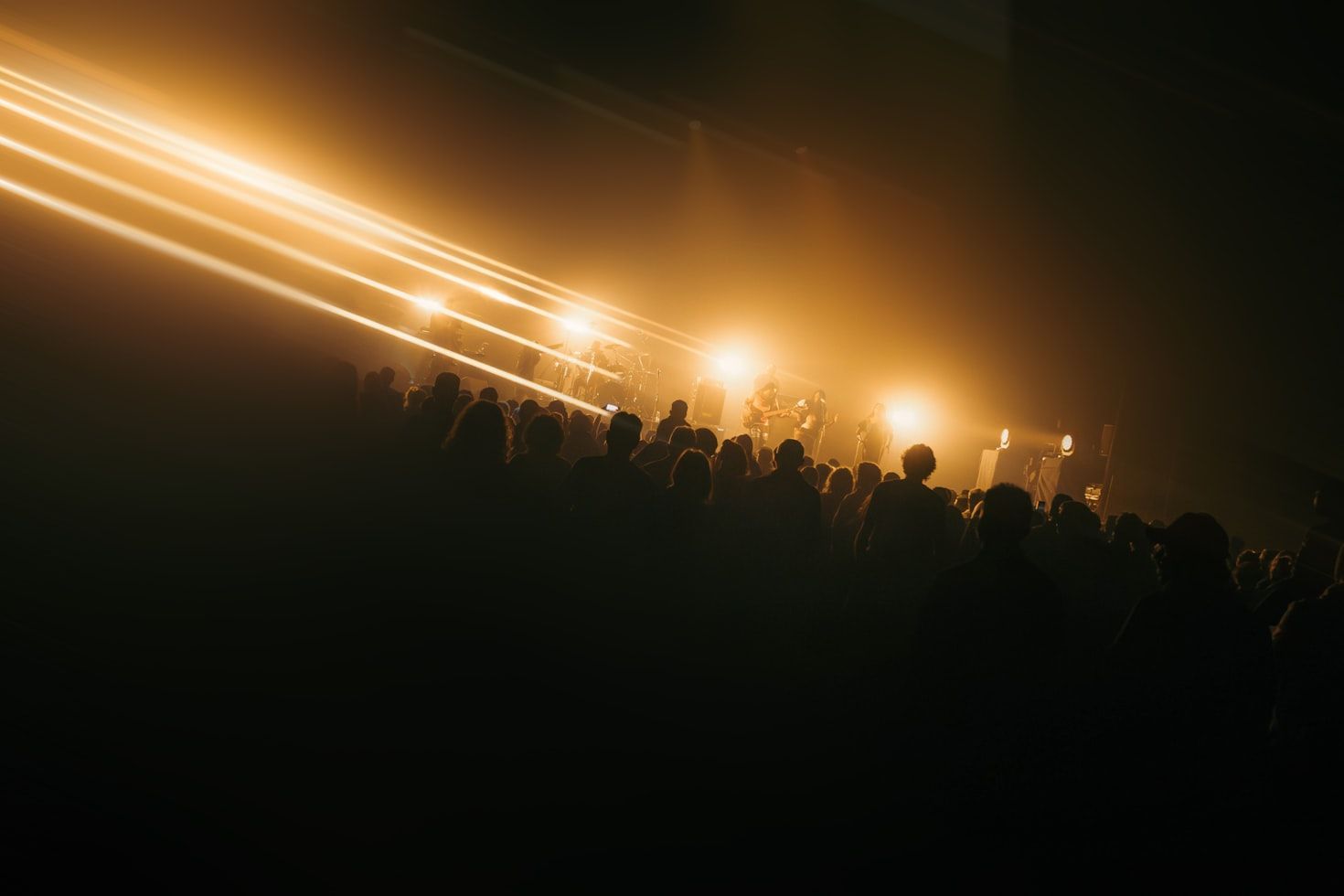
Image: jymy duhomme

Would you attend a concert underground? If you travel to Tennessee is totally possible! The Caverns, formerly known as Bluegrass Underground, is a very cool spot in Grundy County, Tennessee. Lying deep in a cave 333 feet underground, this concert venue with natural acoustics is the perfect place for live music.

People come from all over to hear a variety of performances, especially Bluegrass music. The Caverns can accommodate up to 1,200 people standing up and are equipped with state-of-the-art sound and lights. The cave's cool and quiet atmosphere makes the experience extra special!

8
Crystal City Underground
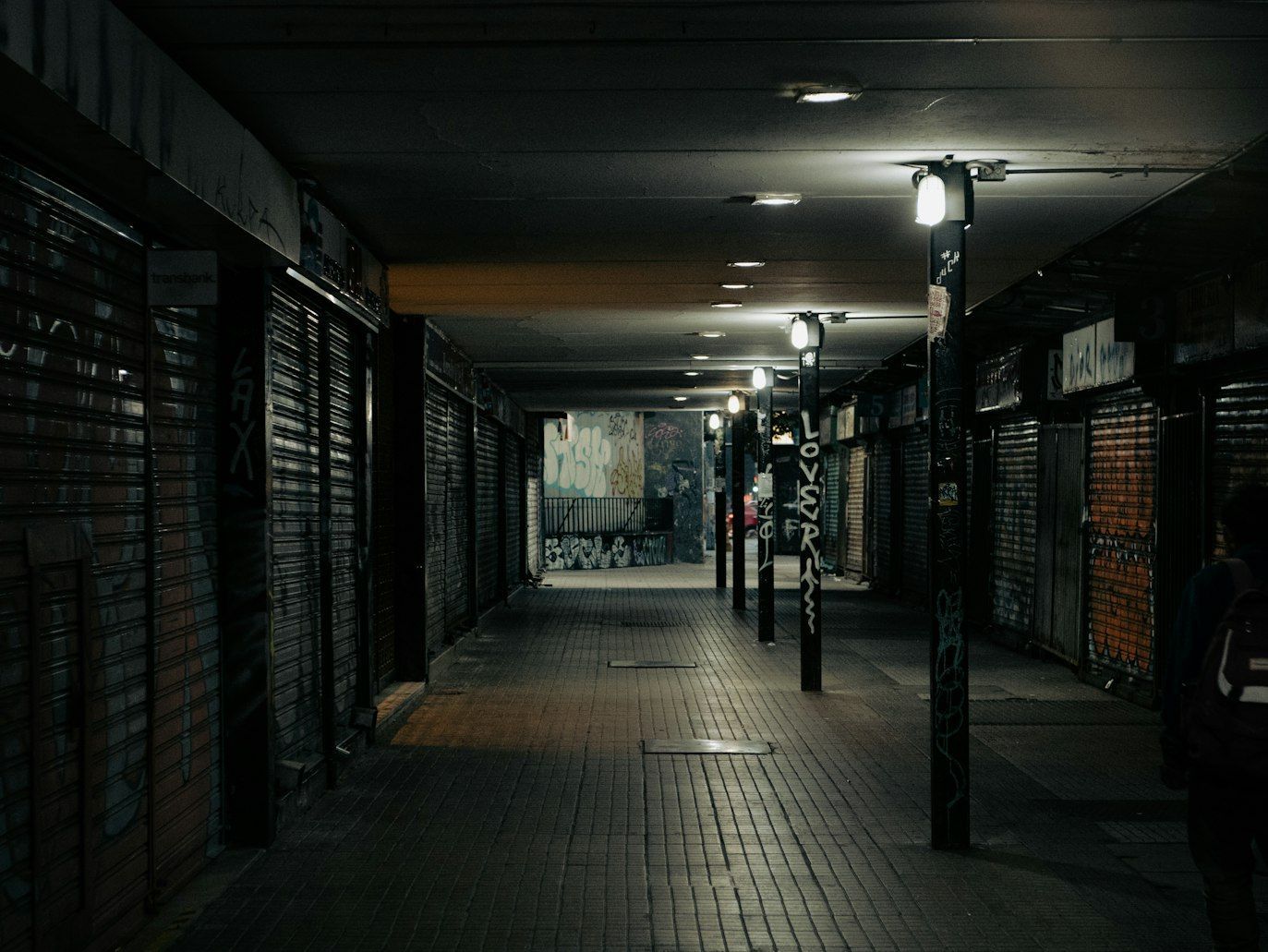
Image: Gustavo Alejandro Espinosa Reyes

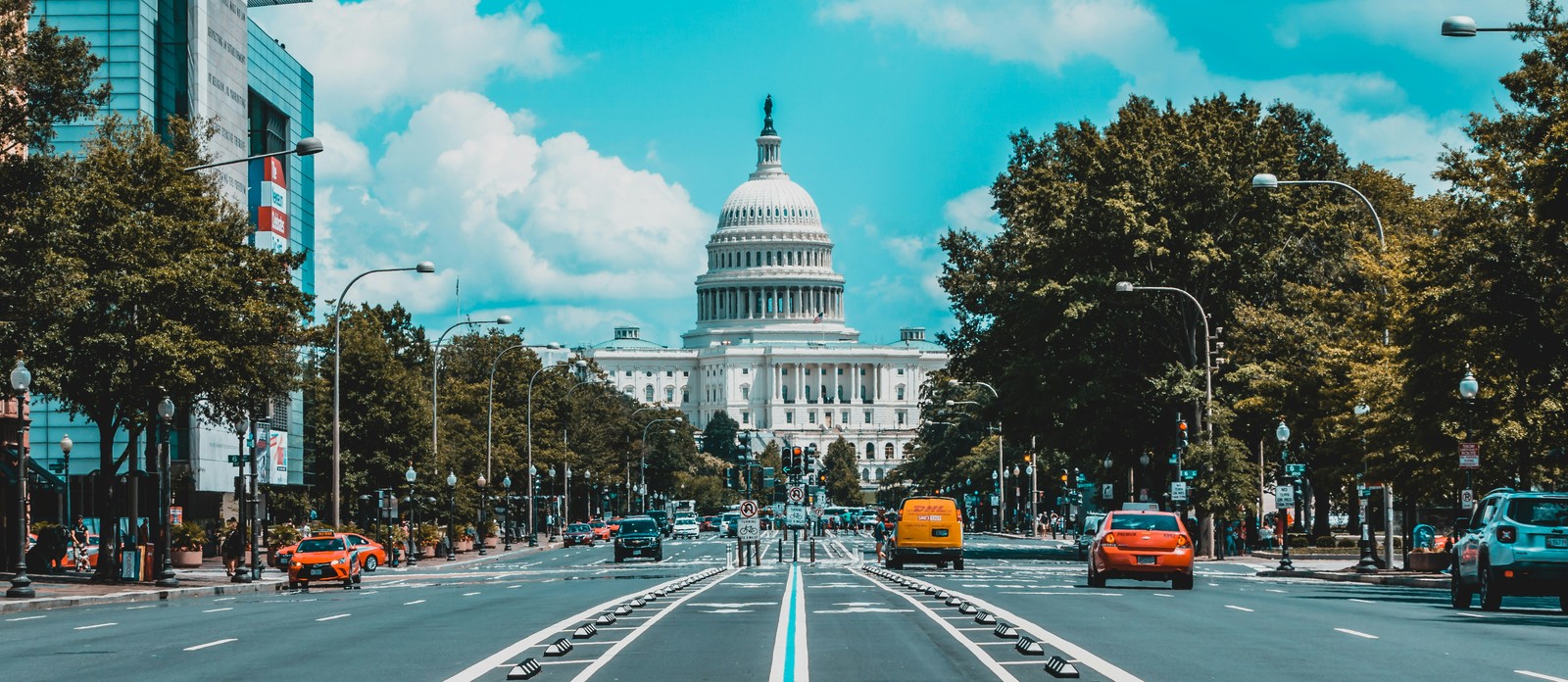
Beneath the neighborhood of Crystal City, near Washington, DC, lies a network of shops, restaurants, and offices. It opened in 1976 and was designed to feel like an old shopping village with cobblestone streets and antique glass windows.

The underground space covers 150,000 square feet and connects several buildings. It's a popular spot for office workers and visitors, especially when the weather is bad. Unfortunately, in 2024, the shops closed, ending their retail era. Yet, the underground walkways and connections to the Metro remain open for pedestrians.

9
Los Angeles Prohibition Tunnels
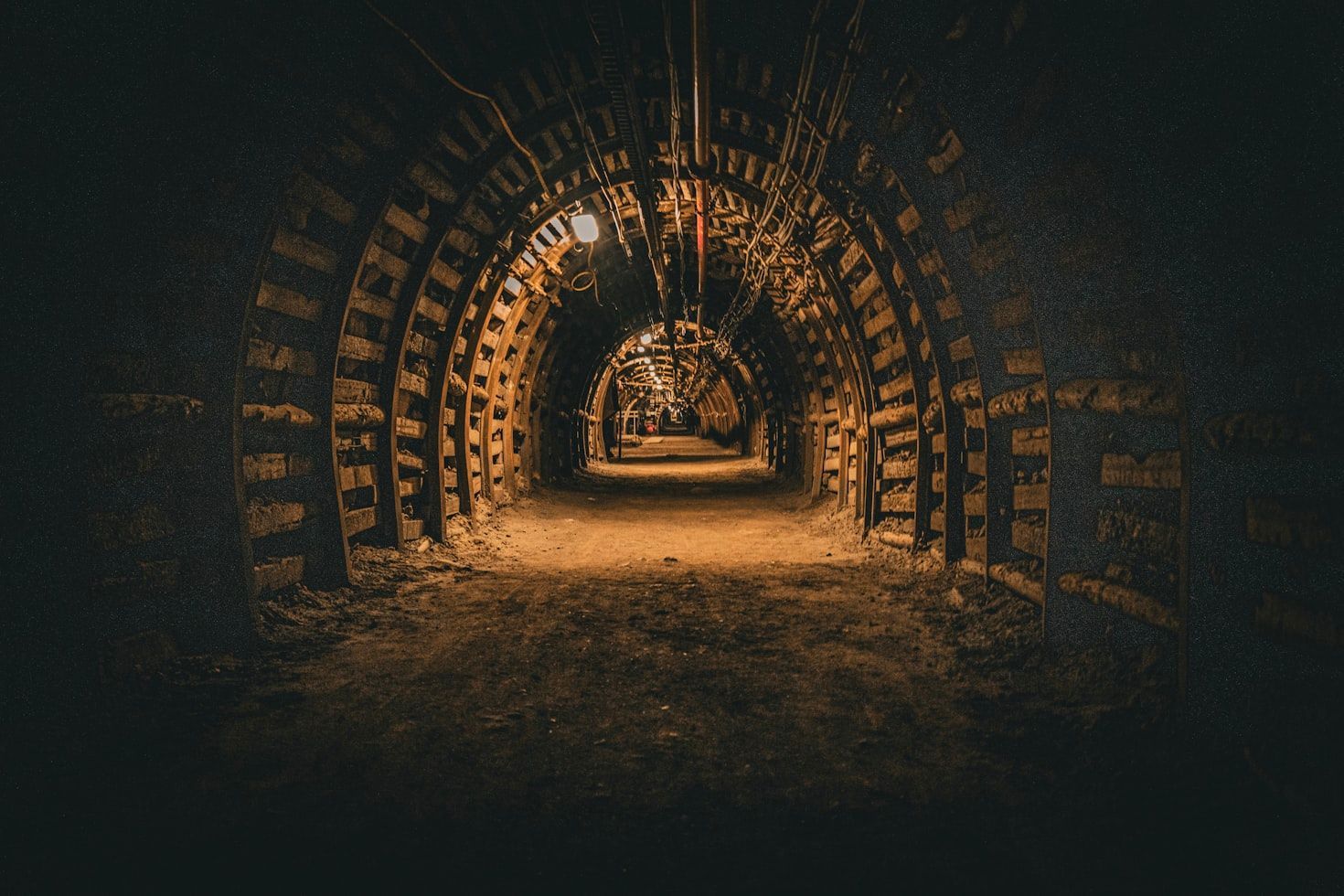
Image: Alpha Perspective

In the 1920s, during Prohibition, people had to find ingenious ways around the restrictions on selling and consuming alcohol. That's why they built about 11 miles of underground tunnels right under Los Angeles.

Many of these subterranean sites are now closed, but you can still find a few hidden entrances around the city. You can even go on a tour to explore the tunnels and learn about their secret history.

10
Havre Beneath the Streets
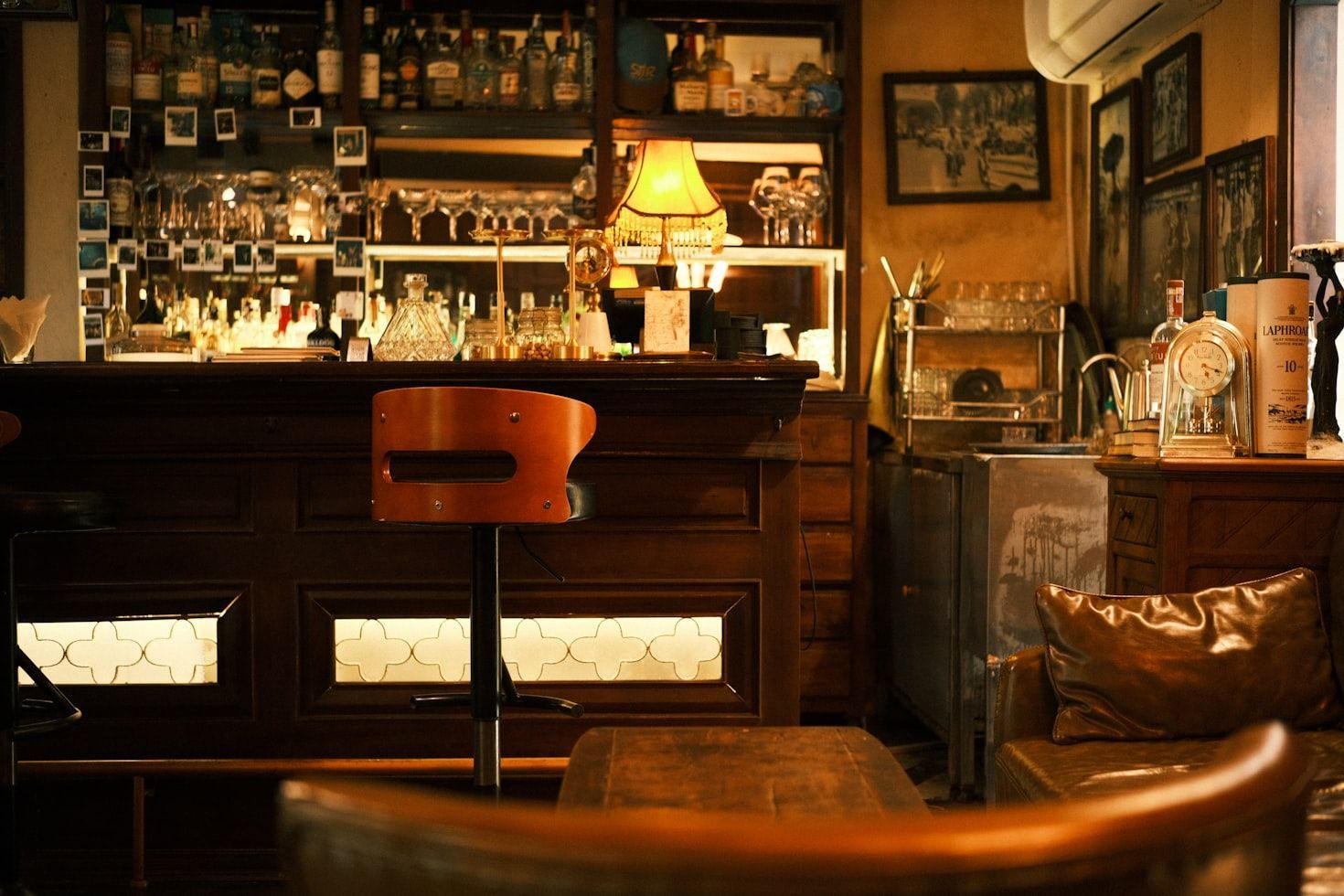
Image: Đào Việt Hoàng

After a big fire in 1904 destroyed Havre’s business district in Montana, many shops moved underground. They used the old steam tunnels to stay safe from fires and bad weather. For years, the tunnels were busy with people and stores, such as saloons, drugstores, laundromats, and even a brothel. But today it is completely silent.

Fortunately, you can still visit what is left of this hidden city to see old shops and learn how people stayed safe and worked over 100 years ago. It's like going back in time!

11
Cheyenne Mountain Complex
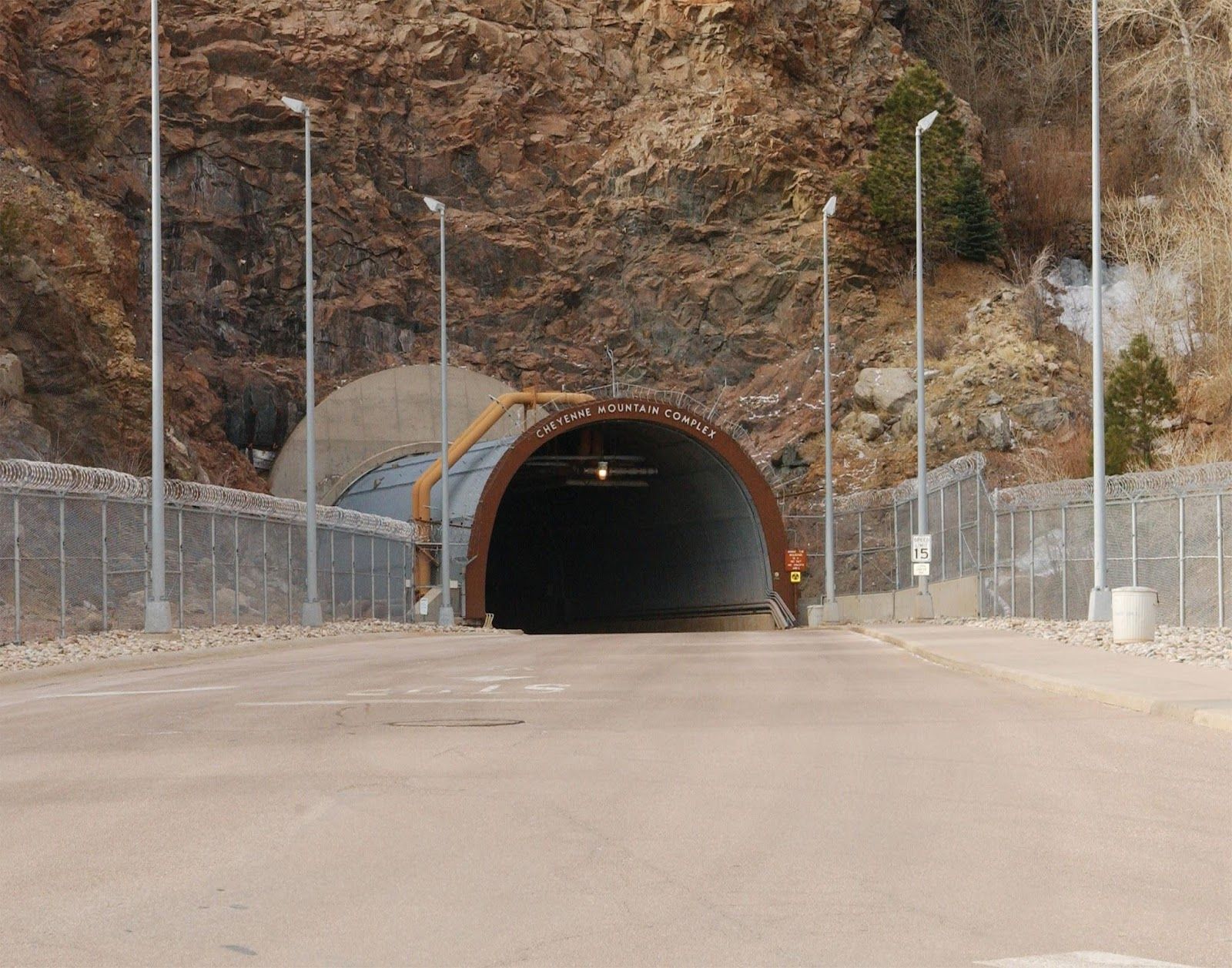
Image: See page for author, Public domain, via Wikimedia Commons

One of the safest places in the world is right here in America, more specifically in El Paso County, Colorado. Hidden inside a mountain, Cheyenne Mountain Complex was built in the 1960s to protect the US military from nuclear attacks.

The bunker stands under 2,000 feet of solid Granite, making it super strong and safe. It was once the command center for NORAD (North American Aerospace Defense Command). The complex has blast doors that weigh 25 tons each and can withstand a nuclear blast. It also has its own power, water, and food supply. People could survive there for months!

12
Forestiere Underground Gardens
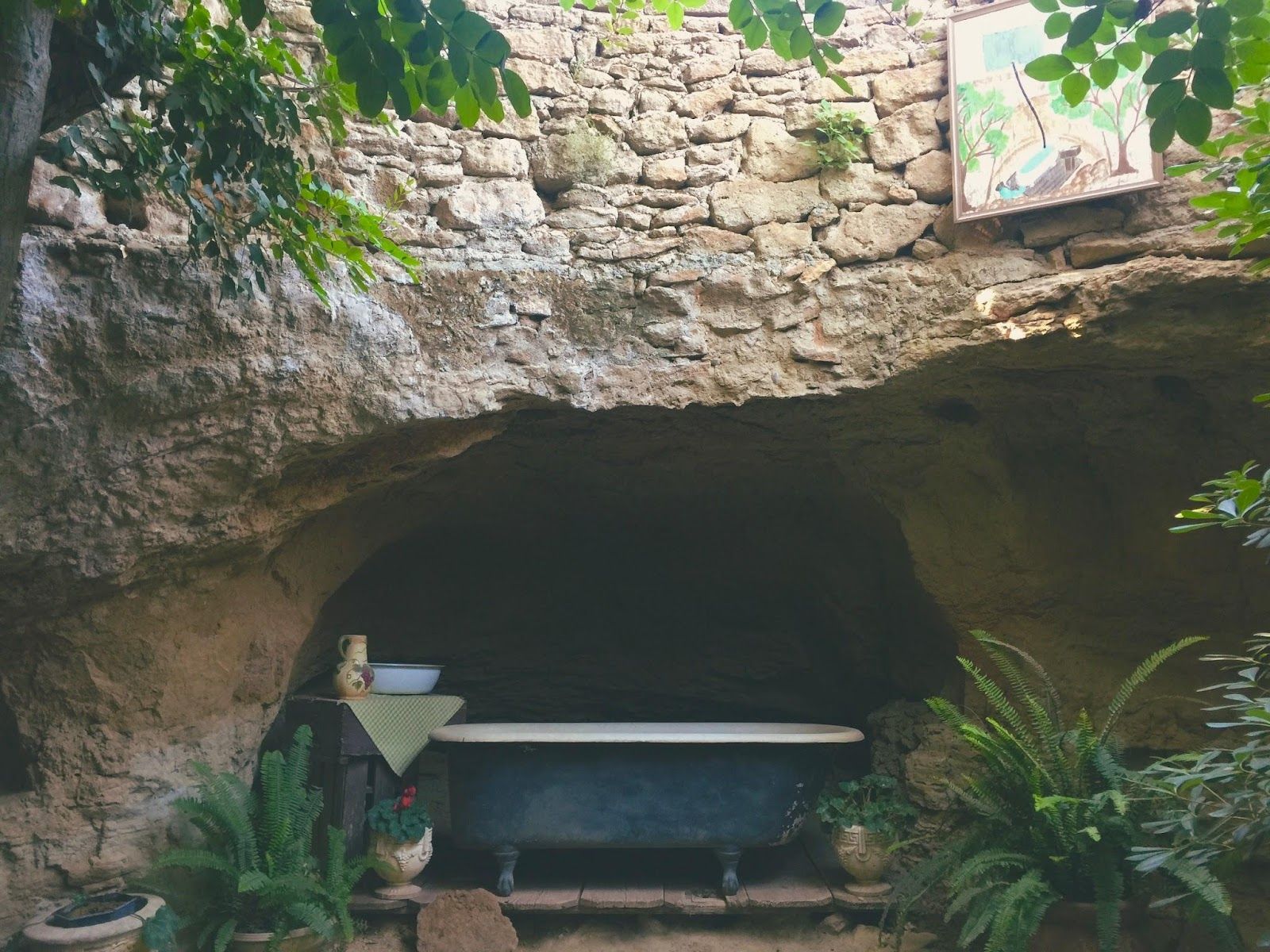
Image: Levi Clancy, CC0, via Wikimedia Commons

A Sicilian immigrant called Baldassare Forestiere spent 40 years digging and building a series of subterranean structures by hand in Fresno, California. Inspired by Roman catacombs and old wine cellars, he created around 65 rooms, tunnels, and courtyards to escape the hot summer sun.

The Gardens have fruit trees, grapevines, fishponds, and even a chapel. Some of the trees are more than 90 years old! Today, Forestiere Underground Gardens is a Historical Landmark you can visit if you want to discover a true underground paradise.
Culture Culture 3 min read

Necessary troublemakers

Meet 10 of the least favorite characters on American TV: Do you agree?

Image: Piotr Cichosz

We naturally cheer for the heroes in our favorite shows, but every great story needs a villain, a schemer, a troublemaker, or just a truly hateful character. Some of these are so cunning or exasperating that they become impossible to forget. Let’s take a look back at 10 iconic TV characters we love to hate.

1
J.R. Ewing (Dallas)

Image: Toglenn, CC BY-SA 3.0 <https://creativecommons.org/licenses/by-sa/3.0>, via Wikimedia Commons

If ambition had a face, it would probably be J.R. Ewing, the slick oil tycoon from the TV show Dallas . Manipulative, calculating, cold, incredibly greedy, and even treacherous, he checks all the boxes for one of TV’s most hated—and most memorable—villains.

2
Ross Geller (Friends)

Image: Philippe Berdalle, CC BY-SA 2.0 <https://creativecommons.org/licenses/by-sa/2.0>, via Wikimedia Commons

David Schwimmer brought to life one of the most memorable characters in American sitcoms. We’re talking about Ross Geller from Friends , a character who could easily land on both the "most beloved" and "most hated" lists. And that’s the charm of Ross: fans who adore him point to his generosity and intelligence, while those who can’t stand him blame his jealousy and tendency toward constant drama. Which side are you on?

3
Mr. Burns (The Simpsons)

Image: Erik Mclean

The millionaire Mr. Burns is the perfect example of a cartoon villain. And maybe it's not just his cold, calculating, and greedy nature that makes him so unlikable, but also his total inability to relate to or understand the problems of ordinary people. While it's hard to truly "hate" any character from The Simpsons , we can safely say he does not exactly inspire affection.

4
Kimmy Gibbler (Full House)

Image: Jason Leung

Kimmy Gibbler, played by Andrea Barber on Full House , is one of those characters who sparks mixed feelings. Some viewers find her loud, quirky, and intrusive behavior charming. However, for others, those same traits can be a bit too irritating. Whether you adore her or can’t stand her, no one could imagine the show without Kimmy.

5
Janice (Friends)

Image: Chester from Toronto, Canada, CC BY 2.0 <https://creativecommons.org/licenses/by/2.0>, via Wikimedia Commons

Those of us who watched Friends need just three words to remember this character: "Oh. My. God!" That’s Janice's trademark line, repeated almost every time she appears on the show. It’s not malice that gets under our skin, but her shrill voice, endless energy, and constant drama. And of course, she won’t leave Chandler alone, who does everything but be upfront about his feelings.

6
Livia Soprano (The Sopranos)

Image: HBO, CC BY 3.0 <https://creativecommons.org/licenses/by/3.0>, via Wikimedia Commons

Livia Soprano, mother of none other than Tony Soprano, manages to make us hate her from the very first season, and that’s part of what makes her such a compelling character. Bitter, cold, distrustful, manipulative, and calculating, Livia helps explain much of the protagonist’s behavior; through her, we glimpse the roots of Tony’s twisted mind.

7
Pete Campbell (Mad Men)

Image: Peabody Awards, CC BY 2.0 <https://creativecommons.org/licenses/by/2.0>, via Wikimedia Commons

Arrogant, manipulative, and always chasing status, these traits make Pete Campbell, played by Vincent Kartheiser, one of the least favorite characters on the iconic Mad Men . His hypocrisy and relentless ambition often lead him to overlook ethics and empathy, which is exactly why he earns a spot on this list.

8
Negan (The Walking Dead)

Image: Gage Skidmore from Peoria, AZ, United States of America, CC BY-SA 2.0 <https://creativecommons.org/licenses/by-sa/2.0>, via Wikimedia Commons

A villain so terrifying that he earns the hatred of viewers definitely deserves a spot on this list. We’re talking about Negan, the ruthless leader played by Jeffrey Dean Morgan on The Walking Dead . His brutality, arrogance, and need to control everything make him one of the show’s most frightening and unforgettable antagonists.

9
Nellie Bertram (The Office)

Image: Super Festivals, CC BY 2.0 <https://creativecommons.org/licenses/by/2.0>, via Wikimedia Commons

Played by the iconic Catherine Tate, Nellie Bertram joins The Office in the finale of the seventh season, and her excessive arrogance and pushy personality quickly make her one of the most irritating characters on the show. However, we have to admit it: on The Office , even the characters who get on our nerves often manage to make us laugh out loud.

10
Connor Roy (Succession)

Image: Super Festivals, CC BY 2.0 <https://creativecommons.org/licenses/by/2.0>, via Wikimedia Commons

A mix of wealth, eccentricity, vanity, greed, and a misplaced sense of power make Connor, the eldest Roy sibling in Succession , one of the least favorite characters in the series. His habit of taking advantage of others and expecting rewards he hasn’t earned is one of the key reasons he lands on this list.

General General 3 min read

US money mysteries

Did you notice this detail on the $100 bill? 10 surprising currency facts

Image: Alicia Razuri

You use it every day, you keep it in a safe place, and yet there are still so many things you may not know about it. Yes, we’re talking about US currency! From their size and composition to the details of their designs, both our bills and coins have a fascinating history behind them, and some secrets you probably never imagined. Join us as we uncover them.

1
Clock change

Image: Jonathan Borba

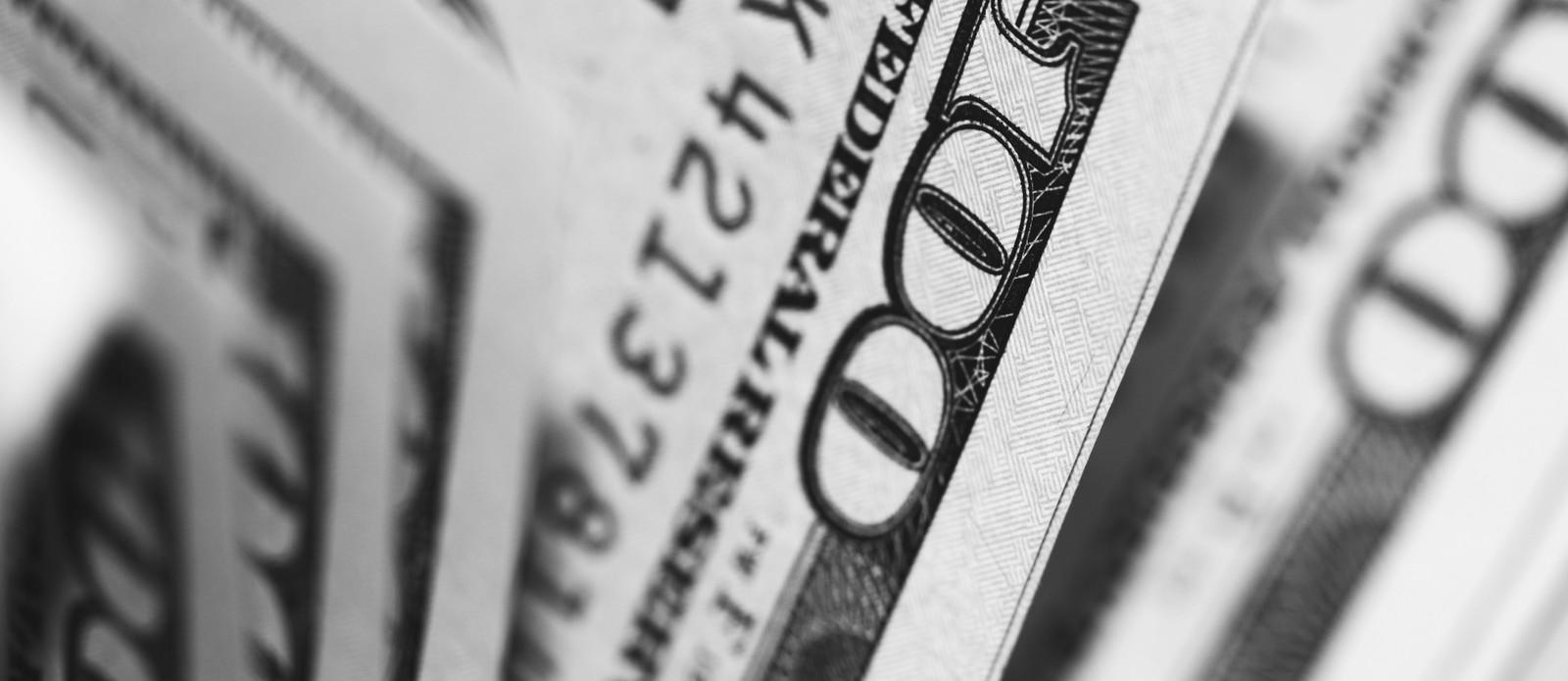
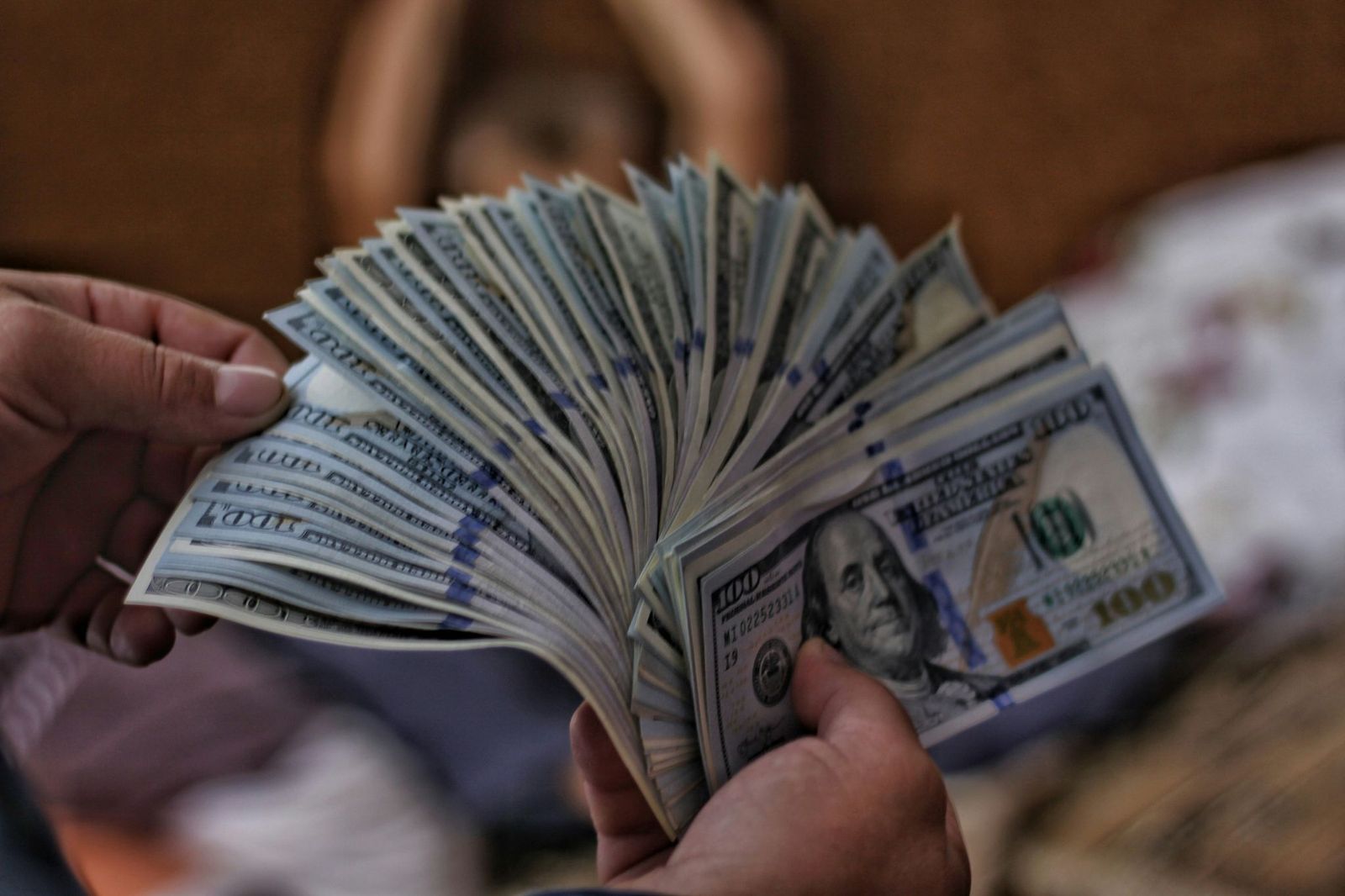
US currency is full of symbolism, and the $100 bill is no exception. Since 1928, we have seen Independence Hall depicted on the back of this bill. But in 2013, it was redesigned, and one change stands out: the clock tower, which previously showed 4:10, now reads 10:30. Did you notice?

2
Jackie Kennedy’s choice

Image: Florida Memory

Jackie Kennedy played a key role in designing the coin that would feature the portrait of her ex-husband. When the U.S. Mint planned the Kennedy half dollar in 1964, she was consulted and provided input on various aspects of the coin, including its imagery and symbolism.

3
Not paper

Image: Giorgio Trovato

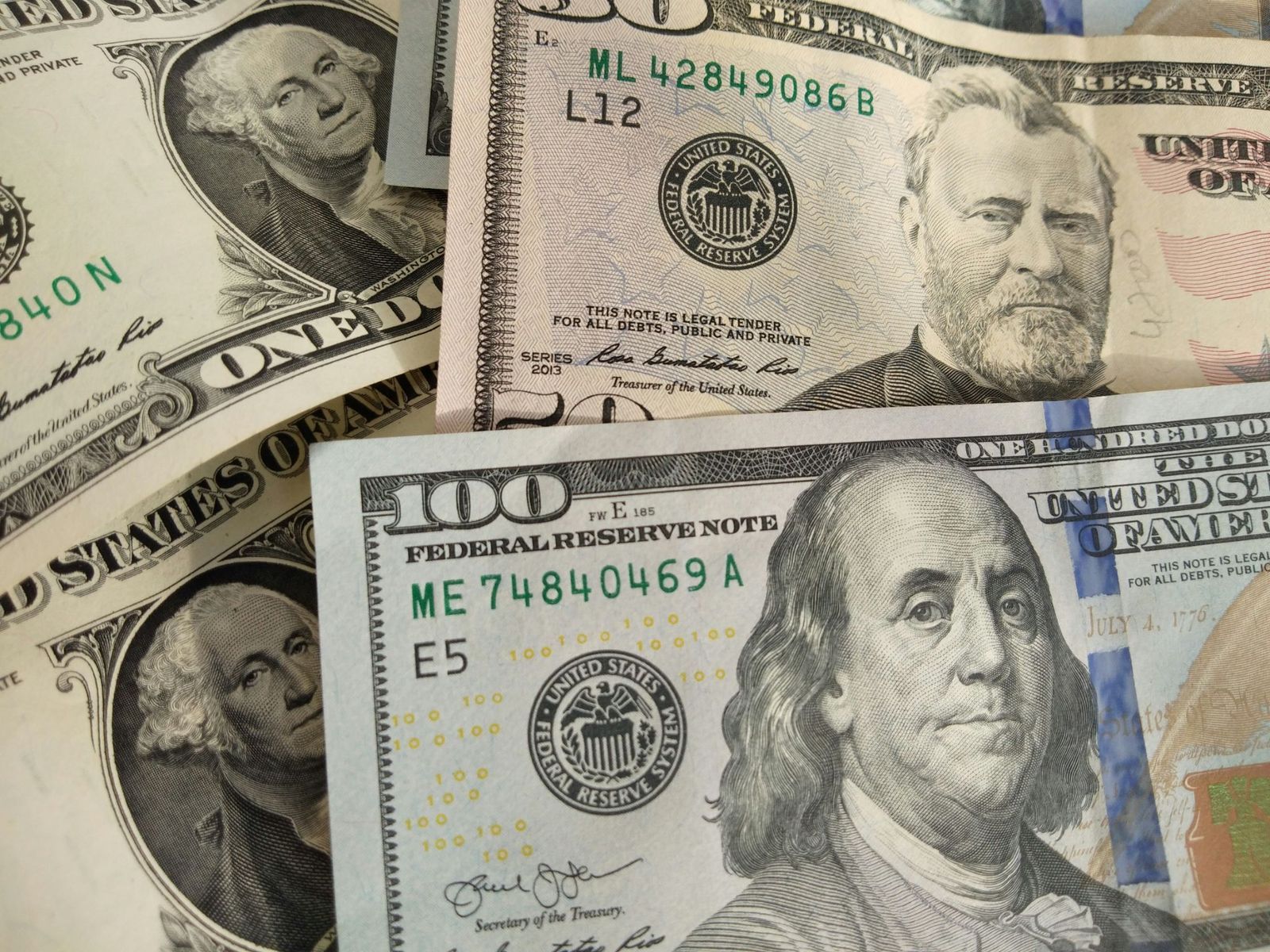
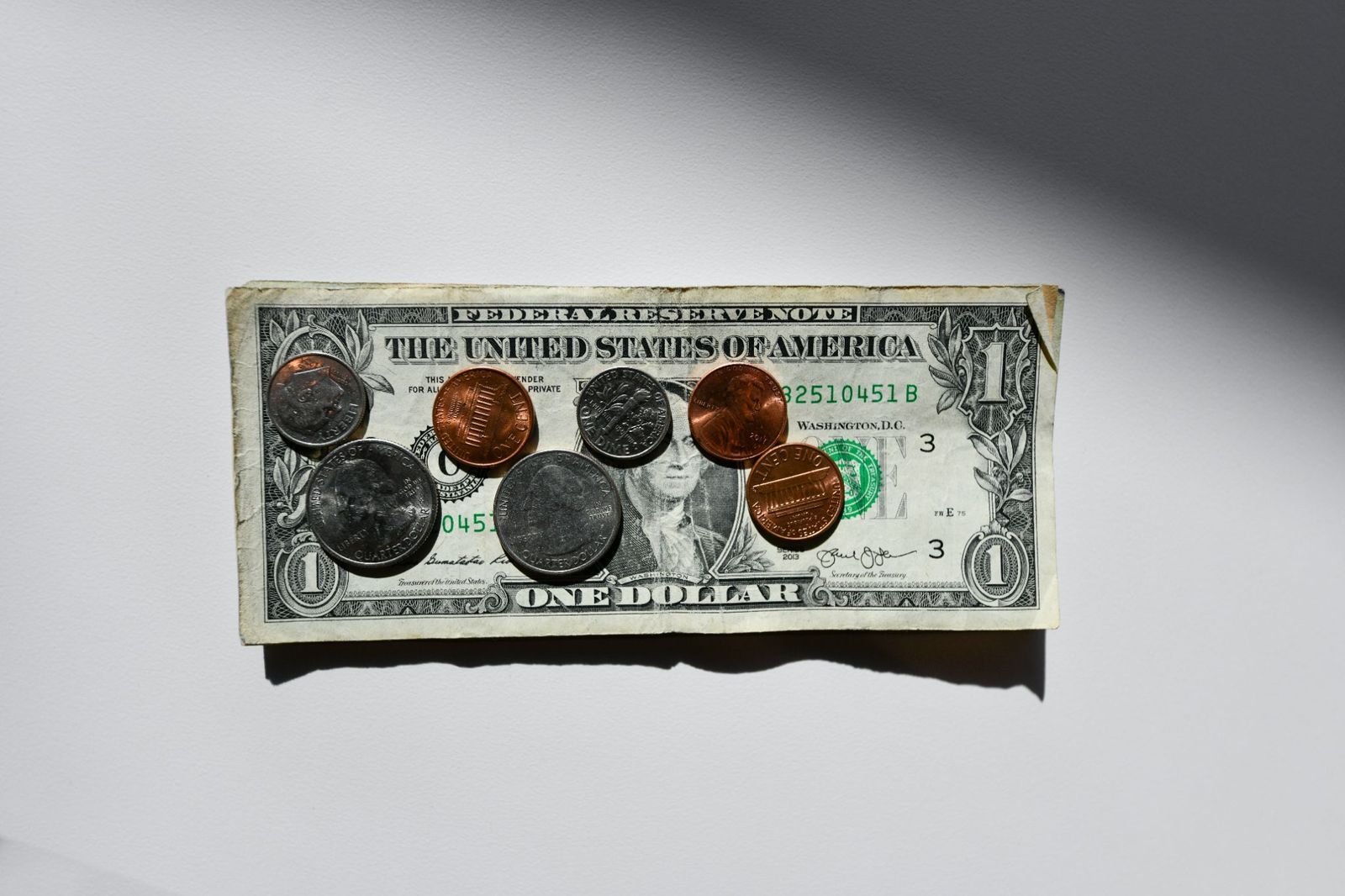
Although it is called paper money, our bills do not contain any paper at all. In fact, they are made of a blend of 75% cotton, 25% linen, and fine silk fibers embedded. This mixture is not random; it was specially chosen so that your bills can withstand everything: folds, wrinkles, stains, and even an accidental shower in the washing machine.

4
The unfinished pyramid

Image: Marek Studzinski

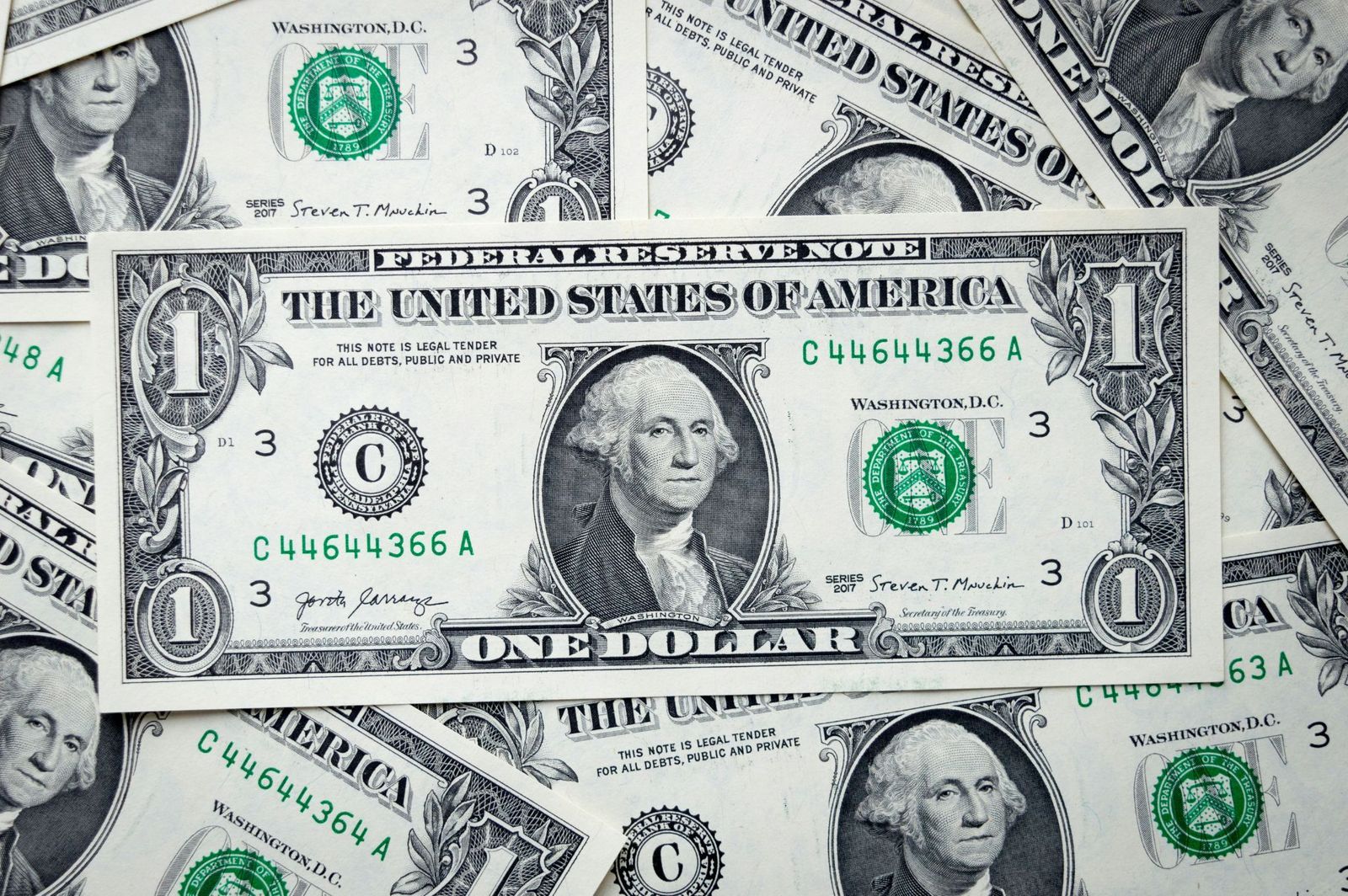
The one-dollar bill also has its secrets and details. On its back, you’ll find an unfinished pyramid, part of the Great Seal of the United States designed in the 1780s. Why unfinished? The pyramid has 13 steps, representing the original 13 colonies, and its incomplete form symbolizes the nation’s ongoing growth and expansion.

5
50% larger

Image: Bozhin Karaivanov

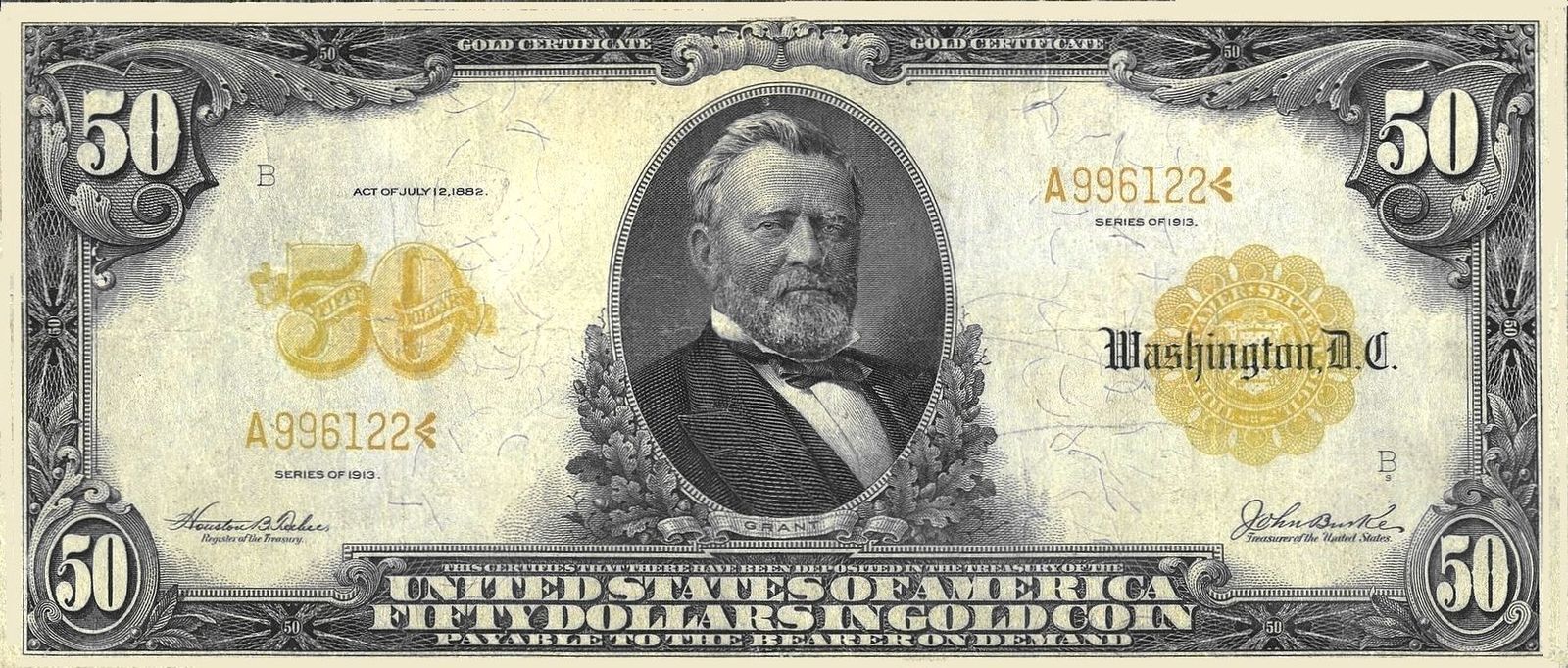
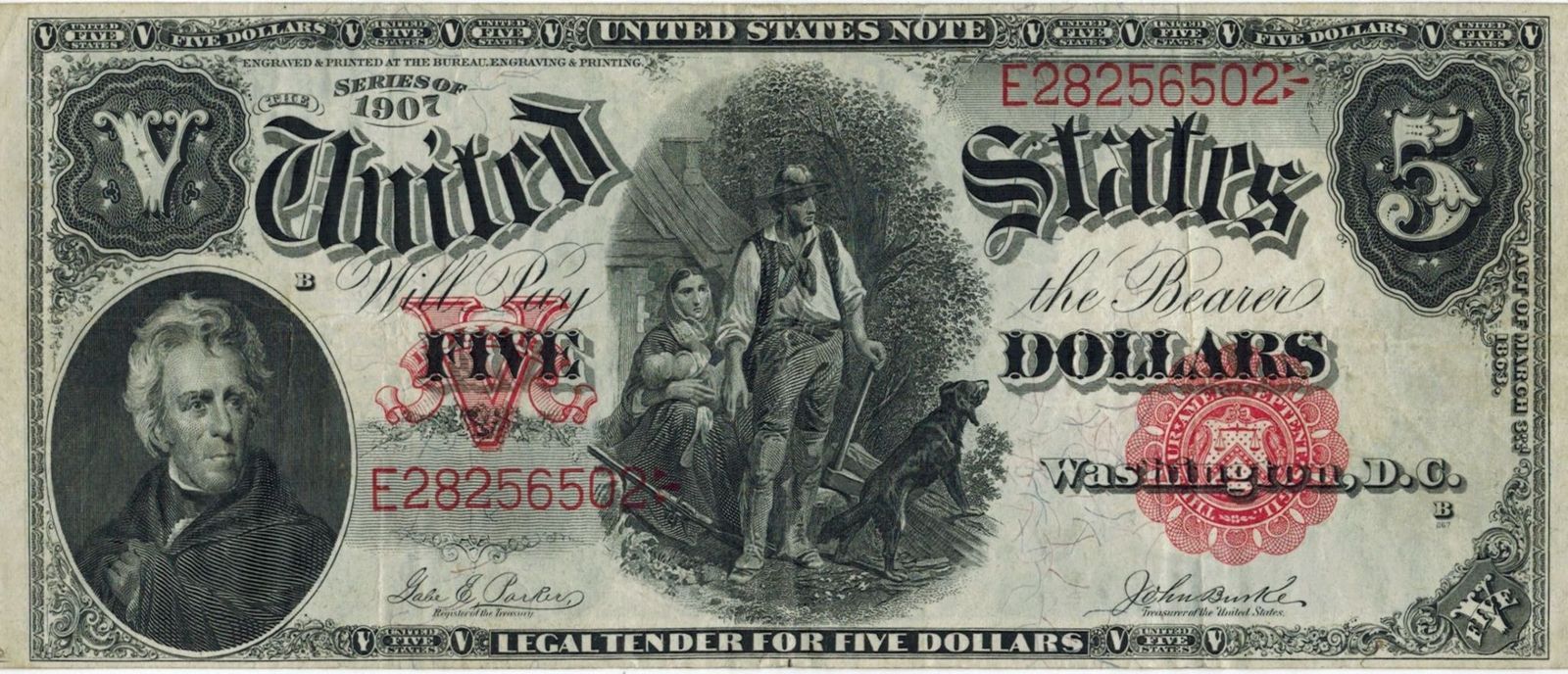
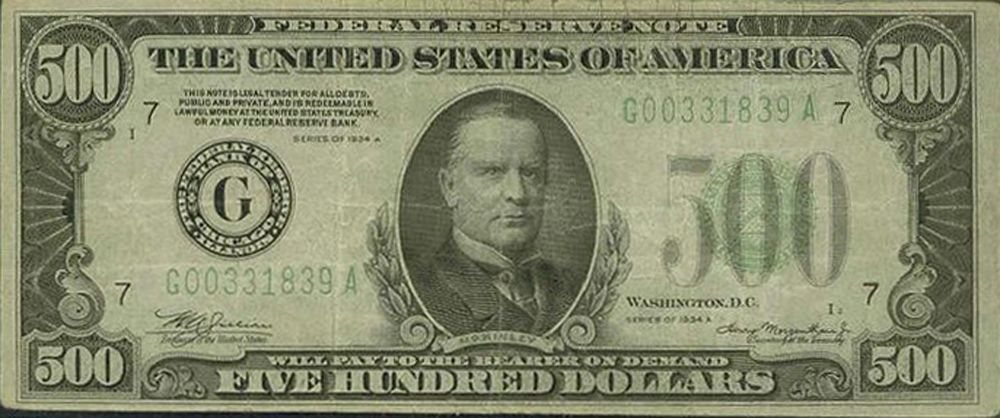
Before 1929, US banknotes were significantly larger, measuring approximately 7.375 x 3.125 inches. Today, collectors refer to these as "large-size" notes, sometimes even nicknamed "Horseblankets." In contrast, modern bills measure just 6.14 x 2.61 inches. The government decided to reduce the bill's size to cut production and design costs.

6
Andrew Jackson’s preference

Image: Giorgio Trovato

Andrew Jackson has been the face of the $20 bill since 1928, when he replaced Grover Cleveland. Ironically, Jackson was opposed to paper money. He didn't trust that form of payment, believing it could be easily manipulated. According to historians, the 7th U.S. President favored "hard money": gold and silver coins.

7
Alexander Hamilton’s portrait

Image: engin akyurt

Most portraits on US bills face left, with one exception: Alexander Hamilton on the $10 bill, the only one facing right (toward the viewer’s left). You might wonder why, but there’s no official explanation; it seems to have been simply a design choice.

8
"In God We Trust"

Image: rc.xyz NFT gallery

In 1956, Congress passed a law declaring "In God We Trust" the national motto, making it mandatory on all U.S. coins and banknotes. But this wasn’t its first appearance: the phrase first appeared in 1864 on the two-cent coin. Beyond faith, it also carried political weight, suggesting that God favored the Union during the Civil War.

9
The change that never happened

Image: Ryan Quintal

In 2015, the Treasury announced plans to redesign the $10 bill, stating that Hamilton's portrait would be replaced by that of an influential woman from US history. However, the change never happened. Why? Those years saw a surge in Hamilton's popularity thanks to the hit musical of the same name, leading the Treasury to backtrack on the replacement plan.

10
Criteria

Image: Live Richer

As is well known, not just any portrait can appear on US currency. But beyond historical significance, the figures on our bills and coins must meet other criteria you might not know: They must also be deceased and well recognized by citizens, ensuring that the people represented are familiar and meaningful to the public.

Explore more American facts

Choose your favorite category!

General
General

As American as apple pie—the very best America has to offer!

Culture
Culture

Delve into the astounding richness of American lore.

Geography
Geography

Hop in and explore vast and diverse American landscapes.

History
History

Discover the key moments that shaped the United States.