Geography Geography 3 min read

Don’t believe the movies

Debunking myths about the state of California
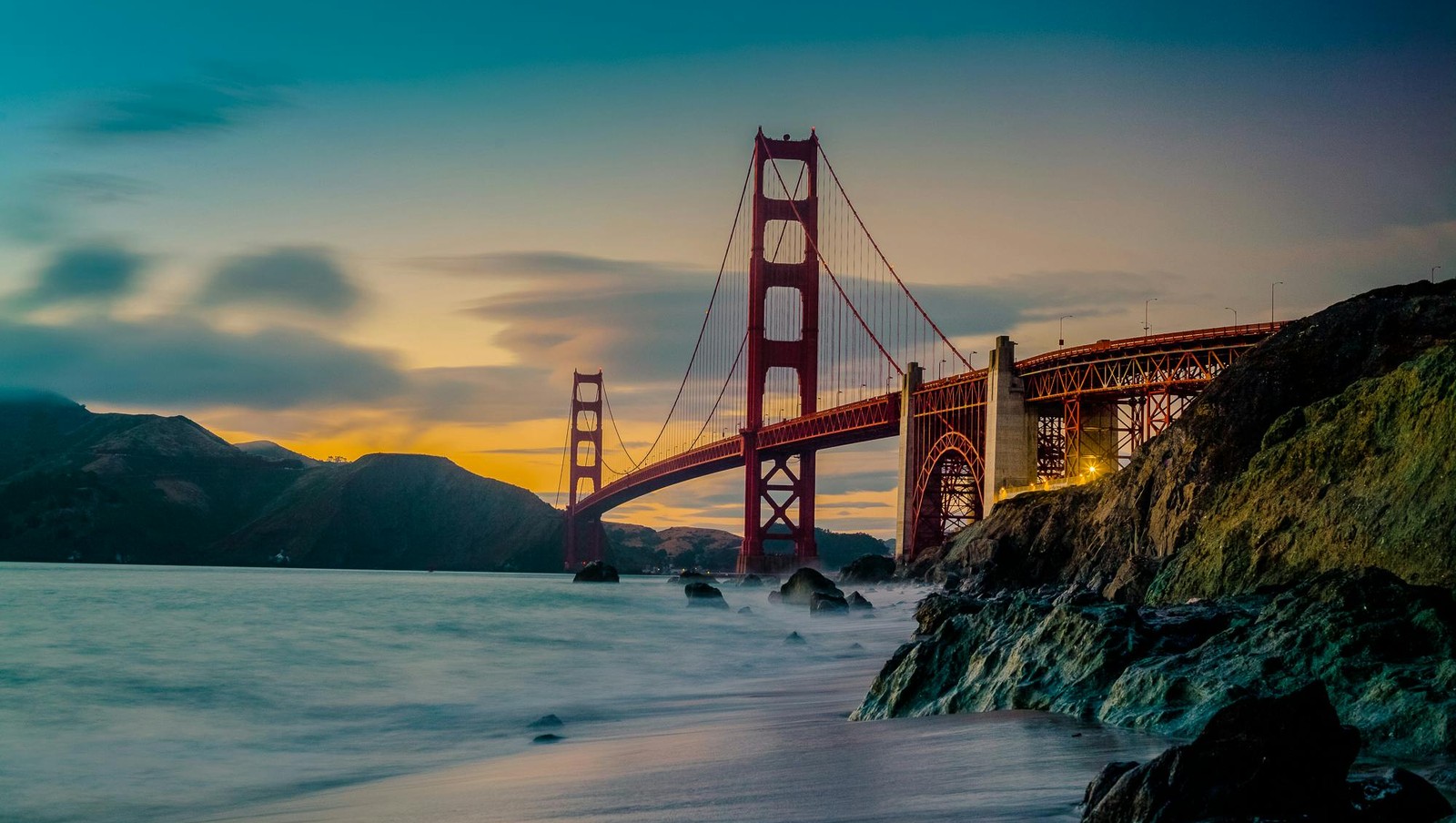
Image: zoe pappas

California inspires big dreams and even bigger expectations. Beaches that stretch forever, celebrities roaming freely, and the long-standing promise that anyone can "make it" there. But as much as the Golden State shines, it also carries a bushel of myths that don’t survive contact with reality. Ready for a myth-busting tour?

1
The entire coastline is made of glorious sandy beaches
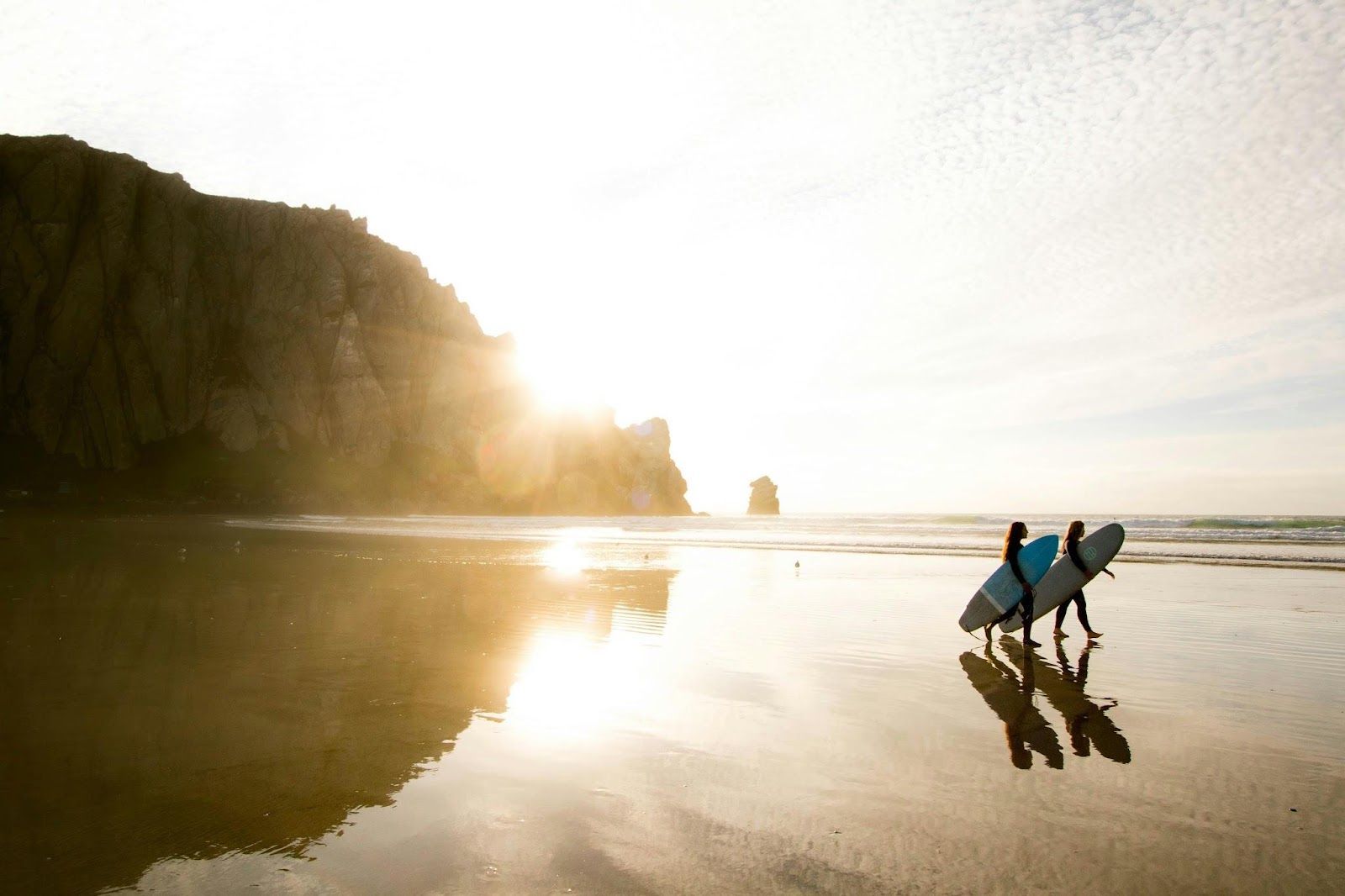
Image: Jeremy Bishop

California’s coastline is long, gorgeous, and wildly varied. Much of it is dominated by cliffs, rocky shores, and chilly waters. Even many popular beaches require a wetsuit if you actually want to get in the water.

Yes, some stretches are ideal for volleyball and sunbathing, but others are better suited to photography.

2
Celebrities are everywhere and happy to mingle

Image: Bibi

It’s tempting to imagine Los Angeles as one giant red-carpet event, but daily life looks a lot more ordinary. Celebrities tend to live in gated communities, travel in private cars, and pick very discreet places to relax.

You might spot one, but you’re far more likely to meet tourists looking for celebrities than actual celebrities themselves.

3
Move to Hollywood and become a star overnight

Image: Edgar Colomba

Hollywood is full of dreamers, but most of them are hustling on the side, waiting tables, doing gig work, and going to audition after audition.

Fame is rarely instant. It’s more like a very long, very competitive marathon that most people don’t see unless they live there.

4
Move to Silicon Valley and become an overnight startup whiz
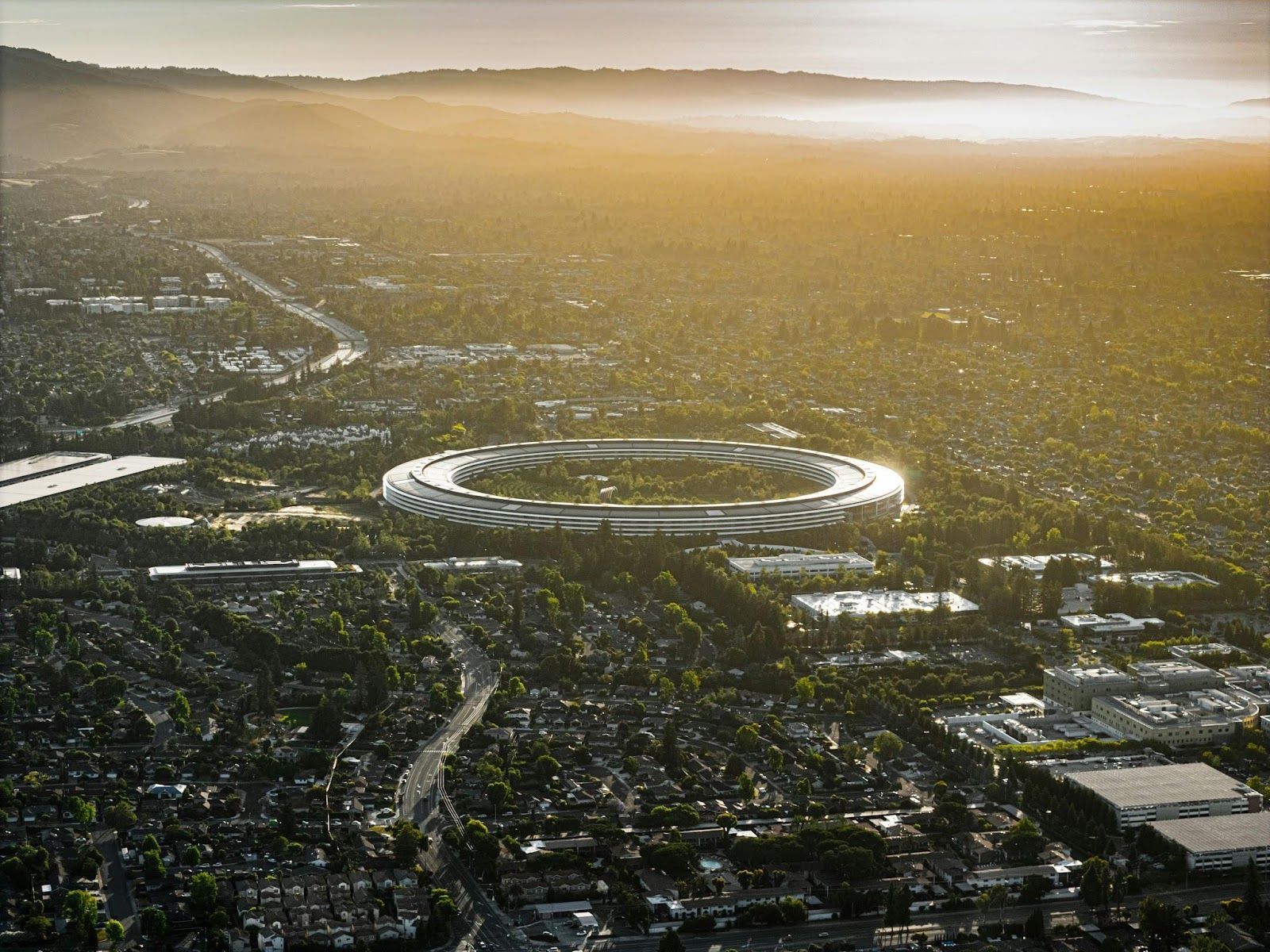
Image: Nils Huenerfuerst

It’s true that Silicon Valley is packed with entrepreneurs and investors. But it’s also full of failed startups, intense work schedules, and fierce competition.

Raising money is tough, building a product is tougher, and surviving long enough to succeed is almost heroic. The myth of "instant unicorn status" is just like the myth of instant movie stardom.

5
The weather is sunny and perfect year-round

Image: Roberto Nickson

California’s climate varies dramatically. Coastal fog in the Bay Area can last all day, winter rainstorms sweep through the north, inland valleys hit triple-digit heat, and wildfire season is a yearly threat.

6
Traffic is terrible, everywhere
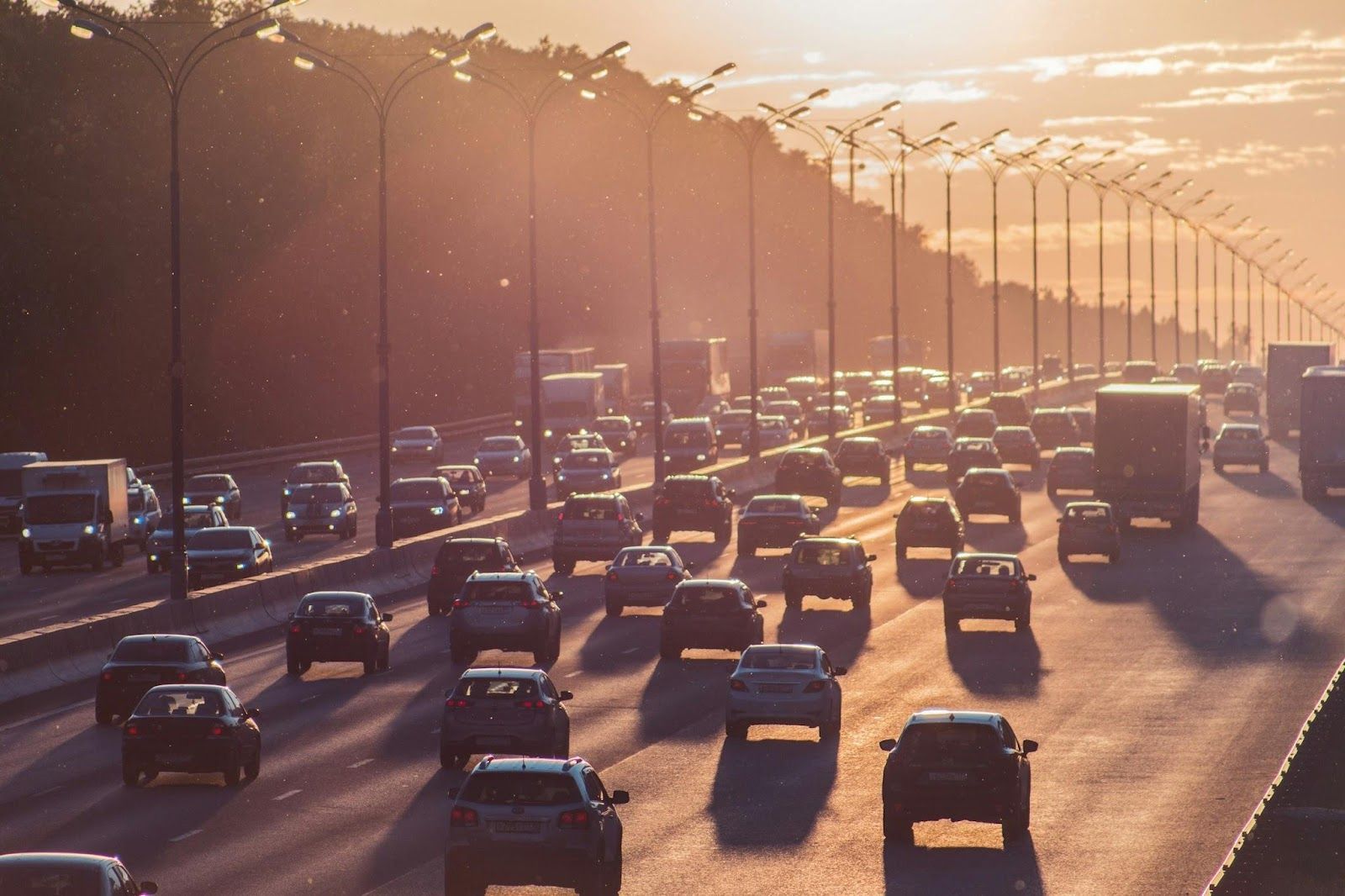
Image: Aleksandr Popov

The traffic horror stories from Los Angeles are quite real, but they’re not universal. California is huge, and plenty of mid-sized cities and rural areas have perfectly manageable commutes. Even in LA, traffic ebbs and flows.

7
Californians go to Disneyland every other weekend
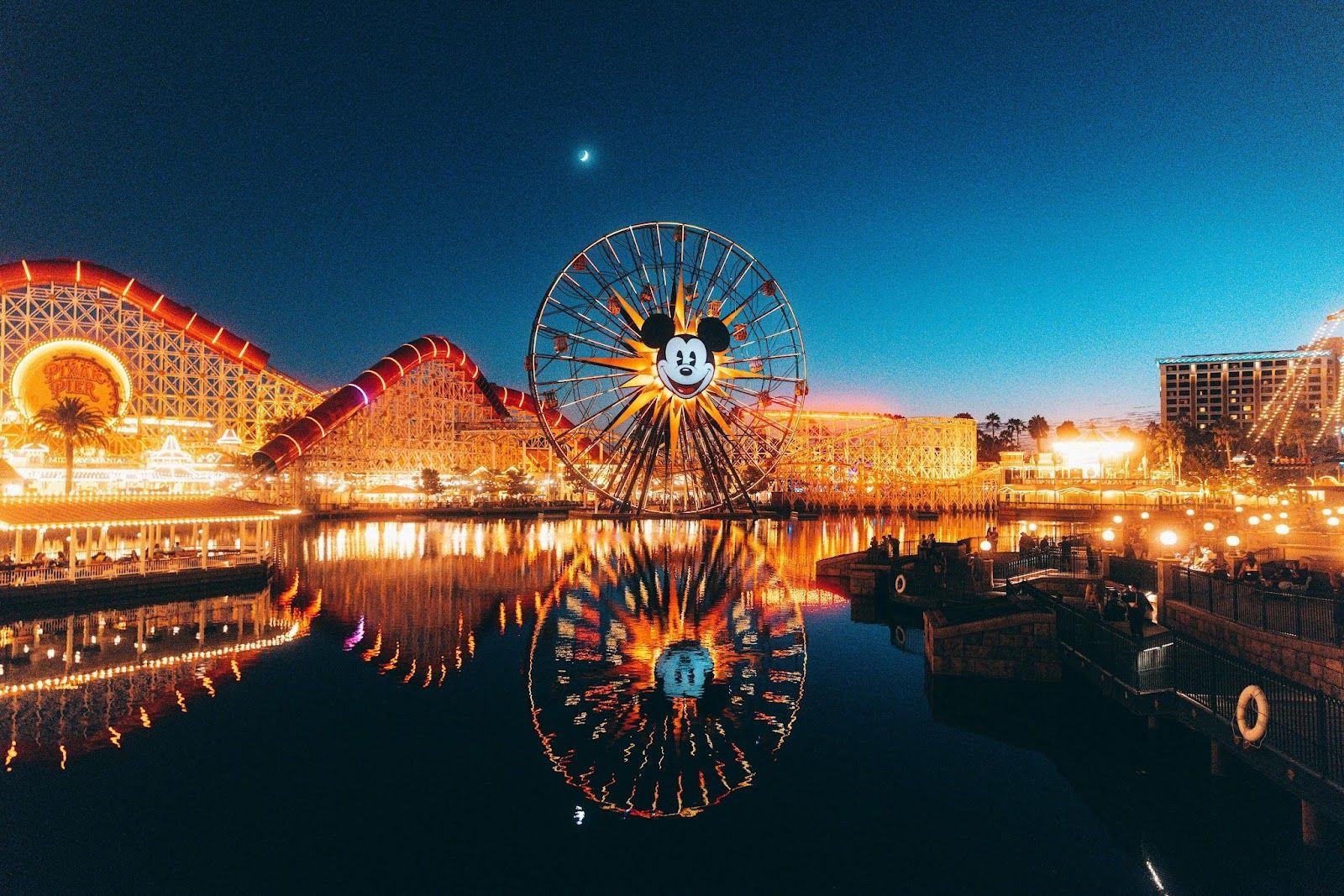
Image: Isaac Garcia

Disneyland may be magical, but it’s also expensive, crowded, and logistically complex. Most residents go once in a while, not as a biweekly ritual. Sure, annual passholders exist, but they’re the exception.

8
You’ll find palm trees everywhere
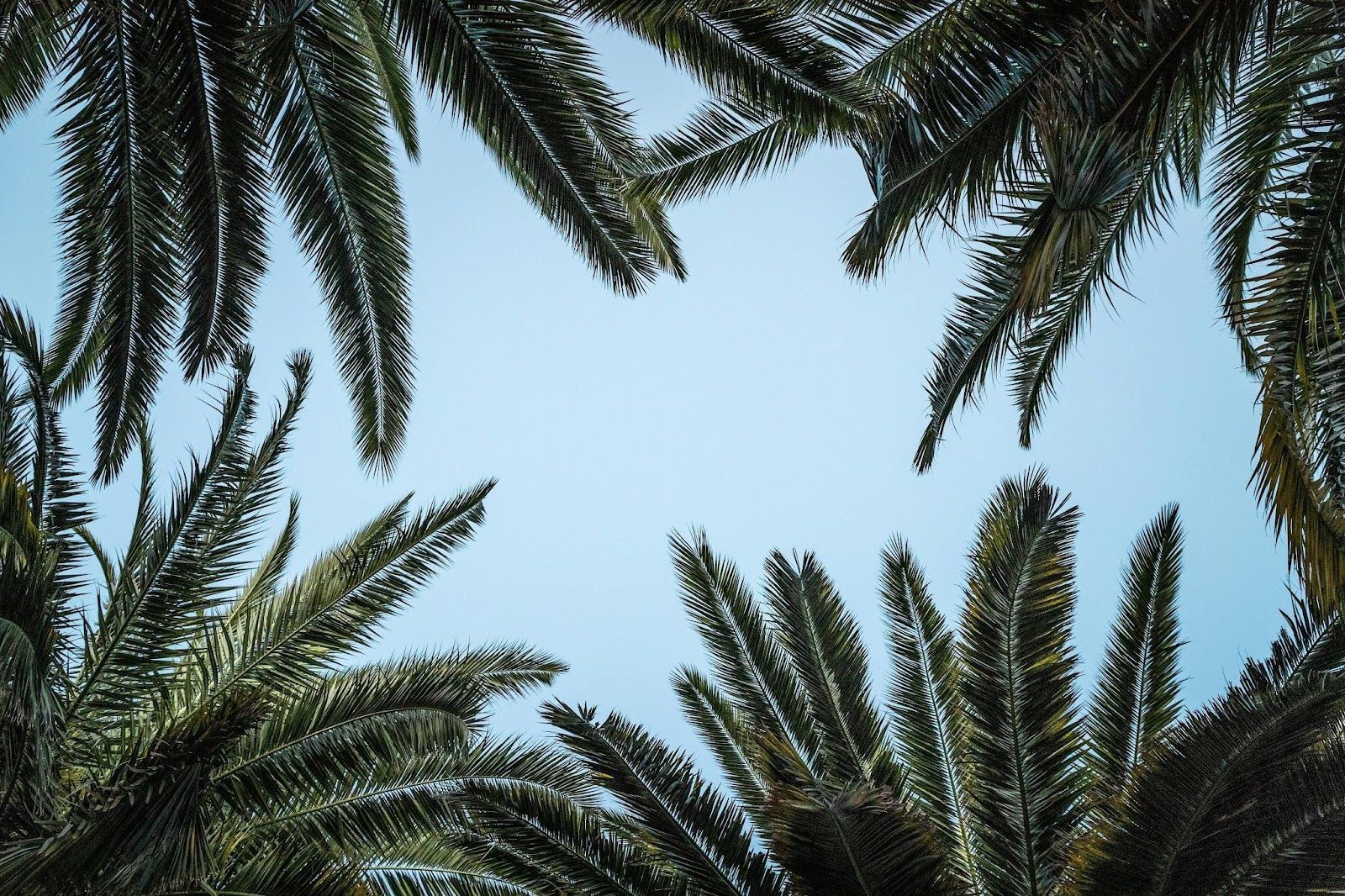
Image: Mitchell Luo

Palm trees are iconic, but they’re not the dominant tree across the state. Many were imported, and Los Angeles’ famous palms are aging out and not being widely replaced. Walk outside the major tourist zones, and you’ll see oaks, pines, sycamores, and far fewer "tropical vacation" vibes than the postcards suggest.

9
Movies are being filmed on every corner
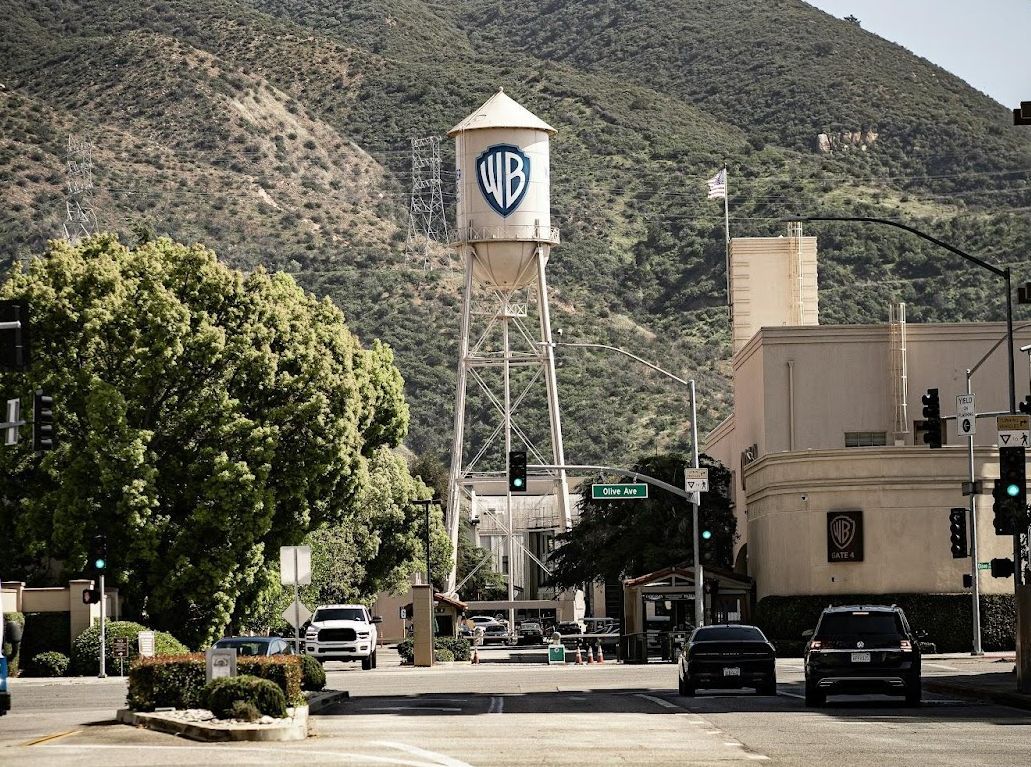
Image: clement proust

You may stumble across a film crew once in a blue moon, but the vast majority of production happens on studio lots or in specifically chosen neighborhoods. Filming permits are expensive, traffic control is complicated, and spontaneous street-corner movie shoots aren’t as common as people think.

10
Everyone is a surfer
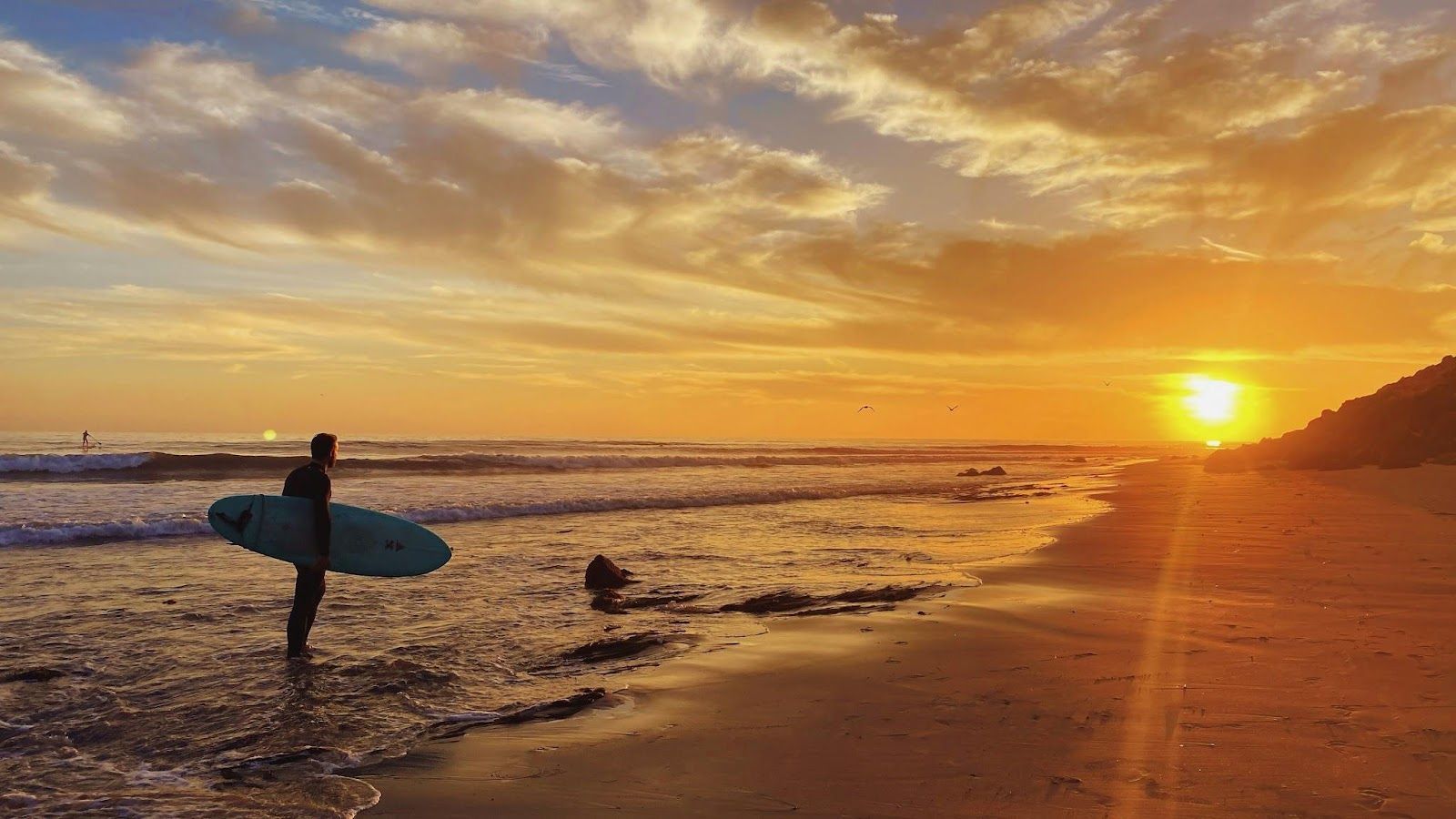
Image: Jacob Steckmann

Surfing is a proud part of California culture, but not a universal one. Many residents have never touched a surfboard, and the cold Pacific waters can be intimidating even for the brave. The idea that everyone wakes up, grabs a board, and runs to the beach is more Hollywood montage than real life.

11
Everyone lives close to the ocean
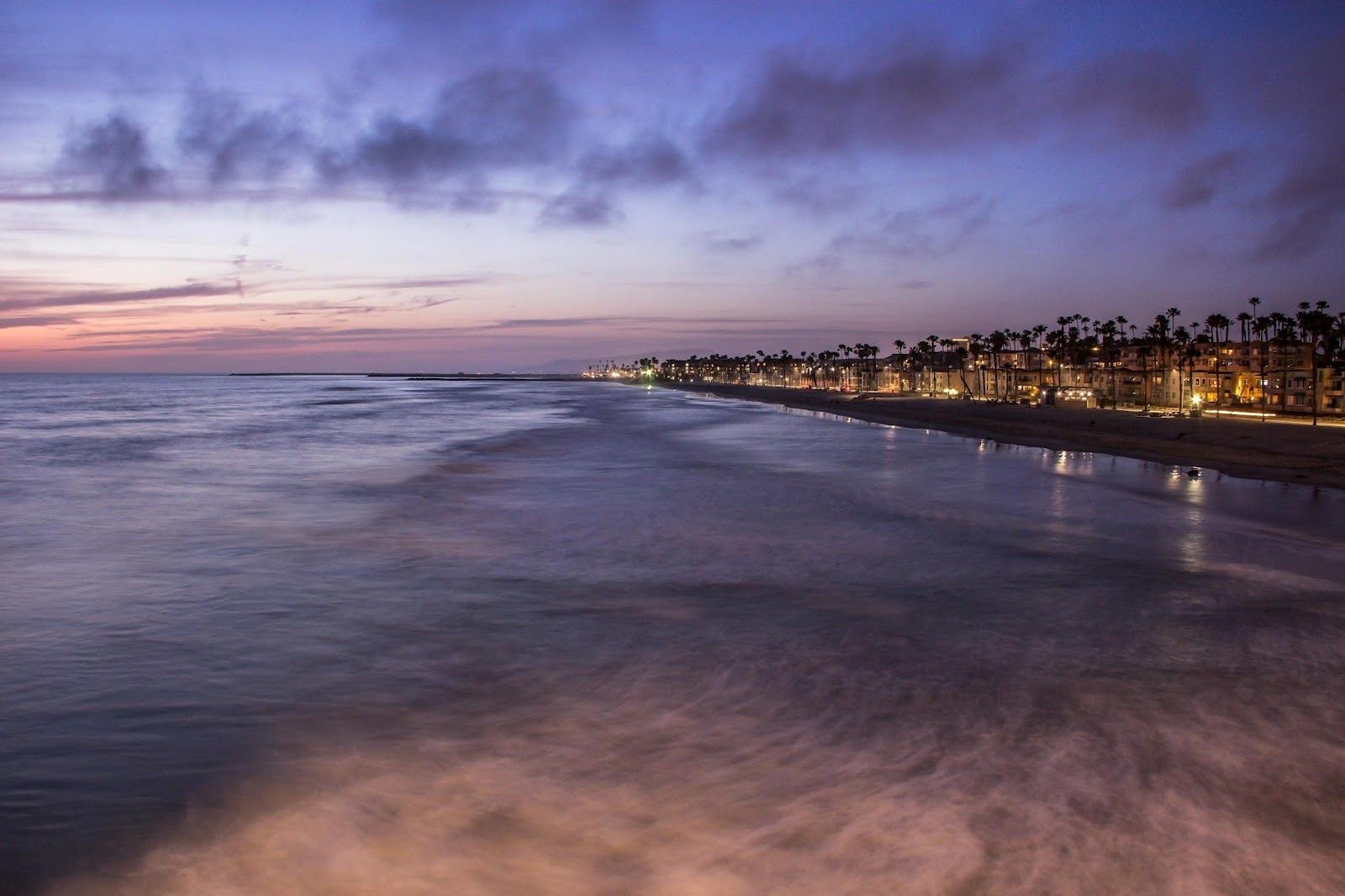
Image: Jonathan Schmer

California’s population is spread across vast inland regions, including the Central Valley, Sacramento, and the Inland Empire, which are all hours away from the coast. Plenty of Californians only see the ocean during vacation.

12
The food is all organic, clean, and hyper-healthy

Image: Jannis Brandt

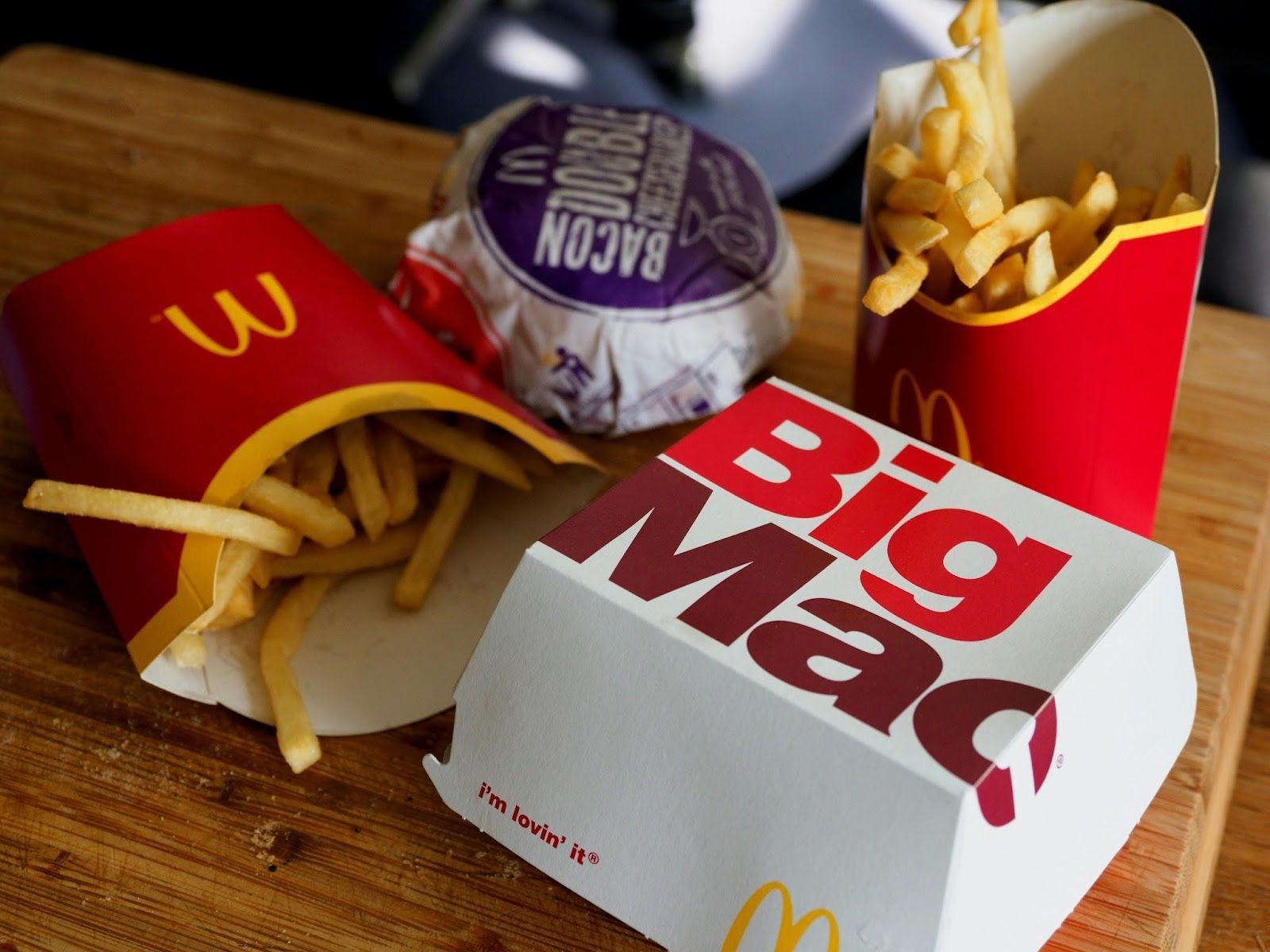
Yes, you’ll find green juices, vegan cafés, and farm-to-table everything. But California is also home to drive-thrus, giant burritos, and some of the most indulgent comfort food around. The "everyone eats quinoa and sunshine" trope doesn’t hold up once you explore beyond the trendy spots.

13
Everyone commutes by bike, skateboard, or electric scooter

Image: Hiboy

It looks cool in TV shows, but in reality, most Californians commute by car. Public transportation is limited outside a few areas, and long distances make biking impractical for many.

14
Everything in California is incredibly expensive
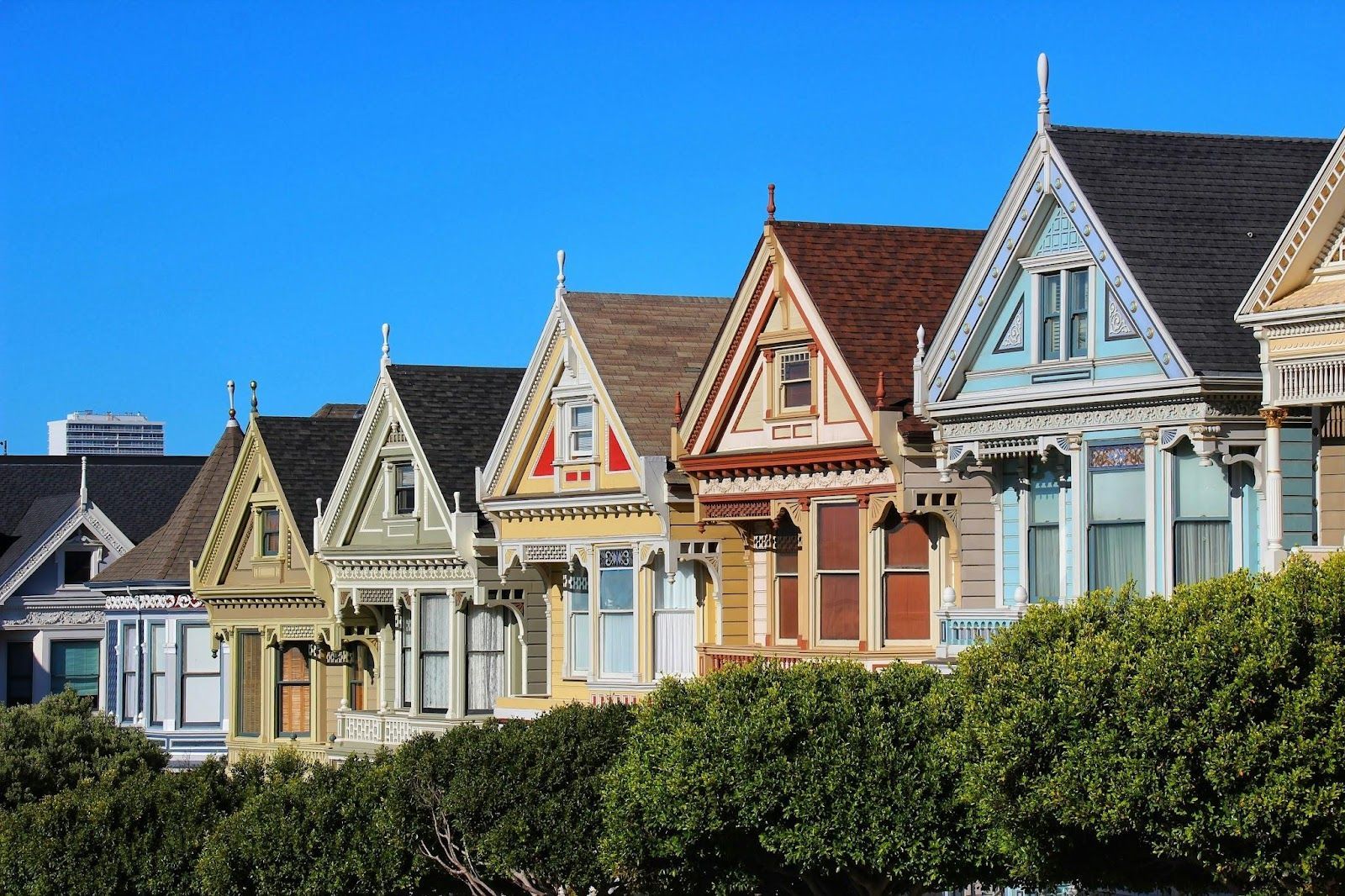
Image: Martin Zenker

Housing in places like San Francisco is famously pricey, but California also includes smaller cities and rural communities where the cost of living is much closer to the national average.

History History 3 min read

Alternative history

The strange tale of Deseret—and other U.S. states that almost were

Image: Chris Lawton

Ever looked at a U.S. map and thought it could use a few adjustments? You wouldn’t be the first. Over the past 250 years, dozens of proposed states nearly joined the Union —born from bold ideas, local rebellions, or just geographic quirks. While none made it through Congress, they left fascinating marks on American history. From the mysterious lost state of Deseret to the proposed Native American haven of Sequoyah, here are 10 would-be states that nearly carved out a place in the stars and stripes.

1
Franklin

Image: Brett Wharton

Also known as the Free Republic of Franklin or the State of Frankland, this short-lived territory in eastern Tennessee declared independence from North Carolina in 1784. Its founders even petitioned Congress and appealed to Benjamin Franklin for support—hence the name—but it never gained official recognition.

By 1788, the movement had collapsed, and the area was reabsorbed into North Carolina before eventually becoming part of Tennessee in 1796. Today, the "State of Franklin" lives on mostly in U.S. law school exams as a fictional stand-in for a generic state —often where the imaginary property Blackacre is located.

2
Jefferson

Image: Shelby White

This proposed state has its origins in the 19th-century California Gold Rush, when settlers in the remote, resource-rich region between northern California and southern Oregon pushed for self-governance.

Though their efforts were largely ignored, the movement resurfaced over time. In 1941, frustrated locals staged a symbolic one-day secession. Armed men stopped traffic near Yreka, handing out a Proclamation of Independence declaring the State of Jefferson in "patriotic rebellion" and vowing to "secede every Thursday until further notice."

3
Deseret

Image: SoloTravelGoals

Proposed by Mormon settlers in 1849, the State of Deseret would’ve spanned a massive portion of the West. The name Deseret is derived from the word for "honeybee" in the Book of Mormon, and the vision was of a theocratic state encompassing parts of present-day Utah, Nevada, Arizona, and beyond.

Congress denied the proposal due to its size and religious nature, but a stone donated by Deseret’s supporters in 1853 was still placed in the Washington Monument.

4
Sequoyah

Image: MJ Tangonan

Proposed in 1905, this would’ve been a Native American–majority state in what is now eastern Oklahoma. Despite extensive lobbying by representatives of the Five Civilized Tribes, Congress refused, preferring a single Oklahoma Territory.

Despite its failure, the proposed state’s constitution left a lasting legacy —much of its content was later adopted into the Oklahoma Constitution.

5
Absaroka

Image: Michael Bourgault

Named after the Crow word for "children of the large-beaked bird," the State of Absaroka was proposed in 1939. Comprising parts of Wyoming, Montana, and South Dakota, the idea emerged mainly as a protest against New Deal policies, which were deeply resented by the rural population.

Leaders of the movement even issued license plates, but the effort never gained serious traction and remained a largely symbolic gesture.

6
Westsylvania

Image: Matthew Lancaster

Proposed during the Revolutionary War, Westsylvania would have been a new state formed from the western parts of Virginia and Pennsylvania . Backwoods settlers, feeling neglected by distant colonial governments, sought self-governance.

However, Congress rejected the plan to avoid stirring further conflict during wartime.

7
Superior

Image: Mikaela Charette

With such a strong regional identity, it was perhaps inevitable that Michigan’s Upper Peninsula would eventually seek statehood. Efforts began as early as the 1850s and resurfaced repeatedly due to the region’s political and economic isolation.

Another proposed name for the state was Ontonagon. Despite these repeated attempts, the Upper Peninsula remained part of Michigan.

8
Lincoln

Image: K. Mitch Hodge

Named for Abraham Lincoln, this proposed state would have split the Texas Panhandle from the rest of the state. Throughout the 1860s and again in the 1880s, residents of the Panhandle and surrounding areas sought separation due to the region’s distance from Austin and cultural differences.

While none of the proposals gained enough federal support, residents of the area still feel distinct today and take pride in their unique identity.

9
Texlahoma

Image: Tommy Bond

Another failed attempt at carving out part of one of the largest states in the U.S., the State of Texlahoma would have—as its name suggests—combined portions of Texas and Oklahoma into a single state.

The push for autonomy was especially strong during the Dust Bowl, when a shared economy and perceived neglect by local governments united residents of both regions.

10
Columbia (D.C. Statehood)

Image: Heidi Kaden

Washington, D.C., has long been considered for statehood under the name of Columbia . Multiple bills and referenda have tried to turn the federal district into the 51st state, as residents pay federal taxes but lack voting representation in Congress.

Despite strong support among D.C. residents, the idea has yet to gain serious traction at the national level.

Geography Geography 4 min read

YOU CAN HAVE YOU CAKE AND EAT IT TOO

Mountain holidays for beach lovers: 10 American spots that have it all

Image: Brand Barmore

The eternal argument of whether to spend the holidays sunbathing on the beach or hiking in the mountains can be elegantly avoided if one of the following ten spots enters the discussion. These are magical landscapes where water, beaches, and mountains, or steep, forested hills, create a picturesque environment for the lucky visitor. Read on to find out where your next vacation could be.

1
Ventura County, California

Image: Paul Hanaoka

A place that hosts the annual Mountains 2 Beach Marathon is a sure bet if you are looking for a place that combines mountains and beaches. Mountain hiking and the classic California coastline lie within 26.2 miles of each other. Located northwest of Los Angeles, Ojai sits in a valley, and the village is dotted with art galleries, farmers markets, and high-desert hikes in the nearby Los Padres National Forest.

When the season is right, many trails can be followed through scrubland, sometimes revealing cascading waterfalls along the Rose Valley Falls Trail. But for waves, visitors head downhill to Ventura, a classic coastal town.

2
Westmoreland State Park, Virginia

Image: Alex wolf mx

Westmoreland State Park in Virginia was established in 1936 by the Civilian Conservation Corps. Covering 1,299 acres, the park offers sweeping vistas of the coastal plain and the Potomac River.

You can hike, boat, swim, camp, or fish in the majestic wilderness. And if you’re looking for an amazing view of the area, you can head to the natural attraction of Horsehead Cliffs, which rests high above the water.

3
Astoria, Oregon

Image: Nils Huenerfuerst

Oregon is likely one of the first states that come to mind when we think of a combination of beach and mountain. The coastal town of Astoria sits at the estuary of the Columbia River and the Pacific Ocean. It is perhaps most famous as the filming location of the 1980s film The Goonies .

The Pacific Northwest’s beaches have a picturesque quality that is hard to find elsewhere. Hiking trails are just outside the backdoor: the Cathedral Tree-Coxcomb Hill Trail, for example, starts at a 300-year-old Sitka spruce and climbs 164 stairs to offer views of the town, the Coastal Range, and the Pacific Ocean.

4
Herring Cove Beach, Massachusetts

Image: Quino Al

Herring Cove Beach is a national seashore located in Cape Cop and it’s recognized as part of the Cape Cod National Seashore. It’s a popular spot among Provincetown locals featuring warm, calm waters flowing from the Atlantic Ocean.

Activities in the area include swimming, walking along the coastal dunes, or exploring the Beech Forest Trail via bike or on foot.

5
Lake Tahoe, California, and Nevada

Image: Tim Peterson

A familiar name and for good reason, Lake Tahoe offers a beautiful shoreline without being anywhere near the coasts. Destinations like Sand Harbor Beach feature wide expanses of sand, freshwater swimming areas, and beach coves dedicated to snorkelers and divers.

This is the largest alpine lake in the U.S., so the pine-studded hills of the Sierra Nevadas practically tumble into the waters. This makes hiking easily accessible. The Rubicon Trail traces the shores of Emerald Bay and features incredible panoramic views, cliffs, coves, waterfalls, and even a lighthouse along the 13-mile round-trip route.

6
Fort Wetherill State Park, Rhode Island

Image: Praswin Prakashan

Located in Rhode Island, Fort Wetherill State Park is known for its historical significance in controlling the East Passage of Narragansett Bay. During the colonial era, a strategic battery was established to control this passage.

Because of its coastal location, the fort was also used during World War II. Nowadays, visitors come to explore this park and its coastal fort, which perches high atop granite cliffs.

7
Chimney Bluffs State Park, New York

Image: Frank Eiffert

Chimney Bluffs State Park is the spot where colossal rocky spires meet calm, collected waters. This park in New York sits along Lake Ontario on the south shore. To get a good view of the stunning chimney peaks and formations, you should hike the Chimney Bluffs Trail. The park is pet friendly too, so you can bring along your furry friends for the ride.

8
Calvert Cliffs State Park, Maryland

Image: Gary Cole

Calvert Cliffs State Park is not only one of the few parks with both mountains and ocean but it also displays a prized collection of 600 prehistoric fossil species. Between 10 and 20 million years ago, the cliffs at the park were submerged under the sea. But as the water receded, erosion and exposure of the cliffs occurred, unveiling massive fossils.

Visitors can walk, lounge at the soft sandy beach, investigate these fascinating fossils, trek near forested treelines, or admire the unusual cliffs that extend along the Calvert Peninsula.

9
Echo Lake State Park, New Hampshire

Image: Aaron Burden

Echo Lake State Park boasts two stunning ledges: White Horse Ledge and Cathedral Ledge, as well as a lake called Echo Lake. Each of these spots features scenic views of the area and top-notch sites for a family picnic. You can swim, walk, or hike the White Horse Ledge Loop Trail, a 3.1-mile loop.

10
Acadia National Park, Maine

Image: Peregrine Photography

Alongside Oregon parks, Acadia National Park is a prime example of a place that combines mountainous and seaside ambiance. Situated along the Atlantic coastline in Maine, it’s no wonder this impressive scenery attracts visitors for all types of recreational experiences, especially during the fall.

Rocky beaches, towering granite peaks such as the famous Cadillac Mountain, and miles and miles of natural treasure troves perfect for hikers are among the many features this park has to offer.

Explore more American facts

Choose your favorite category!

General
General

As American as apple pie—the very best America has to offer!

Culture
Culture

Delve into the astounding richness of American lore.

Geography
Geography

Hop in and explore vast and diverse American landscapes.

History
History

Discover the key moments that shaped the United States.