General General 3 min read

Iconic façades

Can you recognize these architectural styles that were used in America?
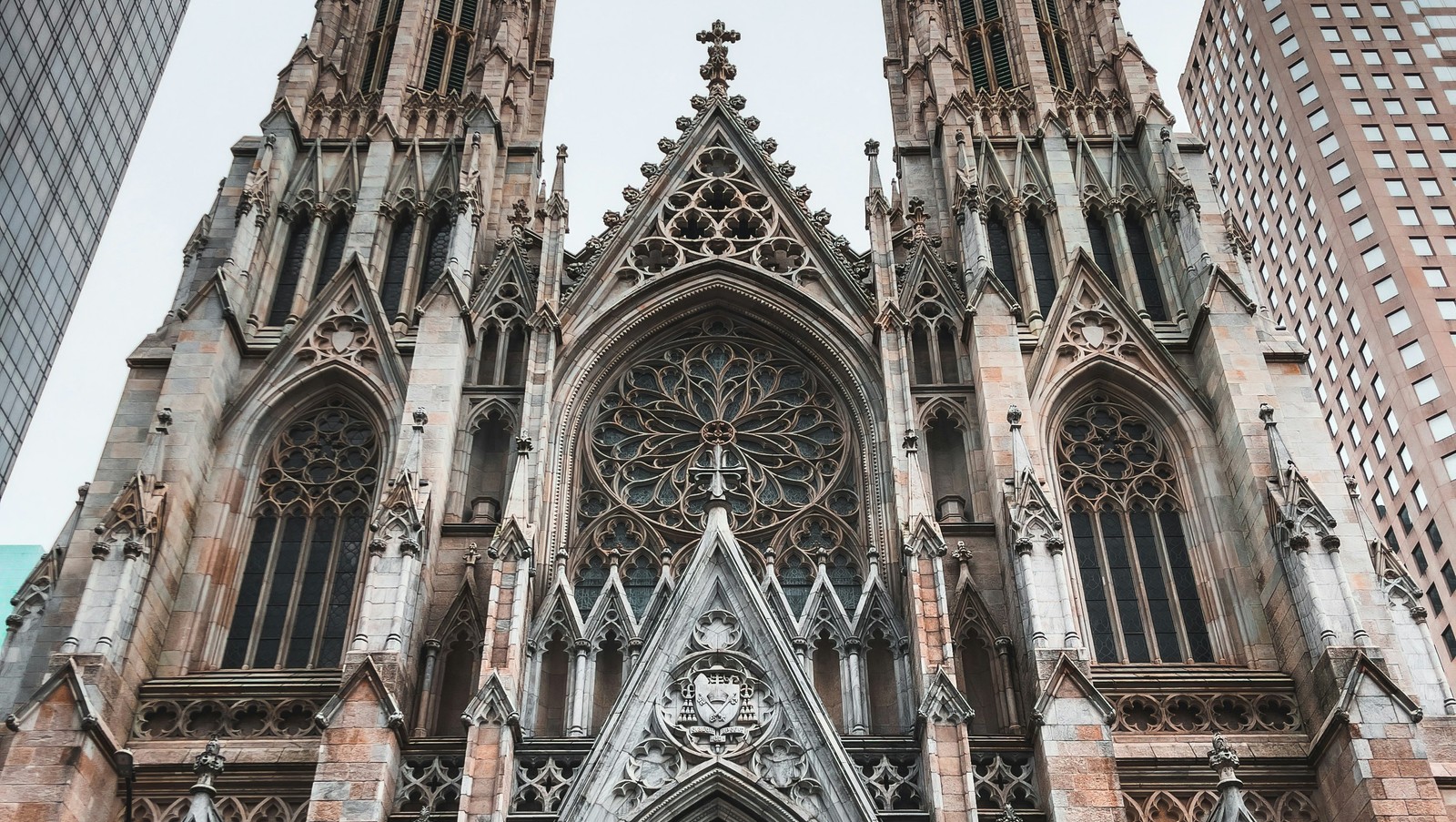
Image: Eugene Kucheruk

When you picture America’s most famous buildings , you’re also looking at a time in history. Taste, identity, and ambition all became written in stone, wood, and steel. Many eras in America left their mark in distinctive styles, from classical Greek Revival to playful Art Deco. Let’s look at famous façades from around the US and what they say about the times that built them!

1
Federal Style
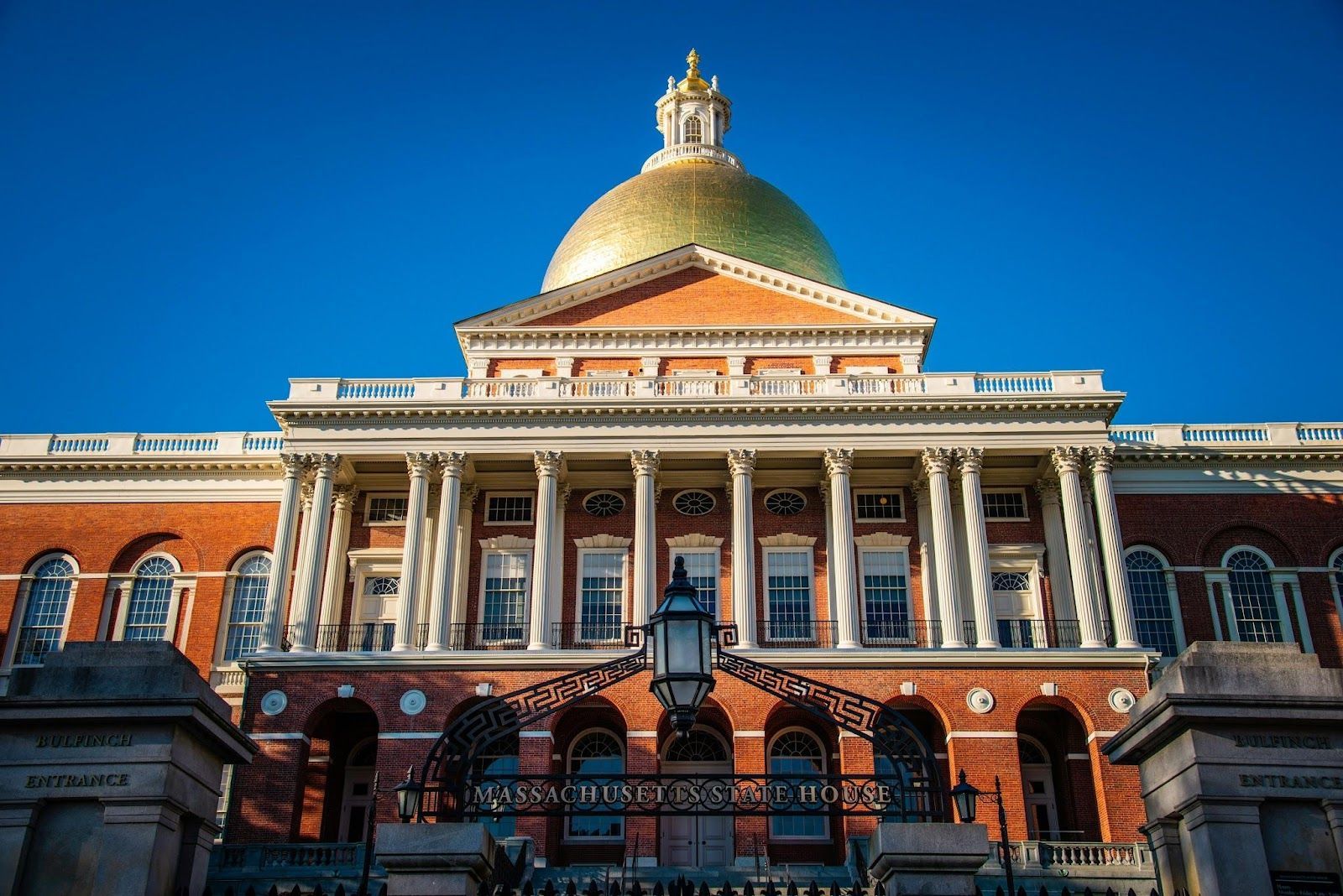
Image: Khay Edwards

It emerged after the American Revolution. The Federal style gave the young nation its first distinctly American architectural voice. You can recognize it for its symmetry, fanlights above doors, delicate columns, and Palladian windows.

Famous examples include the Massachusetts State House in Boston and early townhouses in Washington, D.C.

2
Greek Revival
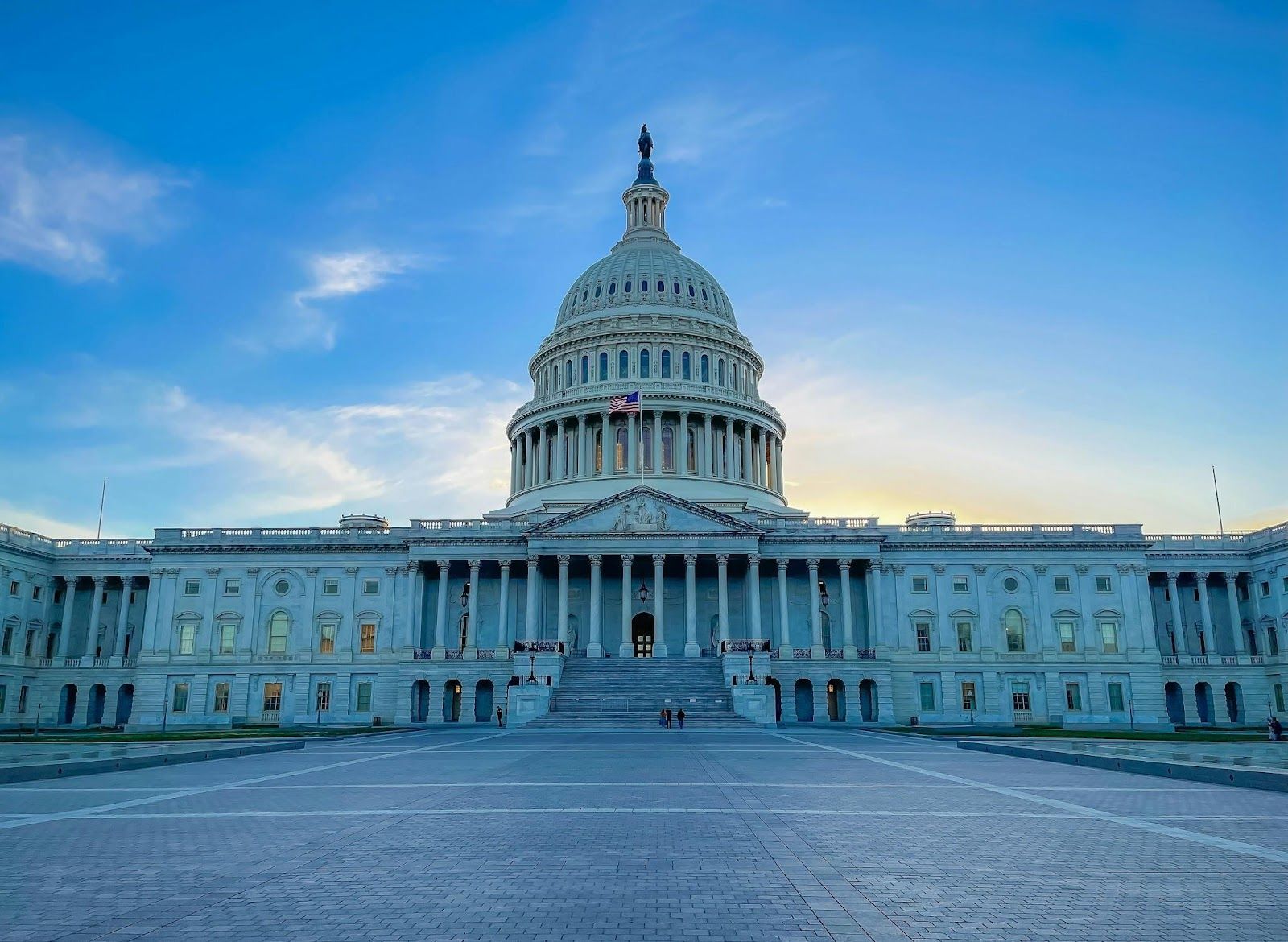
Image: Wilmer Olano

The U.S. Capitol is a hallmark example of the Greek Revival style. In the early 19th century, Americans embraced this design as a symbolic nod to democracy , borrowing the grandeur of ancient temples.

Tall Doric or Ionic columns, triangular pediments, and white-painted façades became common in courthouses and banks.

3
Gothic Revival
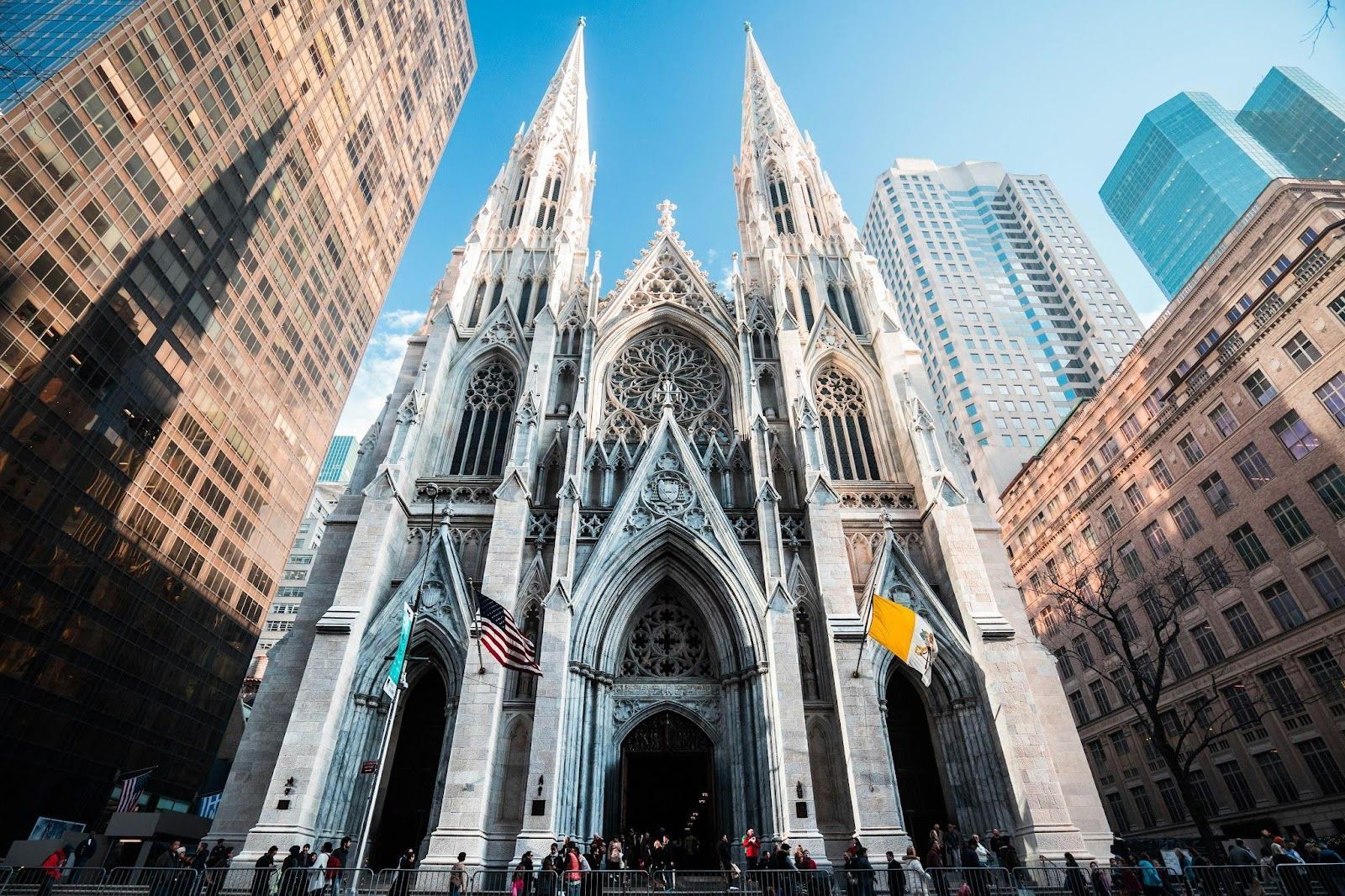
Image: Joseph Barrientos

Pointed arches, steep gables, and intricate wooden trim turned homes and churches into miniature medieval castles. The Gothic Revival style brought a romantic, storybook quality to American landscapes in the mid-1800s.

New York’s Trinity Church is a famous example of this style’s grandeur.

4
Italianate
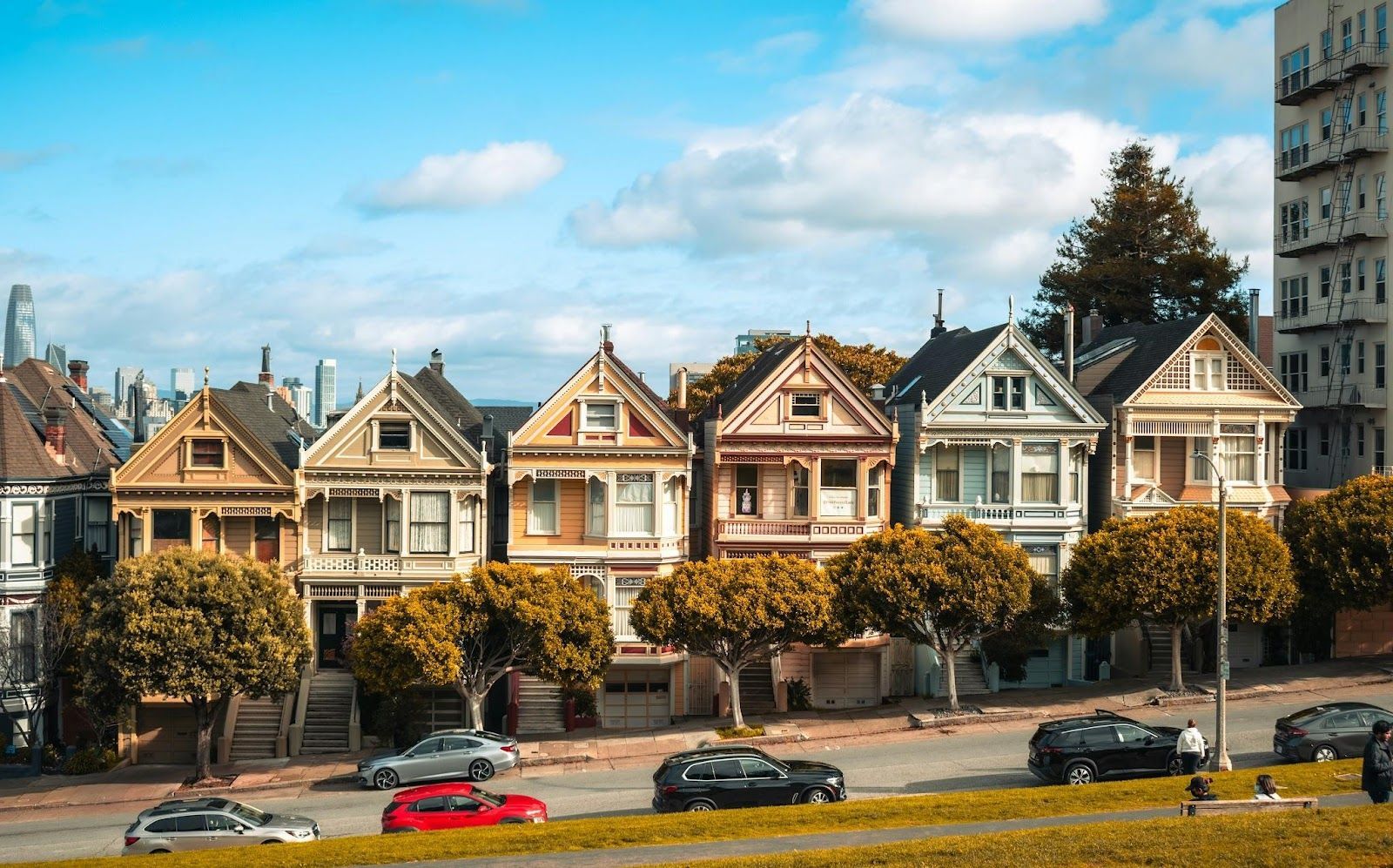
Image: Nikhil Mistry

By the mid-1800s, Italianate houses became a staple in American cities, drawing from the romantic look of Italian villas. They feature low-pitched or flat roofs, wide eaves with ornate brackets, and tall arched windows.

San Francisco’s "Painted Ladies" rowhouses are iconic examples. This style was rooted in European design, but it flourished in the U.S. as an urban favorite for middle-class families.

5
American Craftsman

Image: Sieuwert Otterloo

Born from the Arts and Crafts movement, the Craftsman style celebrated simplicity , natural materials, and honest workmanship. Low-pitched gabled roofs, exposed beams, wide porches, and built-in furniture became trademarks.

Pasadena’s Gamble House is one of the best-known examples.

6
American Foursquare
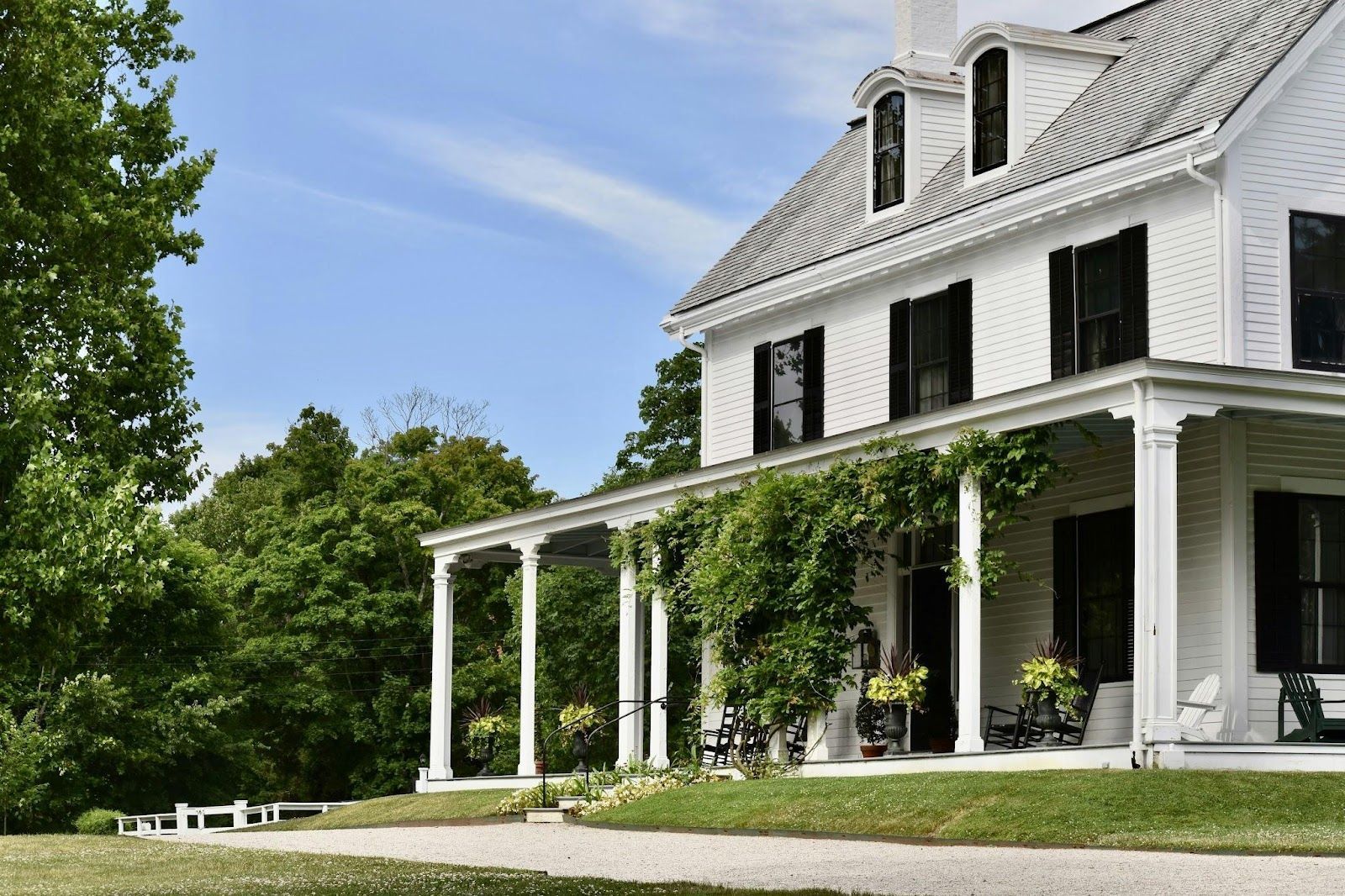
Image: Praswin Prakashan

Practical and no-nonsense, the American Foursquare dominated neighborhoods from the 1890s through the 1930s. Its hallmark was a simple boxy shape with four rooms per floor, a wide front porch, and a hipped roof with a central dormer.

Chicago and Midwestern towns saw countless examples rise quickly thanks to mail-order kits from Sears. It became the quintessential "everyman’s house."

7
Prairie School
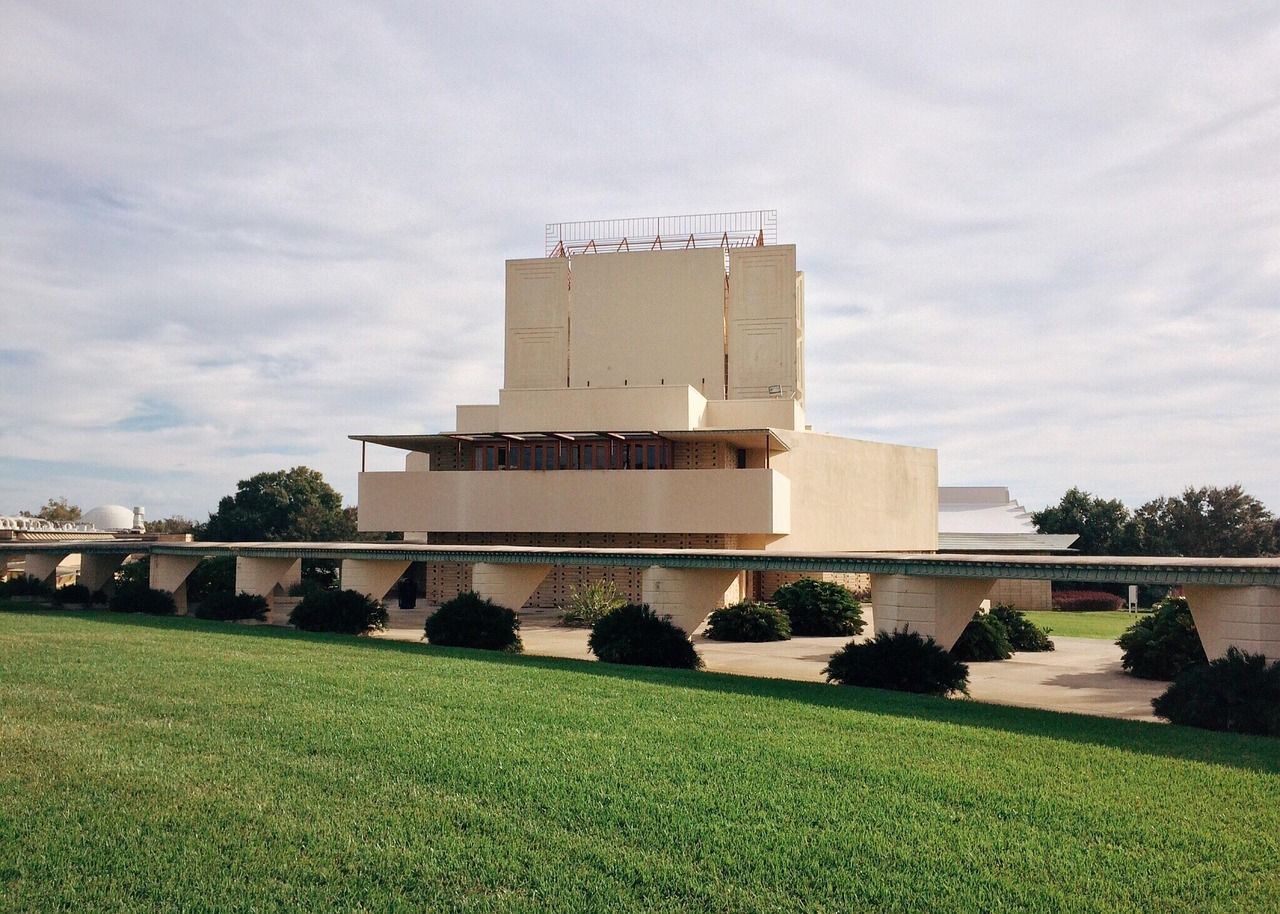
Image: WOKANDAPIX

Frank Lloyd Wright and his contemporaries pioneered the Prairie School, reshaping American architecture at the turn of the 20th century. Its designs emphasized horizontal lines, low-pitched roofs, open interiors, and harmony with the landscape.

Wright’s Robie House in Chicago is a textbook example. The style was deeply tied to the Midwest, reflecting its wide, flat horizons.

8
Mission Revival
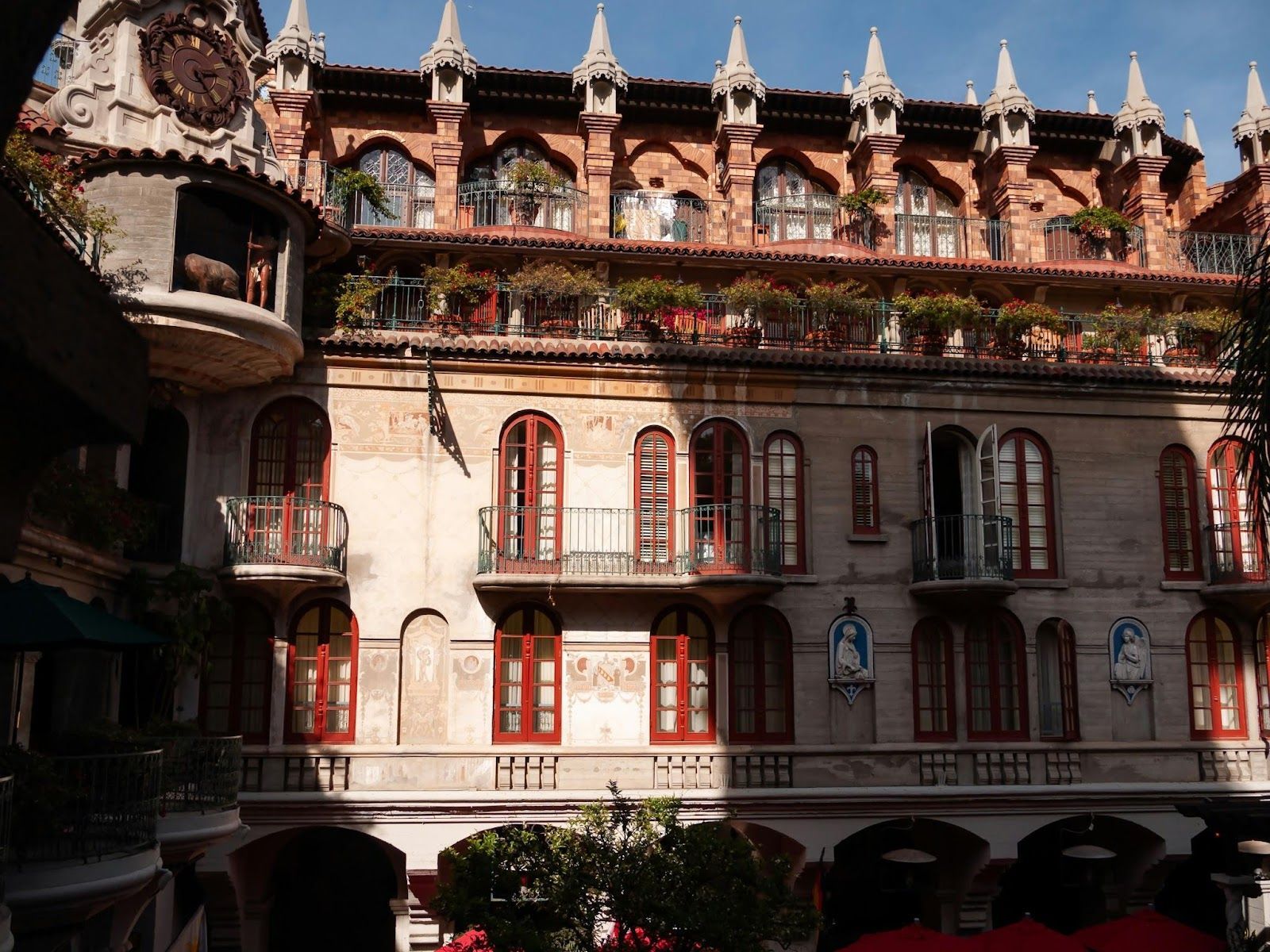
Image: Jim Witkowski

Inspired by California’s Spanish missions , Mission Revival emerged in the late 19th century with stucco walls, red tile roofs, arches, and bell towers. Iconic examples include the Mission Inn in Riverside, California, and numerous railway hotels in the Southwest.

It became especially popular in California and the Southwest for homes and public buildings.

9
Art Deco

Image: William Wachter

Though the Art Deco style was born in France, some of the world’s most famous representative buildings stand in America. The details of New York’s Chrysler Building are a clear example, with sleek, geometric forms, vertical emphasis, and stylized ornamentation.

The Empire State Building and the Miami Art Deco District are other remarkable examples.

10
Ranch

Image: Brian Wangenheim

The Ranch style spread across postwar suburbs, focused on casual, single-story living with long, low profiles and open floor plans. Large windows and sliding glass doors connected indoor spaces to backyards.

Classic examples appear throughout California, such as Eichler homes in the Bay Area.
Culture Culture 4 min read

Play ball!

From Babe Ruth to Joe DiMaggio, discover these 10 baseball legends!

Image: Mark Milbert / Ben Hershey

There’s a reason baseball is known as ** America’s pastime **—it’s more than just a sport. From its endless excitement to its rich traditions, baseball has shaped American culture for over two centuries. But what makes baseball so special? While we can’t fully answer such a big question in this short article, we’ll do our best by highlighting 10 of the most remarkable players, moments, and fun facts this beloved sport has to offer. So sit back, enjoy, and discover these 10 amazing aspects of baseball. Play ball!

1
Babe Ruth

Image: Diana Polekhina

Who better to start this article than The Sultan of Swat himself? Babe Ruth is the closest thing to baseball royalty, arguably the most famous player in American history. Born George Herman Ruth in 1895, he showcased his talent early on: By 19, he had signed with the Baltimore Orioles but was soon sold to the Red Sox. However, it was after joining the New York Yankees that the Bambino truly made his mark, becoming what many consider the greatest baseball player of all time .

2
The Curse of the Bambino

Image: Steshka Willems

Remember when we mentioned that the Red Sox sold Babe Ruth to the New York Yankees ? We forgot to highlight a rather infamous detail: For many fans, this transaction sealed the fate of the Boston-based team, subjecting them to an 86-year championship drought known as The Curse of the Bambino . According to believers, the controversial sale doomed the Red Sox , who had won five of the first fifteen World Series before Ruth’s departure. Fortunately, the team finally broke the curse in 2004 by defeating the St. Louis Cardinals.

3
Mickey Mantle

Image: Brandon Mowinkel

When Mickey Charles Mantle was a child in Spavinaw, Oklahoma, he likely had no idea he would one day earn some of the most colorful nicknames in baseball history , including The Commerce Comet or simply The Mick . Few players have ever lived up to such titles as Mantle did. To this day, he is considered one of the greatest sluggers of all time, winning the American League MVP award three times and earning his place in the Baseball Hall of Fame in 1974.

4
Reggie Jackson

Image: Tim Gouw

eginald Martinez Jackson, better known as Reggie Jackson —or by his iconic nickname, _Mr. October_—is considered baseball royalty. Not only did he help four of the greatest teams in Major League Baseball secure multiple championships, but he also hit an impressive 563 career home runs over 21 seasons in Major League Baseball. Along the way, he earned 14 All-Star selections and won the American League MVP award in 1973. Today, Jackson serves as a special advisor to the Houston Astros, a team he helped win the 2022 World Series.

5
Have it in the bag

Image: benjamin hershey

Did you know that one of the most famous American idioms comes from baseball? To have something in the bag means being completely confident in achieving victory or a desired result. Interestingly, this phrase originates from a superstition held by the New York Giants in the 1910s. According to this ritual, if the Giants were leading late in the game, they would carry their equipment bag off the field, believing it would secure their victory.

6
Teddy Williams

Image: Josh Hemsley

Ted Williams’s greatness shouldn’t be recognized only in the world of baseball. Not that his career was anything short of formidable— Teddy Ballgame is still considered one of the greatest hitters of all time and was inducted into the Baseball Hall of Fame in 1966 . However, Williams also holds the honor of being a World War II veteran , bravely serving his country and inspiring thousands of American soldiers deployed overseas.

7
Willie Mays

Image: Lesly Juarez

If you happen to visit Queens , you’ll see that this NYC borough still reveres the name Willie Mays . During the height of his career, Mays could often be found engaged in a friendly game of stickball with neighborhood kids. Beyond his kindness, Mays was also a legendary player, and his famous over-the-shoulder catch during the 1954 World Series is still considered one of the greatest plays of all time.

8
Joe DiMaggio

Image: Winston Chen

Joe DiMaggio’s life has been the subject of many documentaries and books , cementing his status as a pop culture icon. Just think of all the songs that reference this legendary player, from Simon & Garfunkel’s "Mrs. Robinson" to Madonna’s "Vogue." In fact, his colorful life often overshadows his baseball prowess—a remarkable feat, considering DiMaggio’s career is one of the most successful in the sport’s history. Joe led the New York Yankees to 10 American League pennants and 9 World Series championships , a record surpassed only by fellow Yankee Yogi Berra.

Speaking of…

9
Yogi Berra

Image: Chris Briggs

Lawrence Peter "Yogi" Berra played 18 of his 19 MLB seasons with the New York Yankees , a team that still considers him one of the greatest players to ever wear the pinstripes. Inducted into the Baseball Hall of Fame in 1972, Yogi's exceptional skills as a catcher cemented his place in baseball history. But beyond his athletic prowess, he is also remembered for his unique way with words, famously coining phrases like, "It ain't over 'til it's over."

10
Hank Aaron

Image: Pixabay

Known by his nicknames Hammer and Hammerin’ Hank , right fielder Hank Aaron spent his legendary career representing the city of Milwaukee , first with the Milwaukee Braves (before their move to Atlanta) and later with the Milwaukee Brewers. Aaron accomplished what many thought was impossible when he broke Babe Ruth’s career home run record , a title he held for 33 years until 2007.

General General 4 min read

Do you agree with these 10 absurd rules still in existence in the U.S.?

Image: Tara Winstead

America is famous for its love of freedom, yet a few peculiar and oddly specific rules survived in dusty town codes and old state books. Some were written to solve long-forgotten problems; others simply remained by accident. What they all have in common is that they are a reflection of our quirks and contradictions. From outlawed snowballs to forbidden confetti, these 10 real bans prove that, in the land of the free, common sense sometimes just goes and take a coffee break.

1
Snowball fights

Image: Arina Krasnikova

It may sound like the premise for a coming-of-age comedy film, but it’s absolutely true: in Wausau, Wisconsin, throwing a snowball is technically against the law. The city once grouped snowballs in the same category as "stones and missiles," as if every kid with a pair of mittens were a potential threat to public safety. Of course, local police don’t patrol sledding hills looking for offenders anymore. The rule mostly lives on as a charming reminder that even winter fun can end up in the law books.

2
Camel hunting

Image: Shaun Danny

Camels in Arizona? Well, technically. Back in the mid-1800s, t he U.S. Army brought camels to the Southwest, hoping their strength and stamina would make them the perfect means for desert transport. The experiment didn’t last—soldiers preferred their mules—but the camels did, wandering off into the wild. To protect the survivors, the State of Arizona outlawed camel hunting, a law that still stands today. So if you ever spot one, grab your camera, not your hunting license!

3
Texting while walking

Image: Elizabeth Woolner

Crossing the street with your eyes glued to your phone is the 21st century’s twist on jaywalking. In Honolulu, Hawaii, that nasty habit can cost you up to $99, thanks to a local ordinance meant to curb "distracted walking." Officials say it’s about protecting pedestrians from accidents; residents jokingly call it "the eyes-up law." Whether you see it as common sense or overreach, the rule makes one thing clear: the text, meme, or emoji can wait until you’re safely on the other side.

4
Apple pie must come with ice cream

Image: Patrick Fore

Here’s a rule everyone can get behind. Vermont, proud home of rolling orchards and autumn harvests, officially crowned apple pie as its state dessert. But lawmakers didn’t stop there; they added a charming twist, recommending that each slice be served "in good faith" with a scoop of vanilla ice cream, a piece of sharp cheddar, or a glass of cold milk. It’s less a regulation and more a warm invitation to enjoy a simple American treat. Yes, the law can sometimes be fun and downright delicious!

5
Bear wrestling

Image: Florian Schindler

Believe it or not, there was a time when people thought wrestling a bear was a good idea. Traveling shows and roadside attractions once featured men squaring off against hulking bruins for cheers and pocket change. Eventually, Alabama decided it was a spectacle best to leave it in the past. In 1996, the state officially banned bear wrestling, making it illegal to train, promote, or even sell tickets to such events. Today, the law stands as a small but noble victory for animal welfare. As for the bears? They walked away undefeated, every single one of them.

6
Password sharing

Image: cottonbro studio

Before Netflix made it official, Tennessee was already ahead of the curve. Back in 2011, the state passed a law making it illegal to share passwords for paid streaming services. The rule was originally meant to stop hackers from selling stolen logins, but it ended up being a cautionary tale for the streaming wars to come. Technically, lending your password to a friend could cost you $2,500 and even land you a year in jail. What once seemed overcautious now feels oddly prophetic, almost like Tennessee read the fine print of the future.

7
Dueling

Image: Leon Kohle

If you’ve ever challenged someone to a duel—yes, the kind with pistols and a handshake at dawn—you can forget about running for office in West Virginia. The state’s constitution, written in the 1800s, includes a clause that permanently bars any duelist from holding public office. The idea was to keep gentlemen of "honor" from turning government into a shooting gallery. More than a century later, the law remains untouched, a relic of a time when reputations were defended at ten paces.

8
Roller-skating

Image: Harrison Haines

Can you imagine roller-skating being banned in your town? Back in the 1930s in Biddeford, Maine, sidewalks were sacred ground for Sunday strolls, not racetracks for daredevils on wheels. So, the city downright prohibited skating and biking on sidewalks. Believe it or not, the rule, established in a slower era when the biggest traffic hazard downtown wasn’t a speeding car, but a kid on skates, still lingers in the city code today.

9
Fishing with your hands

Image: Patti Black

Think you’re tough enough to catch a catfish with your bare hands? In Indiana, that risky stunt—known as "noodling"—will earn you more than bragging rights; it could get you fined. The practice involves reaching into murky holes and hoping the fish bites, but lawmakers decided it was safer for everyone if they didn’t. The ban protects catfish during breeding season and probably saves a few bold fishermen’s lives. So, if you’re visiting Indiana and are feeling adventurous, bring a rod instead!

10
Confetti

Image: jameson wu

Mardi Gras in Mobile, Alabama, bursts with color, music, and flying beads, but there’s one thing you won’t see floating in the air: confetti or silly string. The city banned both to keep its historic streets clean after the celebrations. The rule might sound like a party pooper, but locals don’t mind. They’ve turned cleanup into an art form, celebrating with floats, jazz bands, and smiles instead of streamers. After all, the joy of Mardi Gras isn’t in what you toss but in the rhythm, the laughter, and the sparkle that doesn’t need sweeping up.

Explore more American facts

Choose your favorite category!

General
General

As American as apple pie—the very best America has to offer!

Culture
Culture

Delve into the astounding richness of American lore.

Geography
Geography

Hop in and explore vast and diverse American landscapes.

History
History

Discover the key moments that shaped the United States.