Geography Geography 3 min read

Only in America

Born in Accident, raised in Looneyville—the wildest U.S. town names
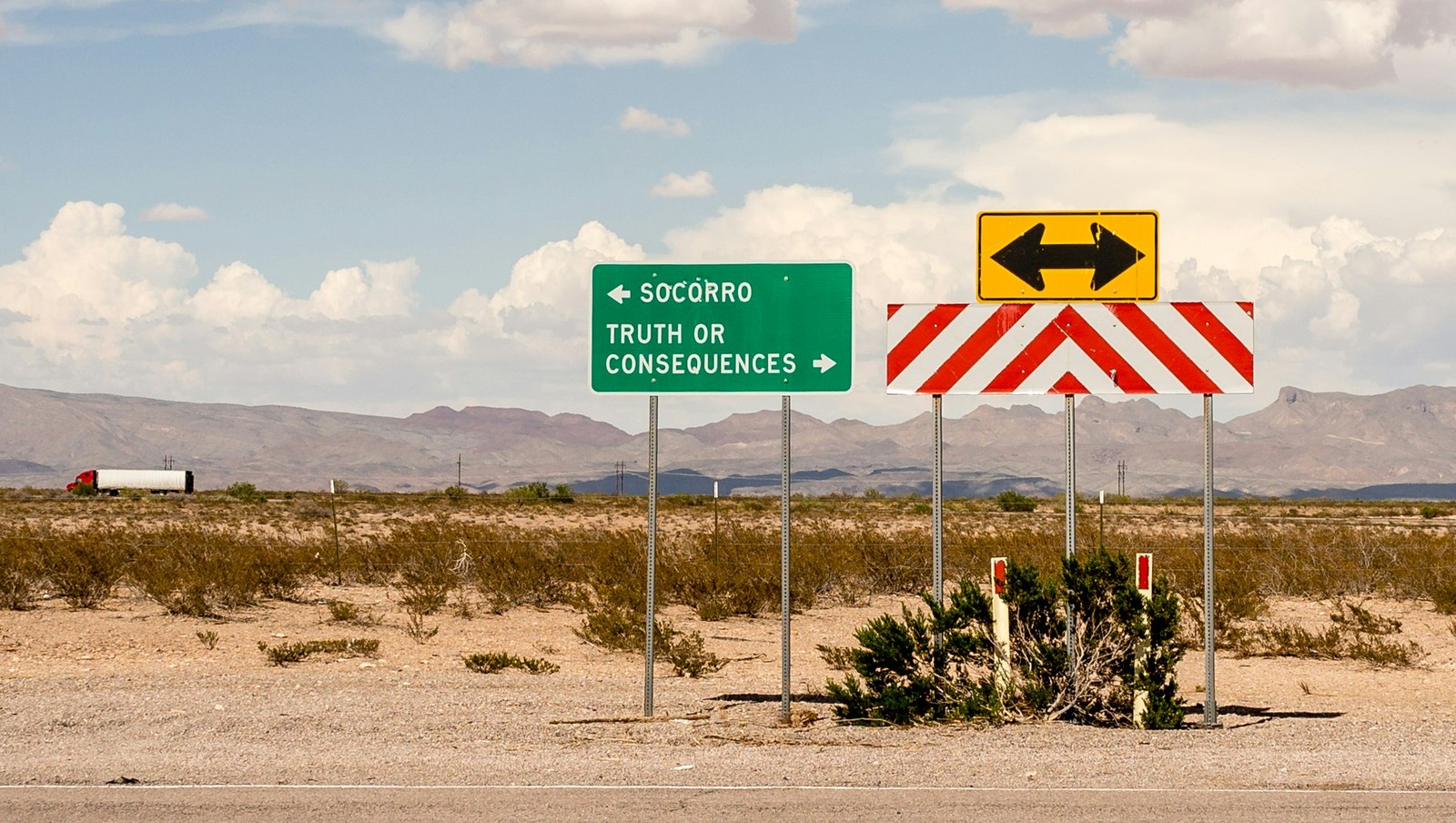
Image: Lachlan Donald

From puns to head-scratchers, some U.S. towns have names that sound like jokes—but they’re very real! Behind many of them lie strange stories, old legends, or just one stubborn settler with a sense of humor. From Accident to Booger Hole, and even straight-up Hell, these oddly named places tell stories of America’s diverse and often eccentric past. Here’s a coast-to-coast look at 10 towns that’ll make you do a double take.

1
Truth or Consequences, New Mexico
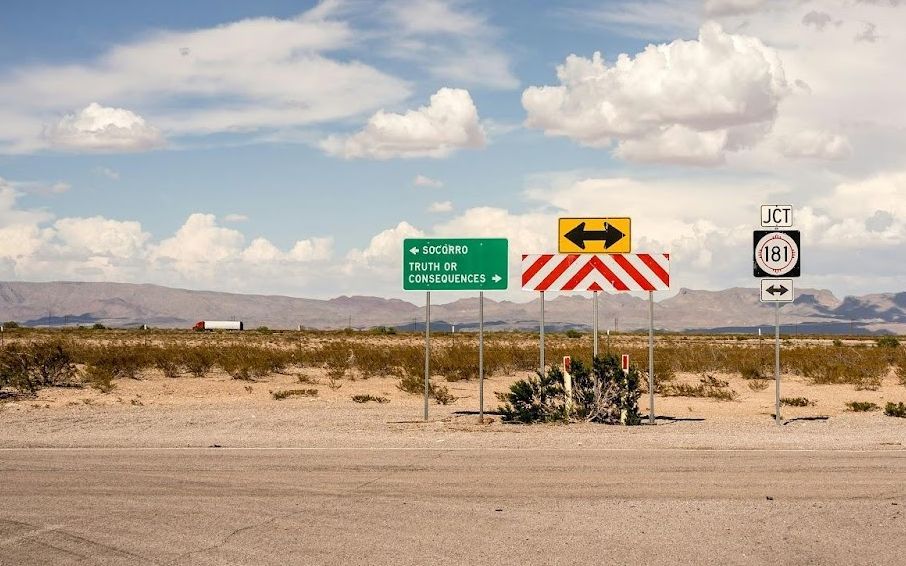
Image: Lachlan Donald

Originally named Hot Springs, the town changed its name in 1950 after a popular radio show. Host Ralph Edwards had promised to broadcast from the first town that renamed itself after the program.

The publicity stunt worked—Edwards visited annually for the next 50 years. Despite its playful name, Truth or Consequences is a legitimate spa town, known for natural hot springs and health resorts.

2
Accident, Maryland
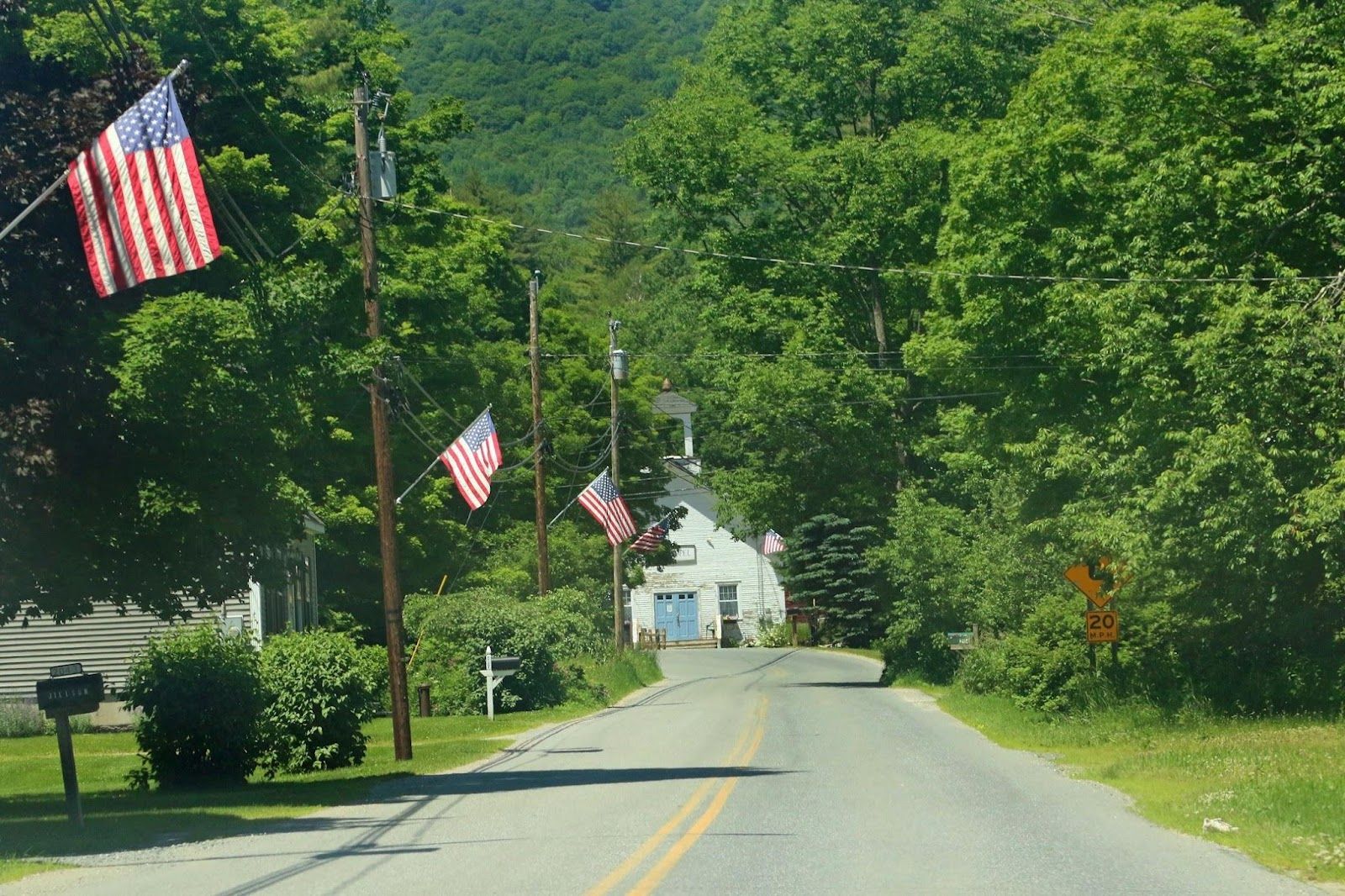
Image: David Trinks

Surveyors in the 1700s accidentally claimed the same plot of land twice, giving rise to the town’s odd name. The mistake was eventually resolved, but the name stuck.

Today, Accident is a quiet town in Garrett County with fewer than 400 residents. It occasionally draws attention from curious travelers and lovers of unique place names.

3
Boring, Oregon

Image: everett mcintire

Named after William H. Boring, a Civil War veteran who settled in the area. Locals embraced the name, even forming a tongue-in-cheek partnership with Dull, Scotland, and later Bland, Australia, to form the so-called "Trinity of Tedium"—all in good fun!

Boring capitalizes on the irony with signs that read, "The most exciting place to live." It’s a quiet suburb of Portland with a strong farming history.

4
Chicken, Alaska
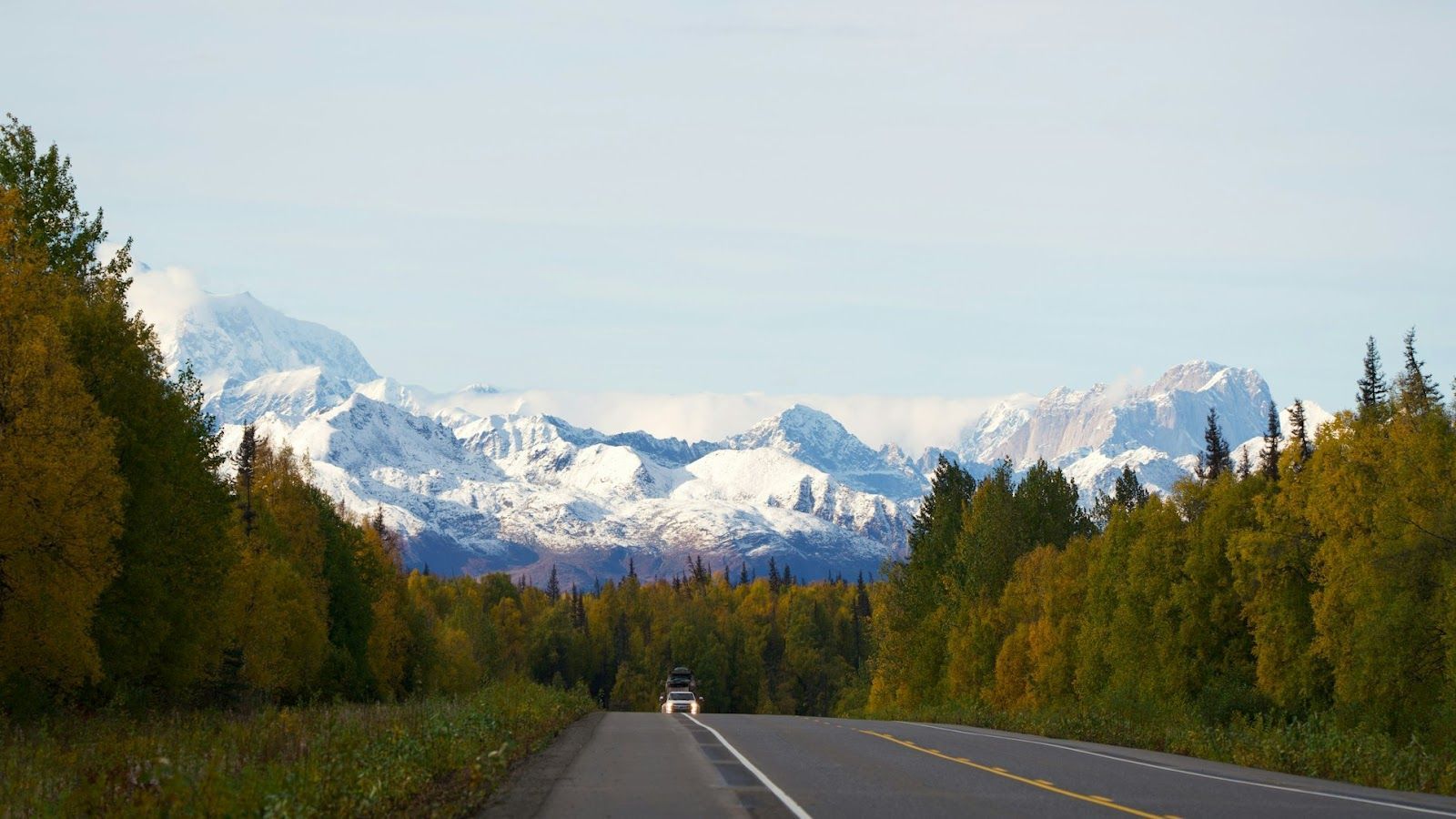
Image: Yiyi Yang

Miners wanted to name it after the ptarmigan, a local bird, but couldn’t agree on the spelling , so they went with "Chicken" instead.

Located near the Canadian border, Chicken has no phone service and a population of fewer than 20. It remains a favorite roadside stop along the Taylor Highway.

5
Booger Hole, West Virginia
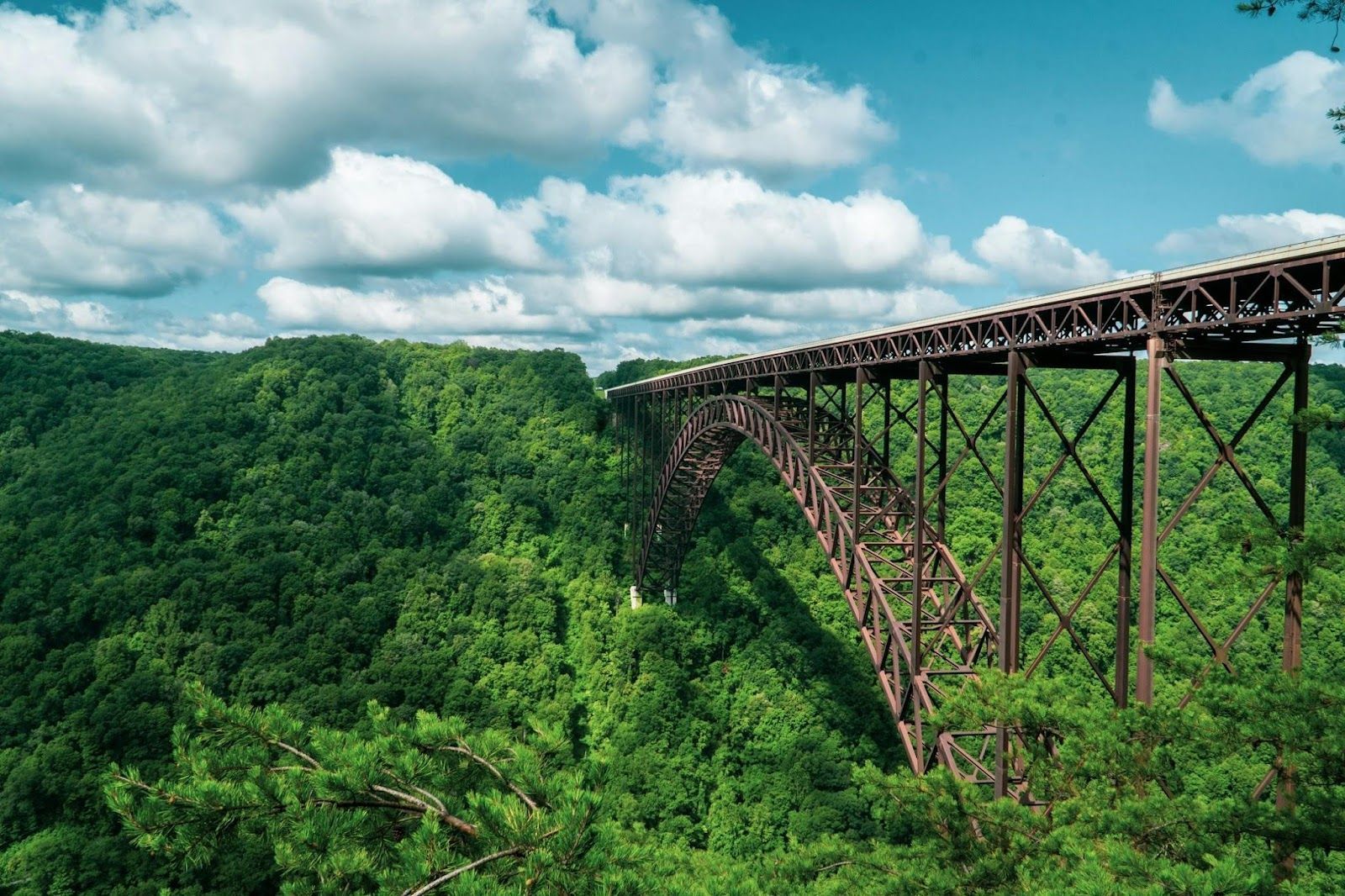
Image: Sharosh Rajasekher

Named after ghost stories and tales of mysterious disappearances in the early 1900s. "Booger" was slang for ghost or boogeyman.

The area gained notoriety for several unsolved crimes, adding to its spooky reputation. Today, it’s mostly a rural area with a curious past and no official signage.

6
Monkey’s Eyebrow, Kentucky
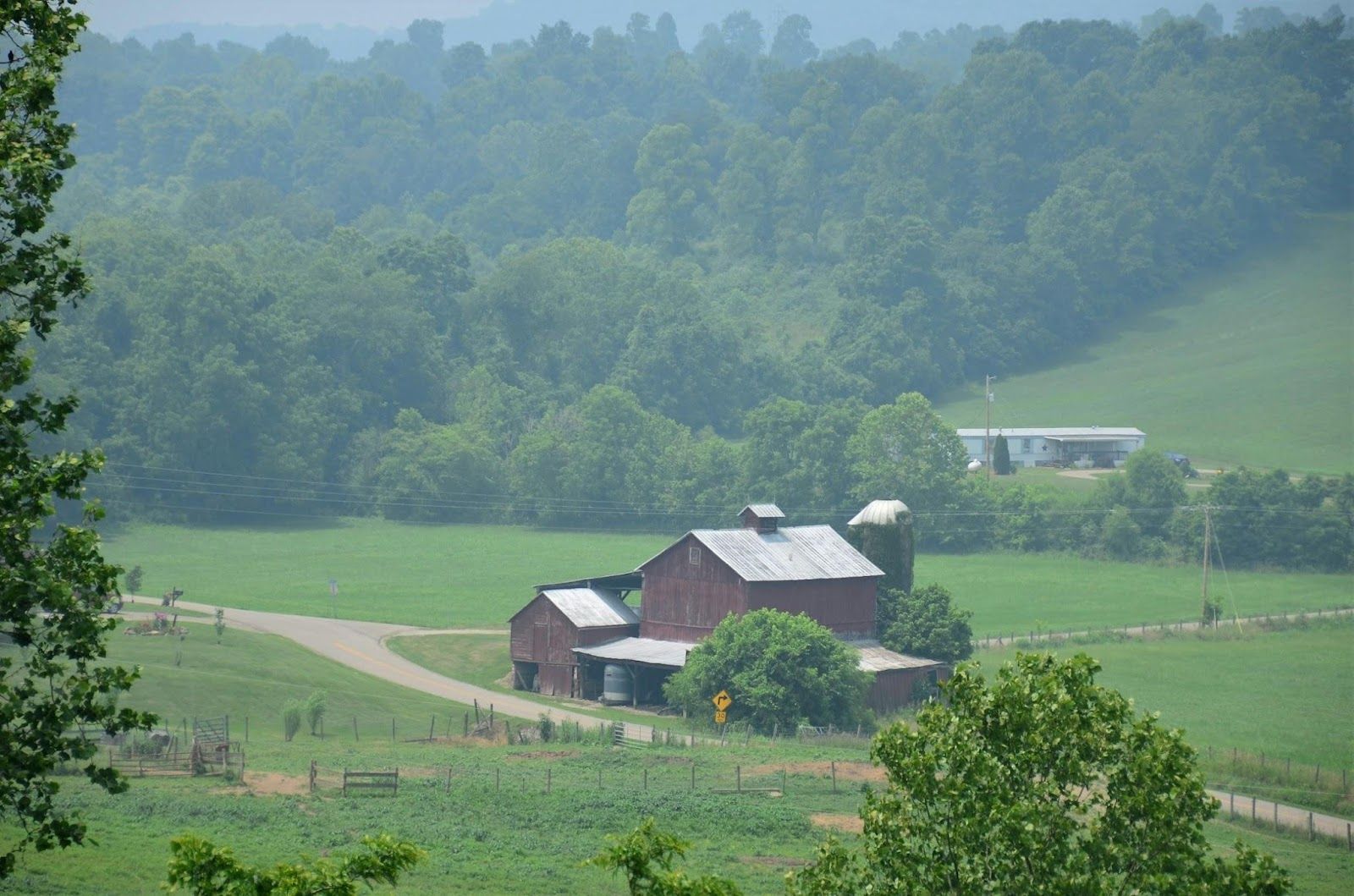
Image: Roger Starnes Sr

One origin story claims the name came from the area’s appearance on a map —it looked like the eyebrow on a monkey’s face.

Located in Ballard County, this unincorporated community doesn’t offer much beyond a memorable name. It’s a quiet farming region in western Kentucky.

7
Hell, Michigan
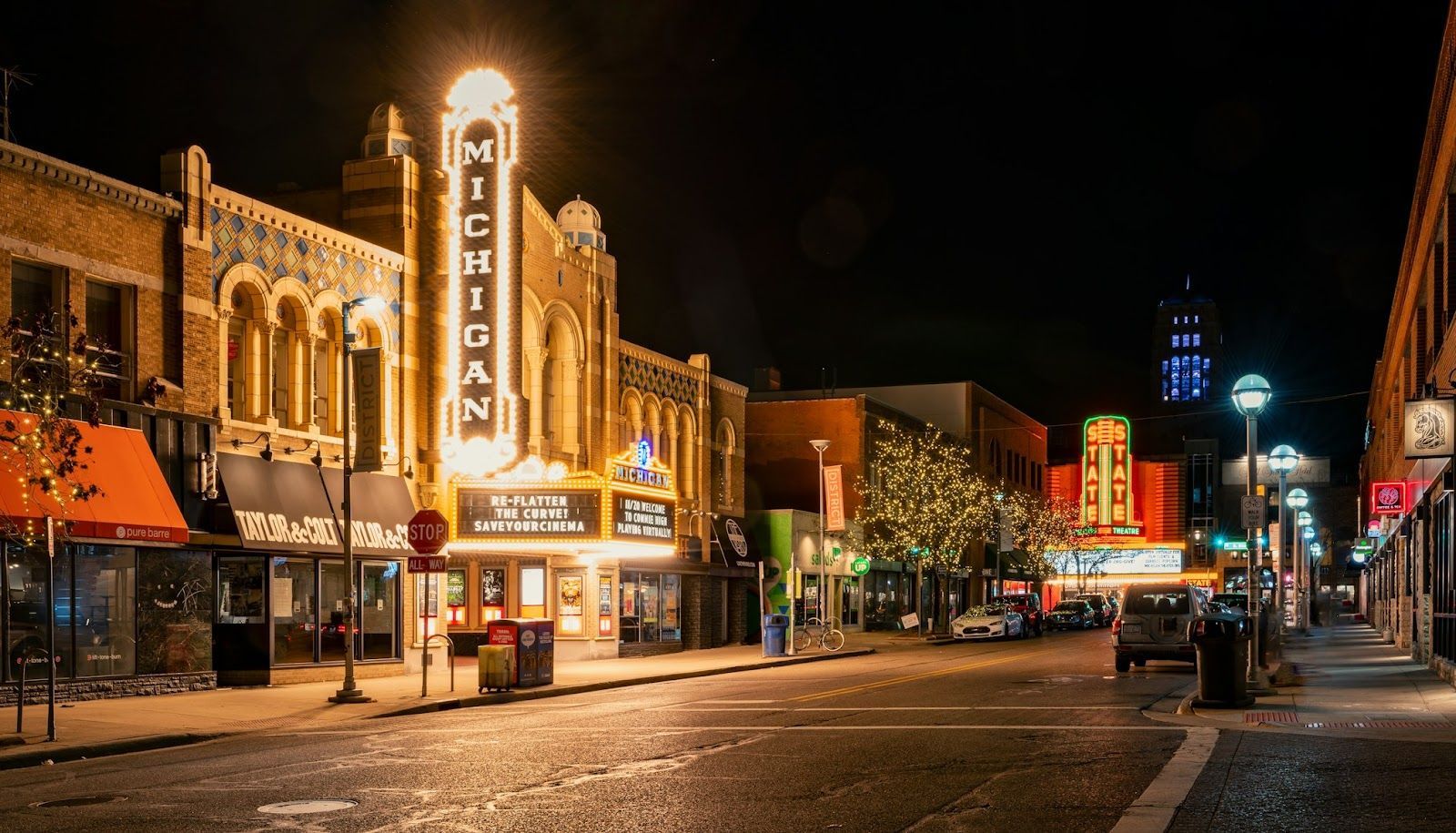
Image: Brad Switzer

Allegedly, this name came from a German traveler’s comment, "So schön hell!" meaning "so beautifully bright." In a humorous twist, however, locals took the "hell" part literally.

Today, tourism thrives on the name, with themed businesses like the Hell Hole Diner and even a wedding chapel. You can even buy a square inch of "Hell" online.

8
No Name, Colorado

Image: Holly Mandarich

When building a highway exit, engineers labeled the spot "No Name" as a placeholder. Locals voted to keep it that way.

Located near Glenwood Springs, it’s known for No Name Creek and the No Name Tunnel. It remains a photo favorite along I-70.

9
Toad Suck, Arkansas
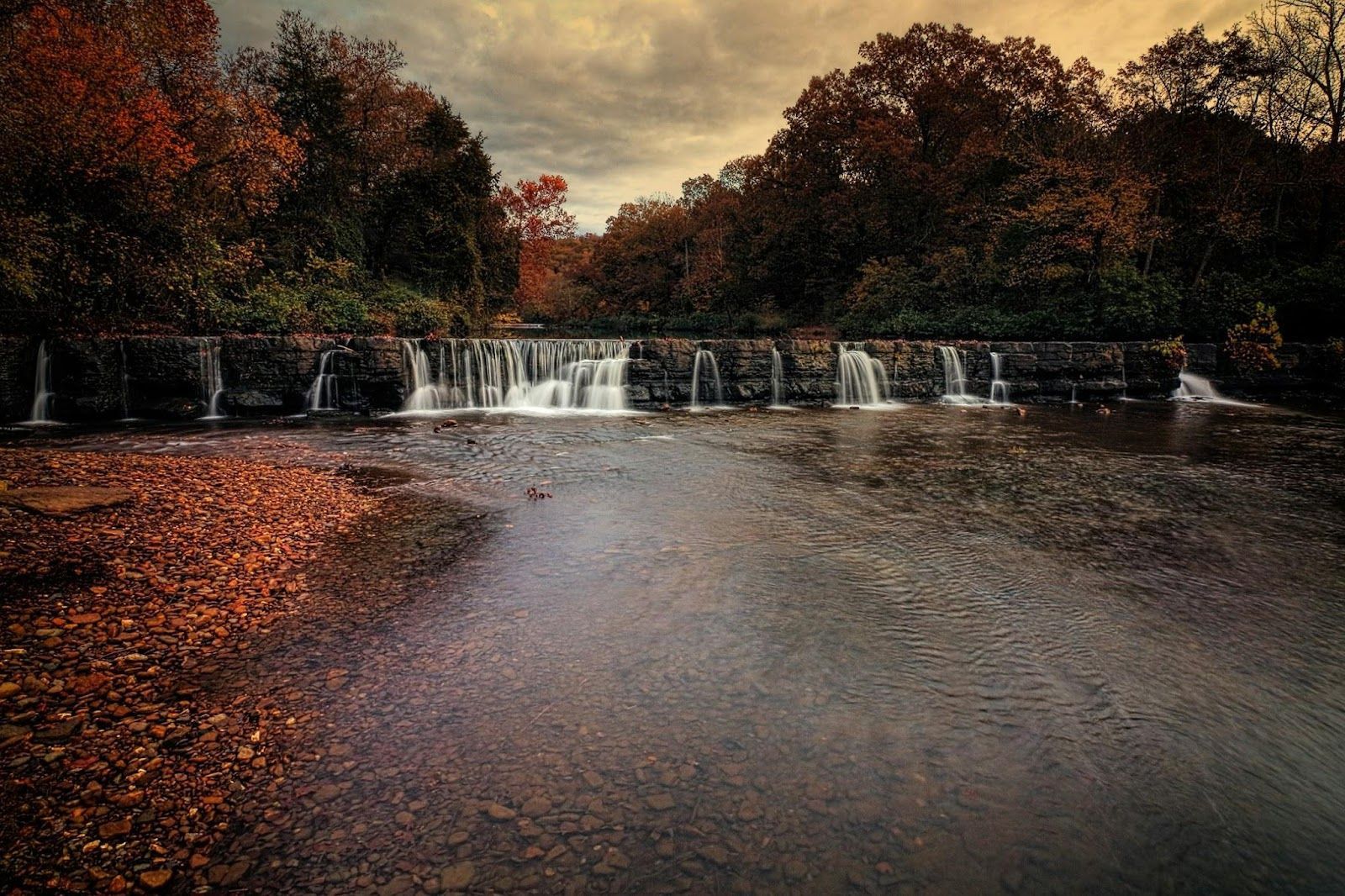
Image: Claud Richmond

Likely comes from riverboat crews who drank at the local tavern until they "swelled up like toads." The "suck" refers to a river eddy—a swirling current in the water.

Today, the town is best known for the annual Toad Suck Daze festival, which celebrates the odd name with music, food, and toad races.

10
Satan's Kingdom, Massachusetts
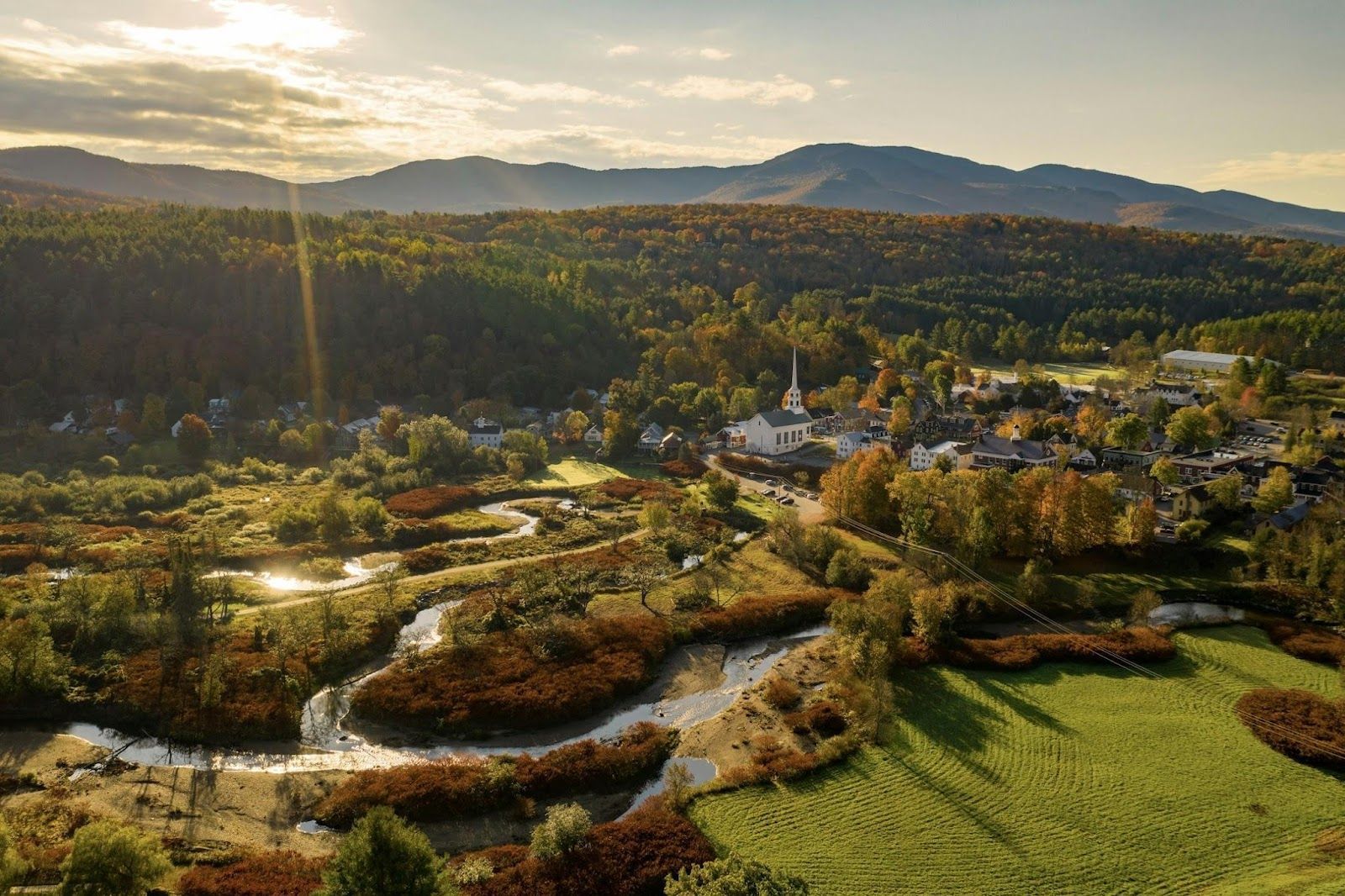
Image: Jeffrey Clayton

Located near Northfield, this ominously named unincorporated village borders the Connecticut River. Despite its fiery name, it’s a mostly quiet rural area.

Legend says the name came after a churchgoer left a sermon about hellfire and saw a forest fire raging across the river —declaring that "Satan’s Kingdom was burning." A similarly named area exists in Vermont as well.

11
Why, Arizona
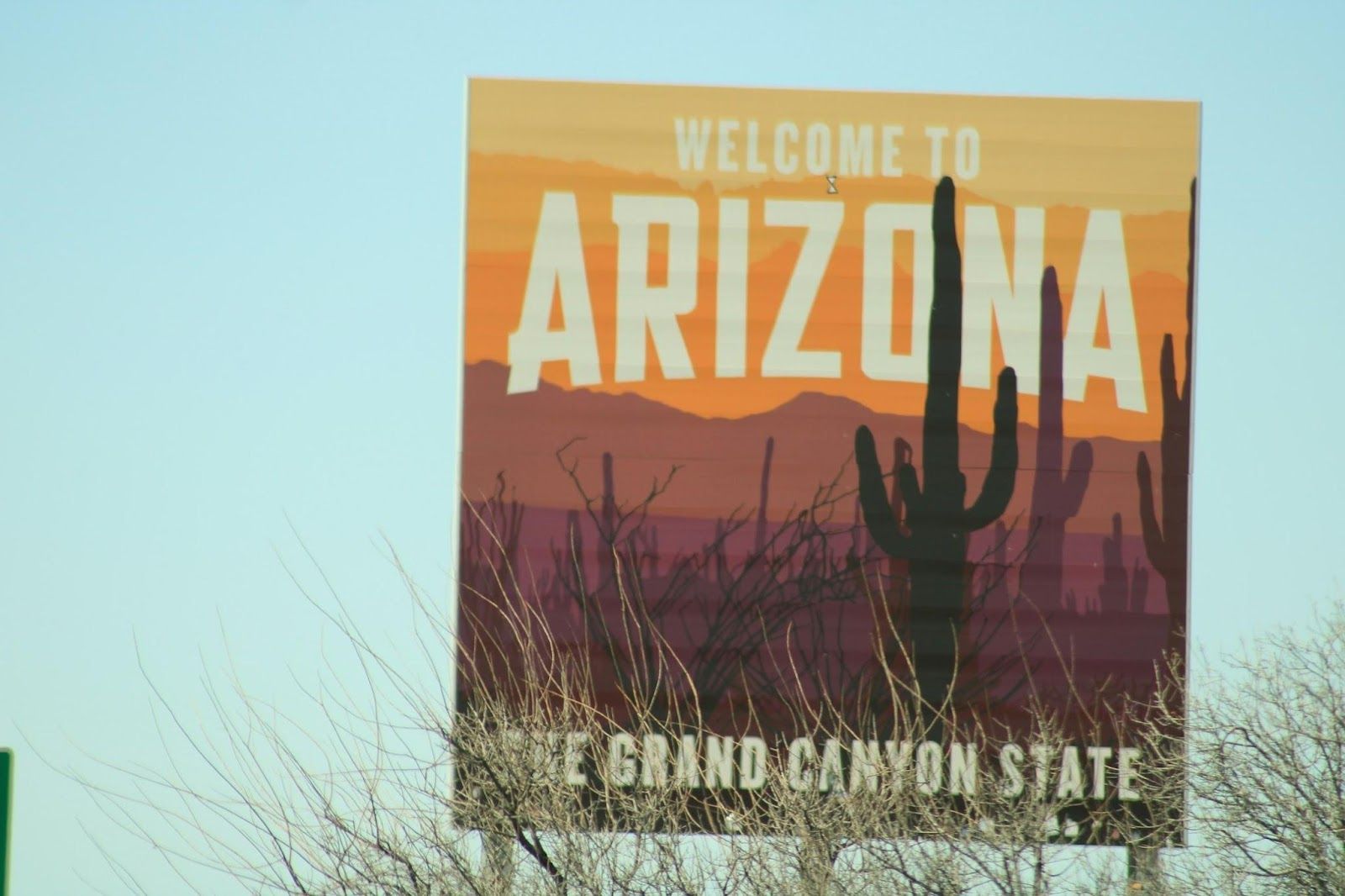
Image: Laura Mann

Named for the Y-shaped intersection of State Routes 85 and 86, the town had to adopt a name with at least three letters due to Arizona law, so "Y" became "Why."

Why lies near the Organ Pipe Cactus National Monument and remains a popular pit stop for desert road trippers.

12
Looneyville, Texas
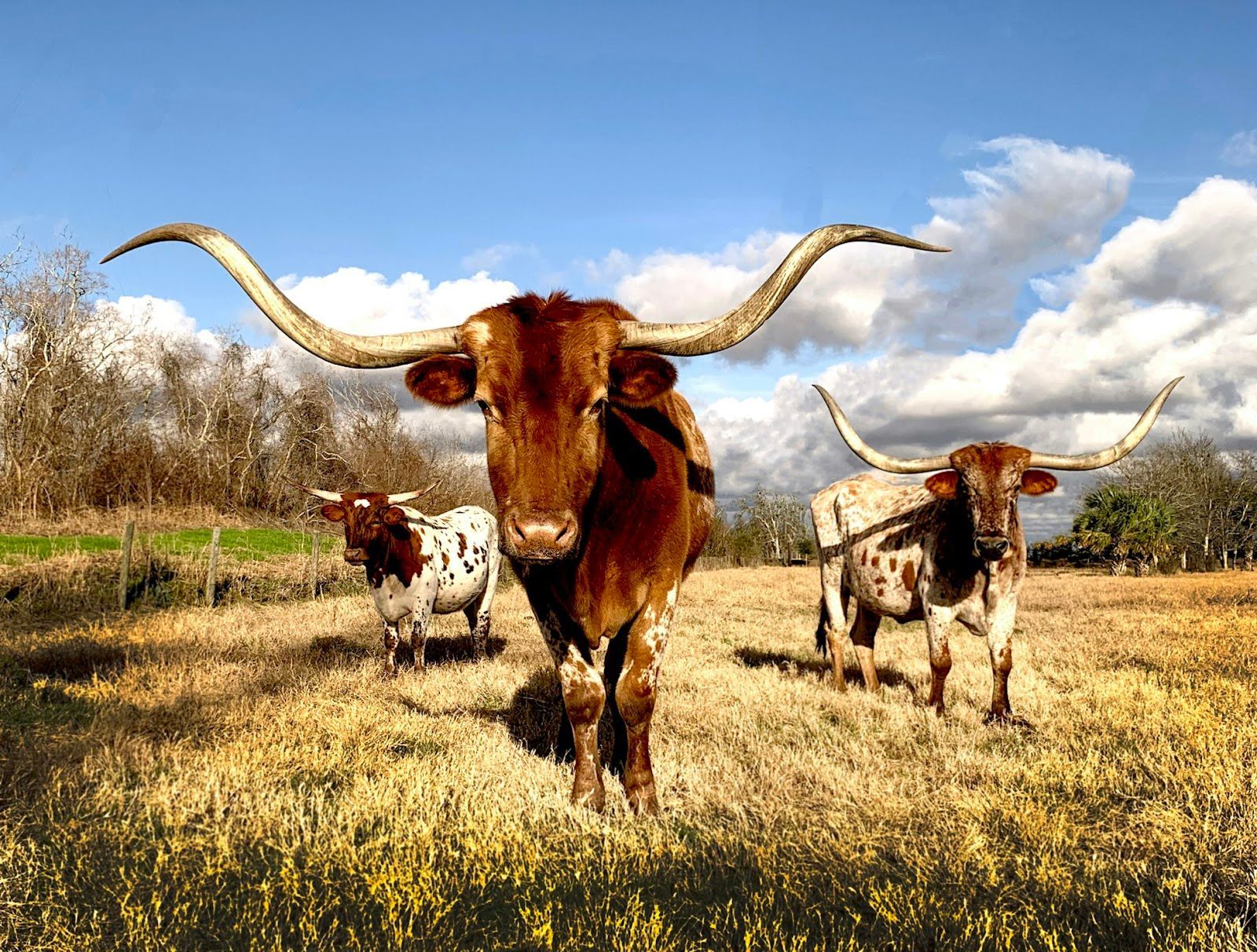
Image: Vivian Arcidiacono

Named after store owner John Looney in the 1800s, Looneyville is not a joke—just an old Texas family name.

Looneyville is in Rusk County, deep in East Texas. It remains unincorporated but shows up on maps and road signs.
General General 3 min read

US money mysteries

Did you notice this detail on the $100 bill? 10 surprising currency facts

Image: Alicia Razuri

You use it every day, you keep it in a safe place, and yet there are still so many things you may not know about it. Yes, we’re talking about US currency! From their size and composition to the details of their designs, both our bills and coins have a fascinating history behind them, and some secrets you probably never imagined. Join us as we uncover them.

1
Clock change

Image: Jonathan Borba

US currency is full of symbolism, and the $100 bill is no exception. Since 1928, we have seen Independence Hall depicted on the back of this bill. But in 2013, it was redesigned, and one change stands out: the clock tower, which previously showed 4:10, now reads 10:30. Did you notice?

2
Jackie Kennedy’s choice

Image: Florida Memory

Jackie Kennedy played a key role in designing the coin that would feature the portrait of her ex-husband. When the U.S. Mint planned the Kennedy half dollar in 1964, she was consulted and provided input on various aspects of the coin, including its imagery and symbolism.

3
Not paper

Image: Giorgio Trovato

Although it is called paper money, our bills do not contain any paper at all. In fact, they are made of a blend of 75% cotton, 25% linen, and fine silk fibers embedded. This mixture is not random; it was specially chosen so that your bills can withstand everything: folds, wrinkles, stains, and even an accidental shower in the washing machine.

4
The unfinished pyramid

Image: Marek Studzinski

The one-dollar bill also has its secrets and details. On its back, you’ll find an unfinished pyramid, part of the Great Seal of the United States designed in the 1780s. Why unfinished? The pyramid has 13 steps, representing the original 13 colonies, and its incomplete form symbolizes the nation’s ongoing growth and expansion.

5
50% larger

Image: Bozhin Karaivanov

Before 1929, US banknotes were significantly larger, measuring approximately 7.375 x 3.125 inches. Today, collectors refer to these as "large-size" notes, sometimes even nicknamed "Horseblankets." In contrast, modern bills measure just 6.14 x 2.61 inches. The government decided to reduce the bill's size to cut production and design costs.

6
Andrew Jackson’s preference

Image: Giorgio Trovato

Andrew Jackson has been the face of the $20 bill since 1928, when he replaced Grover Cleveland. Ironically, Jackson was opposed to paper money. He didn't trust that form of payment, believing it could be easily manipulated. According to historians, the 7th U.S. President favored "hard money": gold and silver coins.

7
Alexander Hamilton’s portrait

Image: engin akyurt

Most portraits on US bills face left, with one exception: Alexander Hamilton on the $10 bill, the only one facing right (toward the viewer’s left). You might wonder why, but there’s no official explanation; it seems to have been simply a design choice.

8
"In God We Trust"

Image: rc.xyz NFT gallery

In 1956, Congress passed a law declaring "In God We Trust" the national motto, making it mandatory on all U.S. coins and banknotes. But this wasn’t its first appearance: the phrase first appeared in 1864 on the two-cent coin. Beyond faith, it also carried political weight, suggesting that God favored the Union during the Civil War.

9
The change that never happened

Image: Ryan Quintal

In 2015, the Treasury announced plans to redesign the $10 bill, stating that Hamilton's portrait would be replaced by that of an influential woman from US history. However, the change never happened. Why? Those years saw a surge in Hamilton's popularity thanks to the hit musical of the same name, leading the Treasury to backtrack on the replacement plan.

10
Criteria

Image: Live Richer

As is well known, not just any portrait can appear on US currency. But beyond historical significance, the figures on our bills and coins must meet other criteria you might not know: They must also be deceased and well recognized by citizens, ensuring that the people represented are familiar and meaningful to the public.

History History 4 min read

History speaking

Want a challenge? Play a little presidential guessing game with us!

Image: Sean Foster

Yeah, you know movie quotes by heart. You can list proverbs and complete idioms, no problem. But have you ever tested your memory of presidential quotes? Throughout history, American presidents have left us many memorable lines, some inspiring, some comforting, and some we might prefer to forget. Here’s a game for you: we’ll give you six quotes and a bit of context; can you guess which president said it? Check it out and see how many you get right!

1
"Do your best, history will do the rest."

Image: Sincerely Media

This line is attributed to a leader who preferred plain talk over fancy speeches. Yes, this quote is simple, but the message behind it is quite powerful! He grew up in the Midwest, worked on a farm, and often said that good work speaks for itself. His steady outlook carried the country through the final stretch of a world conflict and the anxious years just after. Who is it?

2
"A smooth sea never made a skilled sailor."

Image: Maël BALLAND

We love this quote! Why? Well, because it is as simple as it is true. That was this President’s goal: to use simple images to make big ideas feel close to home. He guided the nation through economic trouble and global war, often mentioning topics like patience, courage, and hope. Even from his wheelchair, he painted pictures of strength. A true American leader, right, but who is he?

3
"Perseverance and spirit have done wonders in all ages."

Image: Brett Jordan

This next quote came from a leader whose early years were marked by hard travel, long campaigns, and delicate diplomacy. He had a calm way of encouraging people without raising his voice. His belief in steady character helped shape the country in its very first chapter. Please stand up for this one!

4
"The best way to predict your future is to create it."

Image: Hadija

These words are those of a tall, thoughtful president from Illinois who knew the sting of loss more than once. Books were his teachers, and ambition kept him moving. He often reminded people that life answers to those who keep trying, even when the odds look unfriendly. Do you know the answer already?

5
"A man may die, nations may rise and fall, but an idea lives on."

Image: Mika Baumeister

This line came from a young president who brought a burst of energy to the White House. His speeches felt crisp and hopeful, reflecting the spirit of the early space age. He believed in bold thinking and often told Americans that imagination could outlast fear, conflict, and even time.

6
"Do what you can, with what you have, where you are."

Image: Marija Zaric

Here we have a quote from a president known for his childhood struggles and his later love of adventure. He boxed, hiked, studied wildlife, and charged into politics with the same energy. He liked practical advice, especially the kind that encouraged people to begin where they stood. If you haven’t figured it out yet, keep reading, and you’ll find all the answers below!

7
Harry S. Truman

Image: Volodymyr Hryshchenko

Truman is often quoted as saying, "Do your best, history will do the rest," as a reminder that results are not always immediate. He took office during the final months of World War II and faced monumental decisions regarding postwar rebuilding, peacekeeping, and the early Cold War. His plainspoken manner matched his no-nonsense style.

8
Franklin Delano Roosevelt

Image: Jason Leung

FDR often used sea imagery, including the quote above. He leaned on this message during the Great Depression and again in wartime. It helped people feel braver in moments when the country needed every bit of steady leadership.

9
George Washington

Image: Hrayr Movsisyan

Washington’s line, "Perseverance and spirit have done wonders in all ages," came in the context of the Revolutionary War. Supplies were thin, the weather was brutal, and morale often wavered. He used words like these to keep soldiers and citizens believing in the long fight ahead. Big thanks are in order!

10
Abraham Lincoln

Image: Fine Photographics

Lincoln is often credited with the thought, "The best way to predict your future is to create it." His whole life story reflected that idea. He rose from frontier poverty to the presidency by reading constantly, working hard, and following his own path one determined step at a time. Perhaps we should just do what he said, right?

11
John F. Kennedy

Image: Lucrezia Carnelos

Kennedy’s quote, "A man may die, nations may rise and fall, but an idea lives on," represents his love of big thinking. He shared it during speeches that encouraged Americans to look beyond fear and aim for progress, whether that meant civil rights, science, or world cooperation. Do you agree with him?

12
Theodore Roosevelt

Image: Nils Huenerfuerst

Roosevelt often told people, "Do what you can, with what you have, where you are." He practiced this philosophy in public service, conservation efforts, and his personal life. He believed action beats hesitation and that results grow from simple beginnings. It really makes you think!

Explore more American facts

Choose your favorite category!

General
General

As American as apple pie—the very best America has to offer!

Culture
Culture

Delve into the astounding richness of American lore.

Geography
Geography

Hop in and explore vast and diverse American landscapes.

History
History

Discover the key moments that shaped the United States.