Culture Culture 3 min read

Career chameleons

An NBA legend built a billion-dollar empire. Who else switched careers?

Image: Domenico Loia

Some people stay in one lane their whole lives, but others take sharp turns and surprise everyone. From athletes who became business giants to actors who built global brands, Americans have never been shy about switching gears. Take a look at familiar names who chose bold new paths and proved that a second act can shine just as bright as the first.

1
Arnold Schwarzenegger’s triple career
Image: E R

Arnold Schwarzenegger lifted his way to bodybuilding fame, then jumped into blockbuster movies, and later into California politics. Each chapter looked completely different from the last, yet he tackled them with the same drive. Few Americans can say they succeeded in three major worlds.

2
Ronald Reagan’s journey from film to the White House
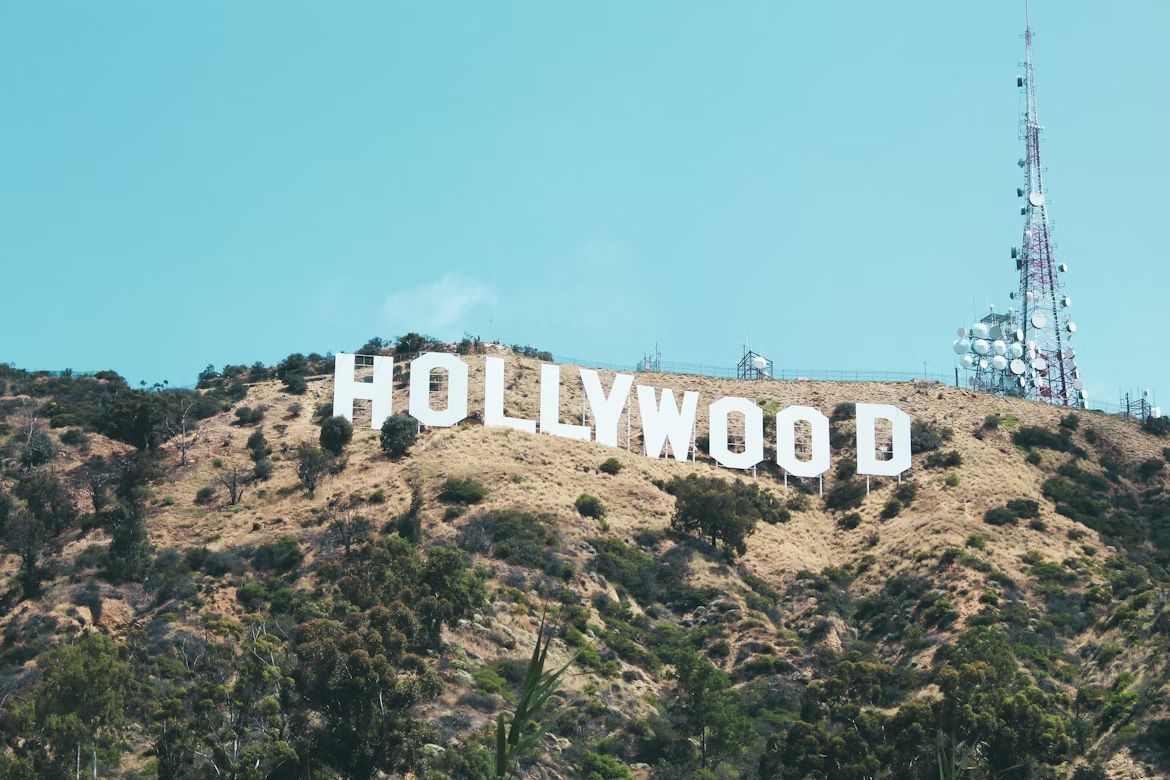
Image: Nathan DeFiesta

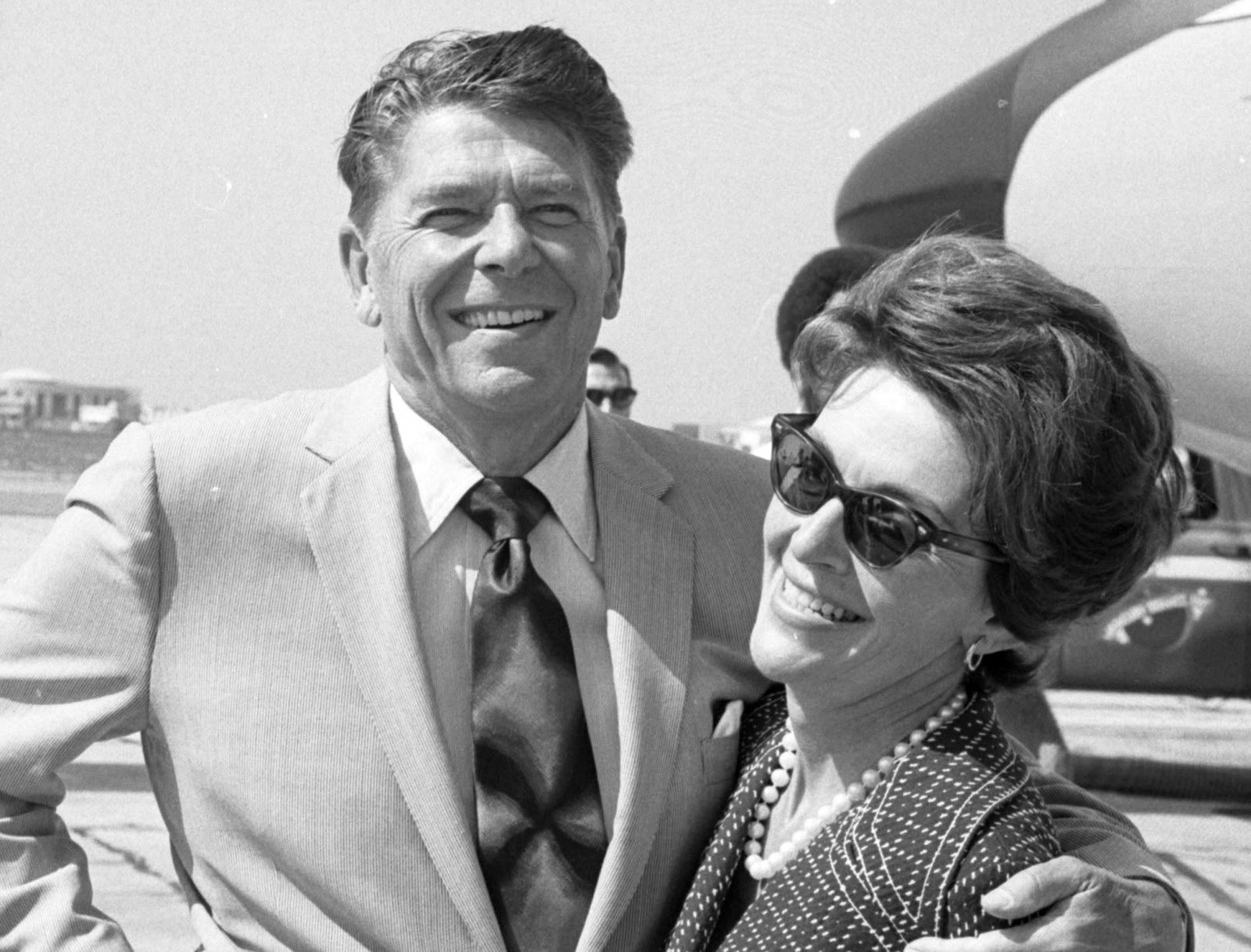
Long before he sat in the Oval Office, Ronald Reagan was a rising actor in Hollywood. His path from movie sets to politics took time, but he carried his communication skills with him. By the time he reached the presidency, he was already a familiar face to millions.

3
Robert De Niro’s taste for fine dining

Image: Jakub Dziubak

Robert De Niro made his name in gritty films, yet he had a soft spot for world-class sushi. His partnership with chef Nobu Matsuhisa created a restaurant brand recognized worldwide. The chain brought Japanese fusion to a huge audience and showed that De Niro’s instincts go far beyond Hollywood.

4
Serena Williams is sewing her own path

Image: Aleksandr Galichkin

Serena Williams is known for dominating tennis, but she also made a name for herself in fashion. Her line on HSN featured modern, easy-to-wear pieces that made it to New York Fashion Week. With guidance from industry legends, Serena proved she could design clothes with the same confidence she brings to the court.

5
George Clooney’s smooth move into spirits
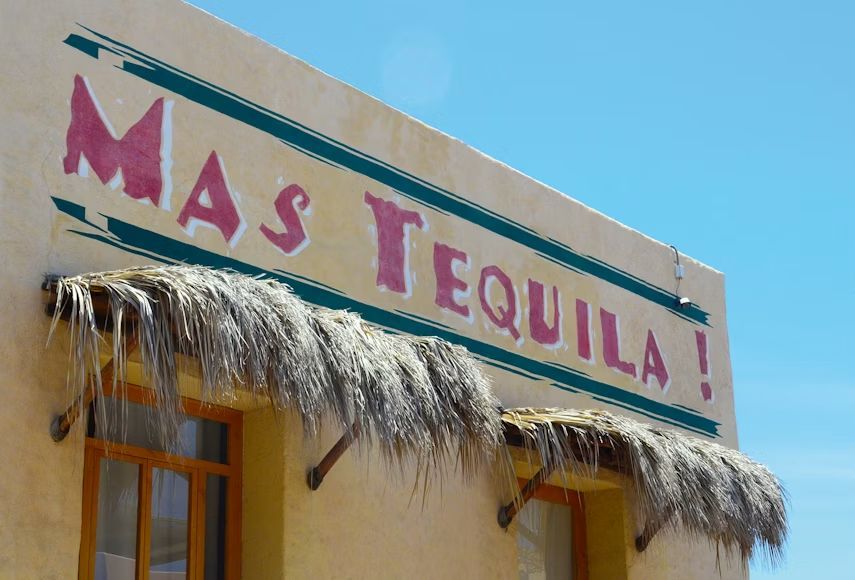
Image: Max Böhme

George Clooney and his friend Rande Gerber loved tequila so much that they created their own. What started as a private passion soon turned into Casamigos , a top-shelf brand with awards, celebrity fans, and plenty of buzz. The duo went from movie sets to tasting rooms without missing a beat.

6
Magic Johnson’s winning streak off the court

Image: Adeolu Eletu

After lighting up the NBA, Magic Johnson built a powerhouse company focused on investing in underserved communities. His deals stretched from movie theaters to restaurants to major teams. His business success soon rivaled his days on the court, turning him into one of America’s most admired entrepreneurs.

7
Kate Hudson turns activewear into a powerhouse

Image: Lauren

Kate Hudson co-founded Fabletics and quickly tapped into a growing fitness fashion market. The brand became the fastest-growing label under its parent company, TechStyle Fashion Group, and expanded from online sales into plans for dozens of physical stores. Even with challenges surrounding its parent company, Fabletics kept gathering new fans.

8
Will Ferrell builds a comedy hub

Image: 0xk

Will Ferrell helped launch Funny or Die , a comedy site filled with sketches, celebrity appearances, and user videos. It became a big name in online humor and produced shows and specials that fans still talk about. Even through bumps in the road, the company stayed influential in the comedy world.

9
Martha Stewart reinvents herself

Image: Ella Jardim

Before becoming the queen of homemaking, Martha Stewart modeled professionally and worked as a stockbroker. She later blended her love of cooking, decorating, and organization into a full lifestyle brand. That leap turned her into one of the most recognizable names in American media.

10
Kevin Costner tackles ocean cleanup

Image: OCG Saving The Ocean

Kevin Costner’s big career twist came after an oil spill caught his attention. He invested in technology that could separate oil from water and pushed the idea forward for years. When the Gulf of Mexico spill happened, BP bought dozens of its machines to help with the cleanup. His invention pulled in millions and showed a surprising side of the movie star.

Culture Culture 5 min read

Which is your favorite music genre?

American music would not be the same without these 10 sonic pioneers

Image: Eugene Bolshem

Very rarely have musical genres been entirely created by a single individual. More often than not, when you trace the origins and environment of a musical pioneer, you will get a sense of where this person drew his or her influence from. America is rich soil for music, and the following ten artists have spearheaded genres that continue to grow and inspire to this day. Did you know any of them?

1
Ragtime - Scott Joplin

Image: Darius

The first entry on the list showcases the inventor of probably the most popular waiting-call tunes in history, Scott Joplin, the "King of Ragtime" himself. He composed over 40 ragtime pieces, one ragtime ballet, and two operas. One of his first and most popular pieces, the "Maple Leaf Rag," became the genre's first and most influential hit, later recognized as the quintessential rag.

Joplin considered ragtime to be a form of classical music meant to be played in concert halls and largely disdained the performance of ragtime as honky-tonk music, most common in saloons.

2
Blues - W.C. Handy

Image: Kelly Sikkema

Blues music can’t be traced to a single individual, but William Christopher Handy can definitely be identified as a founding figure in the genre. He was an American composer and musician who referred to himself as the "Father of the Blues."

One of many musicians who played the blues, Handy did not create the blues genre but was one of the first to publish music in the blues form , thereby taking the blues from a regional music style (Delta blues) with a limited audience to a new level of popularity.

3
Jazz - Buddy Bolden

Image: Laura Rivera

Charles Joseph "Buddy" Bolden was an American cornetist who was regarded by contemporaries as a key figure in the development of a New Orleans style of "jass," which later came to be known as jazz. Bolden was known as "King" Bolden, and he was known for his loud sound and improvisational skills, and his style had an impact on younger musicians.

Many early jazz musicians credited Bolden and his bandmates with having originated what came to be known as jazz , although the term was not in common musical use until after Bolden was musically active. At least one writer has labeled Bolden as the father of jazz.

4
Country - Jimmie Rodgers

Image: Katherine Hanlon

Widely regarded as the "Father of Country Music," James Charles Rodgers was an American singer-songwriter and musician who rose to popularity in the late 1920s. He is best known for his distinctive yodeling , which is a singing style imported from the Alps.

He has been cited as an inspiration by many artists and he has been inducted into multiple halls of fame. By 1927, he stopped working for the railroad due to health issues and decided to focus on his music career.

5
Soul - Sam Cooke

Image: Mick Haupt

Considered one of the most influential soul artists of all time, Sam Cooke is commonly referred to as the "King of Soul" for his distinctive vocals, pioneering contributions to the genre, and significance in popular music.

During his brief eight-year career, Cooke released 29 singles that charted in the Top 40 of the Billboard Pop Singles chart, along with 20 singles in the Top Ten of Billboard's Black Singles chart.

6
Rhythm & Blues - Louis Jordan

Image: Austin Neill

Known as "the King of the Jukebox," Louis Thomas Jordan was an American saxophonist, multi-instrumentalist, songwriter, and bandleader who was popular from the late 1930s to the early 1950s.

Jordan blueprinted the map of classic R&B, urban blues , and early rock-and-roll genres with a series of highly influential 78-rpm discs released by Decca Records. These recordings presaged many styles of Black popular music in the late 1940s, 1950s, and 1960s and exerted a strong influence on numerous leading performers in these genres.

7
Rock n Roll - Chuck Berry

Image: Provincial Archives of Alberta

Best known as "Chuck," Charles Edward Anderson Berry was an American singer, guitarist, and songwriter who pioneered rock and roll music. Nicknamed the "Father of Rock and Roll," he refined and developed rhythm and blues into the major elements that made rock and roll distinctive , writing lyrics that focused on teen life and consumerism and developing a musical style that included guitar solos and showmanship.

He recorded "Maybellene"—Berry's adaptation of the country song "Ida Red"—which sold over a million copies and reached number one on Billboard magazine's rhythm and blues chart.

8
Funk - James Brown

Image: iggii

"The Hardest-Working Man in Show Business," "Minister of New Super Heavy Funk," "Godfather of Soul," "Mr. Dynamite," and "Soul Brother No. 1," Mr. James Brown himself, was an American singer, dancer, and musician and the founder of funk music , as well as a major figure in 20th-century music.

In a career that lasted more than 50 years, he influenced the development of several music genres. Brown was one of the first ten inductees into the Rock and Roll Hall of Fame on January 23, 1986. His music has been heavily sampled by hip-hop musicians and other artists.

9
Disco - Donna Summer

Image: Bas Peperzak

Disco music was becoming increasingly popular in the early 1970s, but according to many historians, it was Donna Summer’s "Love to Love You Baby" that became the first "official" disco release .

The song did not have an immediate American release; it started its life with moderate success in Europe before finally gaining traction and being launched in the U.S., where it became her first number-one hit on the Hot Dance Club Play Chart.

10
Rap - DJ Kool Herc

Image: Matthew Moloney

While this name might not be as instantly recognizable as those from the previous entries, it certainly deserves to appear and close the list, as it is often cited as responsible for the birth of an extremely popular music genre. Clive Campbell, better known by his stage name DJ Kool Herc , is a Jamaican American DJ credited with being one of the f ounders of rap music in New York City in 1973.

Nicknamed the "Father of Hip-Hop," Campbell began playing hard funk records typified by James Brown. He isolated the instrumental portions of the records, emphasizing the drum beat—the "break"—and transitioned from one break to another. Campbell's announcements helped lead to the syncopated, rhythmically spoken accompaniment now known as rapping.

History History 6 min read

Out with the new, in with the old

Would you sit on a flagpole? 10 American fads from the early 20th Century

Image: Ali Bakhtiari

The early 20th century was a wild time in America, and the fads that swept across the nation were just as colorful and curious as the era itself. The world was changing for sure and teens had to find new ways to have fun and adapt to the evolving times. From that came some of the weirdest trends, and today we’re taking a look back at ten of the most popular fads that shaped the first half of the 20th century. You might even remember a few of these yourself, or perhaps you’ve heard stories from the "good old days." Let’s dive into these blasts from the past!

1
Dance marathons

Image: Ardian Lumi

Dancing has always been a praised activity for having some fun and passing the time. It’s simple and requires nothing but a music-playing device. So, back in the ‘20s, people felt the need to find a new twist for this basic entertainment and so they thought making dance marathons was a great idea.

How did they work? The concept was as simple as dancing: Couples would compete to see who could dance the longest all for a shot at cash prizes. But we’re not talking hours here—the contest could last for days! Audiences watched in fascination (and a bit of morbid curiosity, we might add) as exhausted dancers pushed their bodies to the limit. Remember, this was a time when missing out on a chance for quick money and a bit of fun was not a possibility!

2
Flagpole sitting

Image: Jonathan Simcoe

We don’t know if he was trying to break a record or if he just needed some alone time, but after Alvin "Shipwreck" Kelly climbed atop a flagpole in 1924 and stayed there for over 13 hours, a new fad was born: flagpole sitting.

And speaking of basic trends, this is exactly as you read it: People all over America were climbing up and sitting on flagpoles to see how long they could stay up there. We can all agree that these people were after entertainment and a bit of competition. And it got so serious the record eventually stretched to an astonishing 49 days!

By the 1930s, though, the thrill wore off and the fad faded, but the absurdity of it all remains—and earned it a spot on this list!

3
Stickball and stoopball

Image: Jeremy Stewardson

Sports today are no longer just about playing the game. For most of them, you need a lot of equipment, which is rather expensive, especially if you’re going to use it in the streets with your friends from the block.

Back in the ‘20s, baseball equipment was hard to come by. As a result, American kids in crowded urban areas came up with their own inventive versions of the game: stickball and stoopball. The fun behind this trend? Using whatever they had on hand to play: Broomsticks for bats, rubber balls, and parked cars or stoops as bases. The games required nothing more than creativity and a few friends. And no one can deny—the 1920s were indeed a creative time!

4
Johnny on a pony

Image: freestocks

This is a trend that started in the 1940s, and the names used for this game are simply hilarious: "Strong horses, weak donkeys," "Hunch, Cuddy, Hunch," just to name a few.

Johnny on a Pony, or Buck Buck, was a rough-and-tumble game in which one team bent over to form a "horse" while the other team took turns jumping on their backs, trying to knock them over .

You may think this was innocent, but not quite—it was chaotic, sometimes painful, and, more often than not, left participants in a pile of tangled limbs.

Kids do not care for those things, but the game’s physical nature made it exhilarating and dangerous at the same time. That’s why, eventually, concerned parents and schools stepped in and banned it—one too many injuries to keep it going!

5
Drive-In movie theaters

Image: Tim Mossholder

Movie theaters are great, but drive-in movie theaters are even better—they were the ultimate fusion of America’s love for cars and entertainment.

The first official drive-in theater opened in 1933, and it was an alternative for families to a fun and affordable night out under the night sky, watching a movie from the comfort of their car . No wonder this quickly became a beloved American pastime. And you can already imagine whose favorite this was: Teens and young couples, who enjoyed the privacy of their cars while watching the latest films of the time.

The trend slowly faded as film rentals became more popular, and later with the rise of streaming platforms. However, keep an eye out for this one, because it’s definitely making a comeback!

6
Miniature golf

Image: Will Porada

Some may argue that the fad behind miniature golf never actually died, and that’s partially true. But let’s go back to the time it first appeared and all the craze that erupted around it.

It wasn’t until Garnet Carter opened his "Tom Thumb" golf course in 1927 that miniature golf became a true sensation . Located in Lookout Mountain, Tennessee, Carter’s course wasn’t just about putting greens; it also featured miniature goblins, gnomes, and other fun obstacles for players.

We don’t know if he knew this would be so successful, but Carter went all in: He patented the design, and it hit the jackpot—miniature golf became a nationwide success.

7
Hood ornaments

Image: Clem Onojeghuo

Funny thing about the past: You didn’t always need to be extravagant to be trendy—sometimes, just a tiny ornament on your car was enough.

In the 1920s and ‘30s, no car was complete without a stylish hood ornament adorning its radiator . At first, these ornaments were designed to check on the engine temperature. But they soon evolved into artistic expressions of each brand to showcase wealth and personality.

We all recognize the winged goddess or the jaguar jumping out of the car, right?

However, this trend didn’t last long. As car designs modernized and safety became a concern, hood ornaments became less common, and eventually, all but disappeared. If you see a car with one of these today, you can bet it’s worth more than one can get in a lifetime!

8
Kilroy was here

Image: Richard Cohrs

There are two generations: One is looking for Waldo, and the other is looking for Kilroy. Which one do you belong to? Now, if you’re wondering who Kilroy is, let us tell you.

Kilroy was a doodle, and the complete drawing consisted of Kilroy and a message that read "Kilroy Was Here." This graffiti popped up just about everywhere during World War II.

The doodle, featuring a bald, long-nosed figure peeking over a wall, was a symbol of American presence and humor. It’s said that Kilroy was originally the work of James J. Kilroy, a shipyard inspector who scrawled it on equipment he inspected.

But that was just the beginning—the drawing spread to every corner of the globe. Have you ever come across one?

9
Swing dancing

Image: Clarisse Meyer

Few things are as time-sensitive and culturally reflective of an era, don’t you think? In the early 20th century, specifically during the 1920s and 1930s, the dance that dominated every dance floor was swing . And it makes perfect sense—this was the Jazz Age, so swing dancing perfectly matched the exuberance of that music!

Dances like the Lindy Hop, Charleston, and Jitterbug took over dance halls, with young people spinning, jumping, and flipping to the infectious rhythm of big bands.

Older generations sometimes frowned upon the flashy, intimate dance styles, but that only made them more appealing to rebellious youth. Some things never change!

10
Stamp collecting

Image: Tolga deniz Aran

Philately is the collection of stamps or the study of them, and it became a fad across the United States during the 1920s and the ‘30s. Why? Here is the reason.

Stamps offered people a way to explore history, geography, and art. They were everyday items, easy to access, and nobody could escape them. For example, President Franklin D. Roosevelt was an avid stamp collector. Not that he needed them to learn about history or art—it was just a way to have fun.

Contrary to other trends we have discussed, schools encouraged this hobby, because it was both educational and enjoyable. Collecting stuff is a never-ending trend; there are all kinds of collections today and stamp collections today are almost invaluable!

Explore more American facts

Choose your favorite category!

General
General

As American as apple pie—the very best America has to offer!

Culture
Culture

Delve into the astounding richness of American lore.

Geography
Geography

Hop in and explore vast and diverse American landscapes.

History
History

Discover the key moments that shaped the United States.