General General 5 min read

10 most nostalgic sounds we grew up hearing — but don't hear anymore
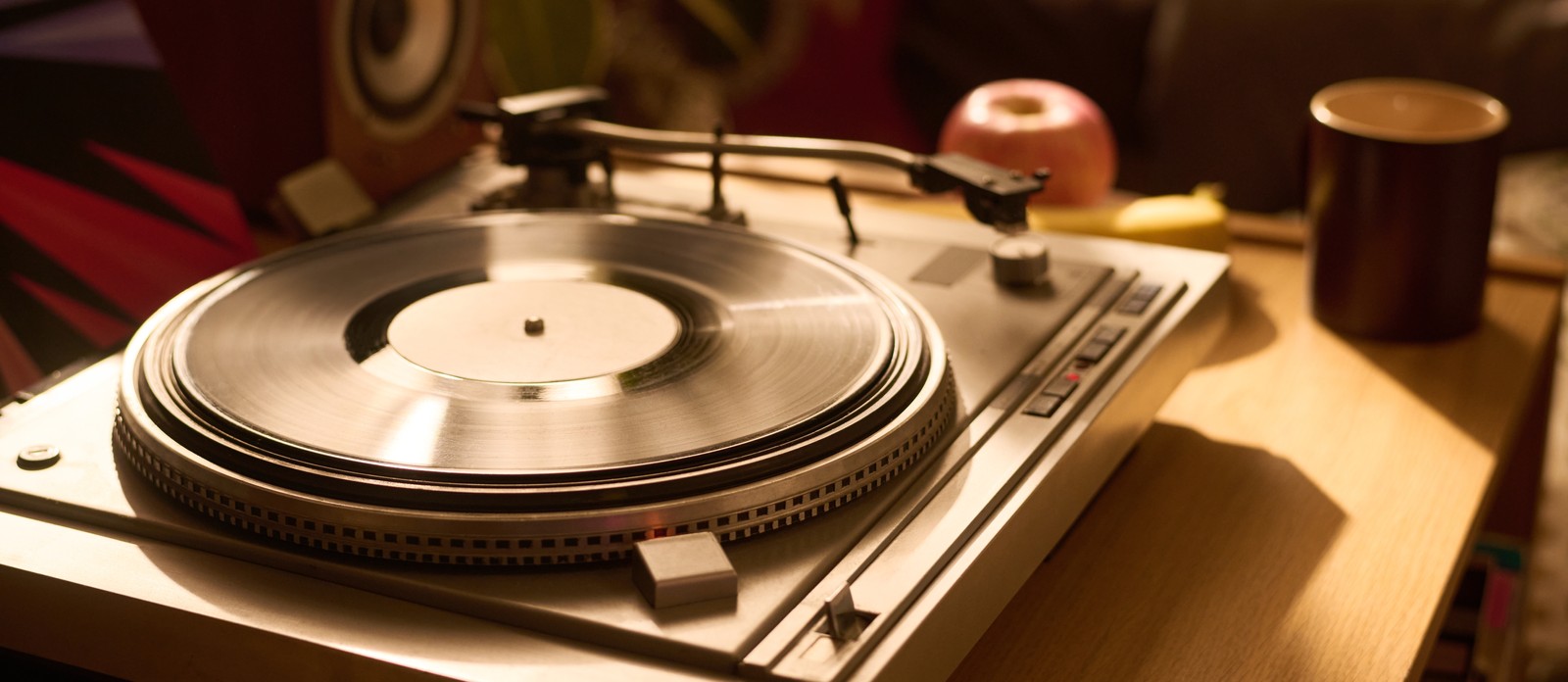
Image: Pressmaster

Few things can trigger nostalgia as much as a sound. The bell of the ice cream truck coming around the corner or the long-gone ringing and dialing of a rotary phone can bring childhood rushing back. Technology wasn’t nearly as advanced, so we had other doodads that filled our everyday lives with their chimes and beeps. Here are 10 sounds etched into our memory that we rarely hear these days — or at all.

1
The rotary phone ring and dialing

Image: C-R-V

For much of the 20th century, rotary phones were a common sight in homes. Anyone who had one can probably still remember the unmistakable loud "_BRRING_… _BRRING_…" sound of the mechanical ringer inside the phone. And the clicking of the rotary dial snapping back into place was another sound you’d hear in just about every household. Calling someone was definitely a whole different experience from the smooth, easy calls we make today.

2
The NBC chimes
Image: ChicagoPhotographer

Three simple notes (G-E-C) could tell an entire generation that they were tuned to NBC. The NBC Chimes are an audio trademark already ingrained in the collective imagination, and you knew an announcement or some other important cue was coming. Interestingly, NBC actually trademarked the three-note sequence in 1950.

The chimes were originally used by the staff to communicate with each other, and the audience could hear them around 16 times a day, though they’re now used purely as a branding audio logo and are not nearly as frequent.

3
The ice cream truck bell
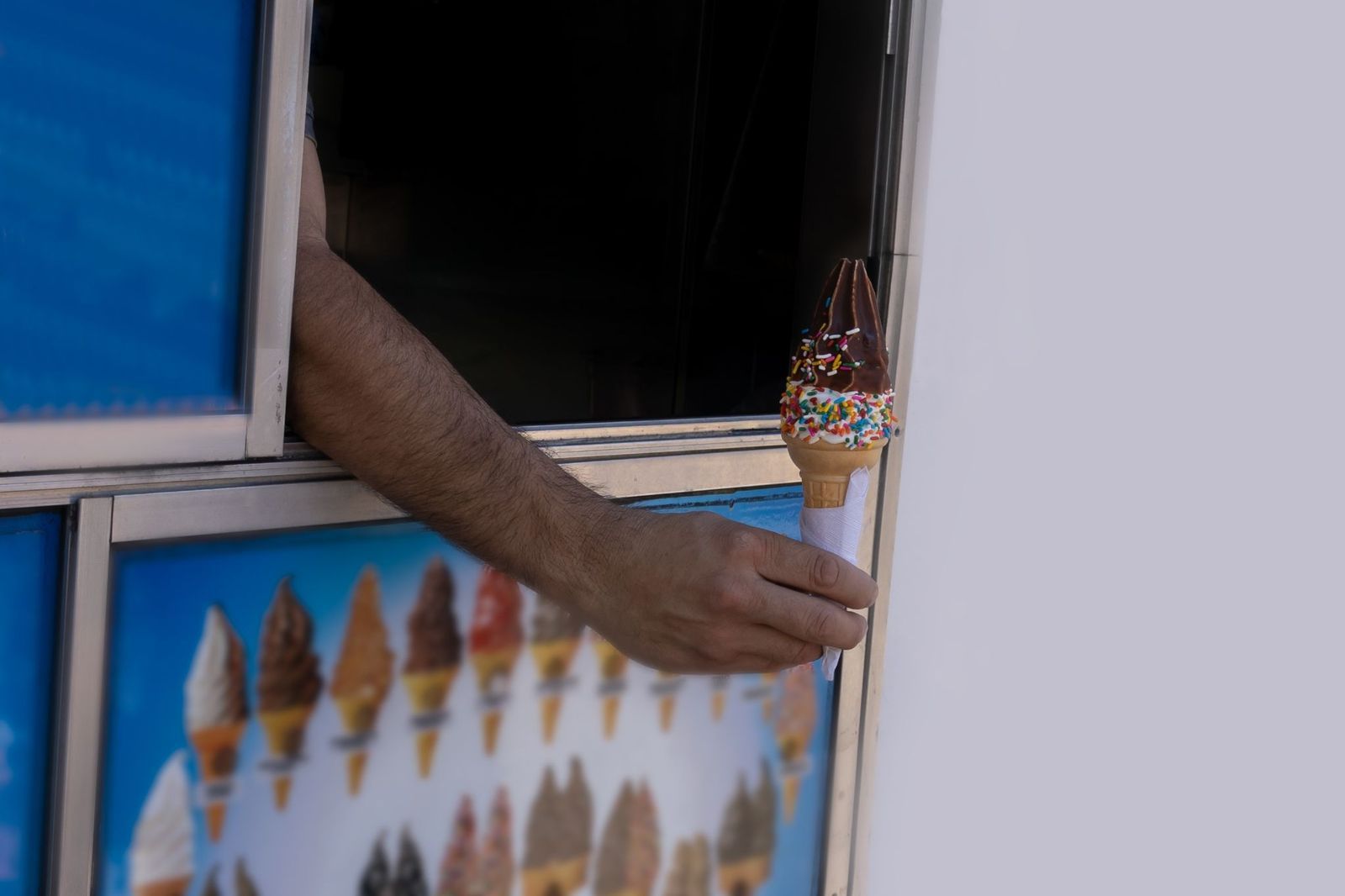
Image: Kirkam

As a kid, the ice cream truck bell was the sound of happiness. It didn’t matter what we were up to; we’d rush toward it the second we heard the bell and beg our parents to "please, please" buy us an ice cream. It was during the 1950s and ‘60s that ice cream trucks became a familiar sight in neighborhoods and later evolved into a tradition of American summer life . Ice cream trucks still maintain a strong presence in places like NYC, Chicago, and Los Angeles, but they’re not as common as they used to be.

4
The school bell
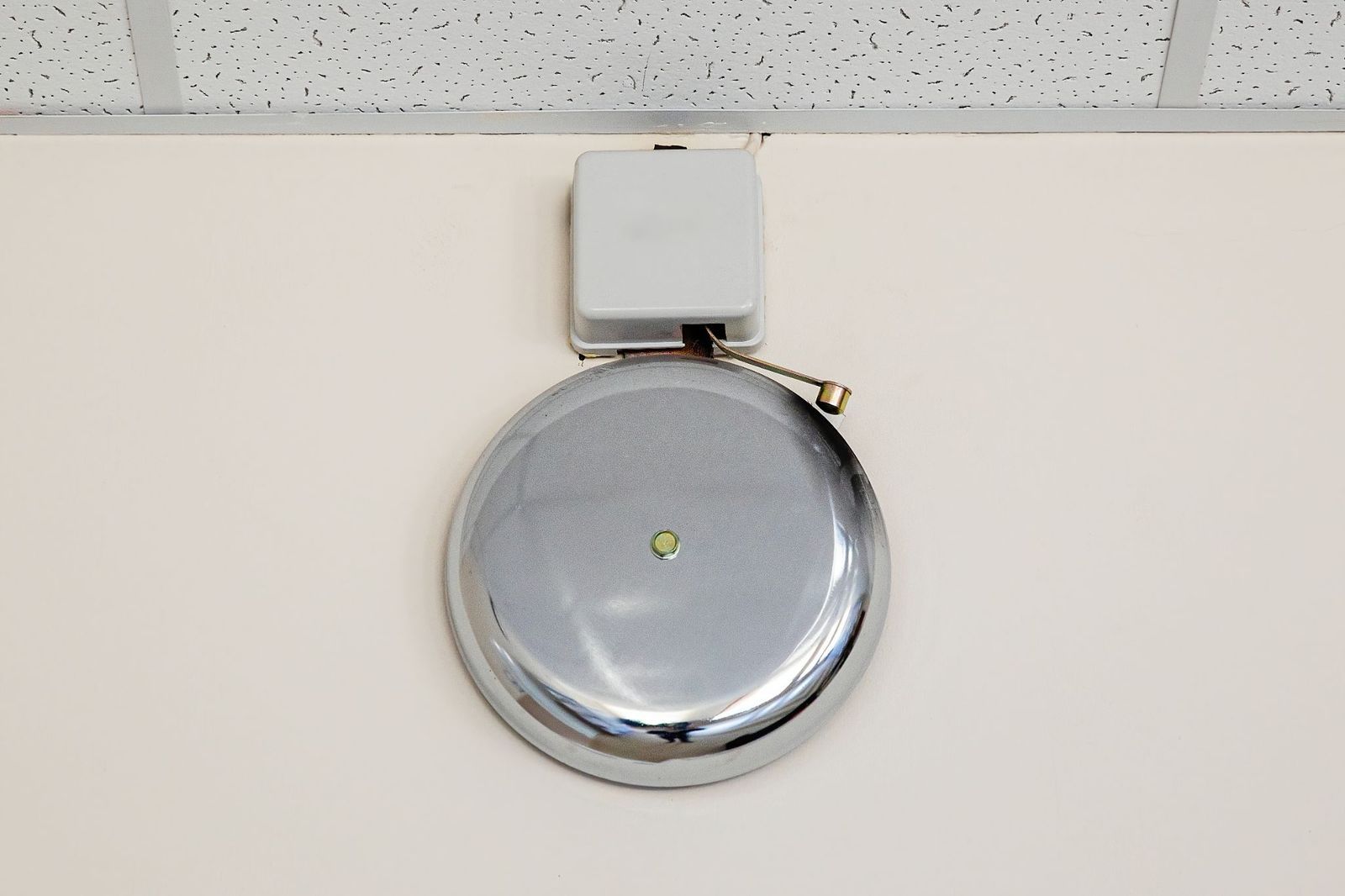
Image: studiomiracle

How could the exact same sound mean excitement or disappointment? The loud metal bell basically ran our entire school day: whether it was classes, lunch, recess, or the end of the school day, we’d hear that jarring "brrriiinnnggg " cut through the hallway, and we knew immediately what we had to do.

School bells have stuck around, but those old mechanical bells we grew up with have mostly given way to electronic bells or buzzers.

5
The dial-up modem
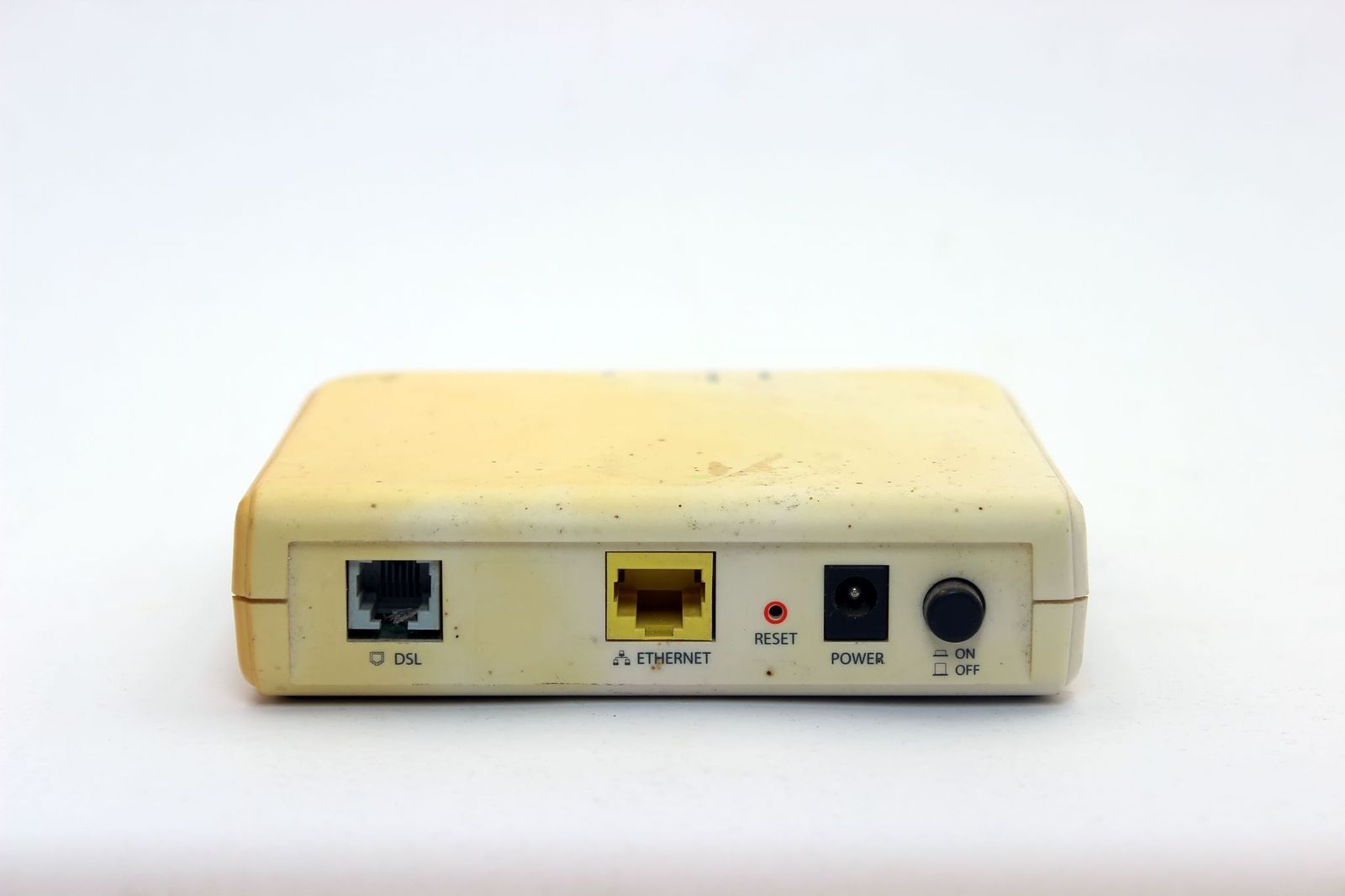
Image: StanR Studio

The early days of home internet are pretty funny to explain to younger generations. In the 1990s and early 2000s, before broadband became a common thing, if you wanted to use the internet, of course, you had to give up your phone line. But the real kicker was the sequence of beeps, screeches, clicks, and static-like sounds the modem made to connect to the internet.

The modem wasn’t constantly connected to the internet ; it connected only for those brief moments when you needed to use it for things like sending emails and basic web browsing.

6
The typewriter clacking

Image: Denis Klimov 3000

Computer keyboards do make noise, but it’s nothing compared to the clacking and dinging of typewriters. For most of the 20th century, typewriters were the norm: iconic novels and other works were written on one of these, and the " clack, clack, clack… ding !" could be heard in every office across the country.

Almost everything you did with a typewriter made noise: typing, returning the carriage, and even correcting mistakes made a series of sounds.

7
The record needle dropping
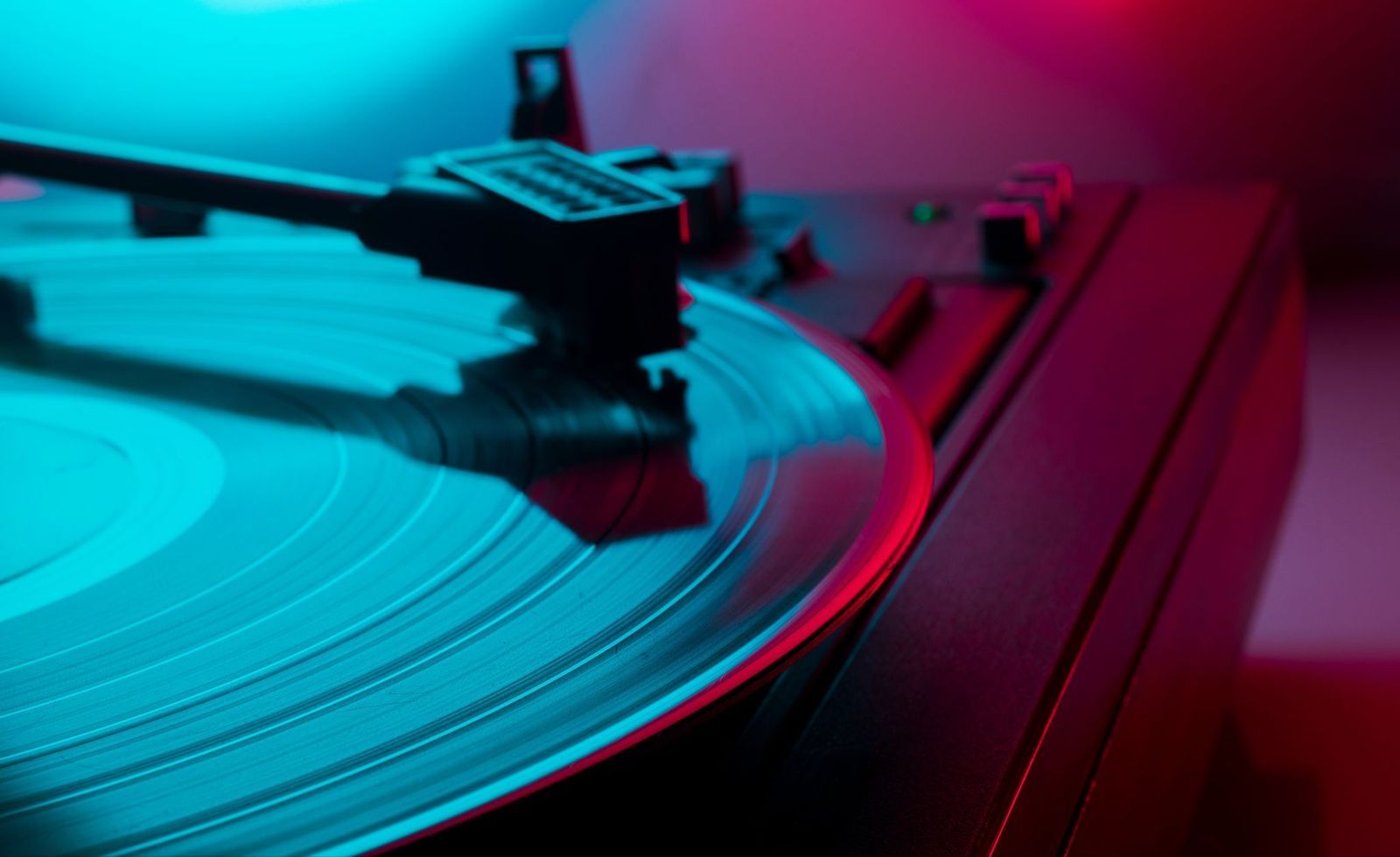
Image: Serhii Yushkov

How can something as simple as the sound of a needle hitting a record inspire a nostalgic smile? The brief, scratchy hiss and crackle it made before the music started is so memorable that it became a staple of an era — a fundamental part of the experience of listening to music at home.

Before streaming platforms like Spotify and Apple Music, vinyl records ruled the mid-20th century through the 1980s and then slowly gave way to cassettes and CDs. A time when listening to music meant taking the record out of its sleeve, placing it on the turntable, and lowering the tonearm for the magic to happen. Interestingly, vinyl record sales have made a comeback over the last two decades, growing from less than a million units in 2006 to over 48 million units in 2025.

8
The car horn from the driveway

Image: PeopleImages

Nowadays, you’d likely get a text message from your friend letting you know he’s outside to pick you up or an alert on your phone telling you the Uber is waiting for you. But not so long ago, that was the car horn’s job.

Today you can even share your live location with someone, and they can know exactly when you are arriving. But in the past, you had to listen for that short beep that meant " I’m here ."

9
The cash register "ka-ching"

Image: OsiecK

These days, when the only sound you may hear is the chime of your Apple Pay or the POS terminal processing the payment, the classic " ka-ching" of the cash register is long gone. But almost every store you went to had one of these mechanical registers for much of the 20th century.

It was a symphony of noises: keys clicking, a drawer opening, and the bell-like "ding" that meant the sale was completed. The term " ka-ching " became slang to imitate the sound of money being made.

10
The TV going off the air

Image: New Africa

Television didn’t always have 24-hour transmissions. There was a time when a station would sign off for the night after a closing announcement, and you’d be left with a test pattern or static on the screen until it resumed broadcasting the next day. As crazy as it may sound today, television had a beginning and an end, and this sound told you it was time to go to bed.

Starting in the 1980s, especially with the advent of cable TV, many stations began 24-hour broadcasting, and the sign-off slowly became rarer to see.
Geography Geography 4 min read

National gems of the US

Some of the US's most breathtaking national parks are the ones few visit

Image: Christopher Osten

The National Park Service reports that over 12 million people visit the Great Smoky Mountains Park every year. Be warned: it may not be the isolated haven you were looking for. If you want to visit less crowded national parks that are just as interesting and scenic, here is a list of suggestions .

1
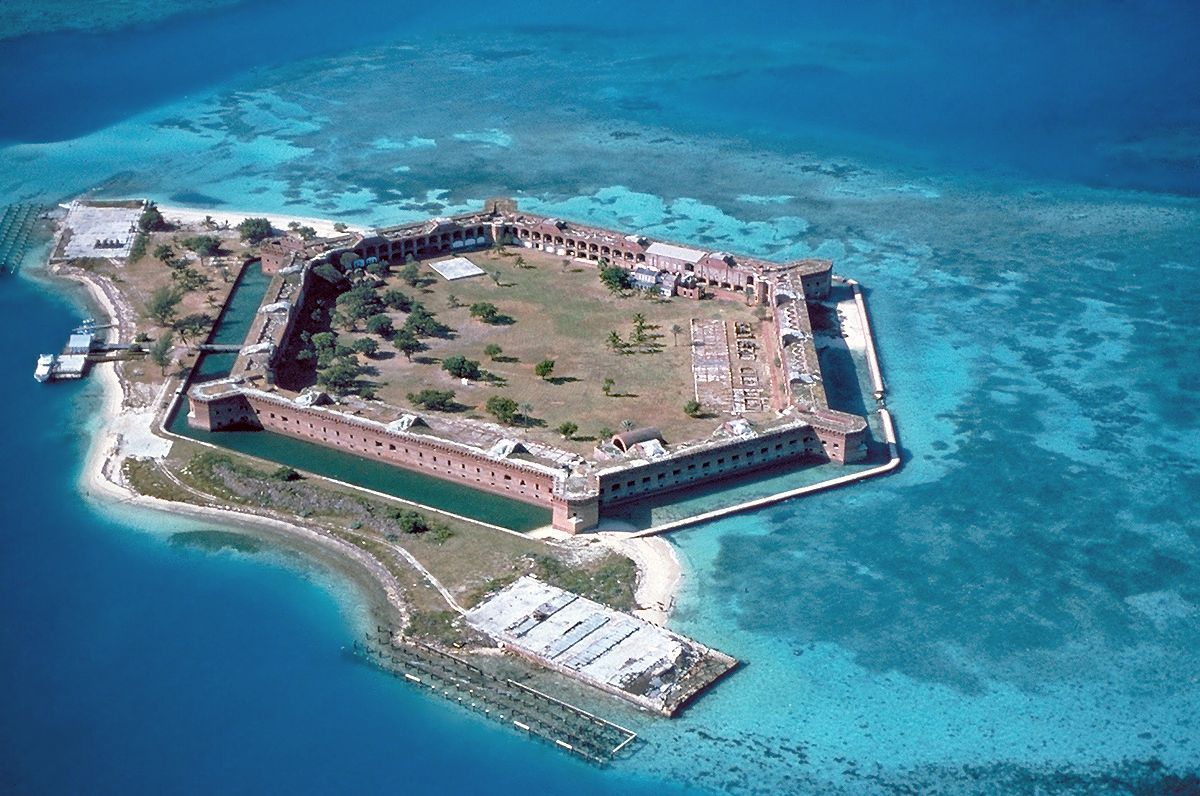
Dry Tortugas National Park, Florida

Image: U.S. National Park Service, Public domain, via Wikimedia Commons

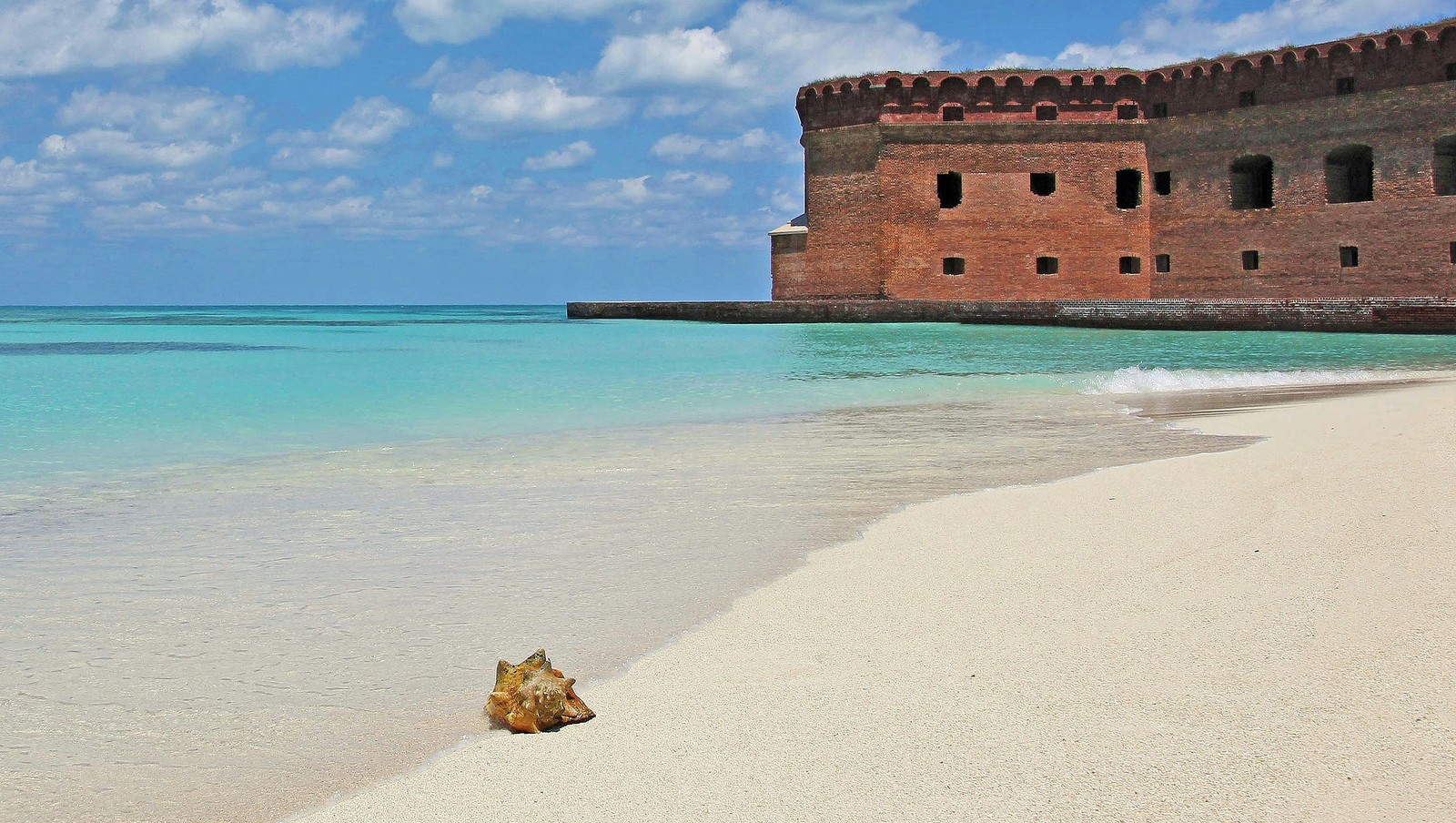
Located about 70 miles west of Key West, Dry Tortugas National Park is one of the most isolated national parks in the country , accessible only by ferry or seaplane. About 99% of the park is water. Its main landmark is Fort Jefferson, a massive unfinished 19th-century coastal fort built with more than 16 million bricks.

Visitors often go for a day trip, but camping is available for those looking for an overnight experience. The park also offers snorkeling, swimming, and birdwatching.

2
White Sands National Park, New Mexico

Image: Joonyeop Baek

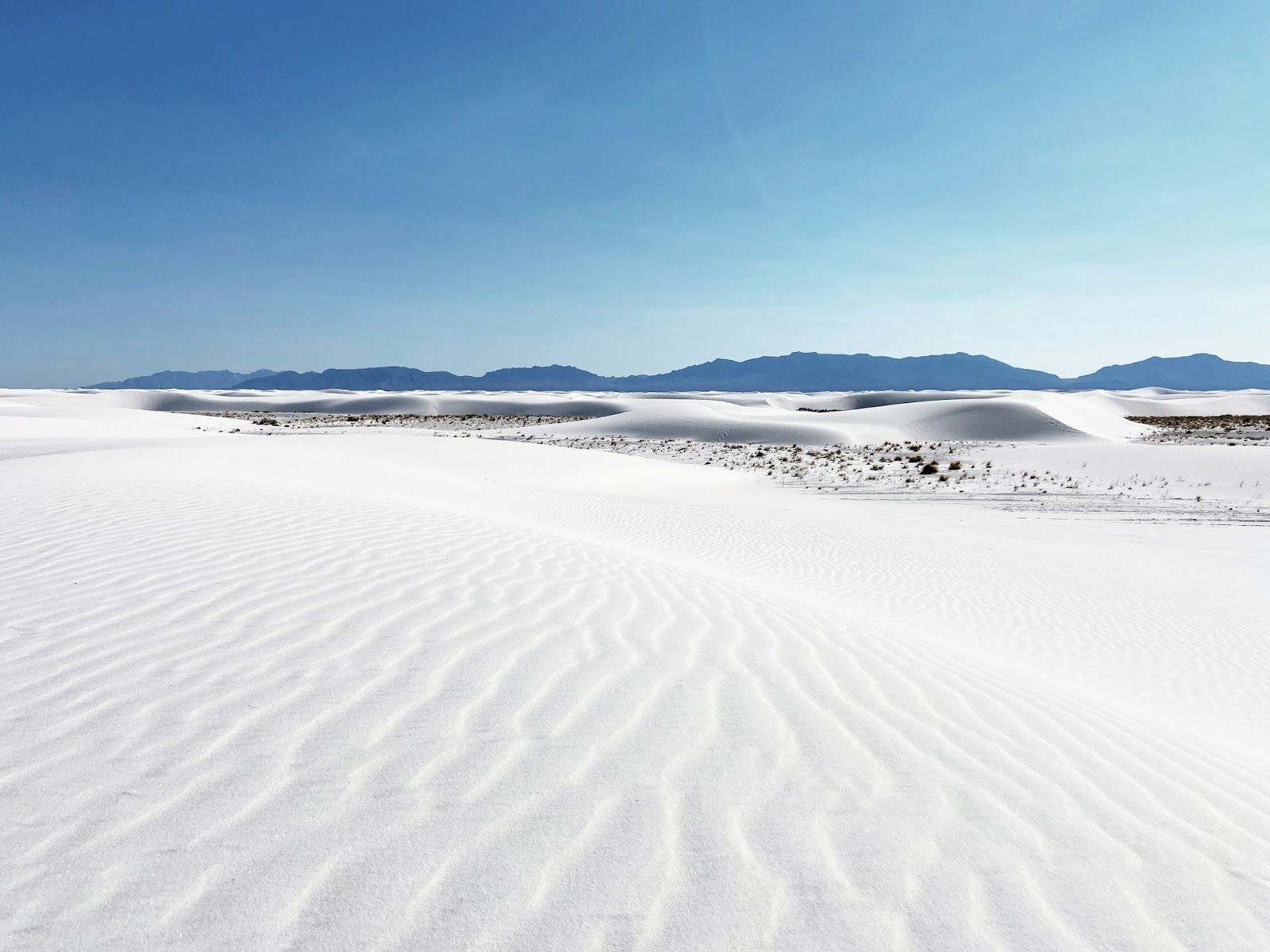
White Sands National Park protects the world’s largest gypsum dune field, covering about 275 square miles in southern New Mexico. Here is the difference between gypsum and typical sand: the former does not absorb heat the same way, so the dunes remain relatively cool underfoot, even in hot weather.

The park is known for activities like dune sledding, hiking marked trails , and scenic drives through the shifting landscape. While its distance from major cities means it stays less crowded than others, the park is still easily accessible by car.

3
Big Bend National Park, Texas

Image: Mick Haupt

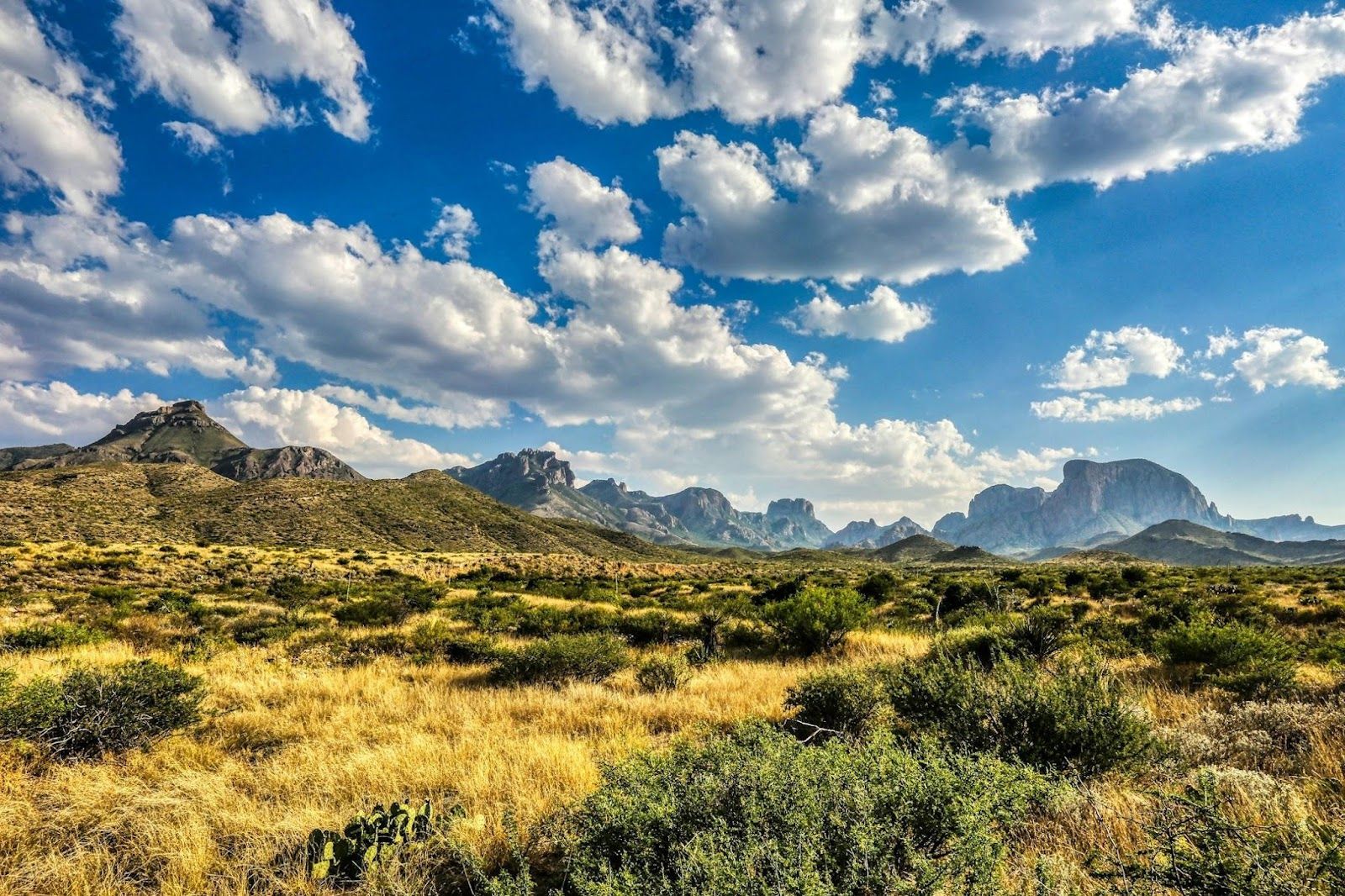
Big Bend National Park covers more than 800,000 acres along the Rio Grande, which forms the natural border between the United States and Mexico. It’s one of the least visited national parks of its size, largely because of its remote location in southwest Texas.

Those who visit come for the Ross Maxwell Scenic Drive, hikes into Santa Elena Canyon, and some of the best stargazing in the country. The Greater Big Bend International Dark Sky Reserve, spanning over 15,000 square miles, is the world’s largest certified "Dark Sky," an area where light pollution is regulated to preserve wildlife, aid astronomical research, and allow visitors to enjoy a stunning night sky.

4
Pinnacles National Park, California

Image: Mo

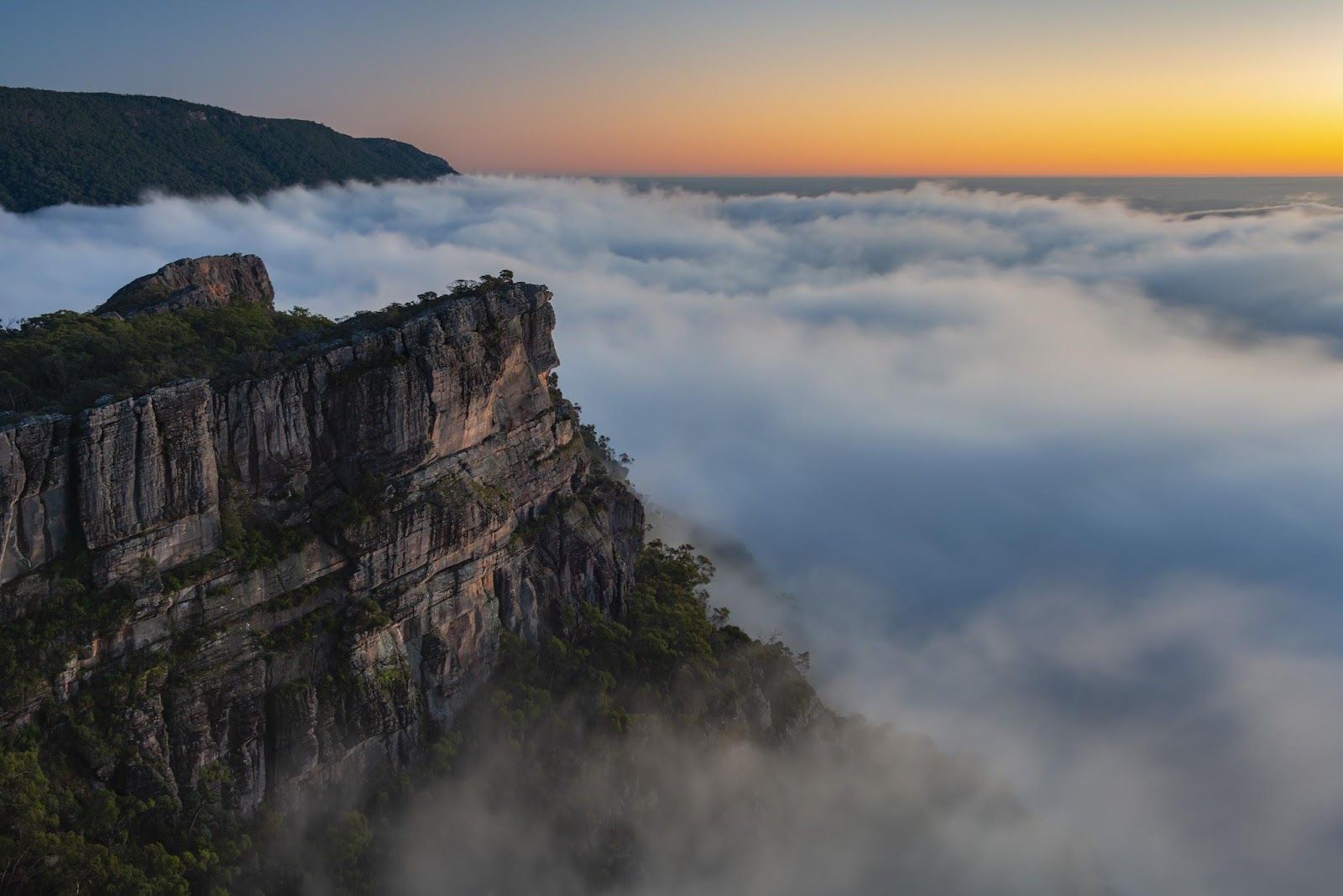
This national park might be one of the newest —it was designated in 2013—, but that doesn’t mean that its unique rock formations are recent. They were created by an ancient volcanic field that has shifted over millions of years.

The park is best known for its talus caves, one of the few places where you might spot the endangered California condor in the wild. Located about 80 miles southeast of San Jose, it’s relatively accessible but still far less crowded than parks like Yosemite .

5
Isle Royale National Park, Michigan

Image: English: NPS staff, Public domain, via Wikimedia Commons

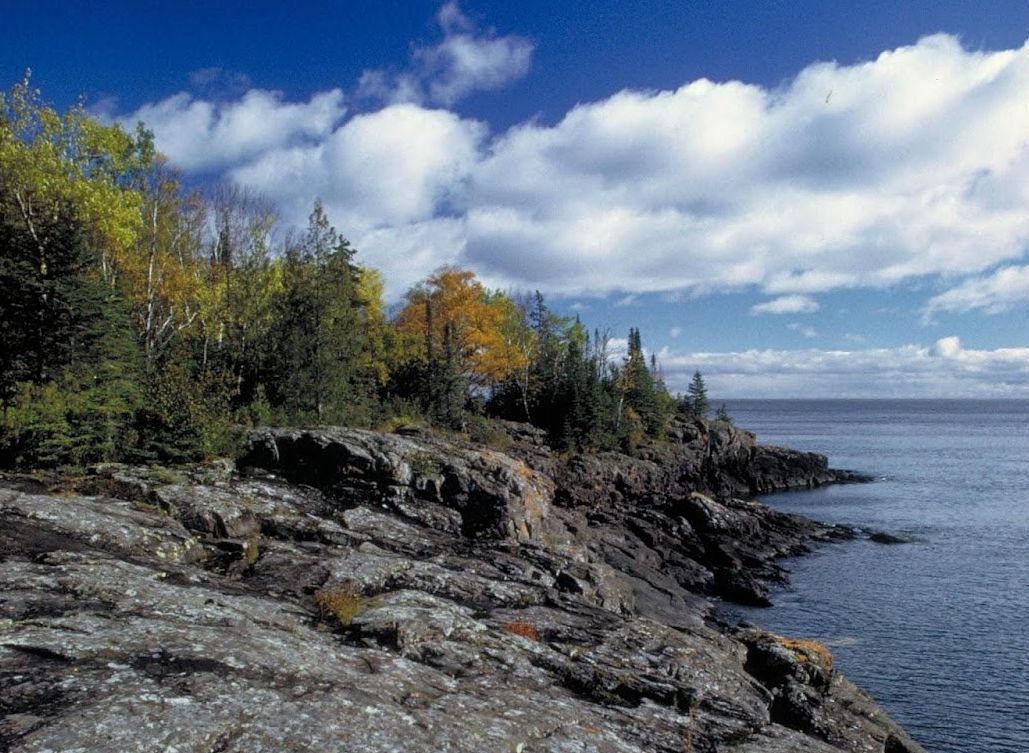
This island sits on Lake Superior and is one of the least visited national parks in the United States, receiving only a small fraction of the visitors seen at major parks. It’s only accessible by ferry or seaplane, and has no roads or cars.

This makes it an ideal destination for hikers, backpackers, and kayakers. Keep in mind, though, that the park is only open from mid-April through October due to harsh winter conditions.

6
Mammoth Cave National Park, Kentucky

Image: Niagara66, CC BY-SA 4.0, via Wikimedia Commons

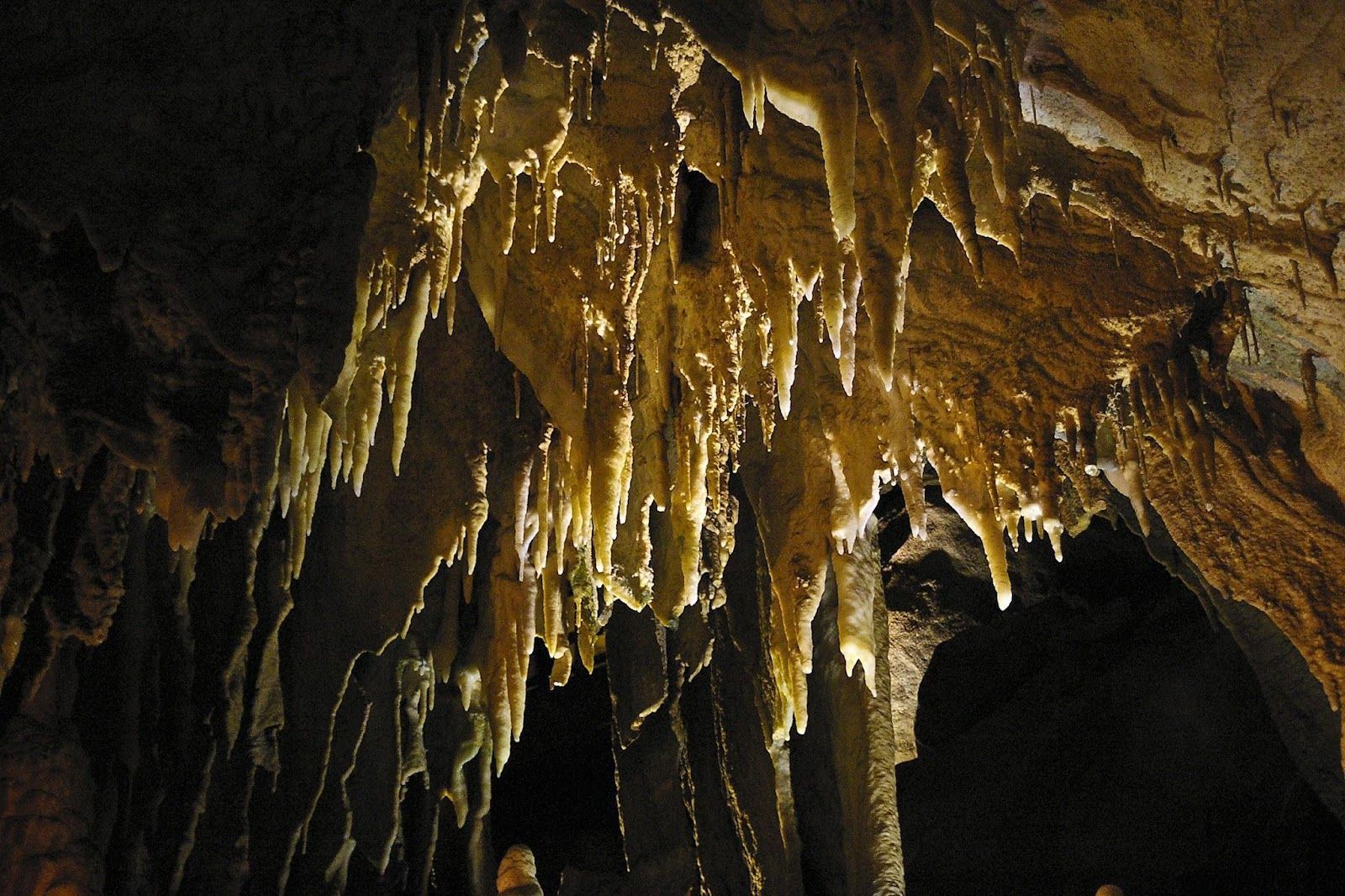
Mammoth Cave National Park protects more than 400 miles of mapped underground passages . That makes it the longest cave system in the world —and scientists believe there are hundreds of miles left to be discovered.

Guided tours are available, ranging from easy walking routes to more physically demanding crawls. Even above ground, the park offers hiking, biking, and canoeing along the Green River.

7
Voyageurs National Park, Minnesota

Image: English: NPS, Public domain, via Wikimedia Commons

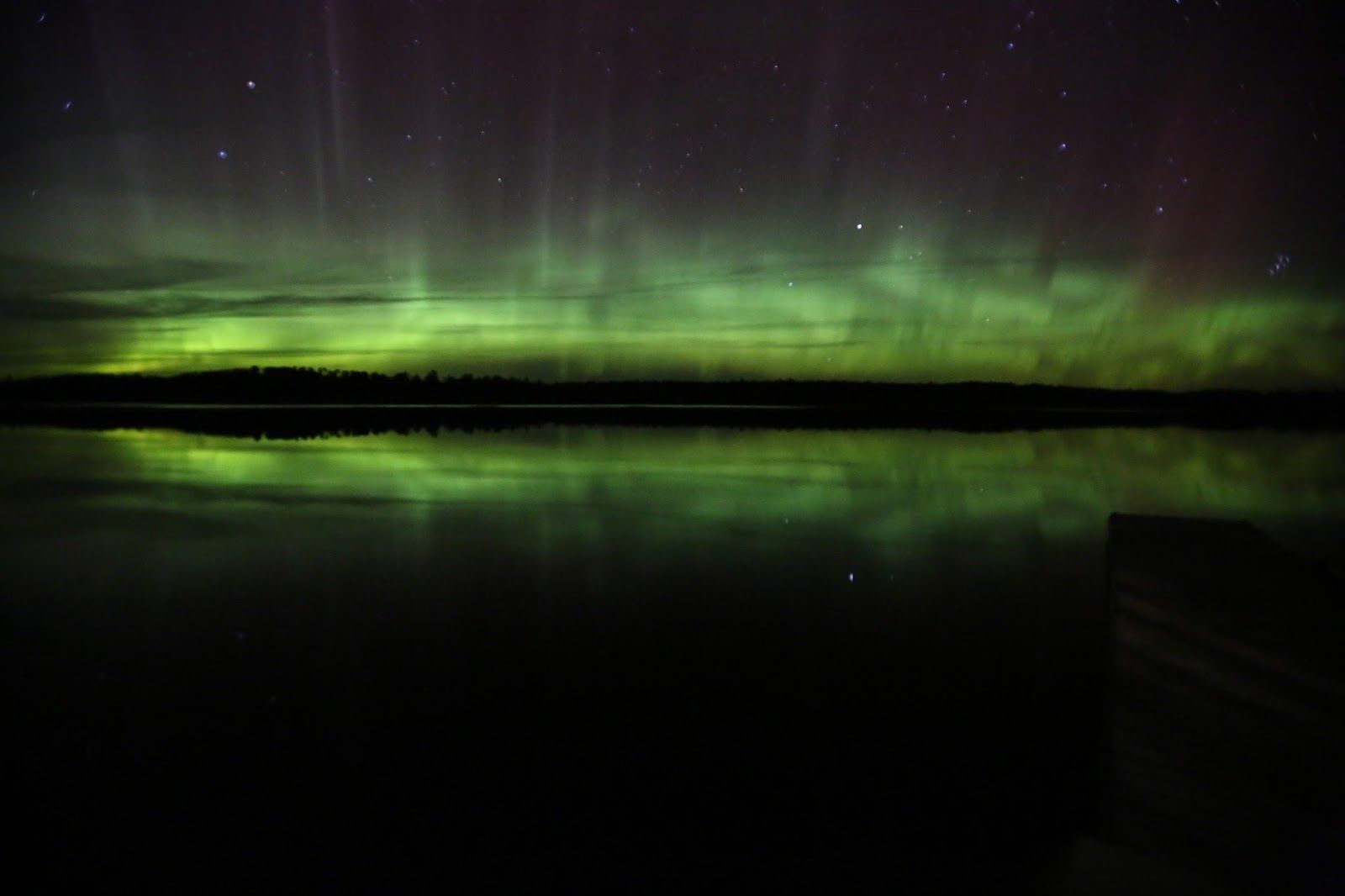
Voyageurs National Park is named after French-Canadian fur traders who once traveled these waterways. It is made up of nearly 40% water, with a network of interconnected lakes along the Canadian border. That means you can explore it by boat, kayak, or canoe.

Its isolation and lack of light pollution also make it ideal to enjoy gorgeous night skies —to gaze at the stars, the Milky Way, or even the Northern Lights.

8
North Cascades National Park, Washington

Image: Trevor Vannoy

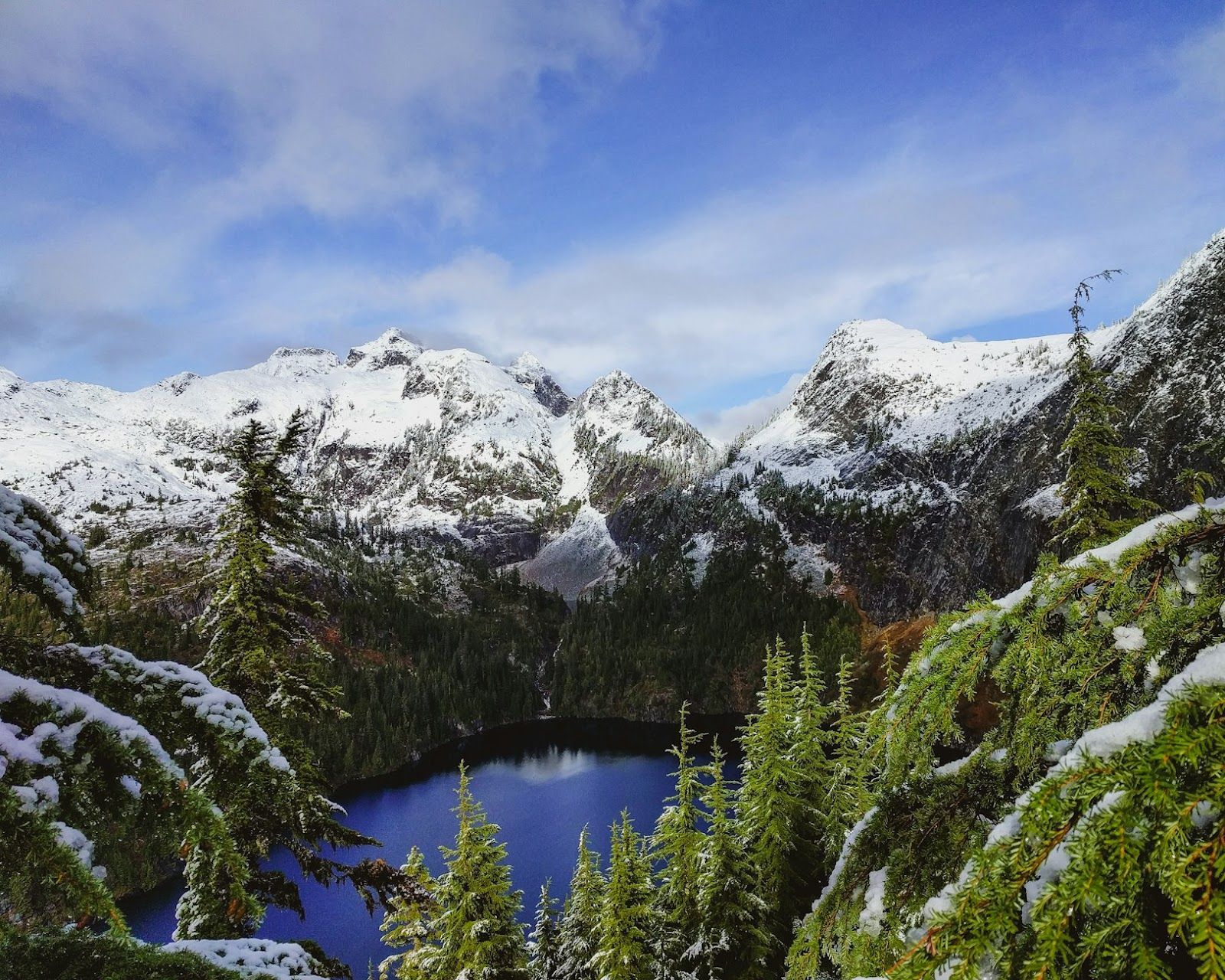
North Cascades National Park is one of the most glaciated areas in the contiguous US, with around 300 glaciers. Located about a three-hour drive from Seattle, it remains one of the least visited national parks, largely because it lacks the easy roadside viewpoints found in places like Yellowstone.

Its highlights include Diablo Lake and the Cascade Pass trail. Summer and early fall offer the best access, as many roads and trails are closed by snow in winter.

9
Wrangell-St. Elias National Park and Reserve, Alaska

Image: Mick Kirchman

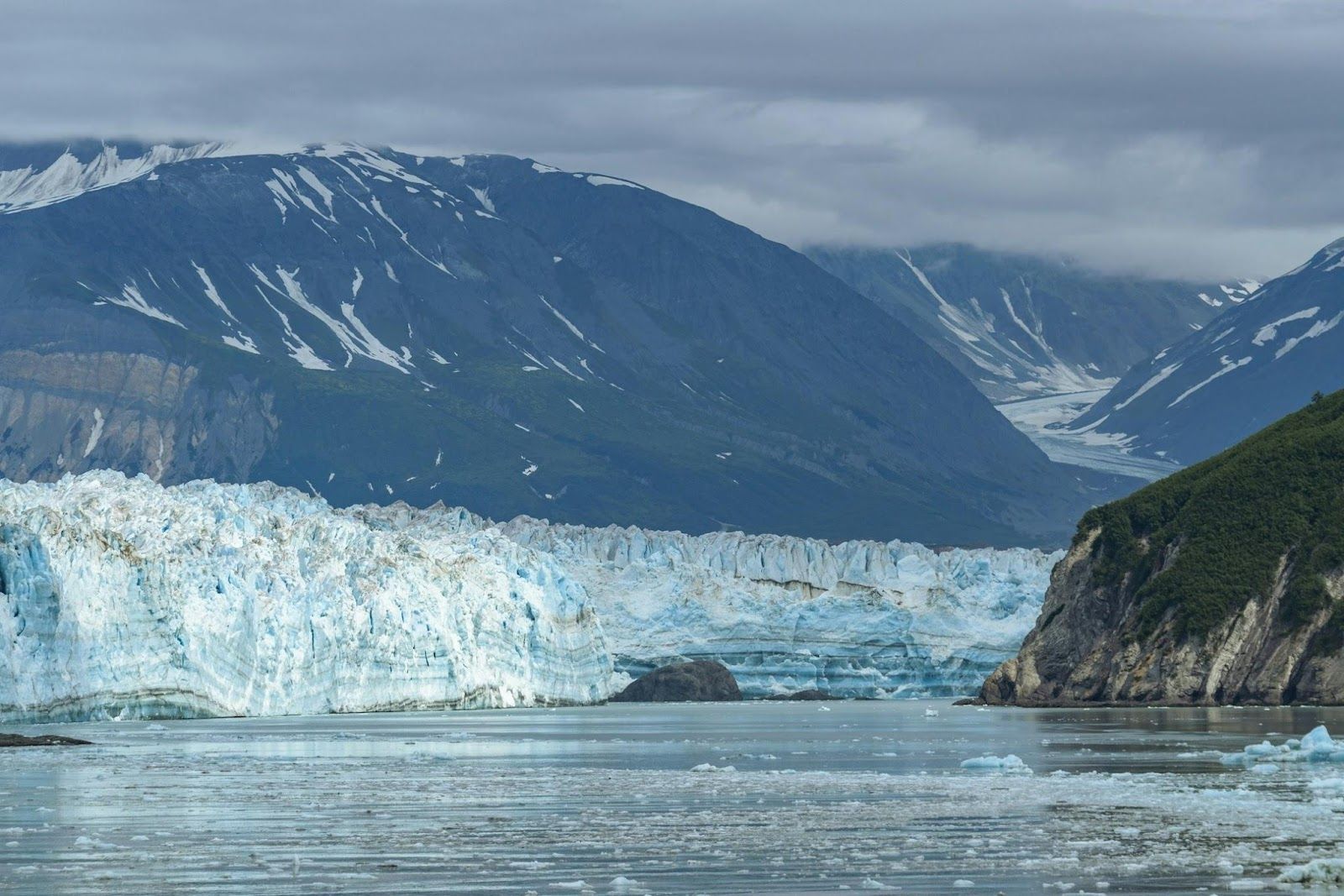
Wrangell–St. Elias National Park and Preserve spans about 13.2 million acres. That means it’s larger than Yellowstone, Yosemite, and Switzerland combined . The park includes some of North America’s tallest peaks, massive glaciers, and historic mining sites like the Kennecott Copper Mine. Most travelers can explore it via small aircraft, guided tours, or long-distance hiking trips.

10
Petrified Forest National Park, Arizona

Image: dconvertini, CC BY-SA 2.0, via Wikimedia Commons

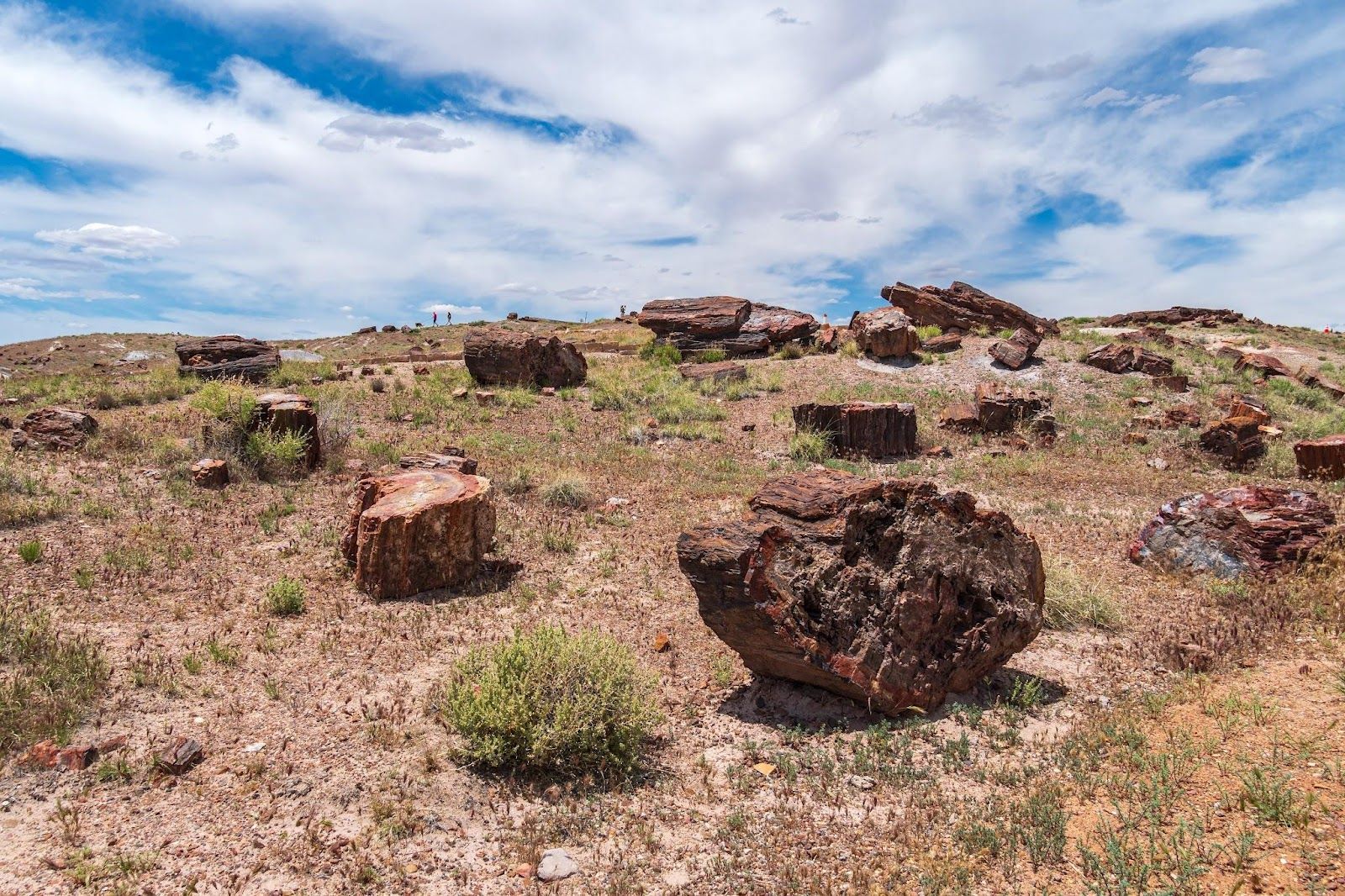
Petrified Forest National Park is known for its large deposits of petrified wood, trees that lived over 200 million years ago and have since turned to stone. The park also includes sections of the Painted Desert, with layered rock formations in shades of red, purple, and orange . It can be easily explored by car, with a scenic drive connecting major viewpoints and short trails.

Culture Culture 7 min read

The Crossroads of the World

From "Satan's Circus" to 50 million visitors: 10 Times Square secrets

Image: Roberto M.

You've seen Times Square on TV a thousand times. You may have even stood there. But there are plenty of secrets about the site that most people don’t know. For example, the building that the world watches every New Year's Eve is almost empty inside. The red stairs everyone poses on are actually a roof. The ball only exists because the city banned fireworks in 1907. And before any of that, the neighborhood was so vice-ridden that locals called it "Satan's Circus." Here are 10 facts about the most visited place in America.

1
The ball drop only exists because the city banned fireworks

Image: Anthony Quintano, CC BY 2.0, via Wikimedia Commons

New Year’s Eve celebrations began in Times Square as early as 1904. That year, New York Times owner Adolph Ochs threw an extravagant fireworks party to christen the paper’s new headquarters.

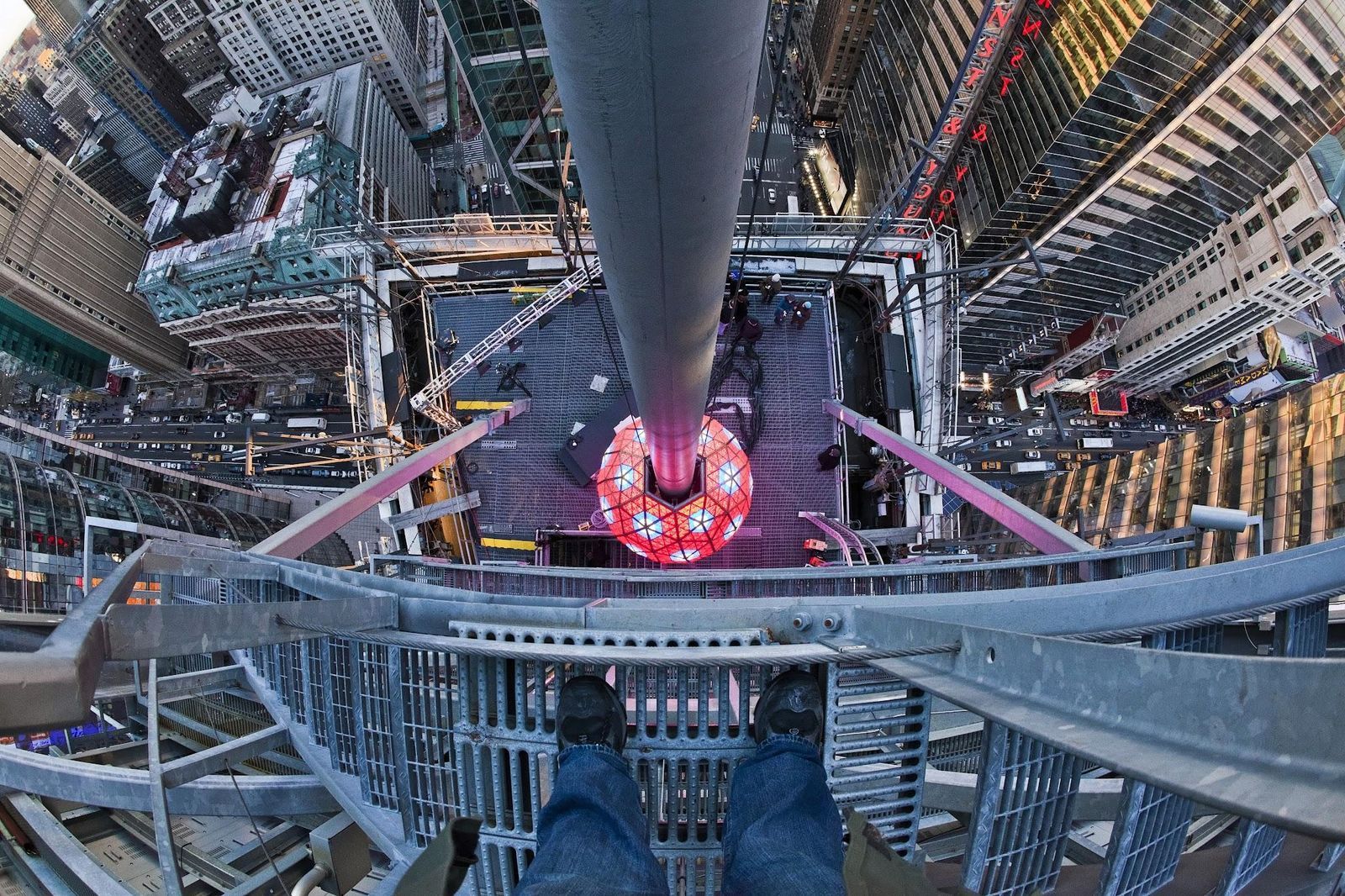
Two years later, the city banned fireworks over fire hazard concerns. Ochs’ chief electrician, Walter Palmer, proposed a "time-ball" to replace the pyrotechnics. This would imitate a navigational device used by ships. So, on December 31, 1907, a 700-pound iron-and-wood ball, five feet in diameter, lit by 100 twenty-five-watt bulbs, made its first descent from the flagpole atop One Times Square.

The tradition has continued every year since, except in the wartime dimouts of 1942 and 1943. Today’s ball is the ninth version and is the largest ever: 12.5 feet wide, weighing 12,350 pounds, and covered in 5,280 handcrafted Waterford crystal discs.

2
It used to be called "Satan’s Circus"

Image: Miscellaneous Items in High Demand, PPOC, Library of Congress, Public domain, via Wikimedia Commons

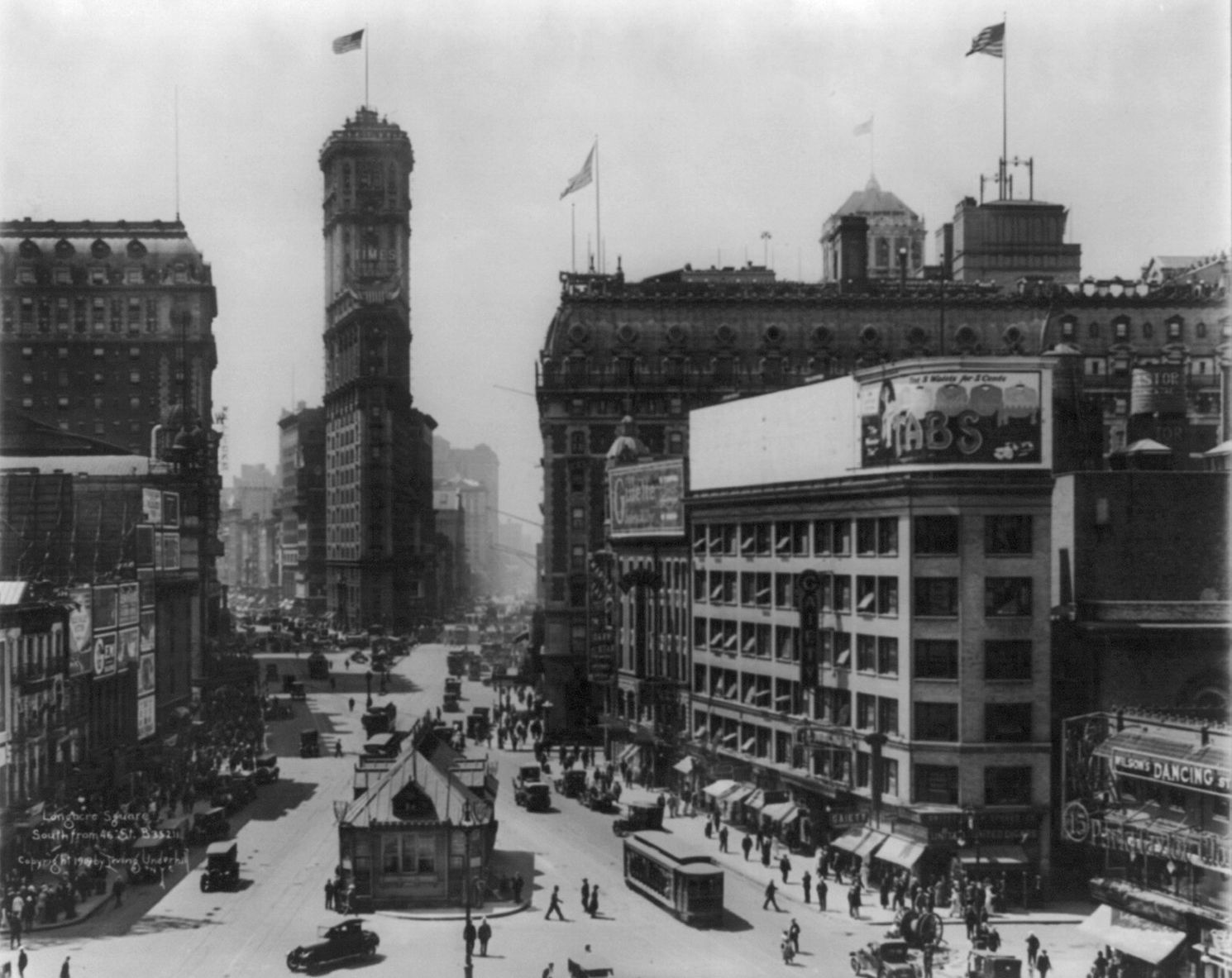
The area was once called Longacre Square, named after London’s carriage district, because the neighborhood was the center of New York City’s horse carriage industry. It was also one of the most vice-ridden corners of Manhattan. In 1901, the surrounding blocks contained 132 brothels and at least as many saloons. Police called the area "the Tenderloin." Locals called it "Satan’s Circus."

The transformation began when the New York Times decided to build its new headquarters there, betting on the city’s first subway line, which was already planned to run beneath the block. In 1904, the area was officially renamed Times Square in a public ceremony. Later that year, the newspaper moved into its gleaming new tower, then the city’s second-tallest building. The Times only stayed there for 9 years before relocating to larger offices on West 43rd Street. But the name it left behind proved permanent.

3
It was once one of the most dangerous blocks in America

Image: Charles A. Pickup

While it lost its "Satan’s Circus" nickname long ago, the tourist-friendly Times Square most visitors know today is almost unrecognizable from what it was just four decades ago. By 1984, more than 2,300 crimes were being committed every year within a single-block radius.

The streets were dominated by drug dealers, street crime, porn and peep show theaters, and open prostitution. The TKTS discount theater ticket booth, opened in 1973, was conceived as an emergency measure, an attempt to pull foot traffic back into a neighborhood that businesses had abandoned. The City of New York and the State of New York, as well as private investors and the non-profit Times Square Alliance, collaborated to reduce the crime rate and welcome the commerce and brands that eventually turned Times Square into a tourist hub.

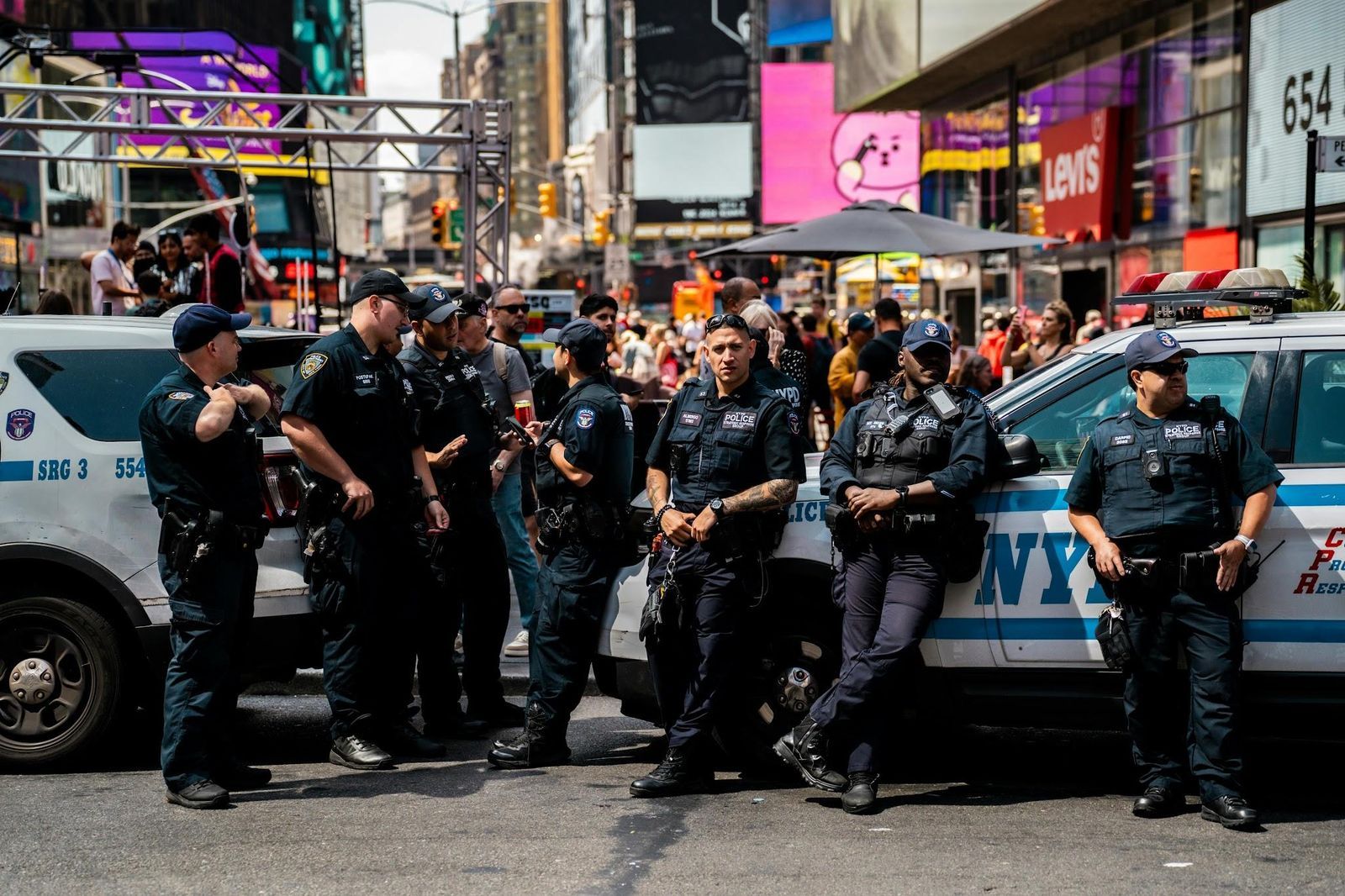
By 2001, major felony offenses had fallen 62.3% from their 1993 peak. Today, Times Square is one of the most policed and most surveilled public spaces in the United States, with a dedicated NYPD substation on the premises. The same block that was America’s most notorious danger zone now draws 50 million visitors a year.

4
The TKTS red stairs are actually a roof

Image: Jim.henderson, Public domain, via Wikimedia Commons

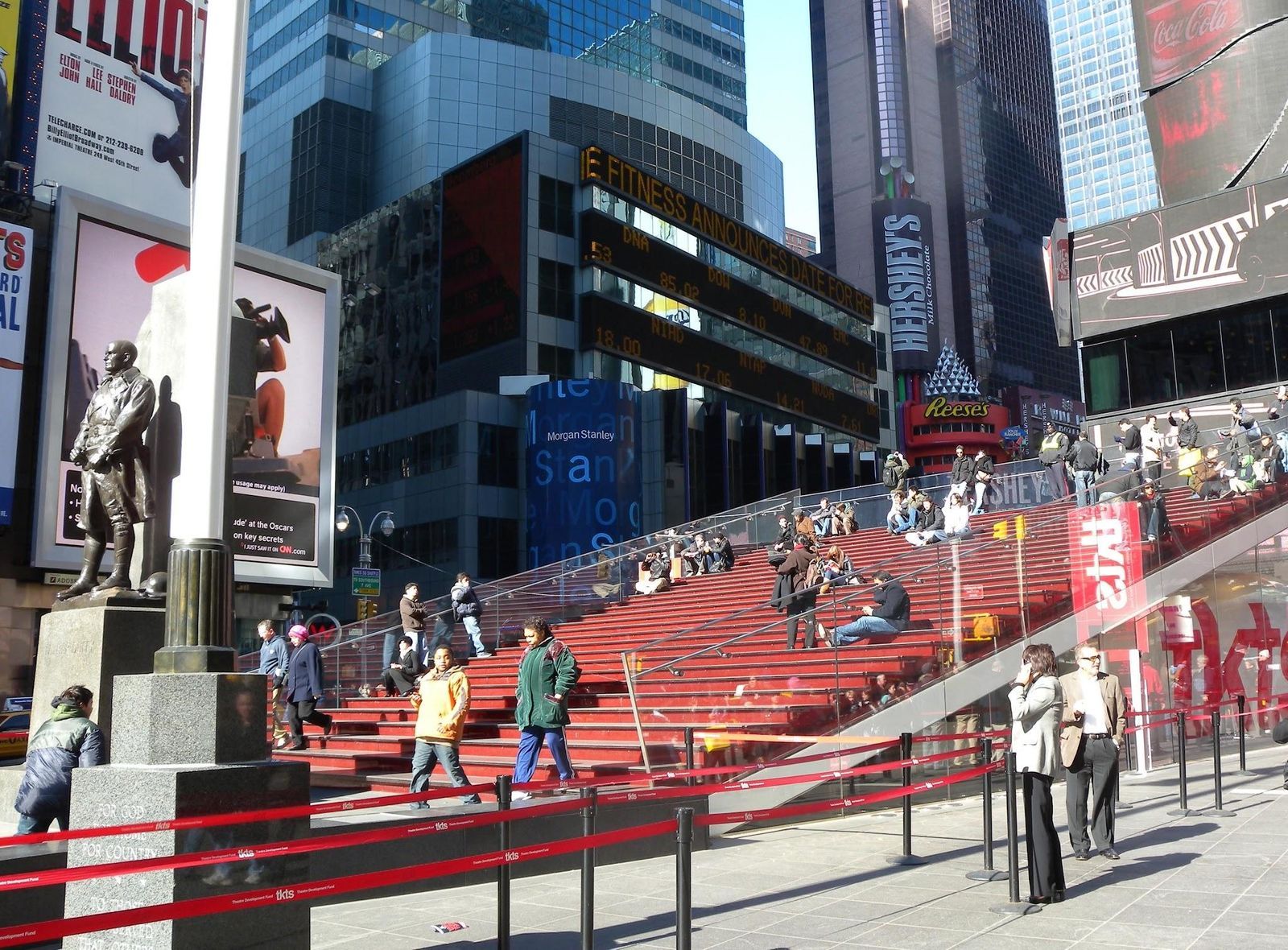
Most of the millions of tourists who climb the famous ruby-red stairs in Times Square assume they’re just a viewing platform. In fact, they’re a roof. Underneath the 27 steps sits the TKTS booth, operated by the Theatre Development Fund, where theatergoers can buy same-day Broadway and off-Broadway tickets at discounts of up to 50%.

In 1999, a design competition was held for a permanent replacement. The winning concept proposed building the new booth’s roof as a public staircase. It would be a bleacher-style ascent that would give visitors an elevated vantage point over the square. The structure was completed in October 2008. It glows red at night because it is lit entirely from below. About 13,000 people walk past it every day.

5
New York City law requires the lights to stay on

Image: Luke Miller

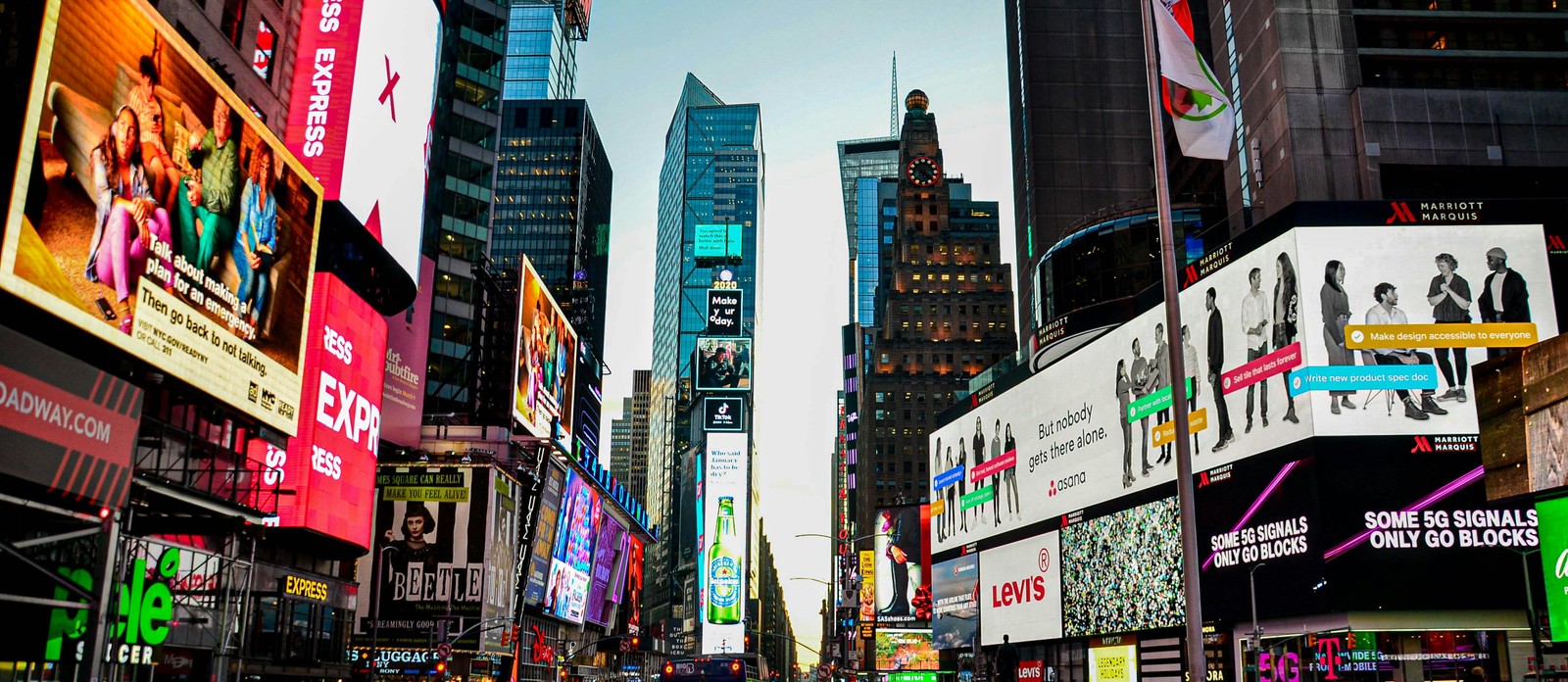
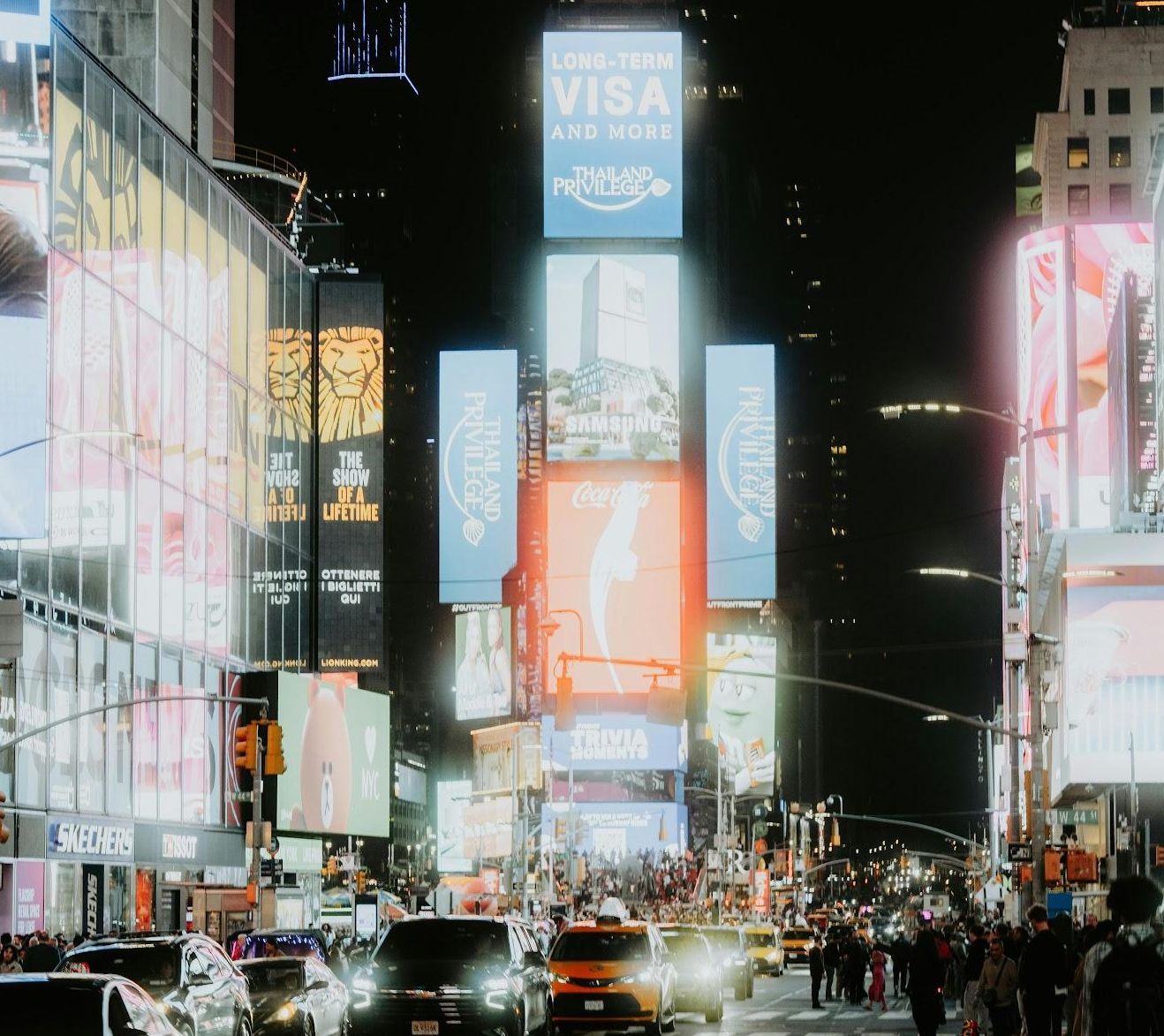
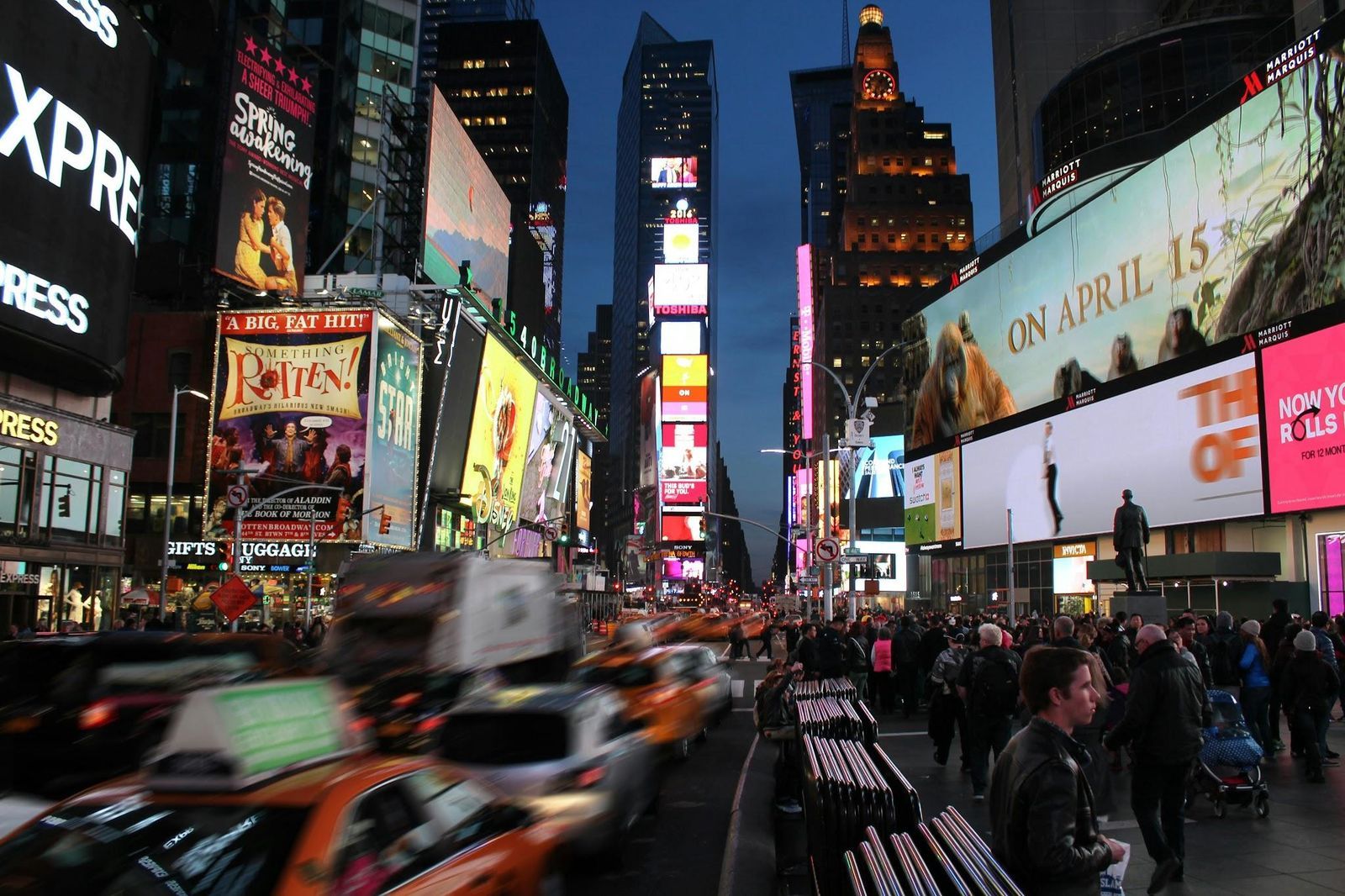
Did you know that Times Square stays aglow by law? A 1987 New York City zoning ordinance requires all new developments and major enlargements on blocks in the area, with frontage on Seventh Avenue or Broadway, to include large-scale illuminated signage.

The regulation was introduced to protect the district’s visual character after years of blank-faced modernist towers had dulled its energy. Buildings are legally required to display a minimum illuminated surface area, and signage must remain lit during designated hours.

6
The most famous building there is almost empty

Image: Quick PS

One Times Square building is famous; the whole world watches the ball drop from it every New Year's Eve. But few people know that it’s all but empty inside. It has no regular office tenants. Its upper floors are largely unused.

When the New York Times vacated in 1913, the building passed through several owners and eventually became what it is today: a structure whose primary economic purpose is its skin. Still, the billboard faces on its exterior generate millions of dollars per year — a single advertising slot can command upwards of $4 million annually. In effect, One Times Square is a 25-story billboard dressed as a skyscraper.

7
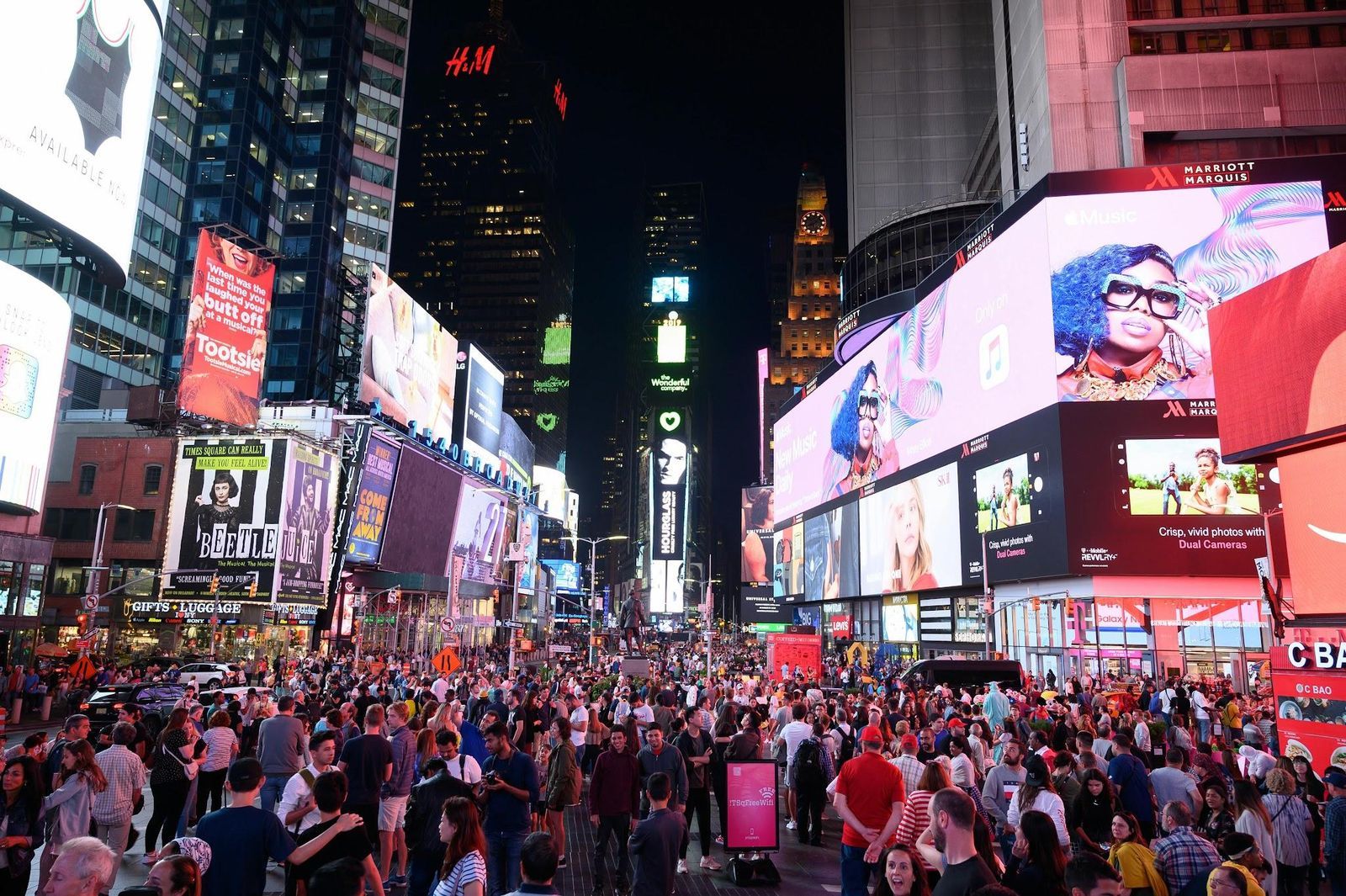
50 million people visit every year, more than all Disney Parks combined

Image: Benoit Dujardin

Times Square draws an estimated 50 million visitors annually —more than all Disney theme parks worldwide combined. On a typical day, approximately 330,000 people pass through. On peak days, that number exceeds 460,000.

Its official website notes that more people walk through Times Square each year than live in the entire country of Iceland. Visitor spending totals roughly $4.8 billion per year, and for every dollar a tourist spends anywhere in New York City, approximately 22 cents are spent within Times Square’s few blocks.

After a dip during the pandemic, tourism to New York City has rebounded strongly, with the city welcoming over 65 million visitors in 2025 and projecting 67 million in 2027. Times Square remains the single biggest draw within the city, accounting for a disproportionate share of that spending.

8
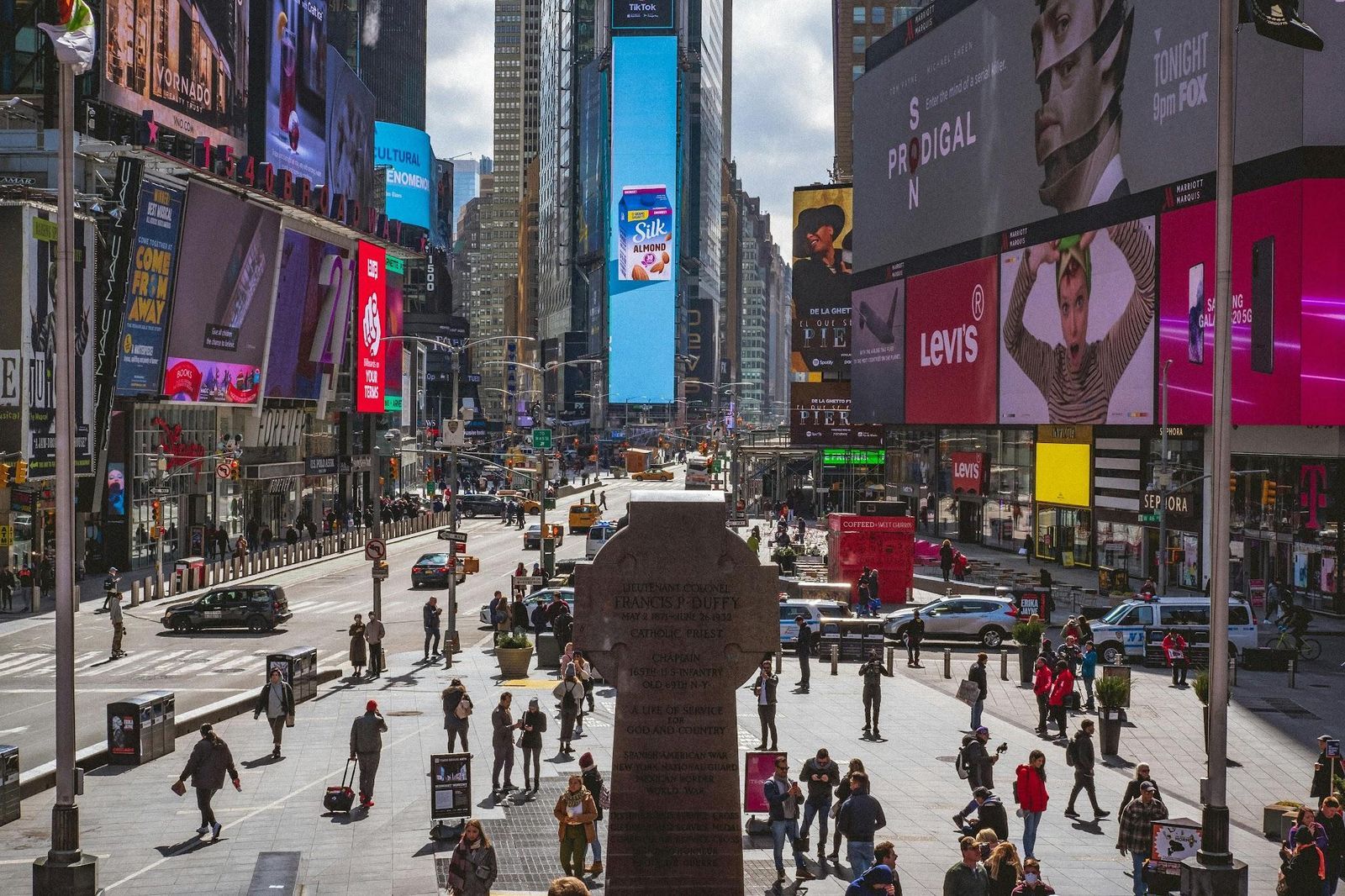
It’s not actually a square; it’s two triangles

Image: Cesar Done

Geometrically speaking, Times Square is not a square. It’s more like a bowtie; two elongated triangles formed where Broadway, a diagonal road that predates the Manhattan street grid by centuries, cuts across Seventh Avenue.

The city’s famous grid was laid out by the Commissioners’ Plan of 1811. Broadway, an ancient Indigenous trade route that became a colonial road, was already there and simply too important to straighten. Every point where it crosses a major avenue creates an irregular intersection, and Times Square is the most famous of them.

9
It has witnessed incredible moments in American history

Image: Victor Jorgensen, Public domain, via Wikimedia Commons

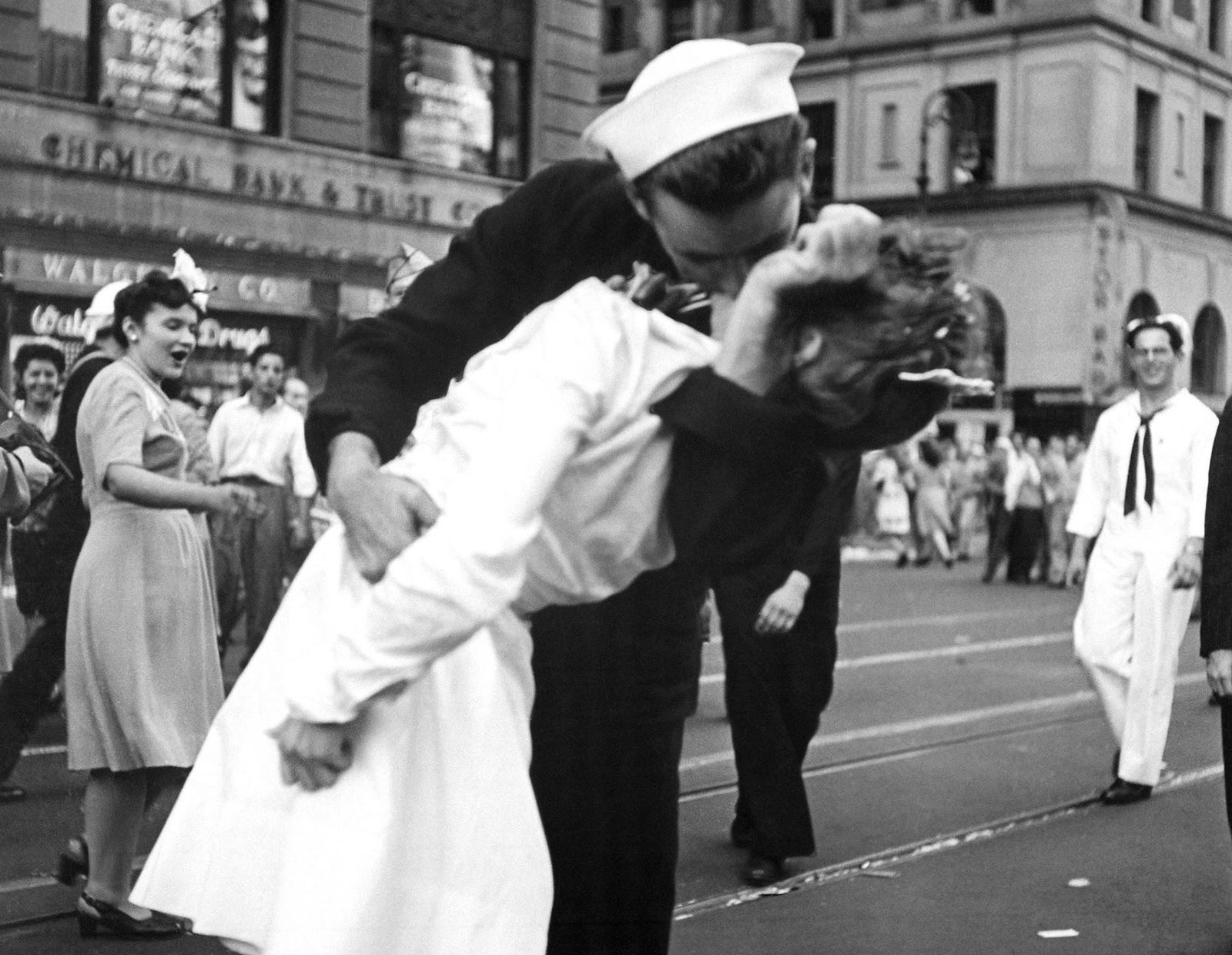
Times Square has functioned, again and again, as the place where Americans gather when history breaks. On May 8, 1945, a.k.a. V-E Day, crowds flooded the streets to celebrate the end of the war in Europe. Three months later, on August 14, 1945, a.k.a. V-J Day, the moment Japan’s surrender was announced, ending World War II entirely, the square erupted again.

Life magazine photographer Alfred Eisenstaedt was in the crowd and photographed a sailor spontaneously grabbing a nurse in white uniform and kissing her, an image published in the magazine. Also, on December 31, 1999, the world watched Times Square’s ball drop as the year 2000 arrived and Y2K fears proved unfounded.

10
Buildings are required by law to display bright signage

Image: Owen Barker

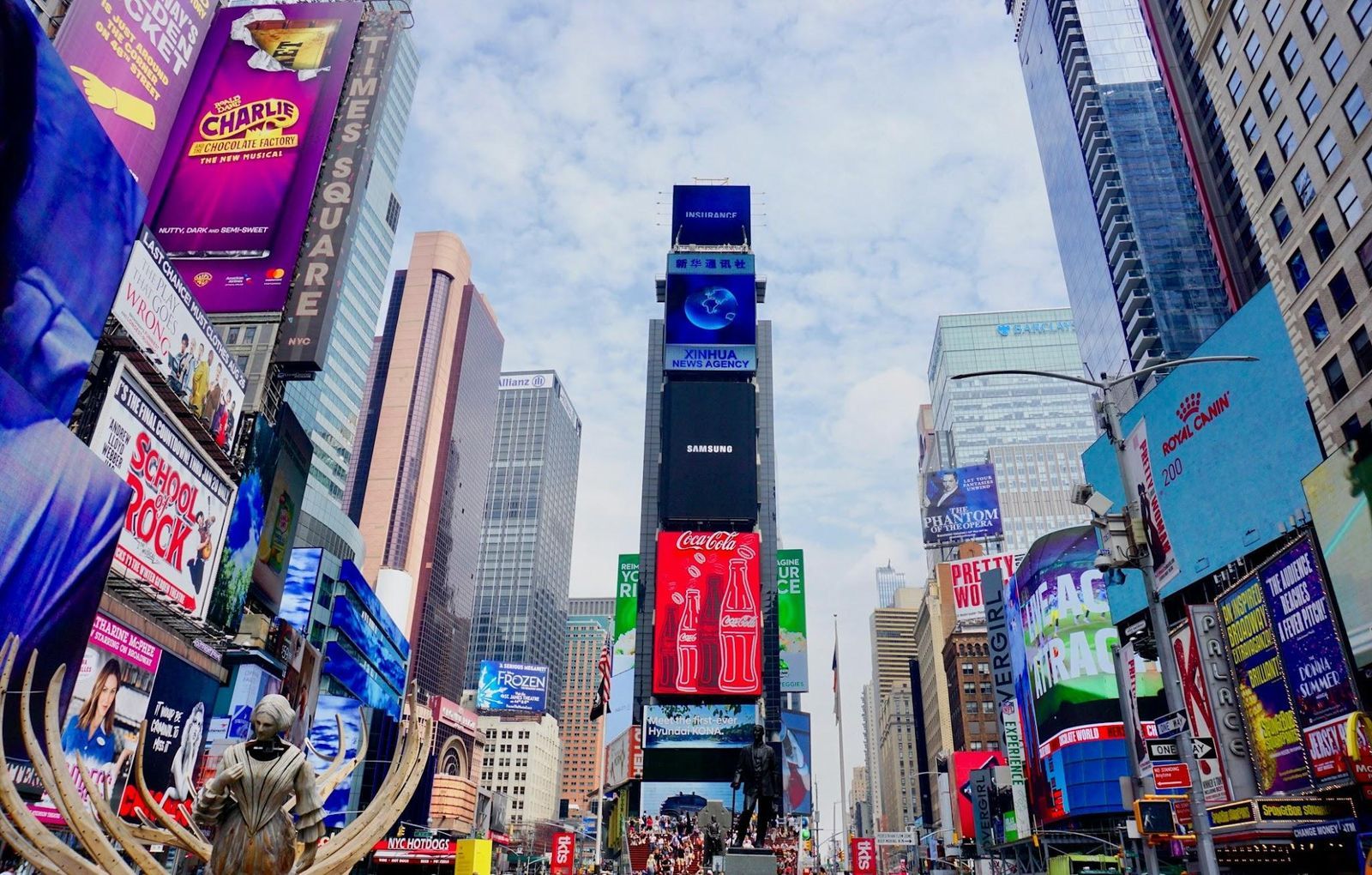
The exterior of a Times Square building generates more revenue per square foot than almost any interior use could. Running a single billboard requires no HVAC, no tenant improvements, no elevator maintenance, no building management. It requires a screen and electricity. The result is a district where the most valuable real estate in America is literally the surface of things.

Building owners sometimes spend tens of millions of dollars on facade renovations not to improve the building but to improve the view of the building.

Explore more American facts

Choose your favorite category!

General
General

As American as apple pie—the very best America has to offer!

Culture
Culture

Delve into the astounding richness of American lore.

Geography
Geography

Hop in and explore vast and diverse American landscapes.

History
History

Discover the key moments that shaped the United States.