Culture Culture 4 min read

Just recently legal

10 everyday things once banned in America
Image: Amigo Mobility

If you had to name something that’s illegal or banned in America, buying margarine or playing pinball probably wouldn’t be at the top of the list. But they were, and not so long ago. From buying alcohol to freestyling the National Anthem to swearing in public, many harmless, surprising activities were once outlawed, and offenders risked fines or jail time. Let’s have a look.

1
Buying alcohol (but not drinking it)
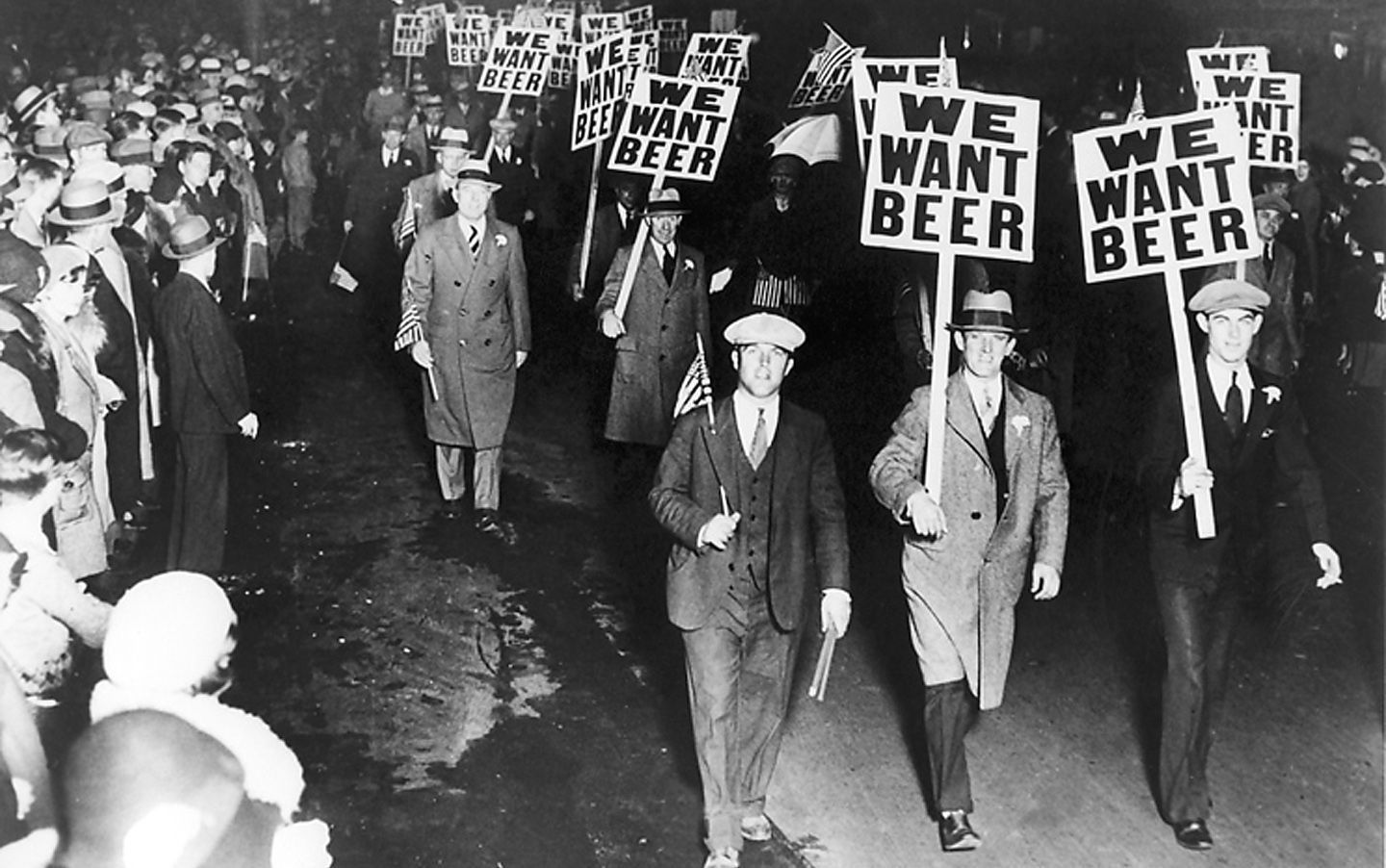
Image: https://www.loc.gov/item/99405158/, Public domain, via Wikimedia Commons

Everyone knows that alcohol was banned during the Prohibition Era (1920–1933), but what about it was illegal? The 18th Amendment banned the manufacture, sale, and transportation of liquor, but drinking it in the comfort of your home was perfectly legal. Now, if you wanted to get your hands on it, you usually had to resort to not-so-legal means, such as speakeasies or bootleggers.

2
Shopping on a Sunday
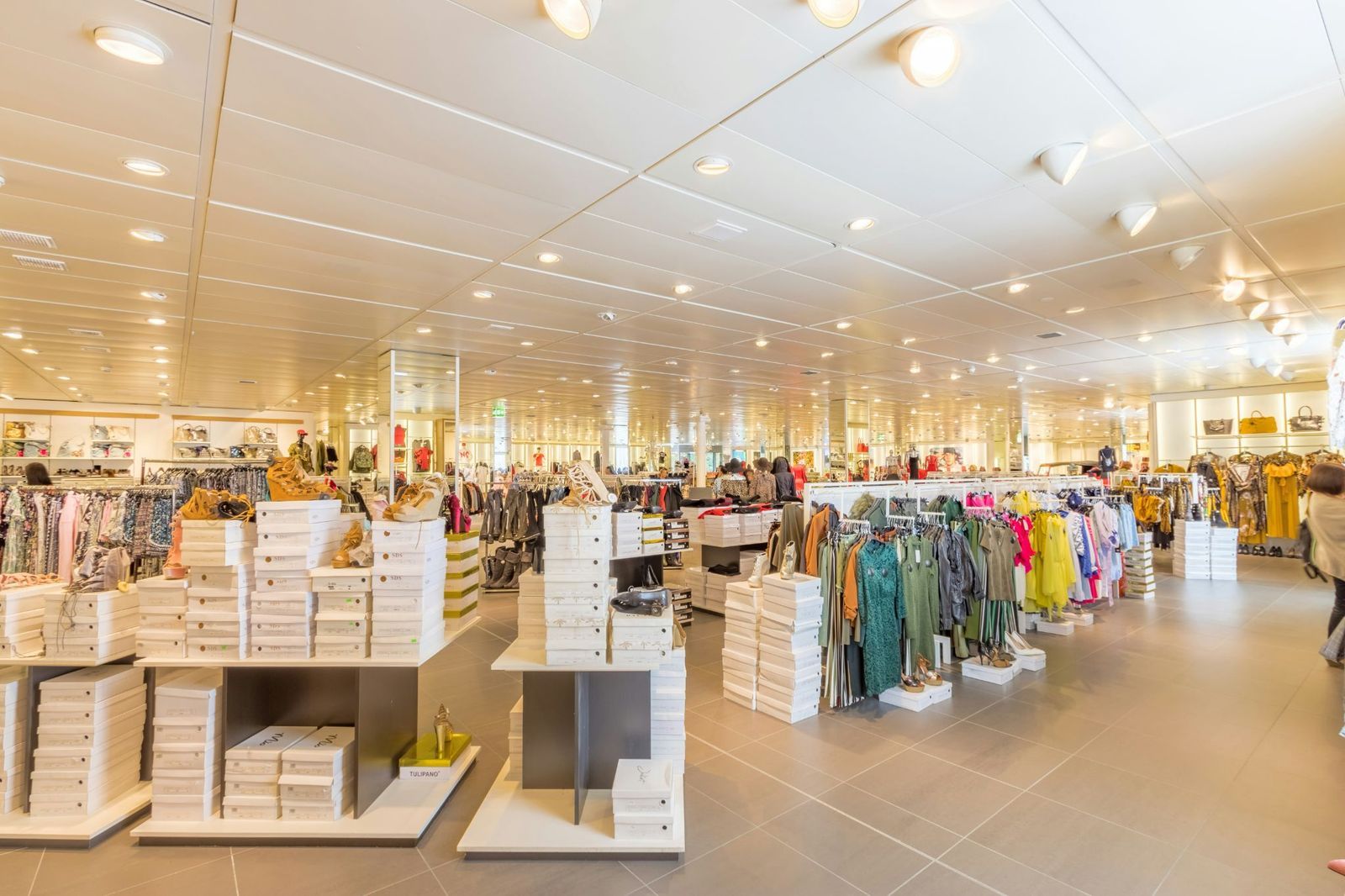
Image: Alexander Faé

Enjoying some retail therapy on the weekends is not uncommon nowadays, but there was a time when you could only do it on a Saturday. Blue laws, also known as Sunday laws, were statutes that restricted commercial and recreational activities on Sundays , from buying alcohol to hunting, to ensure rest on the Lord’s day. Most blue laws were repealed in the 1960s, but some counties and states still enforce them to some extent.

3
"Modifying" the National Anthem
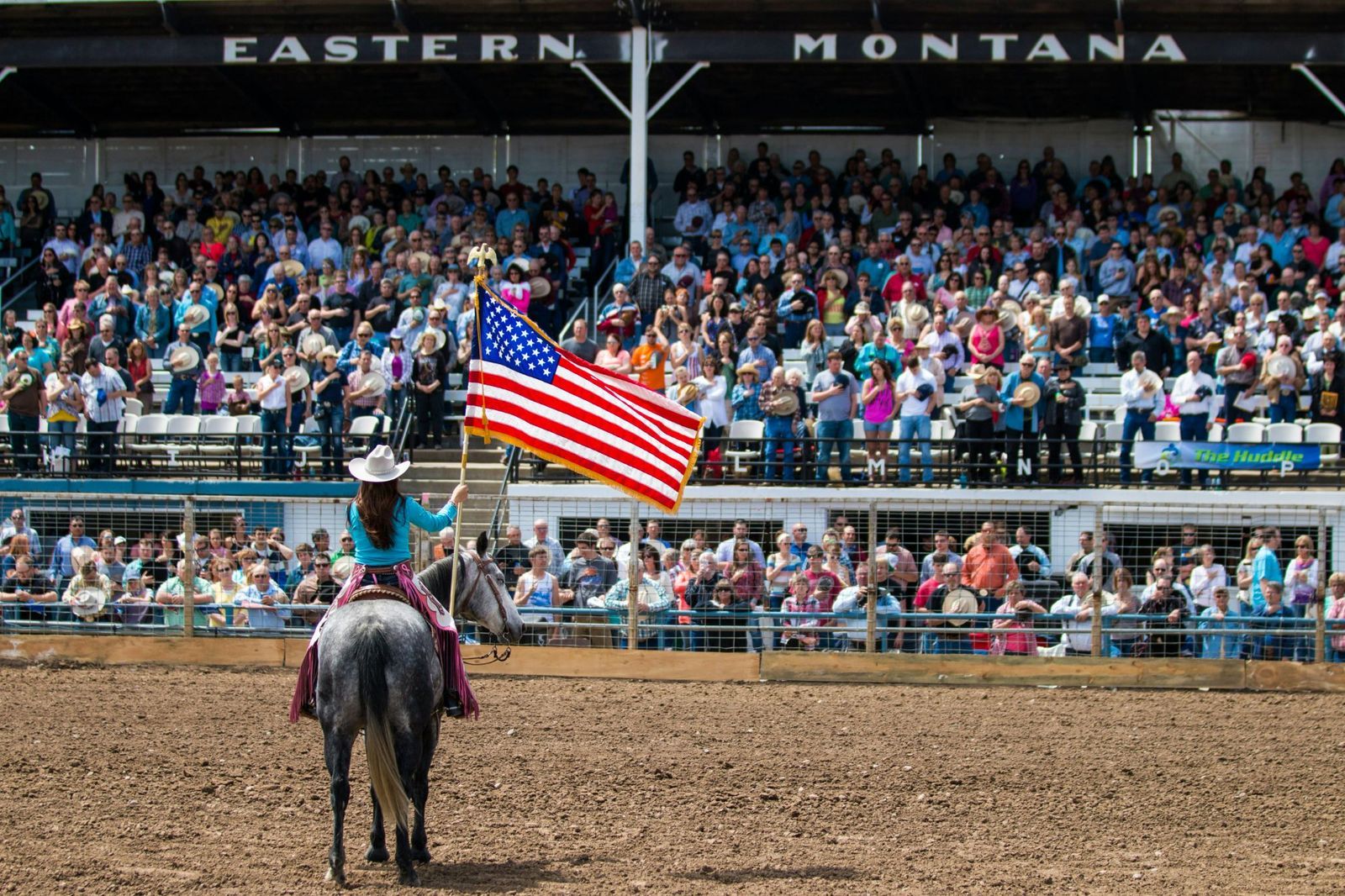
Image: Daniel Lloyd Blunk-Fernández

The National Anthem deserves respect—in fact, making a musical arrangement for it or playing only a part was once illegal. In the early 20th century, many states passed laws against the "musical desecration" of the Star-Spangled Banner , which outlawed embellishing the melody, using it as part of a medley, or dancing to its tune. These laws are no longer standing, and all etiquette regarding the National Anthem is voluntary for civilians.

4
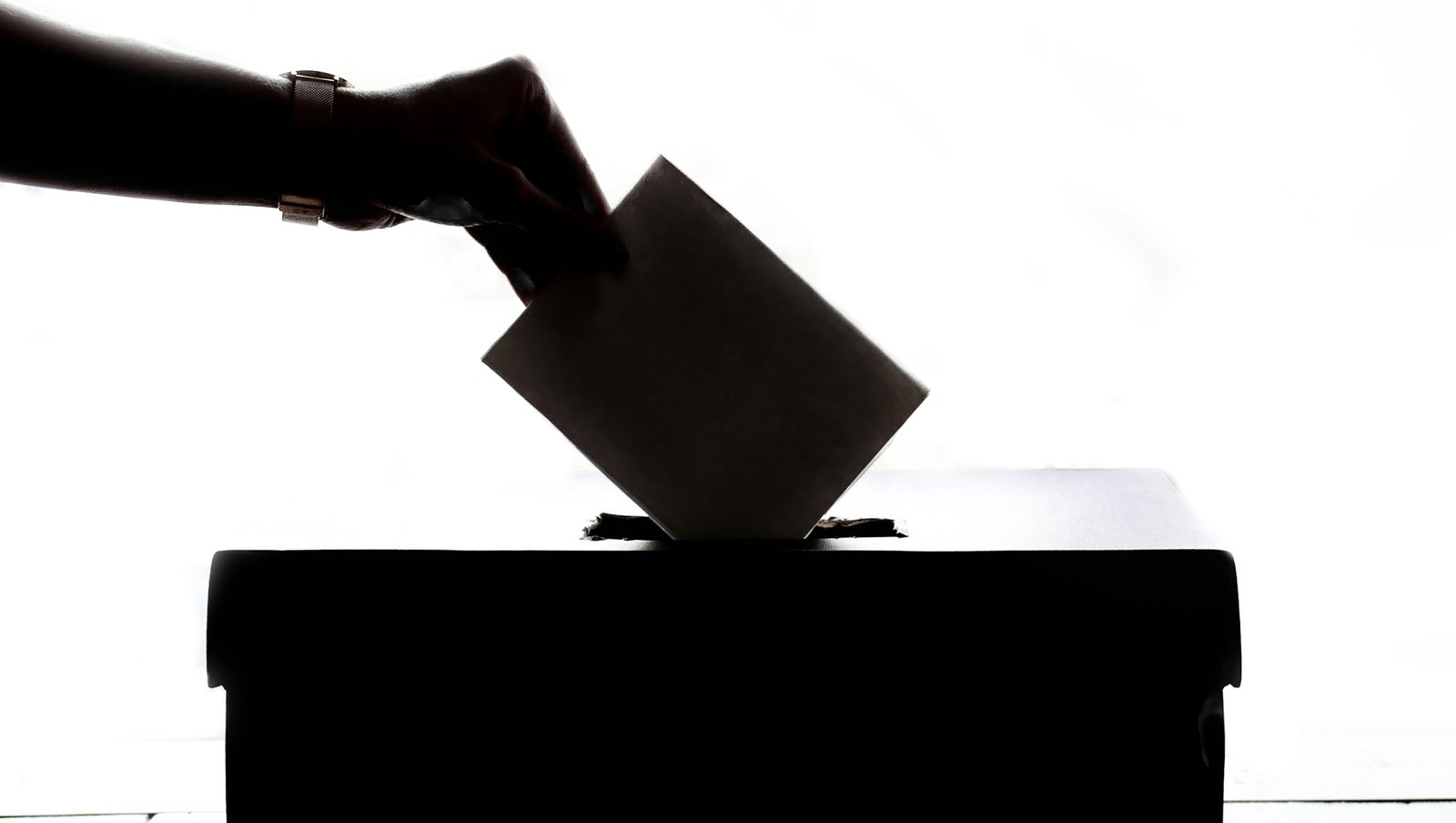
Voting as an 18-year-old
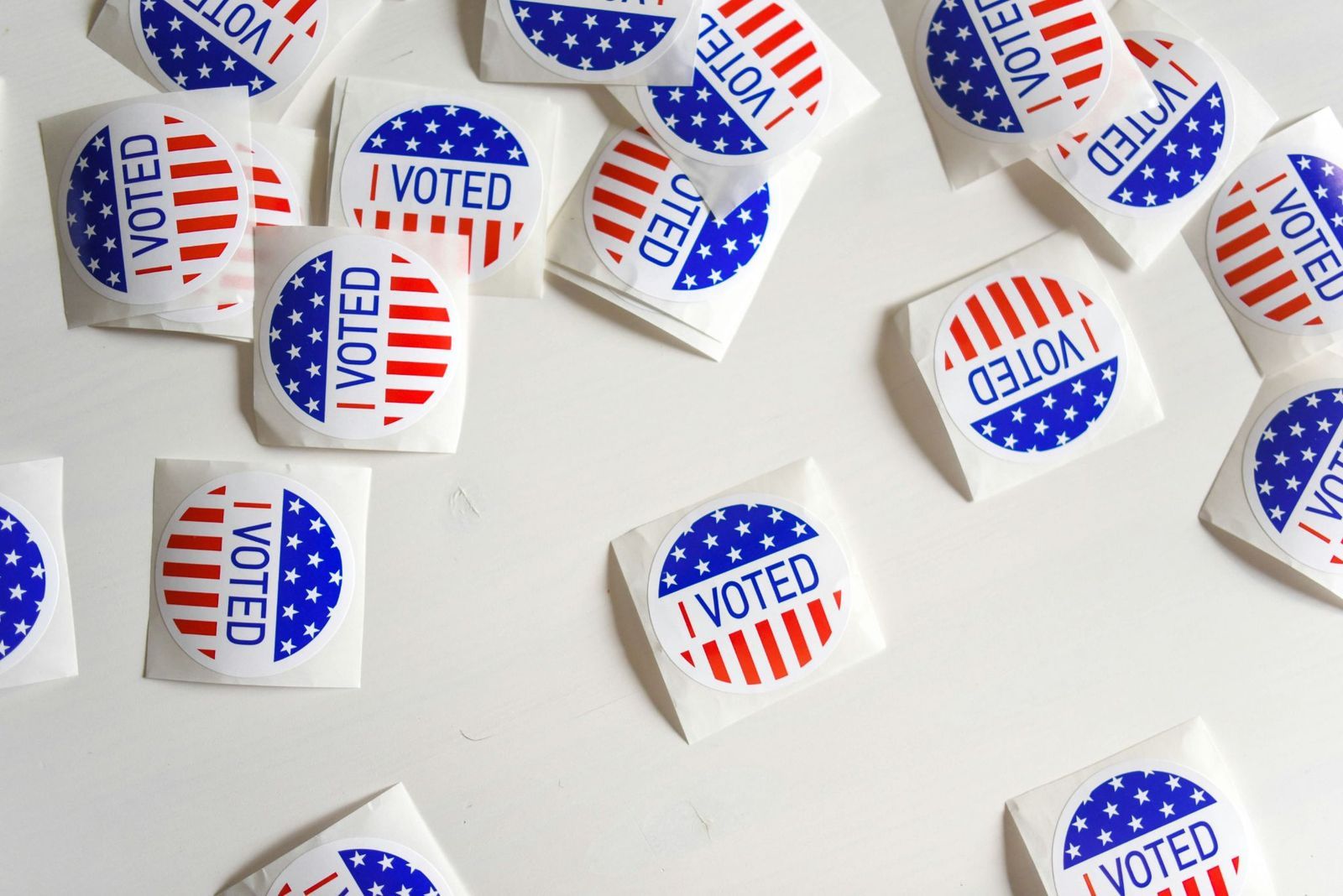
Image: Element5 Digital

Although there is no consensus among states about the legal age of majority, there is a national standard when it comes to voting in state and federal elections, something all Americans can do at 18 years old. However, this is a relatively new development. The 26th Amendment, which lowered the voting age from 21 to 18, was passed in 1971 as a result of controversies surrounding the Vietnam War draft of young men who were not entitled to the vote.

5
Swearing in public
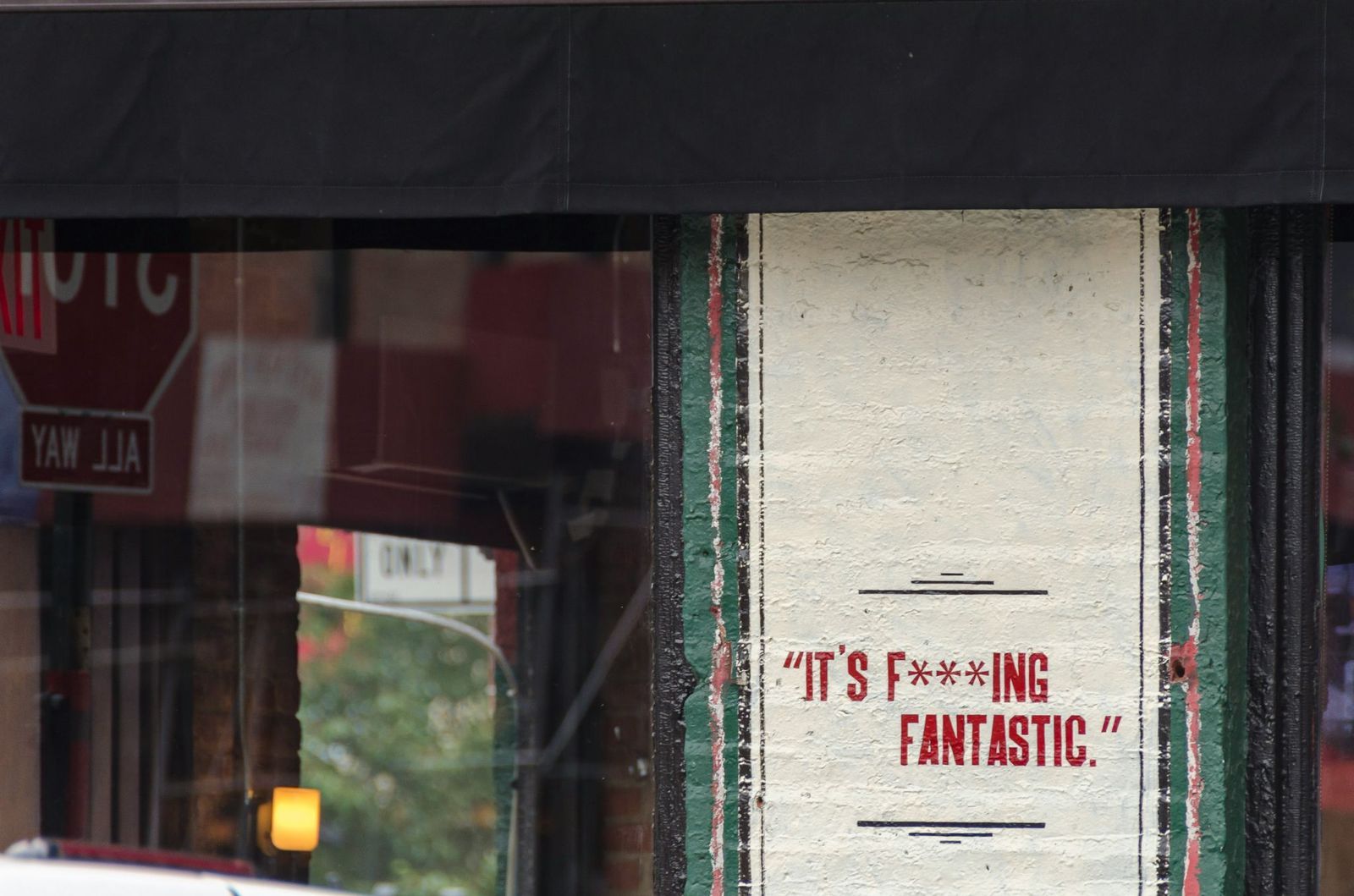
Image: Etienne Girardet

While federal laws against profanity are unconstitutional under the First Amendment, several states have passed statutes against public swearing and indecent language . While most of these statutes have not been enforced for decades, you’d be surprised to know that they were still standing in states such as California, Virginia, and Michigan within the past decade.

6
Margarine
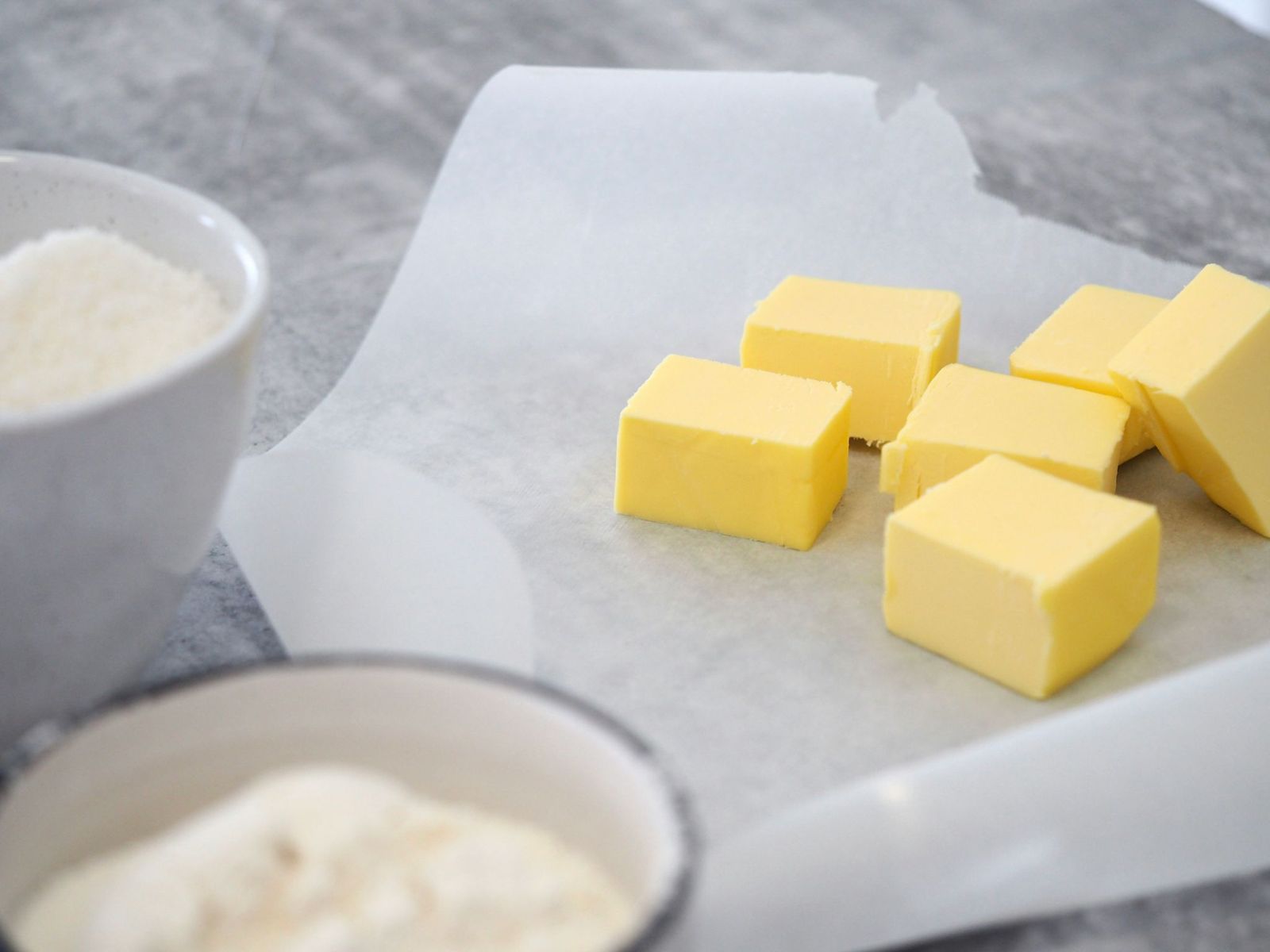
Image: Jess Bailey

D id you know that margarine was banned or severely restricted until the 1950s? In the late 19th century, many states banned the sale of margarine to protect the butter industry, while others allowed its sale on the condition that it was dyed pink to render it unappealing. Margarine with a butter-like appearance could sometimes be sold with an added tax. In 1950, President Harry Truman passed the Margarine Act, lifting all bans and taxes on yellow margarine.

7
Wearing pants as a woman
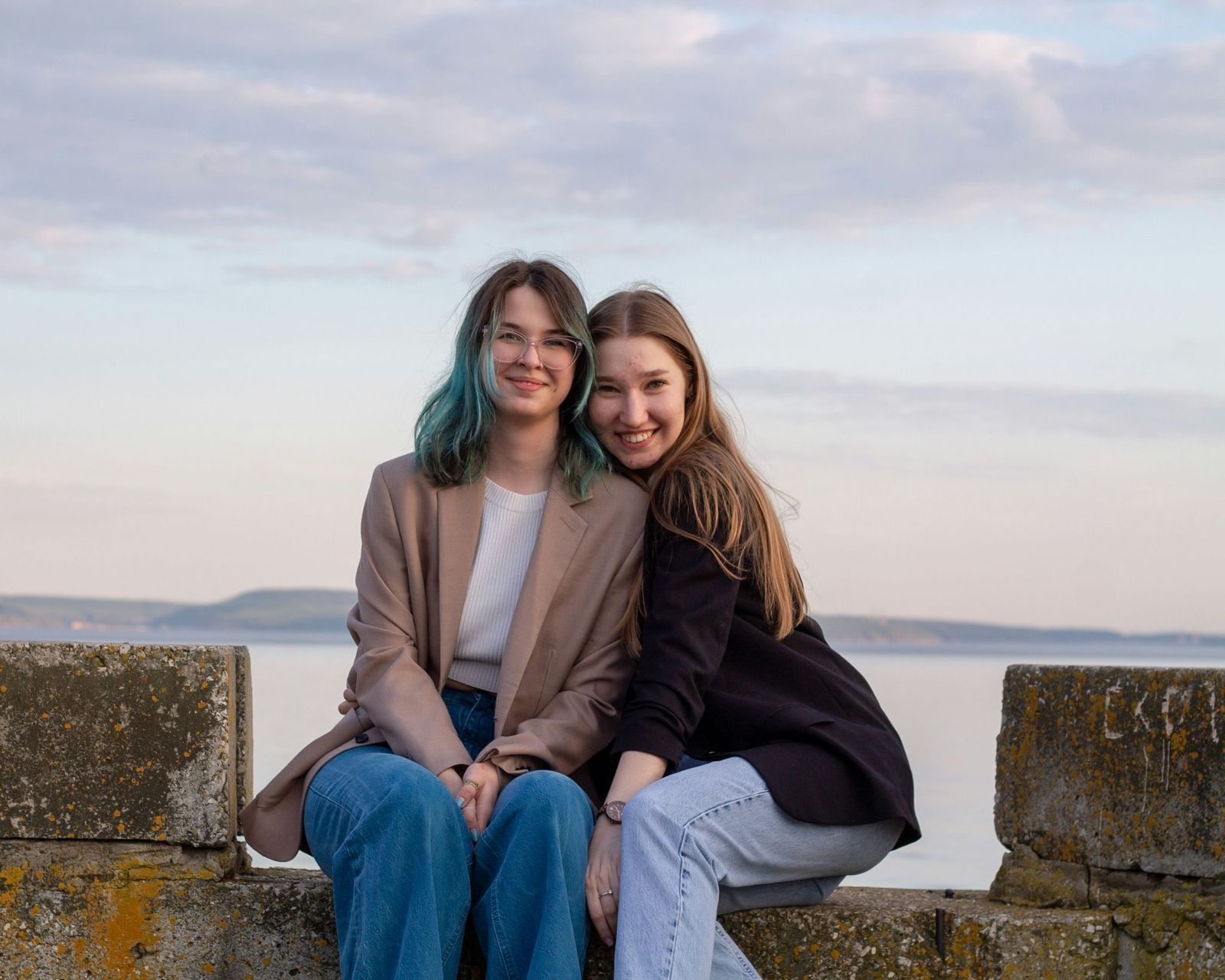
Image: Nikita Chaturov

Wearing pants as a woman was never banned or criminalized on a federal level, but most states outlawed it with crossdressing laws and ordinances. In 1923, the US Attorney General stated that it was legal for women to wear pants in public, but this was not a federal law, which meant that state ordinances still stood. Although women's pants became standard during World War II, many places—such as the U.S. Senate—still banned them until the 1990s.

8
Eating popcorn at the movies
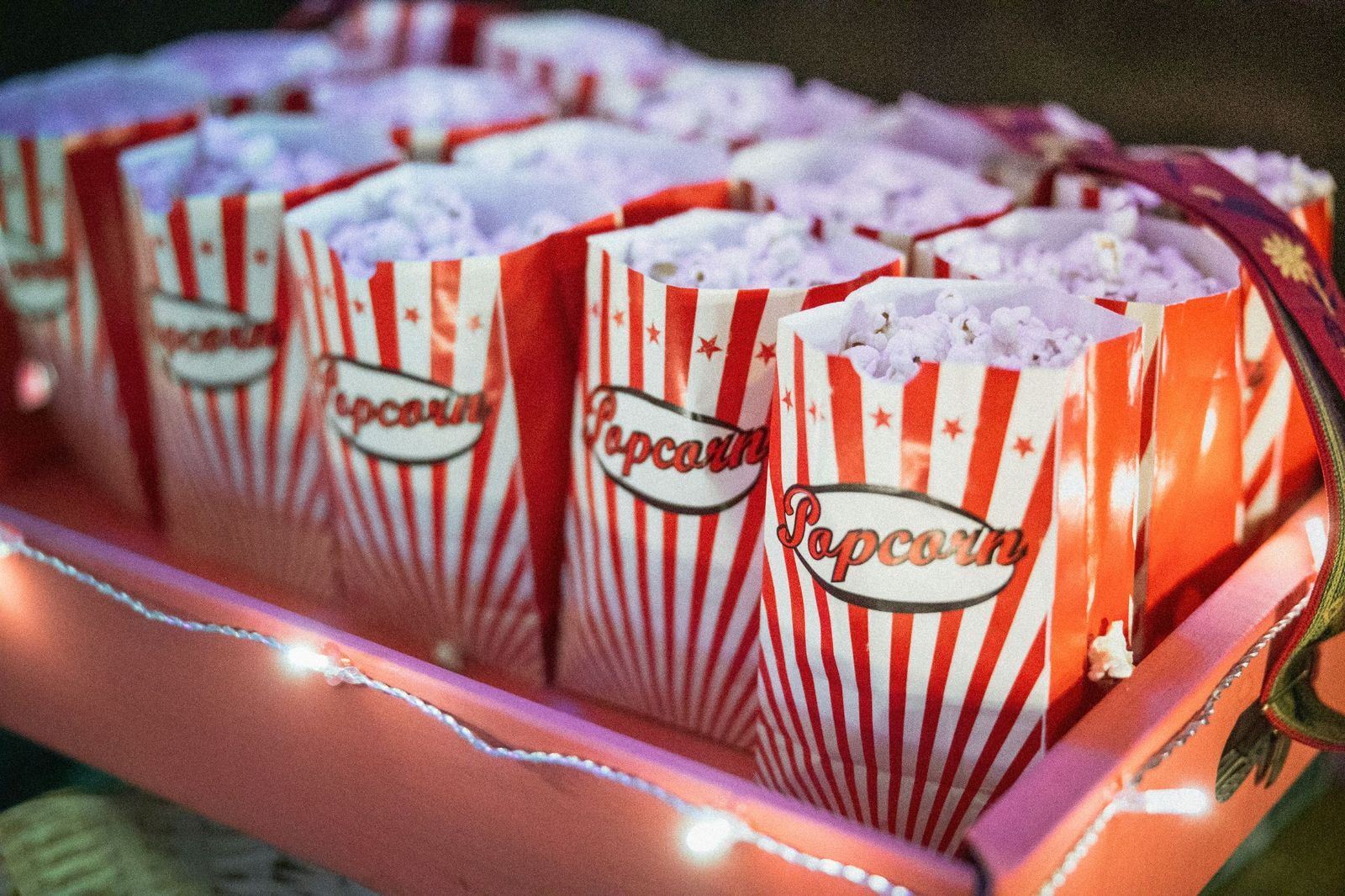
Image: Corina Rainer

There was never a law or a statute banning popcorn at the cinema, but not for lack of trying. During the Silent Era of Hollywood, food was banned inside most theaters, and popcorn was the public enemy #1 due to the noise . When did it become a movie staple? With the introduction of sound in film, the crunching of popcorn was less of an issue, and street vendors started selling it outside cinemas. Eventually, theaters realized that there was major profit in snacks and started selling them, at a huge markup, in the theater.

9
Pinball machines
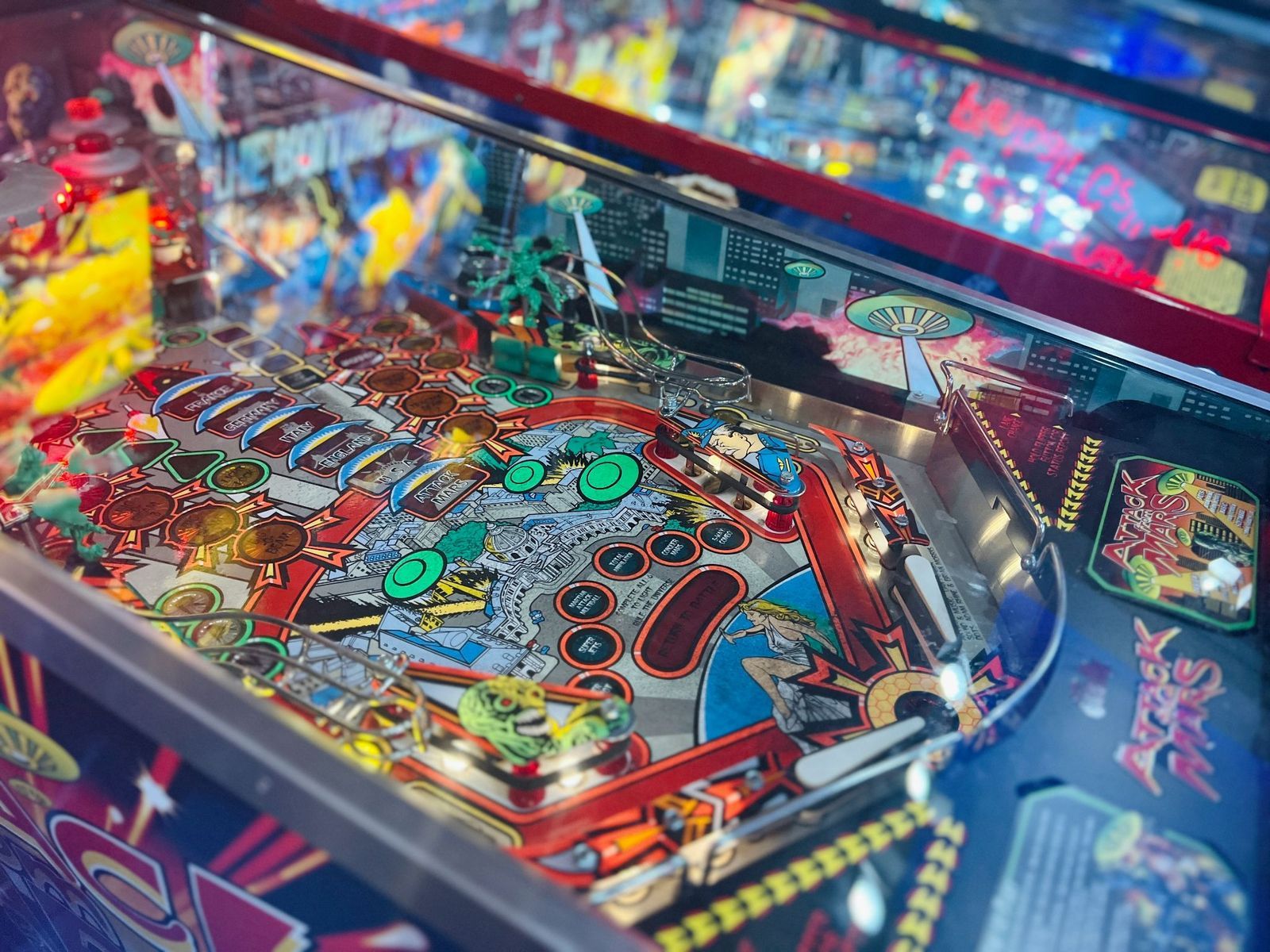
Image: Patrick Von

In what was known as the ‘Pinball Prohibition’, cities all across America made pinball machines illegal. The rationale was that pinball machines were gambling devices and were used by the mafia to lure children into illegal gambling . Luckily, most anti-pinball laws were repealed in the late 1970s.

10
Owning gold
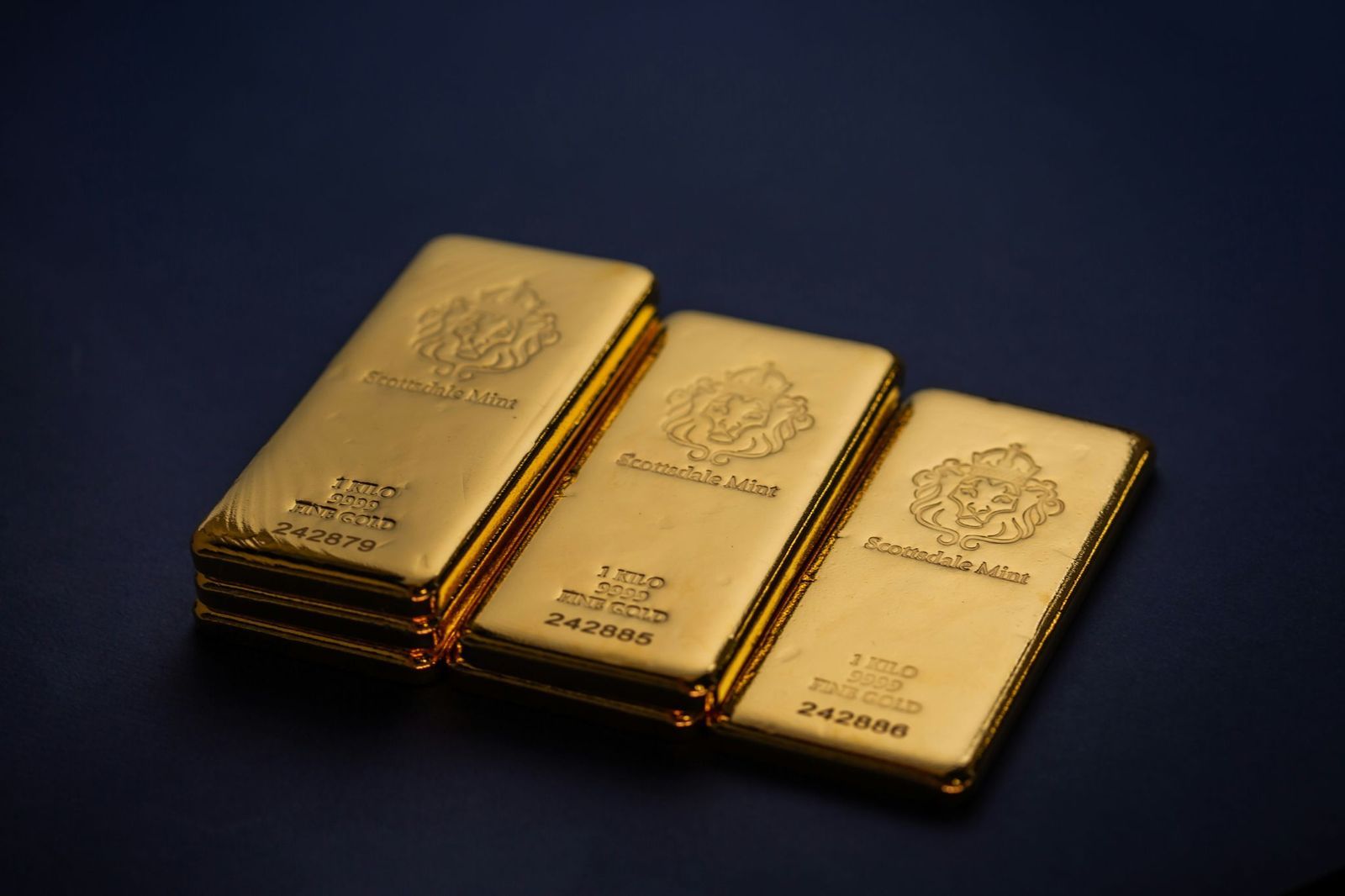
Image: Scottsdale Mint

There are several things that regular citizens can’t legally own, but why gold? In 1933, President Franklin D. Roosevelt signed an executive order that banned private ownership of gold —though small amounts of gold jewelry were allowed—to prevent "hoarding". Citizens were required to turn in their gold to the Federal Reserve, and would receive $20.67 per ounce. Gold ownership was made legal again by President Gerald Ford in 1975.
General General 3 min read

Hometown talk

Think you don’t have an accent? These hometown words say otherwise

Image: Nick Fewings

Just as you can tell someone is from San Francisco by the way they say "corner," or recognize a Bostonian by how they pronounce "car," regional slang can reveal our roots before we even finish a sentence. One little word can remind you of your childhood, family quirks, and the place that shaped you. These homegrown expressions often carry long histories, inside jokes, and local pride. Today, we’ll learn where some favorite regional terms came from and why they stuck around.

1
Jawn

Image: Ethan Hoover

In Philadelphia, "jawn" can mean almost anything! The term grew from African American English and evolved into a catchall word for an object, event, or person. Visitors sometimes get confused, but locals enjoy its flexibility. It works as a little verbal wink that says you belong.

2
Snowbirds

Image: Ashley Satanosky

Florida locals call winter visitors "snowbirds." The playful name popped up when northerners began heading south for warm weather during the cold months, just like those birds. It reflects the state’s seasonal rhythm and the migration pattern that still fills beach towns once the temperatures drop up north.

3
Slush

Image: Osman Rana

Order a "slush" in Boston, and you’ll receive something close to an Italian snow cone. Local ice cream stands helped cement the name, and kids who grew up in Massachusetts often carry a strong opinion about which shop makes the best one.

4
Yinz

Image: Vidar Nordli-Mathisen

People from Western Pennsylvania use "yinz" to call out to a group. It grew from old Scots-Irish speech patterns brought by early immigrants. The sound changed over time, but the community kept the word alive. If you grew up around Pittsburgh, you might slip and say it without even thinking.

5
Rotary

Image: Aubrey Odom

In Massachusetts, a "rotary" is simply a traffic circle. The term stuck thanks to local road planners who liked the older label long after other states switched to "roundabout." If you hear someone gripe about a rotary on their commute, chances are they have roots in the Bay State.

6
Bubbler

Image: Tom Barrett

If someone in Wisconsin asks where the "bubbler" is, they just want a sip of water. The word came from early drinking fountain designs that created a bubbling stream. While the term is also popular in some parts of Rhode Island and Massachusetts, many other parts of the country simply began to use the term "water fountain."

7
On sale liquor

Image: Nicole Geri

Minnesota liquor rules created the terms "on sale" and "off sale." On-sale liquor is what you drink right where you buy it, like at a bar. Off-sale means you take it home before opening it. It sounds like a bargain at first, but it’s just a local way to talk about alcohol laws.

8
Cattywampus

Image: Zachary Farmer

Alabama families use "cattywampus" for anything crooked or out of place. The term has roots in older American slang style that mixed playful sounds with creative spelling. It is one of those words that makes you smile, even if it’s describing your own hair.

9
Bear down

Image: Christoph von Gellhorn

In Arizona, "bear down" is tied to college sports. The phrase began to be used as a battle cry after a student from the University of Arizona left that message for his team in the 1920s. Fans kept the spirit alive, turning it into a tradition that shows pride and determination.

10
Sourdough

Image: Yuanpang Wa

Longtime Alaskans call themselves "sourdoughs." Why? During the early days of settlement, folks relied on sourdough starter when other leavening ingredients were hard to get in such a distant region. The nickname became a badge of endurance and also a hint of humor about tough living.

11
Janky

Image: Jonathan Ng

In parts of New England, "janky" describes something shabby or unreliable. The word has traveled through many communities, but locals in the Northeast use it with a knowing grin. It works for a rickety bench, a questionable motel, or any situation that leaves you raising an eyebrow.

Culture Culture 3 min read

Creative states

Do you know what was invented in your state? Be surprised by the answer!

Image: NASA

Take a look around your house for a second: The lights are on, breakfast was easy, your jeans fit just right, and your nose knows exactly where that Vicks is hiding. Funny thing is, you can thank a handful of American states for these, but you may not even know it! America is great for many things, and these states have some pretty famous inventions we should thank them for! Read on and see what your state created!

1
Tennessee - Cotton candy

Image: Yarden

Cotton candy feels like pure fun, which makes its origin even better. A Nashville dentist helped invent the machine that turns sugar into fluffy clouds. It debuted at the St. Louis World’s Fair and became a carnival favorite. Genius way to get more patients on his chair, huh?

2
Georgia - Coca-Cola

Image: James Yarema

In an Atlanta pharmacy in 1886, John Pemberton mixed up a syrup meant to be medicinal. It included coca leaf extract and kola nuts and was sold as a tonic. The drink evolved quickly, lost its medical claims, and became Coca-Cola. The rest is simply history!

3
New Jersey - Light bulb

Image: Luis Tosta

This one is a classic! In Menlo Park, Thomas Edison built a laboratory that became an invention factory. There, a commercially viable incandescent light bulb was developed. While this gets most of the applause, that same New Jersey workspace also helped shape recorded sound and motion pictures.

Image: NAM CZ

4
Indiana - Rearview mirror

At the very first Indianapolis 500, one driver decided he did not need someone sitting behind him to watch traffic. Can you imagine how uncomfortable a job that was? Ray Harroun instead attached a mirror to his dashboard. That simple choice helped him win the race and changed driving for everyone.

5
California - Jeans

Image: Mnz

Rugged work pants were falling apart under hard labor until rivets entered the picture. A tailor named Jacob Davis teamed up with Levi Strauss in San Francisco to reinforce trousers for miners . Denim soon followed, and jeans became a global staple. From gold fields to casual Fridays, the look never left.

6
Ohio - Traffic light

Image: CARTER SAUNDERS

Cleveland inventor Garrett Morgan noticed a deadly problem at busy intersections . His improved traffic signal added a pause that stopped all directions before letting cars move again. That brief moment of calm saved lives and brought order to chaos.

7
Missouri - Ready mix

Image: Land O'Lakes, Inc.

Pancakes once meant measuring flour, salt, and patience. In 1889, Missouri innovators created one of the first commercially successful ready mixes under the Aunt Jemima name . Pour, add liquid, and cook. It reshaped home kitchens and paved the way for countless boxed mixes.

8
North Carolina - Vicks VapoRub

Image: Kelly Sikkema

A Greensboro pharmacist created dozens of remedies, but one stood out. His menthol ointment eased breathing and comforted countless families. Rebranded as Vicks VapoRub, it became a staple in every medicine cabinet.

9
Wisconsin - Blender

Image: Daniel Norris

The first motor-powered blenders came from Wisconsin, even if they needed a little help to work properly. Once refined, they became the Waring Blendor and found their way into diners, homes, and smoothie shops. Nowadays, they are a household essential; even kids know how to work one!

10
Oklahoma - Parking meter

Image: chris robert

Crowded streets needed turnover, so Oklahoma City tried something new. The parking meter encouraged drivers to move along and freed up spaces for shoppers. Love them or hate them, parking meters changed how cities function.

11
New York - Toilet paper

Image: Nik

Toilet paper feels like it has always been around, but it hasn’t. In 1857, a New Yorker named Joseph Gayetty introduced paper designed specifically for bathroom use . His marketing was not so effective, but the idea stuck. Before that, people relied on catalogs and newspapers. Thank you, New York!

Explore more American facts

Choose your favorite category!

General
General

As American as apple pie—the very best America has to offer!

Culture
Culture

Delve into the astounding richness of American lore.

Geography
Geography

Hop in and explore vast and diverse American landscapes.

History
History

Discover the key moments that shaped the United States.